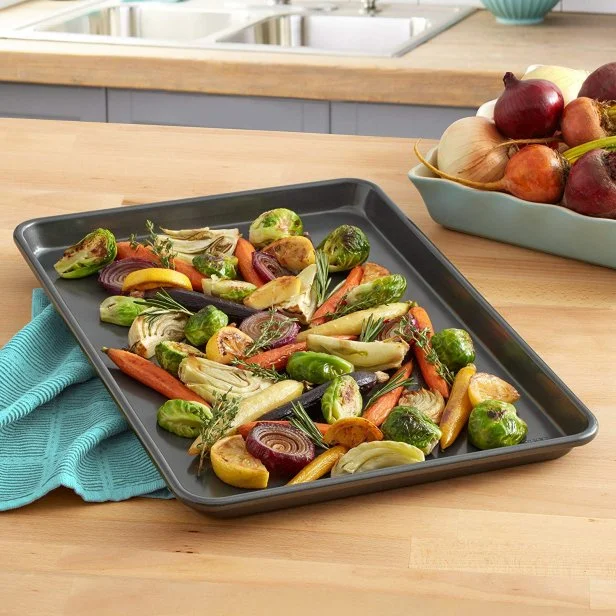
 Stepping into the kitchen, whether you’re a seasoned chef or just discovering the joy of baking, you’ll quickly realize that some tools are simply indispensable. Among them, the humble 1/2 sheet baking pan stands out as a true workhorse. This versatile kitchen essential, often overlooked, is a powerhouse for everything from delicate cookies to robust sheet pan dinners, making it a cornerstone for culinary success. But what exactly is a 1/2 sheet baking pan, and how can you unlock its full potential to elevate your cooking and baking game? Let’s dive deep into understanding, choosing, and utilizing this kitchen staple to transform your culinary endeavors.
What is a 1/2 Sheet Baking Pan? Why It’s Your Kitchen Workhorse.
A 1/2 sheet baking pan, also commonly known as a half-sheet pan, is a flat, rectangular metal pan with a raised rim on all four sides, typically about one inch high. The standard dimensions for a 1/2 sheet baking pan are 18 by 13 inches, making it perfectly sized to fit comfortably in most home ovens without overcrowding. This mid-size pan is a “half” because it’s precisely half the size of the large, industrial full-sheet pans (26×18 inches) used in professional commercial kitchens.
Why is it so essential? Its generous surface area, coupled with the security of a rim, makes it incredibly versatile. It’s robust enough for high-temperature roasting and provides ample space for even baking, preventing overcrowding which can lead to steaming rather than browning. From perfectly roasted vegetables to a batch of your favorite cookies, the 1/2 sheet baking pan truly earns its title as the ultimate kitchen utility player.
Types of 1/2 Sheet Baking Pans: Materials and Non-Stick Coatings
The material and coating of your 1/2 sheet baking pan significantly impact its performance. Understanding these differences can help you choose the best pan for your specific culinary adventures.
Materials Matter
- Aluminum: This is the industry standard for a good reason. Bare aluminum is an excellent heat conductor, meaning it heats up and cools down quickly, offering precise temperature control. Its light color helps prevent over-browning, resulting in more evenly baked goods. Uncoated aluminum is also a favorite for those seeking bakeware free from certain chemical coatings.
- Aluminized Steel: This material combines the best of both worlds. It features a steel core for rigidity and strength, coated with an aluminum-silicon alloy. This blend provides the excellent heat conductivity of aluminum with enhanced durability and warp resistance. Many high-quality 1/2 sheet baking pans are made from aluminized steel.
- Stainless Steel: While durable and non-reactive with acidic foods, stainless steel is not as good a heat conductor as aluminum. It can sometimes lead to less even baking and browning compared to aluminum or aluminized steel pans.
Non-Stick Coatings
Some 1/2 sheet baking pans come with non-stick coatings, often silicone-based. These coatings, like USA Pan’s Americoat, promise effortless food release and easier cleanup. While convenient, it’s worth noting that non-stick coatings can wear off over time and may have lower maximum oven temperatures than uncoated pans, potentially limiting their versatility. For optimal results with non-stick pans, using silicone, nylon, or wooden utensils is recommended to avoid scratching the surface.
Choosing the Perfect 1/2 Sheet Baking Pan for Your Needs
Selecting the right 1/2 sheet baking pan can feel overwhelming with all the options available. Here’s what to consider to make an informed choice:
- Material: For most home bakers and cooks, uncoated aluminum or aluminized steel is the top recommendation due to their superior heat conductivity and even baking performance.
- Gauge (Thickness): This refers to the thickness of the metal. Remember, the smaller the gauge number, the thicker the pan. A heavier, lower-gauge pan (e.g., 10- to 12-gauge) is more durable and resistant to warping, especially at high temperatures.
- Rim Design: Look for pans with rolled rims. These provide a comfortable grip, even with oven mitts, and contribute to the pan’s structural integrity, helping to prevent warping.
- Overall Construction: A sturdy pan with reinforced or encapsulated rims will offer better stability and longevity. Some pans feature fluted bottoms designed to increase air circulation for more professional-level results.
- Brand Reputation: Brands like Nordic Ware and USA Pan are frequently cited for their quality and performance in 1/2 sheet baking pans.
“A half sheet baking pan is truly the unsung hero of the kitchen. Its versatility means it’s often the first tool I reach for, whether I’m whipping up a quick weeknight dinner or tackling a complex baking project. Investing in a good quality, heavy-gauge aluminum or aluminized steel pan will pay dividends in your culinary journey,” advises Chef Anya Petrova, a renowned culinary instructor and author.
Mastering Your 1/2 Sheet Baking Pan: Tips for Optimal Baking Results
Getting the most out of your 1/2 sheet baking pan involves a few simple yet crucial techniques that can make a world of difference in your cooking and baking.
- Don’t Overcrowd the Pan: This is perhaps the most important rule for even cooking. Piling too many ingredients onto the pan causes them to steam rather than roast or brown, leading to soggy results. Always ensure enough space between food items for air to circulate freely.
- Line It Up: For easy cleanup and to prevent sticking, always line your 1/2 sheet baking pan with parchment paper or a silicone baking mat. Heavy-duty aluminum foil is also a good option, especially for roasting, as it can help accelerate browning.
- Preheat Your Pan: For crisper results, especially with roasted vegetables or certain baked goods, place your empty 1/2 sheet baking pan in the oven while it preheats. This gives your food a head start on browning once it hits the hot surface.
- Uniformity is Key: When roasting vegetables, cut them into similar sizes to ensure they cook evenly. For denser vegetables like potatoes or carrots, consider giving them a 20-30 minute head start in the oven before adding quicker-cooking ingredients.
- Oil and Season Generously: Always coat your ingredients thoroughly with oil and seasonings. This prevents drying out and helps create those delicious caramelized surfaces. You can toss ingredients in a large bowl or directly on the lined pan.
- Consider a Wire Rack: For items that benefit from air circulation on all sides, like breaded chicken or crispy fries, place a wire cooling rack inside your 1/2 sheet baking pan. This allows fats and liquids to drip away, promoting a crispier finish.
Cleaning and Caring for Your 1/2 Sheet Baking Pan Correctly
Proper care will extend the life and maintain the performance of your 1/2 sheet baking pan for years to come.
- Hand Wash is Best: Even if your pan is labeled “dishwasher-safe,” hand washing in warm, soapy water is almost always recommended. This helps to preserve the finish, prevent discoloration, and prolong its lifespan, especially for bare aluminum pans which can be prone to corrosion from harsh dishwasher detergents.
- Tackle Stubborn Stains: For baked-on residue, let the pan soak in hot, soapy water for a while. A paste made from baking soda and a little water can also be effective for scrubbing away tough spots. Avoid abrasive scrubbers or steel wool, especially on non-stick surfaces, as they can cause damage.
- Avoid Cooking Sprays: Many cooking sprays can leave a sticky residue that builds up over time and is difficult to remove, potentially affecting the pan’s non-stick properties and even baking. Opt for parchment paper, silicone mats, or a light coating of oil instead.
- Use Gentle Utensils: Stick to silicone, nylon, or wooden utensils to avoid scratching the pan’s surface, particularly with non-stick pans. Metal utensils can cause irreparable damage.
- Store Properly: Ensure your pans are completely dry before stacking them to prevent water spots or corrosion. Storing them neatly can also prevent scratching.
Common 1/2 Sheet Baking Pan Mistakes and How to Fix Them
Even with the best intentions, mistakes can happen. Here are some common issues and how to troubleshoot them:
- Warping in the Oven: This often happens when a thinner, lower-quality pan is exposed to high heat. Investing in a heavy-gauge (lower number) aluminum or aluminized steel pan with reinforced, rolled rims can significantly reduce the risk of warping. If your pan warps, it’s usually due to thermal shock; letting it cool gradually can sometimes help.
- Uneven Cooking: The primary culprit here is often overcrowding the pan, which restricts air circulation. Ensure your ingredients are spread in a single layer with space between them. Also, consider rotating the pan halfway through cooking, as some ovens have hot spots.
- Food Sticking: This is usually a sign that you haven’t adequately prepped the pan. Always use parchment paper, a silicone mat, or a generous layer of oil (not cooking spray) to prevent food from adhering.
- Burnt Bottoms: Darker pans absorb more heat, which can lead to over-browning. If you have a dark or non-stick pan, you might need to reduce the oven temperature or baking time slightly. Using parchment paper also provides a slight insulating layer.
Beyond Baking: Creative Culinary Ideas with Your 1/2 Sheet Baking Pan
While “baking pan” is in its name, the 1/2 sheet baking pan’s utility stretches far beyond cakes and cookies. Its robust design makes it perfect for a myriad of cooking tasks.
- Sheet Pan Dinners: The ultimate weeknight meal solution! Toss your favorite protein (chicken, sausage, tofu) and chopped vegetables with oil and seasonings, spread them on the pan, and roast until tender and browned. Minimal cleanup, maximum flavor.
- Roasting Vegetables: Achieve perfectly caramelized broccoli, crispy Brussels sprouts, or tender root vegetables. The even heat distribution of a quality 1/2 sheet baking pan ensures every bite is delicious.
- Pizza Pan: Forgot your pizza stone? Simply oil an inverted (or right-side-up, depending on desired crispness) 1/2 sheet pan and slide your pizza dough onto it. Some even use it as a makeshift pizza peel!
- Freezing Ingredients: Spread berries, chopped vegetables, or even meatballs in a single layer on a lined 1/2 sheet baking pan and freeze until solid. Then transfer to freezer bags for convenient, clump-free storage.
- Slab Pies and Bars: For feeding a crowd, a slab pie or a batch of chewy bars baked on a 1/2 sheet pan is a fantastic option.
- Drip Catcher/Resting Meat: Place it under pies or casseroles to catch drips, keeping your oven clean. It’s also ideal for resting roasted meats, allowing juices to redistribute evenly.
Frequently Asked Questions (FAQ)
Q: What is the exact size of a standard 1/2 sheet baking pan?
A: A standard 1/2 sheet baking pan measures approximately 18 by 13 inches, with a rim typically one inch high. This size is designed to fit most home ovens.
Q: Can I use a 1/2 sheet baking pan in a toaster oven?
A: Generally, a 1/2 sheet baking pan is too large for most toaster ovens. For toaster ovens or smaller tasks, a quarter sheet pan (approximately 13×9 inches) is usually a better fit.
Q: Is it better to use aluminum or aluminized steel for a 1/2 sheet baking pan?
A: Both are excellent choices. Aluminum offers superb heat conductivity and even browning, while aluminized steel provides similar performance with added durability and warp resistance due to its steel core. Many top brands offer pans in both materials.
Q: How do I prevent my 1/2 sheet baking pan from warping?
A: To minimize warping, invest in a heavy-gauge (thicker) pan, preferably made of aluminum or aluminized steel with reinforced, rolled edges. Avoid extreme temperature changes, such as placing a hot pan directly into cold water.
Q: Can I put my 1/2 sheet baking pan in the dishwasher?
A: While some pans are labeled “dishwasher-safe,” hand washing with warm, soapy water is generally recommended. This helps maintain the pan’s finish, prevents residue buildup, and prolongs its lifespan.
Q: What’s the difference between a 1/2 sheet baking pan and a cookie sheet?
A: A 1/2 sheet baking pan has a raised rim on all four sides, making it highly versatile for roasting, baking, and containing liquids. A cookie sheet typically has one or two raised edges and flat sides, designed specifically for easy sliding of cookies, but less suitable for liquid-prone foods.
Q: Should I use parchment paper or foil when baking with a 1/2 sheet pan?
A: Both parchment paper and heavy-duty foil are great for easy cleanup and preventing sticking. Parchment paper is excellent for delicate baked goods and when you want to avoid over-browning. Foil can be beneficial for roasting, as it conducts heat and can promote browning.
Conclusion
The 1/2 sheet baking pan truly stands as an indispensable tool in any kitchen, a silent hero that supports countless culinary creations. From its ideal dimensions that fit perfectly into most home ovens to its versatility across baking and roasting, it’s clear why this pan is so highly regarded. By understanding its materials, making a smart choice based on gauge and construction, and applying simple best practices for use and care, you can ensure your 1/2 sheet baking pan becomes your go-to companion for years. So go ahead, experiment with new recipes, embrace the efficiency of sheet pan meals, and let your 1/2 sheet baking pan unlock a world of delicious possibilities in your kitchen. Happy cooking and baking!