For anyone passionate about baking, cooking for a crowd, or simply maximizing efficiency in the kitchen, the 18 X 26 Baking Sheet is more than just a pan – it’s a game-changer. Often considered the workhorse of professional kitchens, this full-size sheet pan offers unparalleled space and performance. While its dimensions might seem intimidating, understanding its design and purpose can help you harness its commercial-grade power for your grand culinary adventures. But before you get too excited, there’s one crucial detail to consider: its size means it typically won’t fit a standard residential oven.
What Exactly is an 18 x 26 Baking Sheet?
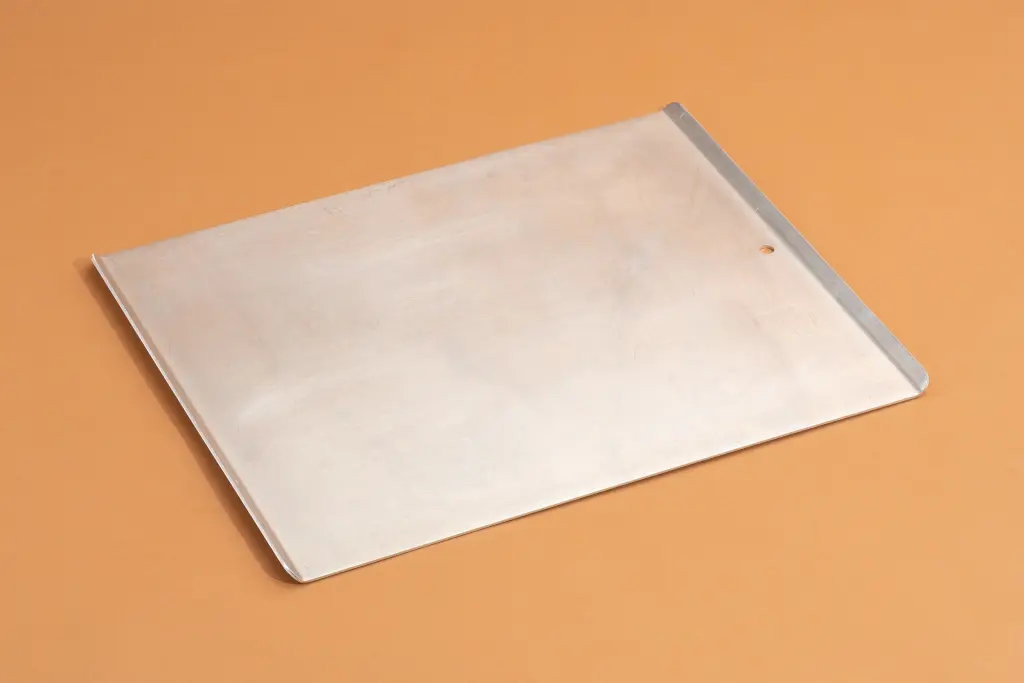
An 18 x 26 baking sheet, often referred to as a “full-size” sheet pan or “bun pan,” is a large, rectangular metal pan with a shallow rim, typically around 1 inch deep. These generous dimensions are the standard in commercial kitchens, bakeries, and catering operations, designed to handle large volumes of food production with efficiency. Unlike the more common half-sheet (18 x 13 inches) or quarter-sheet (9 x 13 inches) pans you might find in a typical home kitchen, the 18 x 26 is built for scale, making it perfect for preparing dozens of cookies, massive sheet cakes, or roasting a substantial amount of vegetables all at once.
The Unrivaled Benefits of Going Full-Size (18 x 26)
Opting for an 18 x 26 baking sheet brings a host of advantages that can elevate your cooking and baking experience, especially when dealing with larger quantities.
Massive Capacity for Culinary Efficiency
The most immediate benefit is the sheer amount of cooking surface it provides. With an 18 x 26 baking sheet, you can prepare large batches of food simultaneously, cutting down on cooking time and energy consumption. Imagine baking an entire tray of cookies for a party in one go, or roasting enough vegetables for a week’s worth of meal prep. This expansive space is invaluable for entertaining, catering, or simply managing a busy family kitchen.
Superior Heat Management for Consistent Results
These pans are typically crafted from aluminum, a metal renowned for its excellent thermal conductivity. This means heat is distributed quickly and evenly across the entire surface of the pan, minimizing hot spots and ensuring your food cooks uniformly. Whether you’re aiming for perfectly golden-brown cookies or evenly roasted potatoes, an 18 x 26 baking sheet helps achieve consistent, professional-quality results every time.
Built to Last: Durability That Withstands the Heat
Commercial-grade 18 x 26 baking sheets are constructed for heavy-duty use. They commonly feature a 19-gauge aluminum build, known for its robustness. A key design element is the reinforced rolled edges, which not only provide structural integrity but also significantly reduce the likelihood of warping, even under high temperatures. This durable construction ensures the pan will stand up to frequent use and the demands of a bustling kitchen environment, making it a long-lasting investment.
Versatility Beyond Baking
While “baking sheet” is in its name, the 18 x 26 baking sheet is incredibly versatile. It’s ideal for roasting meats and vegetables, flash-freezing fruit in a single layer, proofing dough, or even serving as a large drying rack for homemade pasta or herbs. Many chefs also use them for transporting ingredients around the kitchen or as a base for cooling racks.
Decoding Materials: The Aluminum Advantage
When it comes to 18 x 26 baking sheets, aluminum is the undisputed champion. Here’s why:
Most full-size sheets are made from either 18- or 19-gauge aluminum. The lower the gauge number, the thicker and more robust the metal, offering enhanced durability and warp resistance. Aluminum’s primary strength lies in its exceptional heat conductivity. It heats up quickly and, crucially, cools down fast, giving you precise control over your cooking. This responsiveness is vital for delicate baked goods like cookies that can overbake quickly. High-quality aluminum also resists staining, pitting, and rust, contributing to the pan’s longevity and ease of maintenance.
However, aluminum can react with acidic foods (like tomatoes or lemon juice), potentially imparting a metallic flavor or discoloring the pan. This is easily mitigated by using parchment paper or silicone baking mats, which are highly recommended for any baking application.
A Crucial Consideration: Will It Fit Your Oven?
This is perhaps the most important question to ask before investing in an 18 x 26 baking sheet.
The straightforward answer for most home bakers is: no, an 18 x 26 baking sheet will most likely NOT fit in a standard residential oven.
Residential ovens are typically designed to accommodate half-sheet pans (18 x 13 inches) or smaller. A full-size 18 x 26 pan is simply too wide and deep for the vast majority of home ovens. Attempting to force it in can damage your oven or the pan, and severely impair air circulation, leading to unevenly cooked food.
For home bakers who desire more cooking surface, consider a 16 x 22 inch pan, sometimes referred to as a “two-thirds” sheet, or simply stick to multiple half-sheet pans. These alternatives are designed to fit most larger home ovens while still offering substantial capacity. Always measure your oven’s interior dimensions (width, depth, and height) before purchasing any new baking sheet to ensure proper fit and airflow.
Choosing Your Commercial-Grade 18 x 26 Baking Sheet
If you have a commercial oven or a specially sized home oven that can accommodate it, here’s what to look for:
- Gauge Thickness: Aim for 18- or 19-gauge aluminum for optimal durability and heat distribution. Thicker pans are less prone to warping.
- Reinforced Rims: Look for pans with strong, reinforced rolled edges. This is a critical feature for preventing warping and ensuring the pan maintains its shape over time.
- Material Quality: Ensure it’s made from high-quality food-grade aluminum.
- Brand Reputation: Commercial kitchen supply brands often produce the most reliable and durable full-size sheet pans.
- Surface: While some may have non-stick coatings, most commercial aluminum pans are uncoated, relying on parchment paper or silicone mats for easy release and cleanup.
Tips from the Pros: Maximizing Your 18 x 26 Baking Sheet’s Potential
Even with the best equipment, technique makes all the difference.
- Always Line Your Pan: For effortless cleanup and perfect non-stick results, always line your 18 x 26 baking sheet with parchment paper or a silicone baking mat. This also helps prevent direct contact of acidic foods with aluminum.
- Preheat Thoroughly: A properly preheated oven and pan ensure immediate and even heat transfer, essential for consistent baking and roasting.
- Don’t Overcrowd: While the pan is large, resist the urge to pack it too full. Overcrowding traps steam, leading to soggy rather than crispy results. Give your food space to breathe.
- Rotate for Evenness: Even in commercial ovens, hot spots can occur. Rotating your pan halfway through cooking helps ensure uniform browning.
- Expert Insight: “A good 18×26 baking sheet is the unsung hero of a busy kitchen. Its sheer size means efficiency, and its robust build, often 19-gauge aluminum with reinforced edges, ensures it stands the test of time, delivering perfectly even results every single time.” – Chef Julianna Rossi, Head Baker at “The Gilded Spatula” bakery.
Cleaning and Maintaining Your Investment
Caring for your 18 x 26 baking sheet properly will ensure its longevity and continued performance.
- Hand Wash is Best: Aluminum pans should almost always be hand washed with warm water and mild dish soap. Harsh dishwasher detergents can cause discoloration, pitting, and can dull the finish of aluminum.
- Avoid Abrasives: Skip steel wool or abrasive scrubbing pads, which can scratch the surface and potentially lead to sticking. A soft sponge or brush is usually sufficient.
- Tackle Stubborn Stains: For baked-on food or discoloration, a paste made of baking soda and a little water can work wonders. Apply it, let it sit for 15-20 minutes, then scrub gently and rinse.
- Dry Thoroughly: Ensure your pan is completely dry before storing to prevent water spots and oxidation.
- Proper Storage: Store flat or in a pan rack to prevent dents or warping.
Common Pitfalls and How to Avoid Them
Even seasoned bakers can encounter issues. Here are common mistakes with full-size baking sheets and how to fix them:
- Warping: This often occurs due to thermal shock – rapidly changing temperatures, like placing a cold pan into a very hot oven, or dousing a hot pan with cold water. Allow pans to reach room temperature before baking and let them cool naturally before washing.
- Uneven Cooking: This can result from overcrowding the pan, an improperly preheated oven, or an oven with inconsistent heat distribution. Ensure adequate space around your food and preheat your oven fully.
- Sticking: A lack of proper lining (parchment paper or silicone mat) is the usual culprit, especially with uncoated aluminum pans.
Beyond the Basics: Innovative Uses for Your Grand Baking Sheet
Once you’ve mastered the fundamentals, you’ll find the 18 x 26 baking sheet inspires creative culinary endeavors:
- The Ultimate Sheet Pan Dinner: Roast an entire meal – chicken pieces, root vegetables, and herbs – on a single pan for a family gathering.
- Batch Baking: Make dozens of cookies, large batches of granola, or homemade crackers with ease.
- Dehydrating: Use it to dry fruit slices or herbs in a low oven.
- Freezing: Spread berries or dumplings in a single layer on the pan for flash-freezing before transferring to freezer bags.
- Dough Workstation: Its large, flat surface makes it an ideal spot for kneading dough or assembling pastries.
Frequently Asked Questions (FAQ)
What is the exact size of a full-size baking sheet?
A full-size baking sheet, often called a bun pan, measures 18 inches by 26 inches, typically with a 1-inch depth.
Can I use an 18 x 26 baking sheet in my home oven?
Generally, no. An 18 x 26 baking sheet is designed for commercial ovens and is too large to fit in most standard residential ovens.
What are the benefits of an aluminum 18 x 26 baking sheet?
Aluminum offers excellent heat conductivity for even baking, durable construction (especially 19-gauge), large capacity for big batches, and resistance to staining and rust.
How do I prevent my 18 x 26 baking sheet from warping?
Avoid extreme temperature changes, such as putting a cold pan into a very hot oven or dousing a hot pan with cold water. Let the pan cool gradually.
What’s the best way to clean an aluminum 18 x 26 baking sheet?
Hand wash with warm water and mild dish soap. Avoid harsh detergents and abrasive scrubbers, which can damage the aluminum.
Are there smaller versions of this commercial pan for home use?
Yes, half-sheet pans (18 x 13 inches) and two-thirds sheet pans (around 16 x 22 inches) are common smaller sizes that fit many home ovens.
Conclusion
The 18 x 26 baking sheet is a formidable tool, embodying the efficiency and durability of a professional kitchen. While its size dictates a specific oven requirement, for those with the space, it unlocks a world of large-scale culinary possibilities, from epic cookie bakes to extensive sheet pan dinners. By understanding its materials, optimal use, and care, you can truly leverage the power of an 18 x 26 baking sheet, making it an indispensable part of your kitchen arsenal and transforming how you approach grand baking endeavors.