When it comes to serious baking and roasting, size truly matters, and few pieces of equipment make a statement quite like the 18×26 baking sheet. Often hailed as the workhorse of professional kitchens, this generously sized pan is more than just a large surface; it’s a testament to efficiency, consistency, and culinary ambition. Whether you’re a bustling bakery, a catering maestro, or a home baker with a commercial-grade oven, understanding the nuances of the 18×26 baking sheet is key to unlocking its full potential and elevating your output. Let’s dive deep into why this specific size is a game-changer for large-scale production and how to get the most out of it.
What Exactly is an 18×26 Baking Sheet?
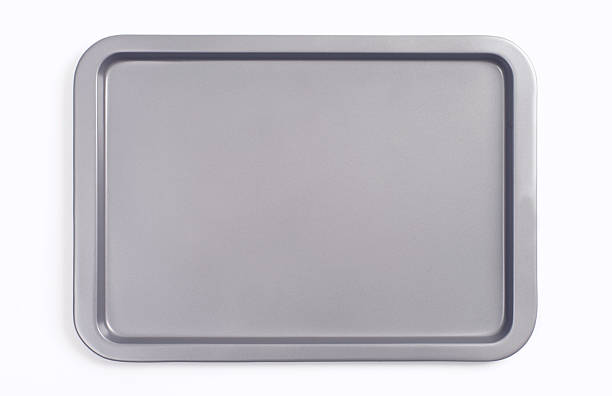
At its core, an 18×26 baking sheet, also known as a full-size sheet pan or bun pan, is a large, rectangular metal pan designed for high-volume cooking and baking. The “18×26” refers to its approximate dimensions in inches, typically with a depth of about 1 inch. These substantial dimensions mean it’s built to accommodate large batches of cookies, an entire sheet cake, multiple roasted vegetables, or numerous bread rolls all at once. It’s an indispensable tool in any commercial kitchen, from bakeries and restaurants to catering services, where consistent quality and efficient production are paramount.
Materials Matter: Unpacking the Aluminum Advantage
The vast majority of 18×26 baking sheets are crafted from aluminum, and for good reason. Aluminum is celebrated in the culinary world for its exceptional thermal conductivity. This means it heats up quickly and, crucially, distributes heat remarkably evenly across its entire surface. This even heat distribution prevents frustrating hot spots that can lead to unevenly baked goods—think perfectly golden cookies from edge to edge, rather than burnt corners and raw centers. This superior heat transfer also allows for quick cooling, helping to stop the cooking process once removed from the oven and preserving the desired texture of your baked goods.
Understanding Gauge: Thicker is Often Better
When selecting an 18×26 baking sheet, you’ll often encounter terms like “16-gauge,” “18-gauge,” or “19-gauge” aluminum. What do these numbers signify? Gauge refers to the thickness of the metal; counterintuitively, a lower gauge number indicates a thicker pan. For instance, a 16-gauge sheet pan is thicker and more robust than an 18-gauge or 19-gauge pan.
Thicker gauges offer several significant advantages:
- Superior Durability: They are more resistant to dents and dings, standing up better to the rigors of a busy kitchen.
- Enhanced Warp Resistance: Thicker pans are less likely to warp under high heat, ensuring a consistently flat baking surface over time. This is often further bolstered by reinforced rolled edges, sometimes with an embedded galvanized steel wire, which adds structural integrity.
- Even Browning: A thicker pan provides more stable heat transfer, contributing to more consistent and even browning.
While a 19-gauge pan is still a solid performer, opting for an 18-gauge or even a 16-gauge can be a worthwhile investment for those seeking maximum longevity and performance. As Chef Antoine Dubois, a renowned pastry chef, often says, “A good quality sheet pan is like a chef’s reliable assistant—it performs flawlessly, day in and day out, without complaint.”
To Non-Stick or Not to Non-Stick?
Some 18×26 baking sheets come with a non-stick coating, which can be a double-edged sword.
Pros of Non-Stick:
- Easy Release: Food slides off effortlessly, making cleanup a breeze.
- Less Oil/Fat: Requires minimal to no oil or parchment paper for many applications.
Cons of Non-Stick:
- Durability: Non-stick coatings can scratch or degrade over time, especially with metal utensils or harsh scrubbing.
- Temperature Limits: Some coatings have lower maximum temperature ratings than bare aluminum.
- Hand Wash Only: Often requires gentle hand washing to preserve the coating.
For many professional applications, a natural aluminum pan paired with parchment paper or silicone baking mats offers the best of both worlds: excellent heat transfer from the aluminum and easy release/cleanup from the liner, while preserving the pan itself.
Why Choose an 18×26 Baking Sheet? Beyond Just Size
The advantages of this full-size pan extend far beyond its impressive dimensions.
Unparalleled Even Heat Distribution
Thanks to its aluminum construction, an 18×26 baking sheet ensures your culinary creations cook uniformly, eliminating frustrating hot spots and guaranteeing consistent results every single time. This is critical for delicate pastries, where uneven cooking can compromise texture and appearance.
Built to Last: Durability and Warp Resistance
These pans are not flimsy. Designed for demanding commercial environments, their reinforced rolled edges and robust gauge aluminum construction are engineered to resist warping, even when exposed to high oven temperatures repeatedly. This durability translates to a long lifespan, making them a cost-effective investment for any busy kitchen.
Incredible Versatility in Application
Don’t let the name “baking sheet” fool you. An 18×26 pan is a true multitasker. It’s perfect for baking large batches of cookies, pastries, and sheet cakes, but its utility doesn’t stop there. It excels at roasting vegetables and meats, offering ample space for even caramelization. You can use it for broiling, toasting nuts, proofing dough, or even as a sturdy base for cooling racks. The possibilities are vast!
Maximizing Efficiency for Large Batches
The sheer size of an 18×26 baking sheet allows you to cook more food simultaneously, drastically cutting down on baking time and energy consumption compared to using multiple smaller pans. This efficiency is invaluable in commercial settings where time is money, or for home bakers tackling holiday feasts or meal prepping for the week.
Is an 18×26 Baking Sheet Right for Your Kitchen? (Home vs. Commercial)
This is a critical question. While the 18×26 baking sheet is a powerhouse, it’s essential to understand its primary design.
For Commercial Kitchens: Absolutely! It’s the industry standard for full-size commercial ovens, offering optimal space utilization and efficiency.
For Home Kitchens: This is where caution is needed. A standard 18×26 baking sheet is generally too large to fit in most residential ovens. Residential ovens typically accommodate half-sheet pans (13×18 inches) or quarter-sheet pans (9×13 inches). If you have a professional-grade, oversized oven at home, measure carefully before purchasing. Otherwise, you’ll find yourself with a beautiful but unusable pan.
Alternatives for Home Bakers: If you’re looking for large capacity but have a standard home oven, consider a “large” or “jumbo” cookie sheet that fits your specific oven, or work with multiple half-sheet pans. You might not get the full 18×26 surface, but you’ll avoid the disappointment of a pan that doesn’t fit.
Mastering Your 18×26 Baking Sheet: Tips for Optimal Use
Once you have your 18×26 baking sheet, knowing how to use it effectively will make all the difference.
How do I prepare my 18×26 baking sheet for baking?
To ensure easy release and simplified cleanup, always line your 18×26 baking sheet. Parchment paper is a fantastic option for most baking tasks, preventing sticking and allowing for quick transfer of finished goods. For a reusable and eco-friendly alternative, silicone baking mats are also excellent, providing a non-stick surface and protecting your pan.
How do I prevent overcrowding on my baking sheet?
While an 18×26 pan offers ample space, it’s still important to avoid overcrowding. Giving items sufficient room to breathe allows for proper air circulation, which promotes even baking and browning. If you’re baking cookies, leave a couple of inches between each one. For roasted vegetables, spread them in a single layer to ensure they caramelize rather than steam.
How can I ensure even heat distribution in a large oven?
Even with a high-quality aluminum pan, oven hotspots can still be an issue in larger commercial ovens. To combat this, rotate your baking sheet halfway through the cooking time. This simple step helps expose all parts of the pan to consistent heat, ensuring uniform baking across a full load.
Can I use my 18×26 baking sheet for tasks other than baking?
Absolutely! Your 18×26 baking sheet is incredibly versatile. It makes an excellent tray for catching drips when roasting a large turkey or chicken on a rack. It can also serve as a convenient surface for cooling large quantities of baked goods, or even for organizing ingredients during meal prep.
Cleaning and Care: Keeping Your Commercial Sheet Pan Pristine
Proper care extends the life of your 18×26 baking sheet and ensures it continues to perform optimally.
What’s the best way to clean an 18×26 aluminum baking sheet?
For most aluminum 18×26 baking sheets, hand washing is highly recommended. Use warm, soapy water and a non-abrasive sponge or cloth. For stubborn baked-on bits, a paste of baking soda and a little water can work wonders, allowing it to sit for a few minutes before scrubbing gently.
Can I put my aluminum baking sheet in the dishwasher?
Generally, it’s best to avoid putting aluminum baking sheets in the dishwasher. The harsh detergents and high heat in dishwashers can cause aluminum to oxidize, leading to discoloration (darkening or dulling) and potentially leaving a chalky residue. For non-stick pans, dishwashers can degrade the coating prematurely.
Why is it important to dry my baking sheet thoroughly?
After washing, always dry your baking sheet thoroughly with a towel or allow it to air dry completely. Leaving water on aluminum can lead to water spots or, over time, even minor corrosion.
How should I store my large baking sheets?
Due to their size, stackability is a key feature for 18×26 baking sheets. Stack them neatly in a dry cabinet or on a pan rack to save space and keep them protected from scratches or damage.
Common Misconceptions and How to Avoid Them
Even seasoned bakers can fall prey to common pitfalls when it comes to these large pans.
“An 18×26 baking sheet will fit in my home oven.”
This is the most frequent misconception. Always measure your oven’s interior before purchasing. Most residential ovens are simply not wide or deep enough to accommodate these full-size commercial pans. Save yourself the hassle by double-checking dimensions.
Ignoring the importance of gauge.
Don’t just grab any 18×26 pan. Understanding that a lower gauge means a thicker, more durable, and warp-resistant pan will help you make a smarter investment that lasts longer and performs better.
Assuming all baking sheets are dishwasher safe.
As discussed, many aluminum and non-stick pans are hand-wash only. Always check the manufacturer’s recommendations to avoid damaging your pan and shortening its lifespan.
Conclusion
The 18×26 baking sheet stands as a cornerstone in the world of high-volume baking and roasting. Its generous dimensions, robust aluminum construction, and exceptional heat conductivity make it an indispensable tool for achieving consistent, professional-grade results. While primarily designed for commercial ovens, understanding its features, proper usage, and care will empower any ambitious baker to make informed choices. Embrace the power of the 18×26 baking sheet, and you’ll find yourself producing larger batches, with greater ease and more perfect bakes than ever before. It’s truly a secret weapon for anyone passionate about creating culinary masterpieces on a grand scale.