In the vast and exciting world of baking and roasting, few tools are as fundamental yet often overlooked as the humble baking sheet. While many home cooks are familiar with half and quarter sheet pans, there’s a powerhouse rising in popularity that savvy chefs and home bakers alike are turning to: the 3/4 baking sheet. This unsung hero offers a sweet spot between capacity and convenience, promising to transform your kitchen efficiency and the quality of your culinary creations.
Understanding the Baking Sheet Landscape
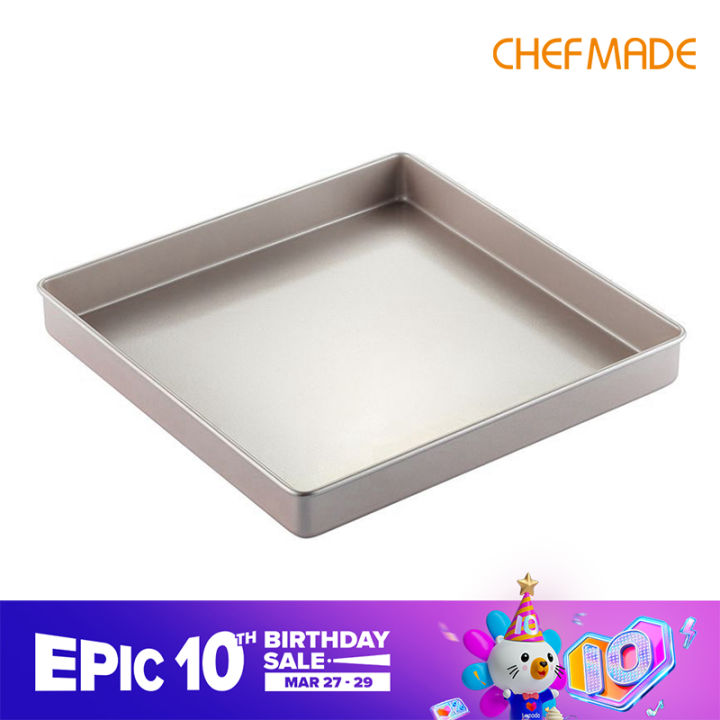
Baking sheets, often interchangeably called sheet pans, bun pans, or rimmed baking sheets, are flat, rectangular metal pans designed for a multitude of cooking tasks in the oven. Their utility ranges from baking delicate cookies and flaky pastries to roasting hearty vegetables and succulent meats. Historically, these essential pieces of bakeware have been a staple in commercial kitchens, where efficiency and volume are paramount.
The sizing of baking sheets can sometimes feel like a puzzle, but it’s rooted in commercial standards. A “full-size” sheet pan typically measures a hefty 18 by 26 inches, a behemoth rarely seen in home ovens due to its immense size. From this commercial standard, other sizes are derived:
- Half Sheet Pan: At approximately 13 x 18 inches, this is the most common and versatile size for home kitchens, fitting comfortably into most standard residential ovens.
- Quarter Sheet Pan: Roughly 9 x 13 inches, these smaller pans are perfect for single servings, toaster ovens, or organizing ingredients.
- Jelly Roll Pan: Often around 10 x 15 inches, slightly smaller than a half sheet, specifically designed for thin cakes that are rolled.
The 3/4 Baking Sheet: A Detailed Look
Amidst these common sizes, the 3/4 baking sheet emerges as a fantastic solution for those needing more surface area than a half sheet without venturing into professional-grade full-sheet territory.
What Exactly is a 3/4 Baking Sheet?
A 3/4 baking sheet, sometimes referred to as a two-thirds sheet pan, generally measures between 21 x 15 inches to 22 x 16 inches (with common precise dimensions like 21-13/16 x 15-13/16 inches). This size is notably larger than a standard half sheet pan and typically features a 1-inch rim around all four sides, essential for containing liquids and preventing food from sliding off. While “2/3” and “3/4” can sometimes be used with slight variations in exact measurements depending on the manufacturer, the intent is always to provide a substantial pan that bridges the gap between half and full sizes. Always check the exact dimensions to ensure it fits your specific oven.
Why Choose a 3/4 Size Baking Sheet?
The advantages of integrating a 3/4 baking sheet into your bakeware collection are numerous, particularly for those who frequently cook or bake for families, entertain guests, or simply appreciate having ample space.
- Increased Capacity: This is the most immediate benefit. A 3/4 baking sheet offers significantly more surface area than a half sheet, allowing you to roast larger quantities of vegetables, bake more cookies in a single batch, or prepare a more expansive sheet cake. This means fewer batches and more time saved.
- Optimal for Larger Home Ovens: While a full sheet is often too big, many modern home ovens, especially 30-inch models, can comfortably accommodate a 3/4 baking sheet. It maximizes the usable space in your oven, making your cooking process more efficient without requiring a commercial setup.
- Enhanced Versatility: Beyond its size, a 3/4 baking sheet is incredibly versatile. It’s perfect for expansive sheet pan dinners where you want all components to cook evenly in a single layer. From crispy roasted potatoes and sheet pan chicken to large batches of granola or perfectly golden-brown pastries, the extra space allows for better airflow and more consistent results.
- Professional-Grade Performance: Many 3/4 baking sheets are constructed with the same robust materials and design principles as their commercial counterparts, offering superior durability and heat performance compared to thinner, consumer-grade options.
Materials and Construction
The quality of a 3/4 baking sheet largely depends on its material and construction. Most high-quality sheets are made from:
- Aluminum: This is the industry standard for a good reason. Aluminum is an excellent conductor of heat, ensuring even distribution across the entire surface. This prevents hot spots and promotes consistent browning, which is crucial for perfect cookies, uniformly roasted vegetables, and beautifully baked cakes. Look for 18-gauge aluminum for optimal strength and warp resistance.
- Aluminized Steel: Some premium pans combine an aluminum surface with a steel core, offering the conductive benefits of aluminum alongside the rigidity and strength of steel.
- Wire-Reinforced Rims: A crucial construction detail is a wire-reinforced rim. This adds structural integrity to the pan, helping it resist warping and buckling, especially at high temperatures. It also makes the pan easier and safer to handle, even when loaded.
- Non-stick Coatings: While convenient for easy release and cleanup, non-stick surfaces can sometimes limit the maximum temperature a pan can withstand and tend to have a shorter lifespan. For robust roasting and high-heat baking, many professionals prefer uncoated aluminum pans, relying on parchment paper or silicone baking mats for non-stick functionality.
Choosing the Right 3/4 Baking Sheet for Your Needs
Selecting the perfect 3/4 baking sheet involves a few considerations to ensure it meets your specific culinary demands and fits seamlessly into your kitchen.
1. Gauge Your Oven Size
Before anything else, measure the interior of your oven. A good rule of thumb is to allow at least 2 inches of clearance on all sides of the baking sheet for proper heat circulation. While many 30-inch standard home ovens can accommodate a 3/4 baking sheet, exact internal dimensions vary, so measure twice to avoid disappointment.
2. Consider Your Cooking Habits and Volume
Do you often find yourself wishing you had more space when roasting vegetables for a family dinner? Are you a prolific cookie baker who tires of multiple small batches? If your cooking routine frequently demands more surface area than a half sheet can offer, then a 3/4 baking sheet is a wise investment. It excels in scenarios requiring batch cooking or large-scale preparations.
3. Material Preference
For superior heat conduction and durability, uncoated 18-gauge aluminum with wire-reinforced rims is highly recommended for your 3/4 baking sheet. If easy release is a top priority and you mostly bake at moderate temperatures, a high-quality non-stick option might be considered, though it comes with the caveats mentioned earlier.
4. Durability Features
Prioritize pans with reinforced edges and a sturdy gauge (like 18-gauge or even heavier) to ensure longevity and resistance to warping. A well-constructed 3/4 baking sheet will be a workhorse in your kitchen for years to come.
Mastering Your 3/4 Baking Sheet: Tips for Optimal Results
Once you have your magnificent 3/4 baking sheet, knowing how to use it effectively will unlock its full potential.
- Preheat Thoroughly: Always preheat your oven with the baking sheet inside (if the recipe allows) or ensure your oven and pan are at the desired temperature before adding food. This helps achieve better searing and more even cooking.
- Line It Up: For easy cleanup and to prevent sticking, always line your 3/4 baking sheet with parchment paper or a silicone baking mat. This is especially true for uncoated aluminum pans and extends the life of non-stick coatings.
- Avoid Overcrowding: While the 3/4 size offers ample space, resist the urge to pile food too high. Overcrowding leads to steaming instead of roasting or baking, resulting in soggy rather than crispy or golden results. Give your food room to breathe.
- Adjust for Darker Pans: If you opt for a darker-colored non-stick 3/4 baking sheet, you might need to reduce the oven temperature by 25°F (about 15°C) from what a recipe calls for, as darker surfaces absorb more heat and can lead to faster browning or even burning.
- Rotate for Uniformity: Even with excellent heat distribution, rotating your 3/4 baking sheet halfway through the cooking time can help ensure perfectly uniform results, especially in ovens with slight temperature variations.
Care and Maintenance for Longevity
Proper care will ensure your 3/4 baking sheet remains a cherished tool for years.
- Hand Wash is Best: Although some non-stick pans might claim to be dishwasher safe, hand washing with warm, soapy water is always recommended. Harsh dishwasher detergents can degrade non-stick coatings and cause discoloration or dulling of aluminum.
- Avoid Abrasive Scrubbers: Use a soft sponge or cloth to clean. For stubborn stuck-on bits, soak the pan in warm, soapy water for a while before gently scrubbing.
- Dry Thoroughly: To prevent water spots and potential corrosion, especially with aluminum, ensure your 3/4 baking sheet is completely dry before storing it.
- Store Properly: Stack pans with a layer of parchment paper or a thin cloth between them to prevent scratches.
Beyond the Basics: Creative Uses and Recipes with a 3/4 Baking Sheet
The generous size of a 3/4 baking sheet opens up a world of culinary possibilities. Here are just a few ideas:
- Family-Sized Sheet Pan Dinners: Roast a whole chicken or a larger cut of meat alongside an array of vegetables – potatoes, carrots, broccoli, bell peppers – all on one pan for a convenient and delicious meal.
- Batch Baking Extravaganza: Bake an impressive quantity of cookies, scones, or pastries at once, perfect for parties, meal prep, or simply stocking up your freezer.
- Large Sheet Cakes: Create a beautifully proportioned sheet cake that feeds a crowd, ideal for celebrations or potlucks. The 1-inch rim is perfect for this.
- Homemade Granola: Spread a large batch of homemade granola evenly for consistent toasting, resulting in perfectly crunchy clusters.
- Prepping and Organizing: Beyond baking, use your clean 3/4 baking sheet as a large prep surface for chopping vegetables or as a temporary holding area when organizing ingredients for a complex recipe. It’s also excellent for chilling larger quantities of dough or pre-portioned items before freezing.
“A 3/4 baking sheet isn’t just a bigger pan; it’s an investment in efficiency and culinary versatility,” advises Chef Eleanor Vance, a renowned culinary educator and bakeware specialist. “It allows you to cook smarter, not harder, expanding the possibilities of what you can achieve in your oven with remarkable consistency.”
Conclusion
The 3/4 baking sheet is more than just another piece of bakeware; it’s a strategic asset for any serious baker or cook. Its generous dimensions, robust construction, and ability to fit comfortably in many home ovens make it an incredibly efficient and versatile tool. By understanding its unique advantages and applying proper usage and care techniques, you’ll unlock a new level of culinary excellence, enjoying perfectly baked goods and expertly roasted dishes with ease. So, embrace the power of the 3/4 baking sheet and watch your baking and roasting endeavors reach new heights.