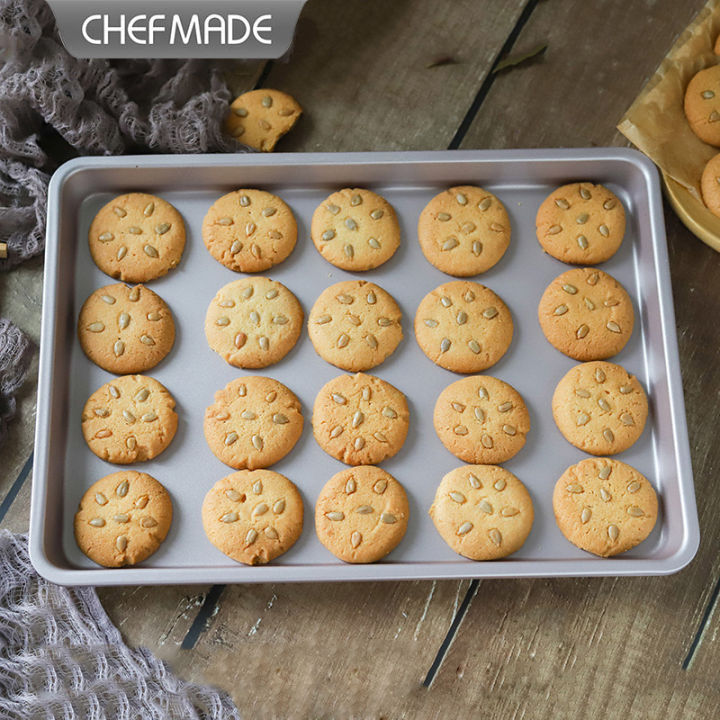
 Every home chef and baking enthusiast knows the feeling: standing in front of a dizzying array of kitchen tools, wondering which one truly deserves a spot in your coveted cabinet space. If there’s one item that consistently proves its worth, it’s the humble yet mighty 9×13 baking sheet. This isn’t just a piece of metal; it’s a culinary canvas, an indispensable workhorse that can transform your cooking and baking adventures. Whether you’re a seasoned pro or just starting your journey, understanding the core value and immense potential of a good 9×13 baking sheet is key to unlocking a world of delicious possibilities.
Understanding the 9×13 Baking Sheet
At its heart, a baking sheet is a flat, rectangular metal pan designed for baking, roasting, and heating food in an oven. While many sizes exist, the 9×13 baking sheet holds a special place. Often referred to as a “quarter sheet pan” in professional kitchens due to its size being roughly one-quarter of a full commercial sheet pan, or sometimes a “jelly roll pan” because of its perfect dimensions for thin cakes designed to be rolled, its specific measurements make it incredibly versatile for everyday home use. This standard size is perfect for fitting into most home ovens, including many smaller counter-top models, making it a universal tool for countless recipes.
Historically, baking sheets have evolved from simple flat stones or ceramic slabs used over open fires to the refined metal pans we know today. The 9×13 baking sheet’s consistent dimensions reflect centuries of culinary tradition and practical design, proving that some things are simply perfect as they are.
Why the 9×13 Baking Sheet is a Must-Have
What makes the 9×13 baking sheet so indispensable? Its magic lies in its adaptability. This pan isn’t just for baking; it’s a master of many trades, making it an essential piece of bakeware for any kitchen.
- Unrivaled Versatility: From roasting a single chicken breast with a medley of vegetables to baking a batch of gooey brownies or perfectly crisp sheet pan cookies, the 9×13 baking sheet handles it all. It’s perfect for toasting nuts, baking crescent rolls, or even reheating leftovers.
- Ideal for Smaller Portions: For individuals, couples, or small families, this size is a game-changer. You can prepare smaller meals without dirtying a larger pan, making portion control and meal prep a breeze.
- Space-Saving Solution: Its compact footprint means it fits comfortably in smaller ovens, apartment kitchens, and often even toaster ovens, expanding your cooking capabilities without requiring vast storage space.
“The 9×13 baking sheet is the Swiss Army knife of the kitchen,” notes Eleanor Vance, a renowned culinary instructor and author of ‘The Baker’s Best Friend.’ “It’s small enough not to overwhelm, yet large enough to tackle a surprising array of dishes. If you have only one baking sheet, make it this one.”
Types of 9×13 Baking Sheets: A Deep Dive
When it comes to the 9×13 baking sheet, the material it’s made from significantly impacts its performance. Understanding these differences will help you choose the best pan for your culinary endeavors.
Materials
- Aluminum: This is perhaps the most common material for baking sheets, and for good reason. Aluminum is an excellent heat conductor, distributing heat quickly and evenly across the surface. This prevents hot spots and promotes consistent baking. Look for thicker gauge aluminum to prevent warping at high temperatures.
- Pros: Excellent heat conductivity, lightweight, rust-resistant.
- Cons: Can warp if too thin, reactive to acidic foods (though usually not an issue with modern anodized aluminum).
- Stainless Steel: Known for its durability and resistance to corrosion, stainless steel pans are robust and can withstand heavy use. However, they are not as efficient at conducting heat as aluminum, which can sometimes lead to less even baking.
- Pros: Extremely durable, scratch-resistant, non-reactive.
- Cons: Heats less evenly, often more expensive, can sometimes cause food to stick more easily.
- Non-stick (Coated): Many 9×13 baking sheets come with a non-stick coating, usually a PTFE-based material. These coatings make food release effortless and cleaning a breeze. When choosing, prioritize PFOA-free coatings for health safety.
- Pros: Easy food release, quick cleanup.
- Cons: Coatings can degrade over time, scratch easily, and may not withstand very high temperatures.
- Silicone: While less common for traditional sheet pans, silicone baking mats are often used on 9×13 baking sheets. Full silicone pans exist but offer a different baking experience due to their flexibility and insulating properties.
- Pros: Naturally non-stick, flexible, durable.
- Cons: Less rigid support for some dishes, can be difficult to handle when full.
Features to Consider
- Rimmed vs. Rimless: A 9×13 baking sheet typically has a raised rim around all four edges. This is crucial for containing liquids, preventing cookies from sliding off, and safely handling ingredients. Rimless sheets are rare in this size and generally used for specific cookie types that need to slide off easily.
- Dark vs. Light Finish: Light-colored pans reflect heat, resulting in a lighter, more even bake and less browning. Darker pans absorb more heat, leading to crispier, darker, and sometimes faster browning. Choose based on your preference and adjust baking times/temperatures accordingly.
How to Choose the Perfect 9×13 Baking Sheet for Your Needs
Selecting the right 9×13 baking sheet involves considering how you’ll primarily use it.
- For Delicate Baking (Cookies, Cakes): A light-colored, thicker aluminum 9×13 baking sheet is often best for even browning and preventing over-darkening. A non-stick coating can be a plus, but parchment paper or a silicone mat works wonders on any surface.
- For Roasting (Vegetables, Meats): A sturdy aluminum or stainless steel 9×13 baking sheet will stand up to higher temperatures. For crispy results, a darker pan might be preferred, but keep an eye on cooking times.
- Durability and Gauge: Always opt for a heavier gauge metal. Thin pans are prone to warping in the oven, leading to uneven cooking. A good quality 9×13 baking sheet feels substantial.
- Budget vs. Investment: While you can find inexpensive 9×13 baking sheets, investing a bit more in a heavier gauge, quality material will pay off in longevity and performance.
Mastering Your 9×13 Baking Sheet: Tips for Optimal Results
Getting the most out of your 9×13 baking sheet is about more than just tossing food onto it. A few simple techniques can elevate your results.
- Preheating is Key: For roasting vegetables or crisping ingredients, place your 9×13 baking sheet in the oven while it preheats. A hot pan immediately sears food, creating a better texture.
- Line It Up: Always line your 9×13 baking sheet with parchment paper or a silicone baking mat. This not only makes cleanup incredibly easy but also promotes even baking and prevents sticking, especially with delicate items like cookies or pastries.
- Don’t Overcrowd: This is perhaps the most common mistake. Overcrowding your 9×13 baking sheet traps steam, causing food to steam rather than roast or crisp. Ensure enough space around each item for proper air circulation. If you have a large amount of food, use two 9×13 baking sheets or bake in batches.
- Even Heat Distribution: Rotate your 9×13 baking sheet halfway through cooking to ensure all sides get exposed to consistent oven heat, especially if your oven has hot spots.
- Prevent Warping: While thicker pans resist warping better, avoiding sudden temperature changes (like running a hot pan under cold water) can help extend the life of any 9×13 baking sheet.
Cleaning and Maintaining Your 9×13 Baking Sheet
A well-maintained 9×13 baking sheet will serve you faithfully for years. Proper care is straightforward but crucial.
- Immediate Cleanup: Wash your 9×13 baking sheet as soon as it’s cool enough to handle. Food residue is much easier to remove before it dries and hardens.
- Hand Wash for Longevity: While some non-stick pans claim to be dishwasher safe, hand washing with warm, soapy water and a soft sponge is always recommended to preserve the finish and extend the pan’s life. Harsh dishwasher detergents can be abrasive.
- Tackling Stubborn Stains: For baked-on grime on aluminum or stainless steel 9×13 baking sheets, create a paste with baking soda and a little water. Spread it over the stained areas, let it sit for 15-30 minutes, then scrub gently with a non-abrasive scrubber. For extra power, add a splash of white vinegar to the baking soda paste.
- Storage Tips: Store your 9×13 baking sheets flat or vertically in a pan organizer to prevent scratching, especially if they are non-stick.
Common Mistakes to Avoid with Your 9×13 Baking Sheet
Even with the best intentions, it’s easy to fall into common traps when using your 9×13 baking sheet.
- Overcrowding: As mentioned, this leads to soggy food. Always give your food room to breathe and crisp up.
- Using Metal Utensils on Non-stick Surfaces: This is a surefire way to scratch and ruin your non-stick coating. Opt for silicone, wood, or plastic utensils.
- Ignoring Temperature Ratings: Not all non-stick coatings are designed for extremely high oven temperatures. Always check the manufacturer’s recommendations.
- Improper Cleaning: Leaving burnt-on residue will affect the performance and appearance of your 9×13 baking sheet over time.
Inspiring Culinary Creations: Recipes and Ideas for Your 9×13 Baking Sheet
The 9×13 baking sheet is a launchpad for culinary creativity. Here are just a few ideas:
- Sheet Pan Dinners: Toss chicken pieces, sausage, or firm tofu with chopped vegetables (broccoli, bell peppers, potatoes) and your favorite seasonings. Roast on your 9×13 baking sheet for a complete, easy meal.
- Bar Cookies and Brownies: This pan size is perfect for baking classic brownies, blondies, or any type of bar cookie.
- Roasted Vegetables: From root vegetables like carrots and parsnips to delicate asparagus or cherry tomatoes, roasting on a 9×13 baking sheet brings out their natural sweetness and creates beautiful caramelization.
- Jelly Rolls and Cake Rolls: True to its alternative name, this pan is ideal for baking thin sponge cakes that can be filled and rolled into impressive desserts.
- Toasting Nuts and Granola: Spread nuts, seeds, or homemade granola mix in a single layer for even toasting, enhancing their flavor and aroma.
Frequently Asked Questions
Is a 9×13 baking sheet the same as a quarter sheet?
Yes, in many culinary contexts, particularly professional ones, a 9×13 baking sheet is commonly referred to as a quarter sheet pan. This is because its dimensions are approximately one-quarter the size of a standard full-size commercial sheet pan.
Can I use a 9×13 baking sheet for a jelly roll?
Absolutely! The 9×13 baking sheet is often called a “jelly roll pan” specifically because its dimensions are perfect for baking the thin, flexible cake layers needed for making delicious rolled cakes like jelly rolls or Swiss rolls.
What’s the best material for a 9×13 baking sheet?
For most home bakers, a heavy-gauge aluminum 9×13 baking sheet is often considered the best choice due to its excellent heat conductivity and even baking performance. If you prioritize durability and don’t mind slightly less even heating, stainless steel is a strong contender.
How do I prevent food from sticking to my 9×13 baking sheet?
The best way to prevent food from sticking is to always line your 9×13 baking sheet. Use parchment paper or a silicone baking mat for consistent non-stick results, regardless of the pan’s material or coating. A light spray of cooking oil can also help.
How do I remove burnt-on food from my 9×13 baking sheet?
For stubborn burnt-on food, especially on aluminum or stainless steel 9×13 baking sheets, make a paste with baking soda and a little water. Apply it to the burnt areas and let it sit for at least 15-30 minutes, or even overnight, before scrubbing with a non-abrasive sponge.
Conclusion
The 9×13 baking sheet is more than just a kitchen tool; it’s a testament to practical design and culinary versatility. It simplifies cooking, encourages creativity, and consistently delivers delicious results, making it truly a foundational piece of bakeware for every home. By understanding its materials, features, and best practices, you can maximize its potential, ensuring it remains your reliable companion for countless meals and treats. So, embrace the power of this compact hero, experiment with new recipes, and let your 9×13 baking sheet elevate your passion for cooking and baking.