Every home chef knows that a truly versatile kitchen relies on a few fundamental tools, and among them, the humble oven baking sheet stands supreme. More than just a flat piece of metal, this kitchen workhorse is the unsung hero behind countless culinary successes, from golden-brown cookies to perfectly roasted vegetables and hearty sheet pan dinners. But with so many options out there, how do you choose the right one, and more importantly, how do you make it work magic in your oven? Let’s dive deep into the world of oven baking sheets and empower you to make smarter choices for your baking and roasting adventures.
|
Our Picks for the Best Baking Sheet in 2026
As an Amazon Associate I earn from qualifying purchases.
|
||
| Num | Product | Action |
|---|---|---|
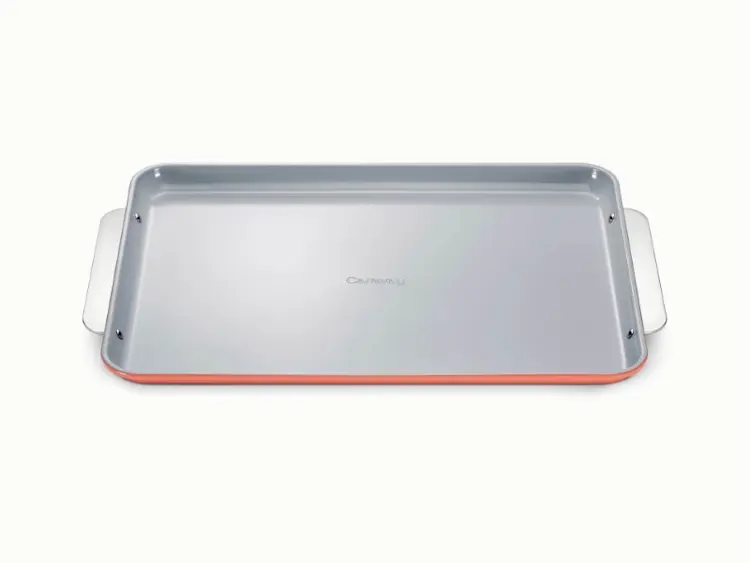
| 1 | Caraway Non-Stick Ceramic Large Baking Sheet Duo - Naturally Slick Ceramic Coating - Non-Toxic, PTFE & PFOA Free - Perfect for Baking, Roasting, and More - Large (18\" x 13\") - White |

|
| 2 | GoodCook Everyday Nonstick Carbon Steel Baking Sheet Set, 3 Pack – Small 13” x 9”, Medium 15” x 10”, Large 17” x 11” – Carbon Steel Cooking Pans, Cookie Sheet Bakeware Set |
|
| 3 | Caraway Non-Stick Ceramic Medium Baking Sheet - Naturally Slick Ceramic Coating - Non-Toxic, PTFE & PFOA Free - Perfect for Baking, Roasting, and More - Medium (15\" x 10\") - Gray |
|
| 4 | NutriChef 3-Piece Nonstick Kitchen Oven Baking Pans - Premium & Stylish Non-Stick Steel, Commercial Grade Restaurant Quality Metal Bakeware with Red Silicone Handles - Easy to Clean, NCSBS3S |
|
| 5 | Amazon Basics Ceramic Nonstick Baking Sheets & Cooling Rack Set, Non-Toxic, Half Sheet Size, 2-Pack, Gray |
|
| 6 | Caraway Non-Stick Ceramic Baking Sheet Duo - Naturally Slick Ceramic Coating - Non-Toxic, PTFE & PFOA Free - 18 x 13\" Large & 15 x 10\" Medium - Slate |
|
| 7 | BRONYPRO Non Stick Ceramic Baking Sheet Pan Set of 3, Non Toxic Cookie Sheets (PFOA/PTFE Free), Aluminized Steel Oven Trays with Silicone Handles, Rust-Resistant, Warp-Resistant to 500°F, Light Gray |
|
| 8 | GoodCook Everyday Nonstick Carbon Steel Baking Sheet Set, 3 Pack – Small 13” x 9”, Medium 15” x 10”, Large 17” x 11” – Carbon Steel Cooking Pans, Cookie Sheet Bakeware Set |
|
| 9 | HONGBAKE Baking Sheet Pan Set of 3, Cookie Sheets for Oven, Nonstick Half/Quarter/Jelly Roll Pans with Diamond Texture Pattern, 0.8mm Thick Heavy Duty Cookie Tray, Champagne Gold |
|
| 10 | Commercial Quality Baking Sheet Pan Set, Natural Aluminum Cookie Sheet, Umite Chef Warp Resistant Baker\'s Half Sheet Pan, Large Thick Cookie Tray Pans for Baking, Roasting(2 Pack, 18X13In) |
|
What is an Oven Baking Sheet? More Than Just a Flat Pan
At its core, an oven baking sheet (often interchangeably called a sheet pan) is a flat, rectangular metal pan characterized by its distinct raised edges, typically ranging from a half-inch to an inch high, on all four sides. These rims are crucial, as they effectively contain liquids, oils, and smaller food items, preventing them from spilling into your oven. This design makes the baking sheet incredibly versatile, suitable for everything from baking delicate pastries to roasting juicy meats or vibrant vegetables.
Baking Sheet vs. Cookie Sheet: Knowing the Difference
While often used synonymously, there’s a key distinction between a baking sheet and a traditional cookie sheet. A true cookie sheet typically has either one slightly raised lip for easy gripping or no edges at all. This design promotes maximum air circulation around your cookies, leading to more even baking and quicker cooling, and allows for effortlessly sliding baked goods off the pan. However, their lack of rims significantly limits their use for anything that produces liquids or small, roll-away ingredients. “Baking sheets, with rimmed edges, are perfect for preventing spills and are versatile enough for roasting vegetables or baking pastries,” explains Chef Anya Sharma, a culinary expert. “Conversely, cookie sheets are rimless, guaranteeing easy cookie removal and even browning, ideal for delicate pastries.”
Decoding Oven Baking Sheet Sizes: Finding Your Perfect Fit
Oven baking sheets come in standardized sizes, though slight variations can occur between manufacturers. Understanding these sizes is crucial for maximizing your oven space and matching the pan to your cooking needs.
- Quarter Sheet (approximately 9.5 x 13 inches): Small but mighty, these are ideal for small batches, individual portions, toasting nuts, or fitting into toaster ovens and smaller ovens. They’re also great for chilling ingredients.
- Half Sheet (approximately 13 x 18 inches): This is the gold standard for home kitchens. The half-sheet pan is perfect for most baking and roasting tasks, from a dozen cookies to a full sheet pan dinner for a family. Most home ovens comfortably accommodate half-sheet pans, making them an indispensable tool for both novice and seasoned home cooks.
- Full Sheet (approximately 18 x 26 inches): These large pans are typically found in commercial bakeries and restaurant kitchens due to their size. They are usually too large for standard home ovens.
Why Size Matters: Proper spacing on your oven baking sheet ensures even cooking and browning. Overcrowding a pan can lead to steamed rather than crisply roasted vegetables and unevenly cooked baked goods.
The Science of Sizzle: Materials and Coatings of Oven Baking Sheets
The material of your oven baking sheet plays a significant role in how your food cooks and browns.
-
Uncoated Aluminum
Aluminum is a popular choice for baking sheets due to its excellent heat conductivity. It heats up quickly and cools down fast, preventing baked goods from overcooking. It’s also typically affordable. However, bare aluminum can react with acidic foods (like tomatoes or lemon), potentially imparting a metallic taste or causing discoloration. It’s best to hand-wash these pans and consider lining them with parchment paper.
-
Aluminized Steel
This material combines the best of both worlds: the durability of steel with an aluminum-silicon alloy coating for superior heat distribution. Aluminized steel pans are known for their strength, resistance to warping under high heat, and often come with a non-stick coating.
-
Stainless Steel
Stainless steel baking sheets are incredibly durable, resistant to rust, and non-reactive, making them a safe choice for all types of foods, including acidic ingredients. They are tough and reliable, designed to last decades. However, stainless steel can sometimes heat less evenly compared to aluminum, requiring careful monitoring.
-
Ceramic/Ceramic Coated/Stoneware
Ceramic and stoneware bakeware are gaining popularity for their even heat distribution, attractive appearance, and non-toxic properties. They can be heavier but are excellent for consistent cooking and keeping food warm.
-
Non-Stick Coatings
Many oven baking sheets feature a non-stick coating, usually made from silicone, which offers easy food release and simplifies cleanup. While convenient, non-stick coatings can degrade over time, especially with high heat or abrasive cleaning, and are prone to scratching.
-
Light vs. Dark Pans
“Understanding your baking sheet’s material is key to unlocking its full potential and ensuring perfect results every time,” states Dr. Ethan Reed, a material scientist specializing in kitchenware. Light-colored baking sheets reflect heat, leading to gentler, more even browning, ideal for cookies and delicate pastries. Darker pans, conversely, absorb more heat, resulting in faster and more intense browning. If using a dark pan, you might need to reduce your oven temperature or baking time slightly to prevent over-browning or burning.
Choosing Your Ideal Oven Baking Sheet: A Baker’s Checklist
Ready to find your perfect partner in the kitchen? Consider these factors:
- Your Baking/Cooking Needs: Are you mostly baking cookies, roasting vegetables, or making full sheet pan dinners? Rimmed baking sheets are the most versatile.
- Oven Size Compatibility: Measure your oven to ensure the pan fits comfortably, allowing for proper air circulation. Half-sheet pans are typically the best fit for most home ovens.
- Material Preference: Prioritize heat conduction (aluminum), durability (aluminized steel, stainless steel), or non-reactivity (stainless steel, ceramic).
- Coating: Decide if you prefer the convenience of non-stick (and are prepared for its specific care) or an uncoated pan that might require lining.
- Budget: High-quality oven baking sheets are an investment, but there are excellent options across various price points.
Mastering the Heat: Expert Tips for Using Your Oven Baking Sheet
Even the best oven baking sheet needs a little know-how to perform at its peak.
- Preheating for Perfection: For roasting vegetables or meats, preheating your baking sheet in the oven along with the oven itself can make a world of difference. This creates an immediate searing effect, leading to beautifully caramelized, crispy exteriors.
- The Art of Lining:
- Parchment Paper: Your best friend for easy release and cleanup, especially for cookies, pastries, and anything prone to sticking. It can generally withstand temperatures up to 450°F (232°C).
- Silicone Baking Mats: A reusable, eco-friendly alternative to parchment paper, offering excellent non-stick properties for cookies and delicate items. They might slightly inhibit browning.
- Aluminum Foil: Useful for high-heat cooking, broiling, and wrapping, and provides easy cleanup. Be cautious with acidic foods, as foil can react.
“The secret to a truly easy cleanup often begins before you even put the pan in the oven, with the right lining,” suggests Sarah Chen, a renowned home economist.
- Space It Out: Preventing Overcrowding: Give your food room to breathe! Overcrowding your oven baking sheet traps steam, leading to soggy results instead of crispy, browned perfection. Cook in batches if necessary.
- Temperature Adjustments for Pan Color: As discussed, dark pans absorb more heat. If your recipe calls for a specific temperature and you’re using a dark-colored pan, consider lowering the oven temperature by 25°F (15°C) or reducing the baking time by a few minutes to prevent over-browning.
Preserving Your Pan: Cleaning and Caring for Your Oven Baking Sheet
Keeping your oven baking sheets clean isn’t just about aesthetics; it’s vital for food safety, consistent cooking performance, and extending the lifespan of your bakeware.
- Hand-Washing vs. Dishwasher: For optimal results and longevity, hand-washing with warm, soapy water is generally recommended, especially for aluminum and non-stick pans, as harsh dishwasher detergents can degrade coatings and cause discoloration.
- Cool Down Completely: Always allow a hot pan to cool completely before washing it. Submerging a hot pan in cold water can cause it to warp permanently.
- DIY Cleaning Methods for Stubborn Stains:
- Baking Soda & Vinegar: Sprinkle baking soda, then spray with white vinegar. Let it fizz and sit for 15-30 minutes (or longer for tough stains), then scrub with a non-abrasive sponge.
- Baking Soda & Hydrogen Peroxide: Mix ½ cup baking soda with 2-3 tablespoons of hydrogen peroxide to form a paste. Spread it on the stains, let it sit for 2-3 hours, then scrub and rinse.
- Cream of Tartar: Mix cream of tartar with a small amount of water to create a paste, spread it on the surface, let it sit, then scrub and rinse.
- Aluminum Foil (for uncoated pans only!): Crumple a piece of foil, apply dish soap to the pan, and use the foil as a scrubber.
- Drying and Storage Tips: Thoroughly dry your baking sheets immediately after washing to prevent water spots, rust, or discoloration. When stacking, place a paper towel or thin cloth between pans to prevent scratches and preserve non-stick coatings.
Baking Sheet Blunders: Common Mistakes and How to Fix Them
- Using the Wrong Type/Size: Using a cookie sheet for roasting will lead to spills. Using a pan that’s too small for the food will lead to overcrowding.
- Fix: Match the pan to the task and ensure it fits your oven.
- Overcrowding the Pan: This is a common culprit for soggy roasted items.
- Fix: Give ingredients ample space; use two pans if necessary.
- Improper Cleaning/Storage: Abrasive scrubbing on non-stick surfaces or stacking pans without protection can shorten their lifespan.
- Fix: Follow care instructions for your specific pan material, and store properly.
- Not Preheating (for roasting): Cold pans lead to uneven cooking and less browning.
- Fix: Always preheat your oven baking sheet for roasted dishes.
Beyond the Basics: Creative Ideas with Your Oven Baking Sheet
Your oven baking sheet is a culinary playground!
- Quick Sheet Pan Dinners: Roast an entire meal—protein (chicken, fish, sausage) and vegetables—on a single pan for minimal cleanup and maximum flavor.
- Perfectly Roasted Vegetables: Achieve tender-crisp Brussels sprouts, caramelized root vegetables, or perfectly charred broccoli florets.
- Sweet Treats and Pastries: From cookies and scones to homemade pizza and focaccia, the possibilities are endless.
Frequently Asked Questions
Q: Can I use a cookie sheet for roasting?
A: While you technically can use a cookie sheet in the oven, its lack of rims means it’s not suitable for roasting anything that releases liquids or is prone to rolling off, like vegetables. It’s best to stick to a rimmed oven baking sheet for roasting.
Q: How do I prevent food from sticking to my baking sheet?
A: The best ways to prevent sticking are by lining your oven baking sheet with parchment paper or a silicone baking mat. For uncoated pans, a light greasing can also help, but parchment paper or silicone mats are generally more effective.
Q: Is it safe to use aluminum foil on a baking sheet?
A: Yes, aluminum foil is generally safe for high-heat cooking and broiling. However, it can react with highly acidic foods, which might result in a metallic taste or discoloration. For acidic dishes, parchment paper or a silicone mat is a better choice.
Q: My baking sheet warped in the oven, why?
A: Warping usually occurs when a thin, low-quality metal pan is subjected to rapid temperature changes (e.g., placing a cold pan into a very hot oven or washing a hot pan with cold water). Investing in heavier gauge pans or those made from aluminized steel can help prevent this.
Q: How often should I replace my baking sheets?
A: With proper care, a good quality oven baking sheet can last for many years, even decades. Non-stick pans, however, might need replacing every 3-5 years as their coating can degrade over time.
The oven baking sheet is a foundational tool in any kitchen, offering unparalleled versatility and efficiency. By understanding its different types, materials, and proper usage, you can elevate your cooking and baking from good to truly exceptional. So, go ahead, pick out your perfect pan, experiment with new recipes, and revel in the joy of creating delicious meals and treats. Your culinary journey awaits!