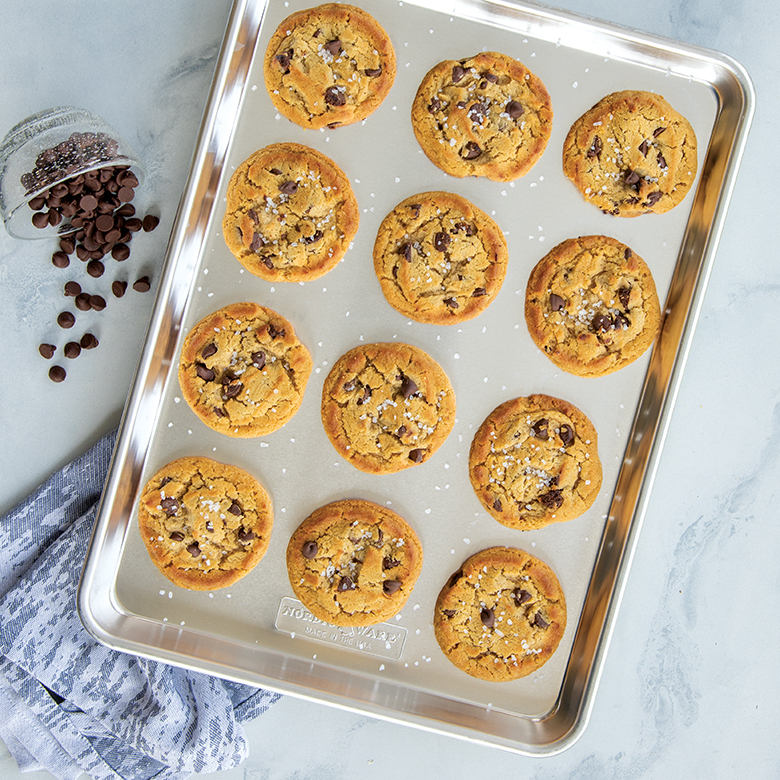
Imagine a world where your baking ambitions aren’t limited by cramped cookware. A world where you can roast a feast for a crowd, bake dozens of cookies in one go, or whip up an entire sheet pan dinner with ease. Welcome to the realm of the XL baking sheet, a kitchen game-changer designed to maximize your culinary potential and streamline your efforts. This oversized workhorse isn’t just a bigger pan; it’s a gateway to more efficient, more enjoyable, and ultimately, more delicious home cooking.
Baking sheets, often called sheet pans or cookie sheets, are the unsung heroes of countless kitchens. From crispy roasted vegetables to delicate pastries, they provide the essential flat surface for heat transfer and even cooking. While standard half-sheet pans (typically 13×18 inches) are a staple, an XL baking sheet steps up the game, offering significantly more surface area. For home bakers, an “XL” usually refers to sizes like a 2/3 sheet pan (around 16×22 inches) or other “extra-large” dimensions (such as 20×14 inches) that still comfortably fit into most standard residential ovens, unlike full-size commercial pans. This generous space is precisely what unlocks new levels of versatility and efficiency in your kitchen.
|
Our Picks for the Best Baking Sheet in 2026
As an Amazon Associate I earn from qualifying purchases.
|
||
| Num | Product | Action |
|---|---|---|
| 1 | GoodCook Everyday Nonstick Carbon Steel Baking Sheet Set, 3 Pack – Small 13” x 9”, Medium 15” x 10”, Large 17” x 11” – Carbon Steel Cooking Pans, Cookie Sheet Bakeware Set |

|
| 2 | NutriChef 3-Piece Nonstick Kitchen Oven Baking Pans - Premium & Stylish Non-Stick Steel, Commercial Grade Restaurant Quality Metal Bakeware with Red Silicone Handles - Easy to Clean, NCSBS3S |
|
| 3 | HONGBAKE Baking Sheet Pan Set of 3, Cookie Sheets for Oven, Nonstick Half/Quarter/Jelly Roll Pans with Diamond Texture Pattern, 0.8mm Thick Heavy Duty Cookie Tray, Champagne Gold |
|
| 4 | Caraway Non-Stick Ceramic Large Baking Sheet Duo - Naturally Slick Ceramic Coating - Non-Toxic, PTFE & PFOA Free - Perfect for Baking, Roasting, and More - Large (18\" x 13\") - White |
|
| 5 | Caraway Non-Stick Ceramic Baking Sheet Duo - Naturally Slick Ceramic Coating - Non-Toxic, PTFE & PFOA Free - 18 x 13\" Large & 15 x 10\" Medium - Slate |
|
| 6 | Commercial Quality Baking Sheet Pan Set, Natural Aluminum Cookie Sheet, Umite Chef Warp Resistant Baker\'s Half Sheet Pan, Large Thick Cookie Tray Pans for Baking, Roasting(2 Pack, 18X13In) |
|
| 7 | Amazon Basics Ceramic Nonstick Baking Sheets & Cooling Rack Set, Non-Toxic, Half Sheet Size, 2-Pack, Gray |
|
| 8 | BRONYPRO Non Stick Ceramic Baking Sheet Pan Set of 3, Non Toxic Cookie Sheets (PFOA/PTFE Free), Aluminized Steel Oven Trays with Silicone Handles, Rust-Resistant, Warp-Resistant to 500°F, Light Gray |
|
| 9 | GoodCook Everyday Nonstick Carbon Steel Baking Sheet Set, 3 Pack – Small 13” x 9”, Medium 15” x 10”, Large 17” x 11” – Carbon Steel Cooking Pans, Cookie Sheet Bakeware Set |
|
| 10 | Caraway Non-Stick Ceramic Medium Baking Sheet - Naturally Slick Ceramic Coating - Non-Toxic, PTFE & PFOA Free - Perfect for Baking, Roasting, and More - Medium (15\" x 10\") - Gray |
|
The Versatility of XL Baking Sheets
An XL baking sheet is far more than just a larger surface for cookies. Its expansive real estate makes it incredibly versatile, transforming how you approach everything from meal prep to entertaining. With an XL baking sheet, you can consolidate cooking, reducing the number of pans you use and, consequently, the dishes you wash.
Think about roasting. Instead of splitting a medley of vegetables across two pans, risking uneven cooking and occupying more oven space, an XL baking sheet allows them to spread out in a single layer. This promotes optimal caramelization and crispness, yielding superior results for everything from root vegetables to delicate asparagus. For busy weeknights, the sheet pan meal becomes a true lifesaver. You can arrange proteins like chicken or salmon alongside an assortment of vegetables, season them, and have a complete, nutritious dinner cooked on one pan.
“An XL baking sheet is like having an extra pair of hands in the kitchen,” explains culinary instructor Chef Julian Vance. “It gives you the freedom to scale up recipes without sacrificing quality. Roasting a whole chicken with sides, baking a giant focaccia, or even freezing berries in a single layer to prevent clumping – the possibilities are endless.”
Beyond savory dishes, an XL baking sheet excels in its traditional role for baking. Imagine churning out dozens of cookies in fewer batches, or baking a large sheet cake perfect for a party. Its ample size also makes it ideal for preparing large batches of granola, homemade crackers, or even a generous breakfast bake like a frittata or a giant pancake.
Exploring Popular XL Baking Sheet Materials and Features
Choosing the right XL baking sheet involves understanding the various materials and features available, each offering distinct advantages.
Material Matters
- Aluminized Steel: A common and highly regarded choice, aluminized steel combines the strength of steel with the excellent heat conduction of aluminum. These pans typically heat evenly and are resistant to warping. Many feature a non-stick silicone coating, such as Americoat, which ensures easy food release and simplifies cleanup. They are durable and often recommended for a wide range of baking and roasting tasks.
- Aluminum: Lightweight and economical, bare aluminum pans heat up quickly and provide good, even browning due to their excellent conductivity and light color. However, aluminum can react with acidic foods, potentially imparting a metallic taste or causing discoloration. It’s often recommended to line bare aluminum pans with parchment paper or a silicone baking mat to protect both the food and the pan. Hand washing is generally advised to prevent corrosion and maintain appearance.
- Ceramic-Coated: A popular non-stick option, ceramic-coated baking sheets boast effortless food release and easy cleaning without the concern of “forever chemicals” like PTFE, PFOA, and PFAS. These coatings are often durable and oven-safe to high temperatures, making them suitable for both sweet and savory applications.
- Glass: While less common for large, flat baking sheets, glass bakeware offers a chemical-free alternative. It retains heat exceptionally well, which can be beneficial for casseroles or dishes you want to keep warm at the table. However, glass heats slower than metal, can be heavy and fragile, and is susceptible to thermal shock, meaning sudden temperature changes can cause it to break. It also carries a higher risk of overbaking due to its heat retention.
- Silicone: Silicone baking mats are often used on baking sheets rather than as standalone pans for an XL baking sheet. However, some silicone molds are available in larger sizes. Silicone is flexible, naturally non-stick, and handles high temperatures well. While great for easy release, it requires a stable pan underneath, may retain odors over time, and might not achieve the same crispness as metal pans.
Non-Stick Coatings
Many XL baking sheets come with non-stick coatings, which are fantastic for easy food release and a quicker cleanup. These coatings, often silicone or ceramic-based, reduce the need for excessive greasing. However, it’s crucial to use appropriate utensils (silicone, nylon, or wood) to avoid scratching the surface, as scratches can degrade the coating over time and impact its performance. Generally, non-stick pans have a lifespan of 3-5 years before the coating may begin to break down.
Gauge and Rim
The gauge refers to the thickness of the metal; a lower gauge number means a thicker, heavier pan. Heavy-gauge (10-12 gauge) XL baking sheets are more durable, less prone to warping at high temperatures, and distribute heat more evenly, ensuring consistent baking results. Look for pans with reinforced rolled edges, which add strength and make the pan more comfortable to handle, especially when wearing oven mitts.
How to Choose the Perfect XL Baking Sheet for Your Needs
Selecting the right XL baking sheet means considering a few key factors to ensure it meets your specific baking and roasting demands.
- Oven Compatibility: The most critical factor is ensuring the pan fits your oven. While “full-size” baking sheets (18×26 inches) are for commercial ovens, many home ovens can accommodate a 2/3 size (approx. 16×22 inches) or other “extra large” pans. Measure your oven interior, leaving at least an inch of space on all sides for proper air circulation.
- Intended Use:
- For high-heat roasting: Aluminized steel or heavy-gauge aluminum are excellent choices for their even heat distribution and durability.
- For delicate baked goods (like cookies): Light-colored aluminum or aluminized steel with a quality non-stick coating or parchment paper is ideal to prevent over-browning on the bottom.
- For health-conscious cooking: Ceramic-coated or glass options are chemical-free alternatives.
- Durability and Warp Resistance: Invest in an XL baking sheet with a heavy gauge and reinforced rims. Warping is a common issue with thinner pans, especially at high temperatures, which can lead to unevenly cooked food.
- Ease of Cleaning: Non-stick coatings significantly aid cleanup. However, remember that many high-quality baking sheets (especially bare aluminum) are best hand-washed to preserve their finish and performance.
Checklist for Choosing Your XL Baking Sheet:
- Does it fit my oven? (Measure your oven interior!)
- What material best suits my primary cooking needs? (Aluminum for quick heat, aluminized steel for durability, ceramic for non-stick peace of mind?)
- Is it heavy-gauge and warp-resistant?
- Does it have comfortable, reinforced rims?
- Is the cleaning process manageable for me?
Mastering Your XL Baking Sheet: Tips for Optimal Results
Possessing an XL baking sheet is just the first step; knowing how to use it effectively will elevate your culinary creations.
- Don’t Overcrowd: The beauty of an XL baking sheet is its ample space, but resist the urge to pile ingredients high. Spreading food in a single layer is crucial for proper air circulation, which prevents steaming and promotes even cooking and browning. “Allowing space around each item is key to achieving that perfect crispy texture, especially when roasting vegetables or baking cookies,” advises Chef Vance.
- Line It Up: Always consider lining your XL baking sheet with parchment paper or a silicone baking mat. This provides a non-stick surface, makes cleanup incredibly easy, and can even offer a slight insulating layer, preventing the bottoms of baked goods from browning too quickly.
- Temperature Control for Multiple Batches: If baking multiple batches of cookies or delicate items, allow your XL baking sheet to cool completely between uses. Placing dough on a warm pan can cause it to spread prematurely and affect texture. For quick cooling, you can run cold water over the underside of the pan.
- Rotate and Swap: When using multiple XL baking sheets in the oven simultaneously, particularly on different racks, remember that oven temperatures can vary. Rotate your pans halfway through the cooking process – top to bottom, and front to back – to ensure everything bakes evenly. This small step can make a significant difference in consistency.
- Mind the Utensils: To protect any non-stick coating, use only silicone, nylon, or wooden utensils for stirring, flipping, or removing food. Metal utensils can scratch and damage the surface, reducing its effectiveness and lifespan.
Common Mistakes and How to Avoid Them
Even with the best equipment, mistakes can happen. Here are a few common pitfalls when using an XL baking sheet and how to sidestep them:
- The Overcrowding Trap: As mentioned, this is the most frequent error. If your pan is too full, food will steam instead of roast, leading to soggy results. Solution: Use the generous space to your advantage, spreading ingredients thinly in a single layer. If you have too much for one XL baking sheet, use two!
- Skipping the Liner: While non-stick pans offer convenience, liners (parchment paper or silicone mats) provide an extra layer of non-stick protection, especially for sticky foods, and make cleanup virtually effortless. They also extend the life of your pan’s coating.
- Ignoring Cooling Time: For successive batches of cookies, putting dough on a hot pan will lead to immediate spreading. Patience is a virtue here; ensure your XL baking sheet is fully cooled before the next round of dough.
- Harsh Cleaning Agents/Dishwashers: Many high-quality XL baking sheets, particularly those made of aluminum or with specific coatings, are not dishwasher safe. The harsh detergents and high heat can cause discoloration, pitting, or degrade non-stick surfaces. Always check manufacturer instructions and opt for gentle hand washing when recommended.
- Metal Utensils: A quick scrape with a metal spatula can ruin a non-stick surface. Keep silicone or wooden tools handy to protect your investment.
Cleaning and Storage for Your XL Baking Sheet
Proper care and storage will ensure your XL baking sheet remains a reliable kitchen companion for years.
- Cleaning: For most XL baking sheets, especially those made of bare aluminum or with non-stick coatings, hand washing is highly recommended. Use warm, soapy water and a non-abrasive sponge or cloth. For stubborn baked-on bits, a paste of baking soda and a little water can work wonders. Avoid abrasive scouring pads, steel wool, or harsh chemical cleaners, as these can scratch surfaces and damage coatings.
- Drying: Always dry your XL baking sheet thoroughly after washing to prevent water spots and rust, particularly with aluminized steel pans.
- Storage: Storing an XL baking sheet can be a challenge due to its size. To prevent scratches and dings, avoid stacking them haphazardly. Consider vertical storage solutions like bakeware organizing racks or cabinet dividers. Some clever solutions include storing them in a large, rarely used oven drawer (ensure it’s oven-safe material) or even repurposing book separators in a deep cabinet to keep them upright and neatly organized. “Thoughtful storage not only protects your pans but also makes them more accessible, encouraging you to use them more often,” notes Chef Vance.
FAQ: Your XL Baking Sheet Questions Answered
Q1: What is considered an XL baking sheet for a home kitchen?
A1: For home kitchens, an XL baking sheet typically refers to sizes larger than the standard half-sheet (13×18 inches), such as a 2/3 sheet pan (around 16×22 inches) or specialized “extra large” pans (e.g., 20×14 inches). These sizes are designed to maximize surface area while still fitting into most residential ovens.
Q2: Can I use aluminum foil instead of parchment paper on my XL baking sheet?
A2: Yes, you can use aluminum foil, but parchment paper is often preferred for baking, especially for delicate items. Foil can sometimes stick to food, especially with high sugar content, and may conduct heat more intensely, leading to quicker browning on the bottom. Parchment paper also provides a better non-stick surface.
Q3: Why does my XL baking sheet warp in the oven?
A3: Warping usually occurs when a thinner or lower-quality XL baking sheet is exposed to high heat too quickly, causing the metal to expand unevenly. To minimize this, invest in a heavy-gauge pan with reinforced rolled edges, which provides greater structural integrity and heat distribution.
Q4: How do I remove stubborn burnt-on food from my XL baking sheet?
A4: For stubborn residue, try a paste of baking soda and a small amount of water. Apply it to the burnt areas, let it sit for 15-30 minutes (or longer for very tough spots), then scrub gently with a non-abrasive sponge. For exceptionally tough stains, fill the pan with hot water and a few drops of dish soap, let it soak for a few hours or overnight, then gently scrape with a plastic scraper.
Q5: Is it safe to use a dark-colored XL baking sheet?
A5: Dark-colored XL baking sheets absorb and retain more heat than lighter-colored ones, which can lead to faster and darker browning. They are excellent for achieving crispy crusts on savory dishes. However, for delicate baked goods like cookies, you might need to reduce oven temperature or baking time slightly, or use parchment paper, to prevent over-browning.
Embrace the Grandeur of XL Baking
The XL baking sheet is a testament to the idea that sometimes, bigger truly is better. It’s an indispensable tool for maximizing efficiency, expanding your culinary repertoire, and bringing joy to your kitchen. By understanding its materials, selecting wisely, and adopting best practices for its use and care, you’ll unlock a world of possibilities. So go ahead, embrace the grandeur of the XL baking sheet, experiment with new recipes, and revel in the satisfaction of perfectly roasted vegetables, beautifully golden cookies, and effortlessly prepared meals, all thanks to this magnificent kitchen essential. Your passion for cooking and baking is about to get a serious upgrade.