In the bustling world of home cooking and baking, there’s one unassuming hero that often takes center stage without much fanfare: the baking sheet pan. This versatile piece of kitchen equipment is far more than just a flat surface for cookies; it’s a culinary powerhouse, ready to transform your meals from simple to spectacular with minimal fuss. Whether you’re a seasoned baker or just starting your journey, understanding the ins and outs of this essential tool can dramatically elevate your kitchen experience and empower you to create everything from gourmet dinners to delectable desserts.
|
Our Picks for the Best Baking Sheet in 2026
As an Amazon Associate I earn from qualifying purchases.
|
||
| Num | Product | Action |
|---|---|---|
| 1 | HONGBAKE Baking Sheet Pan Set of 3, Cookie Sheets for Oven, Nonstick Half/Quarter/Jelly Roll Pans with Diamond Texture Pattern, 0.8mm Thick Heavy Duty Cookie Tray, Champagne Gold |

|
| 2 | Caraway Non-Stick Ceramic Medium Baking Sheet - Naturally Slick Ceramic Coating - Non-Toxic, PTFE & PFOA Free - Perfect for Baking, Roasting, and More - Medium (15\" x 10\") - Gray |
|
| 3 | Caraway Non-Stick Ceramic Large Baking Sheet Duo - Naturally Slick Ceramic Coating - Non-Toxic, PTFE & PFOA Free - Perfect for Baking, Roasting, and More - Large (18\" x 13\") - White |
|
| 4 | Commercial Quality Baking Sheet Pan Set, Natural Aluminum Cookie Sheet, Umite Chef Warp Resistant Baker\'s Half Sheet Pan, Large Thick Cookie Tray Pans for Baking, Roasting(2 Pack, 18X13In) |
|
| 5 | Caraway Non-Stick Ceramic Baking Sheet Duo - Naturally Slick Ceramic Coating - Non-Toxic, PTFE & PFOA Free - 18 x 13\" Large & 15 x 10\" Medium - Slate |
|
| 6 | BRONYPRO Non Stick Ceramic Baking Sheet Pan Set of 3, Non Toxic Cookie Sheets (PFOA/PTFE Free), Aluminized Steel Oven Trays with Silicone Handles, Rust-Resistant, Warp-Resistant to 500°F, Light Gray |
|
| 7 | Amazon Basics Ceramic Nonstick Baking Sheets & Cooling Rack Set, Non-Toxic, Half Sheet Size, 2-Pack, Gray |
|
| 8 | NutriChef 3-Piece Nonstick Kitchen Oven Baking Pans - Premium & Stylish Non-Stick Steel, Commercial Grade Restaurant Quality Metal Bakeware with Red Silicone Handles - Easy to Clean, NCSBS3S |
|
| 9 | GoodCook Everyday Nonstick Carbon Steel Baking Sheet Set, 3 Pack – Small 13” x 9”, Medium 15” x 10”, Large 17” x 11” – Carbon Steel Cooking Pans, Cookie Sheet Bakeware Set |
|
| 10 | GoodCook Everyday Nonstick Carbon Steel Baking Sheet Set, 3 Pack – Small 13” x 9”, Medium 15” x 10”, Large 17” x 11” – Carbon Steel Cooking Pans, Cookie Sheet Bakeware Set |
|
What Exactly is a Baking Sheet Pan?
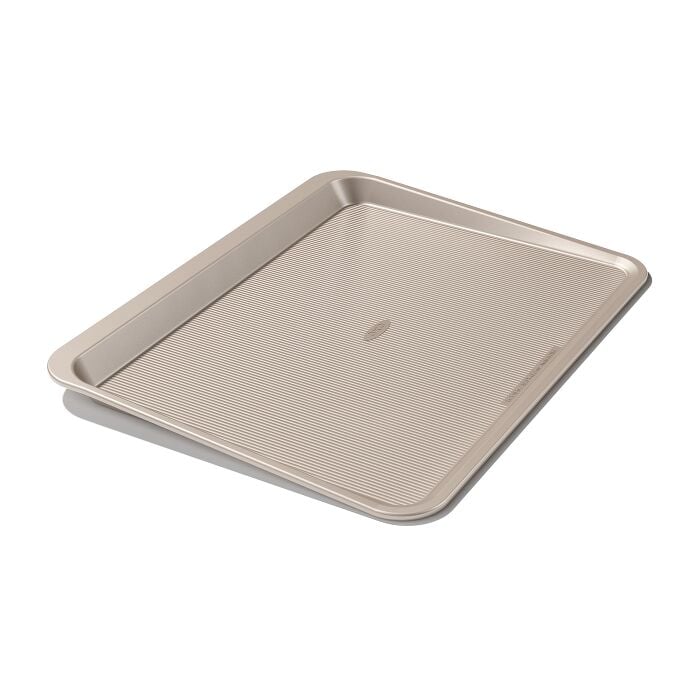
At its core, a baking sheet pan is a flat, rectangular metal pan with a raised rim around all four sides. This rim is a defining characteristic, preventing liquids and food from sliding off, making it incredibly versatile for a wide range of tasks beyond just baking. While often used interchangeably, a “cookie sheet” traditionally has only one or two raised edges, allowing for easier sliding of baked goods, whereas a true baking sheet pan offers containment for roasting vegetables, meats, and even sheet pan dinners. Historically, these pans have evolved from simple sheet iron to the sophisticated aluminum and aluminized steel versions we rely on today, becoming an indispensable classic in both professional and home kitchens alike.
Decoding the Materials: Which Baking Sheet Pan is Right for You?
The material of your baking sheet pan profoundly impacts its performance, durability, and even the outcome of your culinary creations. Choosing wisely means matching the material to your most frequent cooking needs.
Aluminum Baking Sheet Pans
Aluminum is a perennial favorite for good reason. It’s an excellent heat conductor, meaning it heats up quickly and distributes heat evenly, which is crucial for consistent baking and browning. These pans are lightweight and often more affordable, making them a popular choice for cookies, pastries, and general roasting. However, uncoated aluminum can react with acidic foods, potentially causing discoloration or imparting a metallic taste. They are also prone to warping if subjected to rapid temperature changes, and often not dishwasher-safe, as the harsh detergents can cause irreversible discoloration.
Aluminized Steel Baking Sheet Pans
Combining the best of both worlds, aluminized steel features a steel core for rigidity and strength, coated with an aluminum-silicon alloy. This hybrid offers superior durability, excellent heat conduction, and resistance to warping. Often found in commercial bakeries, these pans are a robust choice for heavy-duty use and are known for their consistent performance, ensuring even baking and browning. They are an investment but pay off in longevity and reliable results.
Stainless Steel Baking Sheet Pans
Stainless steel pans are highly durable, resistant to rust and stains, and non-reactive, making them a good option for acidic ingredients. They offer a sleek look and are generally dishwasher-safe. However, stainless steel is not as good a heat conductor as aluminum, which can sometimes lead to less even baking or browning. They tend to be heavier and may require longer preheating to achieve optimal cooking temperatures.
Non-Stick Coatings
Many baking sheet pans come with a non-stick coating, which is a fantastic feature for easy food release and quick cleanup. These are particularly great for delicate items like certain cookies or fish. The downside is that non-stick coatings can be less durable than uncoated pans, are often not suitable for very high temperatures (like broiling), and can be scratched by metal utensils, reducing their lifespan and potentially releasing particles into your food. Always use wooden, silicone, or plastic utensils with non-stick surfaces.
Other Notable Materials
- Carbon Steel: Similar to cast iron, carbon steel heats quickly and evenly, often requiring seasoning to build a natural non-stick surface. It’s excellent for high-heat cooking and achieving a good sear.
- Silicone: Flexible and naturally non-stick, silicone mats or pans are best for delicate sweet baked goods, where their gentle heat transfer prevents over-browning. They aren’t ideal for dishes requiring crisp edges or deep browning.
- Ceramic/Stoneware: While beautiful and great for heat retention (perfect for serving warm dishes from oven to table), these materials conduct heat slower than metal, making them less suitable for recipes where quick, even browning is desired.
“When it comes to selecting a baking sheet pan material, think about your baking habits,” advises culinary expert, Chef Isabella Rossi. “If you’re roasting veggies at high heat and crave that perfect char, uncoated aluminum or aluminized steel is your friend. For delicate cookies that need to slide right off, a quality non-stick option is a game-changer, but remember its limitations!”
Sizing Up Your Success: Finding the Perfect Baking Sheet Pan Dimensions
Understanding baking sheet pan sizes is crucial for maximizing your oven space and ensuring proper cooking. While commercial kitchens use massive full-size pans, home cooks typically rely on smaller, more manageable dimensions.
In the U.S., standard sizes generally refer to:
- Full-Size (18×26 inches): Primarily for commercial ovens, too large for most home ovens.
- Two-thirds or Three-quarter (16×22 inches): The largest size that might fit in some larger home ovens, or for home bakeries.
- Half-Size (13×18 inches): This is the most popular and versatile size for home ovens, perfectly suited for everything from a batch of cookies to a sheet pan dinner for a family.
- Quarter-Size (9×13 inches): Ideal for smaller ovens, toaster ovens, or when you’re cooking for one or two, making small batches, or for prep work.
- Jelly Roll Pan (10×15 inches): A popular size often used for jelly roll cakes, falling between a quarter and half sheet.
When choosing, measure your oven interior to ensure a comfortable fit, allowing air to circulate around the pan for even cooking. The rimmed edges are essential, especially for dishes that release liquids, preventing messy spills in your oven.
Beyond the Basics: Mastering Your Baking Sheet Pan for Optimal Results
A great baking sheet pan is just the beginning; knowing how to use it effectively is where the magic happens. These simple techniques can dramatically improve your cooking and baking outcomes.
Preheating for Perfection
Always preheat your baking sheet pan along with your oven for about 10-15 minutes before adding food. This creates an immediate hot surface, which is key for achieving desirable browning, crispiness, and preventing food from sticking. Think of it like searing a steak in a hot pan; that initial sizzle makes all the difference.
The Golden Rule: Don’t Overcrowd!
This is perhaps the most crucial tip for sheet pan cooking. Overcrowding your pan traps steam, causing food to steam rather than roast or bake. The result? Limp, soggy vegetables or pale, under-browned meats. Give your ingredients space to breathe and allow for proper air circulation to ensure beautiful caramelization and even cooking. If you have too much food, use two pans.
Lining Up for Easy Cleanup
To simplify cleanup and protect your pan, always consider lining it.
- Parchment paper is excellent for most baking tasks, preventing sticking and making cleanup a breeze. It’s especially good for delicate items like cookies as it helps prevent them from spreading too thin.
- Aluminum foil is also useful, particularly for savory dishes that might be prone to burning or creating a sticky mess, and it can help conduct heat. However, avoid using foil with highly acidic foods as it can react with the aluminum.
- Silicone baking mats are reusable and provide a non-stick surface that can withstand high temperatures, ideal for a wide range of baking and roasting.
Uniformity is Key
For sheet pan dinners or roasted vegetables, cut your ingredients into uniform sizes. This ensures that everything cooks at a similar rate, preventing some pieces from being undercooked while others are burnt. For ingredients with different cooking times, give denser items a head start in the oven before adding quicker-cooking components.
Temperature Matters: Dark vs. Light Pans
The color of your baking sheet pan impacts how food cooks. Lighter-colored, shiny pans reflect heat, resulting in a lighter, more even bake and less browning on the bottom. Darker pans absorb more heat, leading to faster cooking and more intense browning. Choose a lighter pan for delicate cookies you don’t want to over-brown, and a darker pan for roasted vegetables or items where a crispy, well-caramelized bottom is desired.
The Versatility Power-Up: Using Cooling Racks
Pairing your baking sheet pan with a wire cooling rack unlocks even more possibilities. Place the rack inside the pan for roasting meats or vegetables to allow air to circulate completely around the food, promoting even cooking and crisping. It also serves as an indispensable tool for cooling freshly baked goods, preventing a soggy bottom.
Keeping Your Baking Sheet Pan in Pristine Condition: Cleaning and Care
Proper care significantly extends the life of your baking sheet pan and keeps it performing at its best.
- Hand-Washing is Best: For most aluminum and non-stick pans, hand-washing with warm, soapy water is highly recommended. Dishwashers can cause discoloration, dulling, and even warping of aluminum due to high temperatures and harsh detergents. Always check the manufacturer’s instructions.
- Tackling Tough Stains: For stubborn baked-on grime, a paste made of baking soda and water, or a combination of baking soda and white vinegar, can work wonders. Apply the paste, let it sit for 30 minutes to overnight, then gently scrub with a non-abrasive sponge. Hydrogen peroxide and cream of tartar are also effective.
- Gentle Cleaning for Non-Stick Surfaces: Never use abrasive scrubbers like steel wool or harsh cleaning pads on non-stick surfaces, as they will scratch and damage the coating. Stick to soft sponges or cloths.
- Preventing Warping: Avoid exposing a hot pan to cold water immediately after it comes out of the oven. Extreme temperature changes can cause the metal to contract rapidly and warp. Let your pan cool completely to room temperature before washing. Investing in heavier-gauge pans also helps resist warping.
Common Baking Sheet Pan Blunders and How to Avoid Them
Even with the most fundamental kitchen tools, common mistakes can hinder your culinary success. Here’s how to steer clear of them:
- Warping from Thermal Shock: As mentioned, putting a hot pan directly into cold water is a common culprit. Allow pans to cool gradually. Thin, flimsy pans are also more prone to warping; invest in quality, heavier-gauge options that retain their shape better under heat.
- Using Metal Utensils on Non-Stick: This is a recipe for disaster. Metal spatulas or tongs will scratch and ruin non-stick coatings, causing food to stick and compromising the pan’s longevity. Opt for silicone or wooden tools instead.
- Overcrowding the Pan: We can’t say it enough! Give your food space. If your pan looks like a sardine can, your food will steam, not brown.
- Improper Cleaning: Using harsh chemicals or abrasive scrubbers on the wrong material can damage finishes, lead to discoloration, or even create rough surfaces where food sticks. Follow the cleaning advice above based on your pan’s material.
- Ignoring Warped Pans: A significantly warped pan will not sit flat in the oven, leading to uneven cooking, with oils pooling on one side and food drying out on the other. If a pan consistently warps and doesn’t return to shape, it’s time for a replacement.
Unleash Your Culinary Creativity: Inspiring Baking Sheet Pan Recipes
The versatility of the baking sheet pan truly shines in the incredible array of dishes you can create. It’s a game-changer for busy weeknights and a secret weapon for effortlessly delicious results.
Sheet Pan Dinners
These one-pan wonders are a lifesaver. Combine proteins (chicken, salmon, sausage, tofu) with an assortment of chopped vegetables (broccoli, bell peppers, sweet potatoes, Brussels sprouts) and a flavorful marinade or seasoning. Everything cooks together on one pan, minimizing cleanup. Imagine Sheet Pan Lemon Herb Chicken with Roasted Asparagus, or Spicy Sausage and Bell Pepper Fajitas – all cooked on a single baking sheet pan.
Sweet Treats
Beyond savory meals, your baking sheet pan is perfect for baking.
- Cookies: From classic chocolate chip to delicate shortbread, a well-preheated, parchment-lined sheet pan ensures even baking and easy release.
- Sheet Cakes & Bars: Brownies, blondies, and various sheet cakes are ideally baked in these pans, offering perfect portions and a satisfying crust.
- Roasted Fruit: Toss seasonal fruits with a touch of sugar and spices, roast until caramelized, and serve over ice cream or yogurt for a simple, elegant dessert.
Breakfast & Brunch
Start your day with ease using your baking sheet pan.
- Sheet Pan Eggs: Whisk eggs with your favorite fillings (veggies, cheese, cooked meats), pour onto a lined pan, and bake for a fluffy frittata-like creation that’s easy to slice and serve.
- Sheet Pan Pancakes: Spread pancake batter onto a lined pan, add toppings, and bake for a crowd-pleasing breakfast that cooks all at once.
FAQ: Your Burning Baking Sheet Pan Questions Answered
What’s the difference between a baking sheet and a cookie sheet?
A baking sheet pan typically has a raised rim on all four sides, making it ideal for roasting vegetables, meats, and containing liquids. A “cookie sheet” usually has only one or two raised edges, allowing cookies to be easily slid off without disturbing their shape. For most home cooking, a rimmed baking sheet pan is far more versatile.
Can I put my baking sheet pan in the dishwasher?
It depends on the material. While some stainless steel pans are dishwasher-safe, most aluminum and non-stick baking sheet pans are best hand-washed. The high temperatures, strong detergents, and aggressive wash cycles of a dishwasher can cause discoloration, dulling, and premature wear, especially for aluminum and non-stick coatings. Always refer to the manufacturer’s care instructions.
Why does my baking sheet pan warp?
Baking sheet pans primarily warp due to rapid temperature changes, a phenomenon known as thermal shock. Placing a cool pan into a very hot oven, or dousing a hot pan with cold water, causes uneven expansion and contraction of the metal. Thinner-gauge pans are more susceptible to this. To prevent it, allow your pan to come to room temperature before placing it in the oven, and let it cool completely before washing.
Is non-stick baking sheet pan better than uncoated?
Neither is universally “better”; it depends on your cooking needs. Non-stick pans are excellent for easy food release and cleanup, particularly for delicate items. However, they typically cannot withstand very high temperatures (like broiling) and have a shorter lifespan. Uncoated aluminum or aluminized steel pans are preferred for high-heat roasting, achieving a deep sear, and broiling, as they promote better browning and are more durable.
What size baking sheet pan should I buy for a home oven?
For most home ovens, a half-size baking sheet pan (approximately 13×18 inches) is the most versatile and essential size. It fits comfortably in standard residential ovens and is large enough for a wide range of cooking and baking tasks. Many cooks also find a quarter-size pan (9×13 inches) useful for smaller batches or toaster oven use.
The baking sheet pan is more than just a piece of bakeware; it’s a testament to efficiency and culinary creativity. By understanding its materials, mastering a few simple techniques, and giving it the care it deserves, you’ll unlock its full potential. So go ahead, pull out your favorite baking sheet pan, experiment with new recipes, and revel in the joy of effortless, delicious cooking. Your kitchen, and your taste buds, will thank you!