Ever wondered how professional bakeries achieve those incredibly crisp crusts on their bread and pastries, or that perfectly golden bottom on a homemade pizza? The secret often lies in a deceptively simple piece of equipment: the perforated baking sheet. This isn’t just another pan in your kitchen arsenal; it’s a game-changer designed to elevate your baking, turning everyday efforts into culinary masterpieces. If you’re ready to revolutionize your baking and bring that professional touch to your home kitchen, understanding the perforated baking sheet is your first step.
What Exactly is a Perforated Baking Sheet?
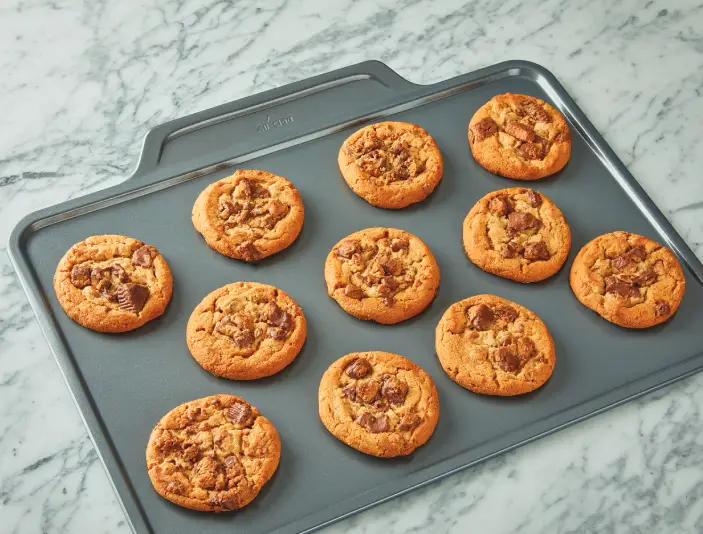
Imagine your standard solid baking sheet, but with a clever twist: it’s covered in an array of small, evenly spaced holes. That’s a perforated baking sheet in a nutshell! These tiny openings aren’t just for show; they serve a crucial purpose, allowing air and heat to circulate freely around your baked goods. This design fundamentally changes how food cooks, making it an indispensable tool for anyone serious about achieving optimal textures and flavors. It’s about harnessing the power of enhanced airflow to achieve results that a solid sheet simply can’t match.
The Undeniable Benefits: Why Go Perforated?
So, why should you consider adding a perforated baking sheet to your collection? The advantages are clear and impactful, directly addressing common baking challenges.
Enhanced Airflow and Even Heat Distribution
One of the primary benefits of a perforated baking sheet is its ability to promote superior airflow. Unlike solid sheets where heat can get trapped, the perforations allow hot air to surround your food from all angles. This means more uniform cooking, preventing those dreaded hot spots that lead to unevenly browned or baked items. The result? Consistently golden-brown finishes and perfectly cooked interiors every time. Plus, this efficient heat transfer can even reduce your overall baking time, a welcome bonus on a busy day.
Moisture Reduction for Unmatched Crispy Textures
Have you ever pulled a beautiful loaf of bread from the oven, only to find a slightly soggy bottom? Or dreamt of a truly crispy pizza crust that delivers that satisfying crunch? This is where the perforated baking sheet truly shines. The holes allow steam and excess moisture to escape during the baking process, preventing it from pooling beneath your food. This moisture reduction is key to developing that coveted crispy outer layer while keeping the interior wonderfully soft and tender. It’s particularly crucial for pastries, artisan breads, and anything where a crisp crust is paramount.
Faster Cooking and Reduced Sogginess
Because air circulates so effectively, perforated sheets can often lead to faster cooking times. This is especially beneficial for items that typically take a while to crisp up. Furthermore, by allowing moisture to escape, these sheets actively combat sogginess, ensuring that delicate pastries and dough-based items retain their structural integrity and delightful crunch.
A Look at the Different Types of Perforated Baking Sheets
Perforated baking sheets come in various forms, each with characteristics that can influence your baking results. Knowing these differences helps you pick the perfect pan for your culinary adventures.
Materials Matter
The material of your baking sheet plays a significant role in its performance.
- Aluminum: A popular choice for its excellent thermal conductivity, aluminum heats up quickly and responds well to temperature changes, preventing overcooking. It’s lightweight and generally more affordable, making it a favorite for many bakers.
- Aluminized Steel: This material combines the strength of steel with the heat conduction benefits of aluminum, offering great durability and even heating.
- Stainless Steel: Known for its robustness and resistance to corrosion, stainless steel is ideal for searing and won’t react with acidic foods. However, it may not distribute heat as uniformly as aluminum.
Non-Stick Coatings
Some perforated baking sheets feature a non-stick coating. While convenient for easy food release and cleanup, it’s essential to handle these with care to preserve the coating.
Sizes and Perforation Patterns
Baking sheets come in various sizes, with the half-sheet (approximately 18” x 13”) being the most common and fitting perfectly in most home ovens. Perforation patterns also vary. For delicate pastries, smaller, closely spaced holes (around 2mm) are often preferred to prevent “blisters” and ensure quick heat penetration. For denser doughs, slightly larger holes (around 5mm) can provide efficient heat distribution without compromising texture.
How to Choose the Perfect Perforated Baking Sheet for Your Needs
Selecting the right perforated baking sheet can seem daunting with so many options, but it boils down to considering your specific baking goals.
- What are you baking? If artisan breads, pizzas, croissants, or tarts are your passion, a perforated sheet is a must-have for that ultimate crispness. For liquid batters like cakes or brownies, or juicy roasted meats, a solid sheet pan is still your best bet to prevent drips.
- Material preference: Aluminum for quick, even heat; stainless steel for durability and acidic foods.
- Size compatibility: Ensure the pan fits comfortably in your oven.
- Perforation finesse: Match the hole size to the delicacy of your dough for optimal results.
When you’re exploring options, remember that quality bakeware is an investment in your culinary journey. Seek out robust designs that promise longevity and consistent performance.
|
Our Picks for the Best Baking Sheet in 2026
As an Amazon Associate I earn from qualifying purchases.
|
||
| Num | Product | Action |
|---|---|---|
| 1 | HONGBAKE Baking Sheet Pan Set of 3, Cookie Sheets for Oven, Nonstick Half/Quarter/Jelly Roll Pans with Diamond Texture Pattern, 0.8mm Thick Heavy Duty Cookie Tray, Champagne Gold |

|
| 2 | GoodCook Everyday Nonstick Carbon Steel Baking Sheet Set, 3 Pack – Small 13” x 9”, Medium 15” x 10”, Large 17” x 11” – Carbon Steel Cooking Pans, Cookie Sheet Bakeware Set |
|
| 3 | Caraway Non-Stick Ceramic Baking Sheet Duo - Naturally Slick Ceramic Coating - Non-Toxic, PTFE & PFOA Free - 18 x 13\" Large & 15 x 10\" Medium - Slate |
|
| 4 | Caraway Non-Stick Ceramic Large Baking Sheet Duo - Naturally Slick Ceramic Coating - Non-Toxic, PTFE & PFOA Free - Perfect for Baking, Roasting, and More - Large (18\" x 13\") - White |
|
| 5 | BRONYPRO Non Stick Ceramic Baking Sheet Pan Set of 3, Non Toxic Cookie Sheets (PFOA/PTFE Free), Aluminized Steel Oven Trays with Silicone Handles, Rust-Resistant, Warp-Resistant to 500°F, Light Gray |
|
| 6 | Caraway Non-Stick Ceramic Medium Baking Sheet - Naturally Slick Ceramic Coating - Non-Toxic, PTFE & PFOA Free - Perfect for Baking, Roasting, and More - Medium (15\" x 10\") - Gray |
|
| 7 | GoodCook Everyday Nonstick Carbon Steel Baking Sheet Set, 3 Pack – Small 13” x 9”, Medium 15” x 10”, Large 17” x 11” – Carbon Steel Cooking Pans, Cookie Sheet Bakeware Set |
|
| 8 | Amazon Basics Ceramic Nonstick Baking Sheets & Cooling Rack Set, Non-Toxic, Half Sheet Size, 2-Pack, Gray |
|
| 9 | NutriChef 3-Piece Nonstick Kitchen Oven Baking Pans - Premium & Stylish Non-Stick Steel, Commercial Grade Restaurant Quality Metal Bakeware with Red Silicone Handles - Easy to Clean, NCSBS3S |
|
| 10 | Commercial Quality Baking Sheet Pan Set, Natural Aluminum Cookie Sheet, Umite Chef Warp Resistant Baker\'s Half Sheet Pan, Large Thick Cookie Tray Pans for Baking, Roasting(2 Pack, 18X13In) |
|
Essential Tips for Using Your Perforated Baking Sheet
Getting the most out of your perforated baking sheet involves a few simple, yet crucial, techniques.
- Always Line Your Pan: This is perhaps the most vital tip. To prevent dough from falling through the perforations, and to ensure easy cleanup, always line your perforated baking sheet with parchment paper or a perforated silicone baking mat (like a Silpain). These liners allow air to pass through while keeping your food contained and preventing sticking.
- Avoid Direct Oiling: Unlike solid pans, you shouldn’t directly grease a perforated baking sheet, as oil could drip through the holes and create a mess in your oven. Rely on your parchment or silicone mat for non-stick properties.
- Ideal for Convection Ovens: Perforated sheets work exceptionally well in convection ovens, which already utilize circulating air. This combination maximizes the crisping and browning effects.
As baking expert, Chef Anya Sharma, notes, “The magic of a perforated baking sheet lies in its simplicity. It’s not just about the holes; it’s about the controlled environment they create, turning an ordinary bake into an extraordinary one. Think of it as giving your dough room to breathe and crisp up, rather than steam itself.”
Caring for Your Perforated Baking Sheet
Proper care ensures your perforated baking sheet remains a dependable tool for years. Good news: they’re generally quite easy to clean!
- Easy Cleanup: Due to the holes, leftover bits of dough or crumbs typically don’t stick as stubbornly as they might on a solid sheet. A simple rinse with warm water and a gentle scrub is often sufficient.
- Hand Washing Recommended: For most materials, especially aluminum, hand washing with mild dish soap is best. Avoid harsh abrasive scrubbers that could damage any non-stick coatings or the metal itself.
- Thorough Drying: Ensure the pan is completely dry before storing to prevent water spots or rust, particularly important for materials like aluminized steel.
Common Mistakes and Quick Fixes
Even experienced bakers can sometimes make small blunders. Here are a few common issues with perforated baking sheets and how to avoid them:
Not Using a Liner
Mistake: Placing dough or small items directly on the perforated surface without parchment paper or a silicone mat.
Fix: Always line your perforated baking sheet. This prevents delicate items from falling through, batter from dripping, and ensures an easy release.
Using for Liquid Batters
Mistake: Attempting to bake cakes, brownies, or other liquid batters directly on a perforated sheet.
Fix: Perforated sheets are not designed to hold liquids. Stick to solid baking sheets for recipes with high moisture content or runny batters.
Choosing the Wrong Perforation Size
Mistake: Using a sheet with large perforations for very delicate, fine pastries, leading to unwanted “blisters” or indentations.
Fix: Match the perforation size to your baked good. For delicate items, opt for sheets with smaller, more closely spaced holes.
Delicious Ideas and Expert Baking Tips with Your Perforated Sheet
Ready to put your perforated baking sheet to the test? Here are some fantastic ideas:
- Artisan Breads: From crusty baguettes to rustic focaccia and sourdough loaves, a perforated sheet will give you that irresistible crackling crust.
- Crispy Pizza: Say goodbye to soggy pizza bottoms! Bake your homemade or frozen pizzas directly on a parchment-lined perforated sheet for a truly crunchy base.
- Flaky Pastries and Croissants: Achieve beautifully puffed, golden, and flaky layers. The airflow is key to their delicate texture.
- Perfect Tarts: Ensure your tart crusts are perfectly baked through and wonderfully crisp, especially important for custard-filled creations.
- Crispy Fries and Roasted Vegetables: While typically done on solid pans, using a parchment-lined perforated sheet for things like homemade fries or veggie chips can enhance crispiness due to better air circulation.
Embrace the experimentation! The subtle differences a perforated sheet makes will inspire you to try new techniques and rediscover old favorites.
Frequently Asked Questions About Perforated Baking Sheets
Q: What is the main benefit of a perforated baking sheet?
A: The main benefit is enhanced airflow, which allows steam to escape and heat to distribute evenly, resulting in crispier crusts, more uniform browning, and reduced sogginess in baked goods.
Q: Can I use a perforated baking sheet for cookies?
A: Yes, you can! For best results, always line the perforated baking sheet with parchment paper or a silicone mat to prevent sticking and ensure the cookies don’t fall through any larger holes. This setup can help achieve a slightly crisper bottom on your cookies.
Q: Do I need to line a perforated baking sheet?
A: Absolutely! Lining your perforated baking sheet with parchment paper or a perforated silicone mat is essential. It prevents food from sticking or falling through the holes and ensures easy cleanup.
Q: What foods are NOT suitable for perforated baking sheets?
A: Perforated baking sheets are not suitable for liquid batters (like cakes, brownies, or muffins) or very juicy foods (like some roasted meats or vegetables) where liquids could drip through the holes and make a mess in your oven.
Q: How do I clean a perforated baking sheet?
A: Most perforated baking sheets are easy to clean with warm water and mild dish soap. Hand washing is generally recommended, and you should avoid abrasive scrubbers, especially if the pan has a non-stick coating. Ensure it’s thoroughly dried after washing to prevent rust or water spots.
Elevate Your Baking Game Today
The perforated baking sheet is more than just a piece of bakeware; it’s an invitation to elevate your culinary skills and achieve professional-quality results right in your own kitchen. By understanding its unique design and how it enhances airflow and moisture reduction, you unlock a world of crisper crusts, even browning, and delightful textures.
Whether you’re a seasoned baker or just starting your journey, incorporating a perforated baking sheet into your routine will undoubtedly deepen your understanding and enjoyment of baking. So go ahead, experiment with new recipes, rediscover old favorites, and share the joy of perfectly baked creations with those you love. Your journey to baking excellence starts here, with the right tools in hand.