In the bustling heart of any kitchen, a reliable baking sheet is more than just a piece of equipment; it’s a foundation for countless culinary creations. From perfectly roasted vegetables to golden-brown cookies, the quality of your bakeware profoundly impacts the final result. While many materials vie for attention, the ceramic baking sheet stands out as a sophisticated and highly effective choice, promising an unparalleled baking experience that truly enhances your culinary journey.
At “Perfect Bake,” we delve deep into the core value and potential of each product, aiming to elevate your understanding and skills. We believe that choosing the right tools empowers you to enjoy your passion to the fullest, and the ceramic baking sheet is a prime example of a smart investment for any home baker.
What is a Baking Sheet?
A baking sheet, often simply called a sheet pan, is a flat, rectangular metal pan with shallow raised edges on all four sides. Unlike deeper baking dishes or casserole pans, its low profile is designed for optimal air circulation, making it ideal for everything from roasting vegetables to baking cookies and pastries. The history of bakeware dates back centuries, evolving from simple clay ovens to the diverse range of materials we see today. The modern baking sheet is a testament to this evolution, designed for versatility and efficiency in the contemporary kitchen.
|
Our Picks for the Best Baking Sheet in 2026
As an Amazon Associate I earn from qualifying purchases.
|
||
| Num | Product | Action |
|---|---|---|
| 1 | HONGBAKE Baking Sheet Pan Set of 3, Cookie Sheets for Oven, Nonstick Half/Quarter/Jelly Roll Pans with Diamond Texture Pattern, 0.8mm Thick Heavy Duty Cookie Tray, Champagne Gold |

|
| 2 | Caraway Non-Stick Ceramic Baking Sheet Duo - Naturally Slick Ceramic Coating - Non-Toxic, PTFE & PFOA Free - 18 x 13\" Large & 15 x 10\" Medium - Slate |
|
| 3 | Commercial Quality Baking Sheet Pan Set, Natural Aluminum Cookie Sheet, Umite Chef Warp Resistant Baker\'s Half Sheet Pan, Large Thick Cookie Tray Pans for Baking, Roasting(2 Pack, 18X13In) |
|
| 4 | Caraway Non-Stick Ceramic Medium Baking Sheet - Naturally Slick Ceramic Coating - Non-Toxic, PTFE & PFOA Free - Perfect for Baking, Roasting, and More - Medium (15\" x 10\") - Gray |
|
| 5 | BRONYPRO Non Stick Ceramic Baking Sheet Pan Set of 3, Non Toxic Cookie Sheets (PFOA/PTFE Free), Aluminized Steel Oven Trays with Silicone Handles, Rust-Resistant, Warp-Resistant to 500°F, Light Gray |
|
| 6 | Amazon Basics Ceramic Nonstick Baking Sheets & Cooling Rack Set, Non-Toxic, Half Sheet Size, 2-Pack, Gray |
|
| 7 | Caraway Non-Stick Ceramic Large Baking Sheet Duo - Naturally Slick Ceramic Coating - Non-Toxic, PTFE & PFOA Free - Perfect for Baking, Roasting, and More - Large (18\" x 13\") - White |
|
| 8 | GoodCook Everyday Nonstick Carbon Steel Baking Sheet Set, 3 Pack – Small 13” x 9”, Medium 15” x 10”, Large 17” x 11” – Carbon Steel Cooking Pans, Cookie Sheet Bakeware Set |
|
| 9 | GoodCook Everyday Nonstick Carbon Steel Baking Sheet Set, 3 Pack – Small 13” x 9”, Medium 15” x 10”, Large 17” x 11” – Carbon Steel Cooking Pans, Cookie Sheet Bakeware Set |
|
| 10 | NutriChef 3-Piece Nonstick Kitchen Oven Baking Pans - Premium & Stylish Non-Stick Steel, Commercial Grade Restaurant Quality Metal Bakeware with Red Silicone Handles - Easy to Clean, NCSBS3S |
|
Types of Baking Sheets: Exploring Materials and Coatings
When we talk about ceramic baking sheets, it’s important to understand there are primarily two types, along with other popular materials that offer different baking dynamics.
Pure Ceramic (100% Ceramic)
These are crafted entirely from natural clay and quartz sand, then kiln-fired and glazed to create a robust, non-porous surface. Pure ceramic bakeware is renowned for its durability, often lasting for generations, and is naturally scratch-resistant. It doesn’t typically require specific non-stick coatings, as its inherent smooth glaze aids in food release.
Ceramic-Coated Bakeware
More commonly found, ceramic-coated baking sheets feature a metal core, often aluminum, which is then coated with a non-stick ceramic layer. This coating is derived from natural sand through a sol-gel process, providing excellent non-stick properties without the use of harmful chemicals like PFOA, PFAS, or PTFE. The metal core ensures efficient heat transfer, while the ceramic layer offers a safer, easier-to-clean surface.
How Ceramic Compares to Other Materials
Understanding the distinctions helps you make informed choices:
- Metal Baking Sheets: Typically made from aluminum or stainless steel, metal pans are excellent heat conductors, heating up quickly and promoting crisp edges and even browning. Light-colored metals are often preferred for more even results, while darker ones can lead to faster browning or even burning if not monitored.
- Glass Baking Dishes: Glass bakeware is a strong insulator, meaning it takes longer to heat up but retains heat exceptionally well once hot. This makes it fantastic for dishes that need to bake slowly and consistently, like casseroles, bread puddings, and pies, preventing them from cooling down too quickly. However, it can sometimes lead to over-browning on the bottom of delicate items.
- Silicone Bakeware: Lightweight and highly flexible, silicone is prized for its superior non-stick qualities, making it effortless to release delicate baked goods. However, it’s a poor heat conductor, resulting in less browning. While convenient, some concerns exist about potential chemical leaching at very high temperatures.
As Dr. Elara Vance, a distinguished Culinary Science Professor at the Institute of Gastronomy, once noted, “The choice of bakeware material isn’t just about convenience; it’s a fundamental aspect of heat science in the kitchen. Ceramic, in its various forms, offers a unique balance of thermal performance and non-reactive safety, making it a compelling option for discerning bakers.”
Why Choose a Ceramic Baking Sheet? Benefits for Every Baker
The allure of a ceramic baking sheet extends far beyond its elegant appearance. It brings a host of benefits that can genuinely transform your baking and cooking:
Non-Toxic and Eco-Friendly
One of the most significant advantages of ceramic bakeware, especially pure ceramic and modern ceramic-coated options, is its non-toxic composition. Free from harmful chemicals like PFOA, PFAS, PTFE, cadmium, and lead, it offers a healthier alternative for your family and is generally more environmentally friendly in its production. This commitment to health and safety makes it a top choice for conscious cooks.
Excellent Non-Stick Properties
Whether pure or coated, ceramic baking sheets boast impressive non-stick capabilities. This means food slides off with ease, reducing the need for excessive oil or butter and contributing to healthier cooking habits. Cleanup becomes a breeze, turning what can often be a chore into a simple wipe-down.
Durability and Longevity
High-quality ceramic baking sheets are built to last. Pure ceramic, known for its resilience, can truly be a generational item, resisting scratches and maintaining its quality over many years. Ceramic-coated pans, while requiring a bit more care to preserve the coating, are also designed for extended use, offering a dependable surface for countless meals.
Even Heat Distribution
Ceramic materials are excellent at distributing heat uniformly across their surface. This prevents dreaded hot spots that can lead to unevenly cooked or burnt food, ensuring your dishes bake consistently from edge to center. This even heat promotes beautifully cooked results every time, from sheet pan dinners to perfectly baked cookies.
High-Heat Tolerance
Most ceramic baking sheets are oven-safe up to relatively high temperatures, typically around 500°F (260°C). This versatility allows you to transition seamlessly from roasting to baking, accommodating a wide range of recipes without worry. Always check the manufacturer’s specific guidelines to confirm the maximum safe temperature for your particular pan.
Aesthetic Appeal
Beyond functionality, ceramic bakeware is simply beautiful. Available in a spectrum of colors, patterns, and finishes, these sheets can effortlessly go from oven to table, making serving a stylish affair. They add a touch of elegance to any kitchen décor and presentation.
Easy to Clean
Thanks to their smooth, non-stick surface, ceramic baking sheets are incredibly easy to clean. Most messes can be removed with warm, soapy water and a soft sponge, making post-baking cleanup less time-consuming and more enjoyable.
Choosing the Right Ceramic Baking Sheet for Your Needs
Selecting the perfect ceramic baking sheet involves a few key considerations to match your culinary style and frequency of use:
- Pure Ceramic vs. Ceramic-Coated: If longevity and ultimate non-reactivity are your top priorities, a 100% pure ceramic pan might be your ideal choice, especially for slower-baking dishes. For everyday baking and roasting with excellent non-stick performance, a high-quality ceramic-coated pan is often more practical.
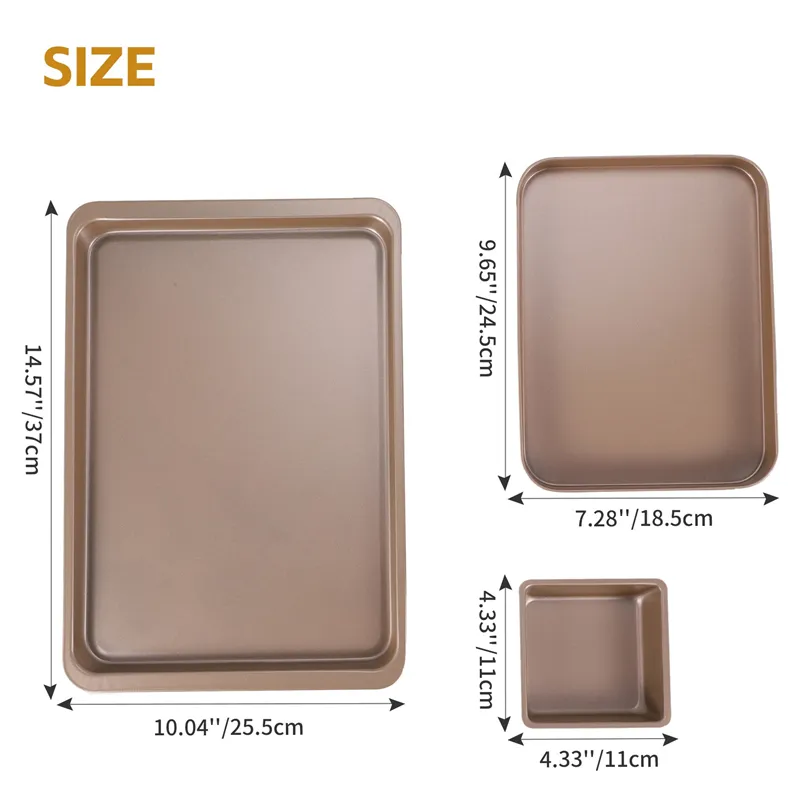
- Size Matters: Baking sheets come in standard sizes like quarter sheets, half sheets, and full sheets. Half sheets (approximately 18×13 inches) are the most versatile for home ovens. Consider your oven size and typical batch quantity when choosing.
- Manufacturer’s Instructions: Always review the care instructions regarding oven-safe temperatures, recommended utensils, and cleaning methods (especially dishwasher compatibility). This ensures the longevity of your specific bakeware.
- Budget: Ceramic baking sheets range in price. While it’s tempting to opt for the cheapest, investing in a reputable brand often pays off in terms of durability and performance.
Tips for Optimal Performance with Your Ceramic Baking Sheet
To ensure your ceramic baking sheet delivers its best performance and lasts for years, follow these practical tips:
- Preheat Wisely: Always preheat your oven to the desired temperature before placing the baking sheet inside. Avoid putting an empty ceramic pan into a hot oven without food, as this can stress the material.
- Grease Lightly (or Line): While non-stick, a light coating of butter or liquid-based oil (like olive or avocado oil) can further enhance food release. Avoid cooking sprays or aerosols, as they can leave a sticky residue that degrades the non-stick surface over time. For easy cleanup, parchment paper or silicone baking mats are excellent liners.
- Embrace Gentle Utensils: Metal utensils can scratch and damage the ceramic coating. Stick to wooden, silicone, plastic, or nylon spatulas and tools to protect your pan’s surface. Avoid cutting food directly on the baking sheet.
- Avoid Thermal Shock: Ceramic is susceptible to thermal shock, which can cause cracking. Always allow your baking sheet to cool completely before washing it with cold water.
- Oven-Only Zone: Most ceramic baking sheets are designed exclusively for oven use. Avoid using them on stovetops, grills, or under a broiler unless explicitly stated by the manufacturer. Broiling often exceeds the maximum safe temperature for ceramic coatings.
Cleaning and Storing Your Ceramic Baking Sheet
Proper care is essential for maintaining the non-stick quality and appearance of your ceramic baking sheet:
- Cool Down First: After baking, let the pan cool completely to room temperature. This prevents thermal shock and makes cleaning easier.
- Hand Wash is Best: For ceramic-coated pans, handwashing is highly recommended. Use warm water, mild dish soap, and a non-abrasive sponge or dishcloth. This preserves the non-stick coating and extends the pan’s life. While some 100% ceramic pans might be dishwasher safe, always refer to the manufacturer’s instructions.
- Tackle Stubborn Spots: For baked-on residue, soak the pan in warm, soapy water for 15-30 minutes. Then, gently scrub with a non-abrasive pad. Avoid harsh chemicals, steel wool, or abrasive cleaners, which can damage the surface.
- Dry Thoroughly: Ensure the pan is completely dry before storing to prevent water spots and potential rust on exposed metal rims (if applicable).
- Smart Storage: Store your ceramic baking sheets carefully to prevent scratches. If stacking, place a soft cloth, paper towel, or silicone mat between pans. Storing them vertically in a rack can also save space and protect surfaces.
Common Ceramic Baking Sheet Mistakes and How to Avoid Them
Even with the best intentions, it’s easy to fall into habits that can shorten the life of your beloved ceramic baking sheet. Here are common pitfalls and how to steer clear:
- Using Metal Utensils: This is perhaps the most frequent mistake. Metal spoons, spatulas, or knives can easily scratch and compromise the non-stick ceramic surface. Fix: Opt for wood, silicone, or nylon tools.
- Dishwasher Dependence for Coated Pans: While convenient, the harsh detergents and high heat in dishwashers can degrade ceramic coatings over time, reducing their non-stick effectiveness. Fix: Hand wash ceramic-coated pans with warm, soapy water.
- Ignoring Temperature Limits: Using a ceramic baking sheet under a broiler or at temperatures exceeding its manufacturer’s recommended maximum can damage the coating or the ceramic itself. Fix: Always check the temperature limits and avoid broiling unless specifically advised.
- Rapid Temperature Changes (Thermal Shock): Moving a hot pan directly into cold water can cause it to crack or warp due to thermal shock. Fix: Allow your ceramic baking sheet to cool down gradually to room temperature before washing.
- Using Abrasive Cleaners or Scouring Pads: Harsh scrubbing materials can scratch and ruin the delicate ceramic surface. Fix: Stick to soft sponges or cloths for cleaning; for tough spots, soak the pan first.
Recipe Ideas and Baking Hacks with Ceramic Baking Sheets
The versatility of a ceramic baking sheet makes it a star for a multitude of dishes. Its even heat distribution and non-stick properties open up a world of culinary possibilities:
- Sheet Pan Dinners: Embrace the simplicity of one-pan meals. Roast chicken and vegetables, sausage and peppers, or fish and asparagus for a quick, healthy, and easy-cleanup dinner.
- Perfectly Roasted Vegetables: Achieve tender-crisp results with broccoli, Brussels sprouts, potatoes, or carrots. The even heat ensures beautiful caramelization without burning.
- Baked Goods Galore: From classic chocolate chip cookies with perfectly golden bottoms to delicate pastries, the ceramic surface helps ensure consistent baking. For pure ceramic pans, consider baking pies, cobblers, and bread puddings for their excellent heat retention.
- Focaccia and Artisan Breads: The gentle, even heat of ceramic can contribute to a wonderfully crisp crust and tender interior for various bread recipes.
- Homemade Pizza: Achieve a delightfully crispy crust for your homemade pizzas by baking them directly on a preheated ceramic sheet.
Baking Hack: When baking cookies or other delicate items, rotate your ceramic baking sheet halfway through the baking time. This further ensures uniform cooking, especially if your oven has minor hot spots.
Frequently Asked Questions about Ceramic Baking Sheets
Q1: Are ceramic baking sheets truly non-stick?
A: Yes, both pure ceramic and ceramic-coated baking sheets offer excellent non-stick properties due to their smooth, glazed surfaces. This often reduces the need for excessive greasing and makes food release much easier.
Q2: Is a ceramic baking sheet safe for high temperatures?
A: Most ceramic baking sheets are oven-safe up to approximately 500°F (260°C). However, it’s crucial to always check the specific manufacturer’s instructions for your particular pan, as tolerances can vary.
Q3: How do ceramic baking sheets compare to metal ones for baking cookies?
A: Ceramic pans tend to heat more slowly and retain heat longer than metal pans, which can lead to more even cooking and less risk of burnt bottoms on cookies. However, metal pans generally provide faster, crisper browning. For cookies, ceramic offers a more gentle, consistent bake.
Q4: Can I put my ceramic baking sheet in the dishwasher?
A: While some 100% pure ceramic pans might be dishwasher-safe, most ceramic-coated baking sheets are best hand-washed. The harsh detergents and high heat of dishwashers can degrade the non-stick coating over time, shortening the pan’s lifespan.
Q5: What utensils should I use with a ceramic baking sheet?
A: To protect the non-stick surface from scratches, always use non-metal utensils such as those made from wood, silicone, or heat-resistant plastic or nylon. Avoid metal spatulas or knives.
Q6: Do ceramic baking sheets last long?
A: High-quality ceramic baking sheets, especially those made from 100% pure ceramic, are exceptionally durable and can last for many years, even generations, with proper care. Ceramic-coated pans also offer good longevity if their non-stick layer is well maintained.
Q7: Can I use cooking spray on my ceramic baking sheet?
A: It’s generally recommended to avoid cooking sprays or aerosols. They can leave a sticky residue that builds up over time and can be difficult to remove, potentially compromising the non-stick performance of your ceramic baking sheet. Opt for butter or liquid oils instead.
Conclusion
Choosing the right bakeware is a pivotal step in mastering your culinary craft, and the ceramic baking sheet emerges as a clear frontrunner for its blend of health, performance, and aesthetic appeal. Its non-toxic nature, superior non-stick capabilities, even heat distribution, and effortless cleaning make it an invaluable asset in any kitchen. By understanding its unique properties and committing to a few simple care guidelines, you’re not just buying a baking pan; you’re investing in countless delicious meals and a more enjoyable baking journey. So go ahead, experiment with new recipes, embrace healthier cooking, and let the ceramic baking sheet unlock a world of culinary delights for you!