Stepping into the world of baking can be both exhilarating and a little overwhelming, especially when it comes to choosing the right tools. Among the myriad of options available, the porcelain baking sheet stands out, promising not just functionality but also a touch of classic kitchen elegance. For home bakers, understanding the nuances of this distinctive bakeware can elevate your culinary creations, offering a unique baking experience that blends tradition with modern efficiency.
A porcelain baking sheet isn’t just another tray for your oven; it’s a statement piece and a workhorse designed to distribute heat evenly and provide a superior baking surface. Unlike its metallic counterparts, porcelain brings a certain charm and often a robust quality to your kitchen arsenal. But what truly sets it apart, and is it the right choice for your baking adventures?
|
Our Picks for the Best Baking Sheet in 2026
As an Amazon Associate I earn from qualifying purchases.
|
||
| Num | Product | Action |
|---|---|---|
| 1 | GoodCook Everyday Nonstick Carbon Steel Baking Sheet Set, 3 Pack – Small 13” x 9”, Medium 15” x 10”, Large 17” x 11” – Carbon Steel Cooking Pans, Cookie Sheet Bakeware Set |

|
| 2 | NutriChef 3-Piece Nonstick Kitchen Oven Baking Pans - Premium & Stylish Non-Stick Steel, Commercial Grade Restaurant Quality Metal Bakeware with Red Silicone Handles - Easy to Clean, NCSBS3S |
|
| 3 | GoodCook Everyday Nonstick Carbon Steel Baking Sheet Set, 3 Pack – Small 13” x 9”, Medium 15” x 10”, Large 17” x 11” – Carbon Steel Cooking Pans, Cookie Sheet Bakeware Set |
|
| 4 | Commercial Quality Baking Sheet Pan Set, Natural Aluminum Cookie Sheet, Umite Chef Warp Resistant Baker\'s Half Sheet Pan, Large Thick Cookie Tray Pans for Baking, Roasting(2 Pack, 18X13In) |
|
| 5 | Amazon Basics Ceramic Nonstick Baking Sheets & Cooling Rack Set, Non-Toxic, Half Sheet Size, 2-Pack, Gray |
|
| 6 | BRONYPRO Non Stick Ceramic Baking Sheet Pan Set of 3, Non Toxic Cookie Sheets (PFOA/PTFE Free), Aluminized Steel Oven Trays with Silicone Handles, Rust-Resistant, Warp-Resistant to 500°F, Light Gray |
|
| 7 | HONGBAKE Baking Sheet Pan Set of 3, Cookie Sheets for Oven, Nonstick Half/Quarter/Jelly Roll Pans with Diamond Texture Pattern, 0.8mm Thick Heavy Duty Cookie Tray, Champagne Gold |
|
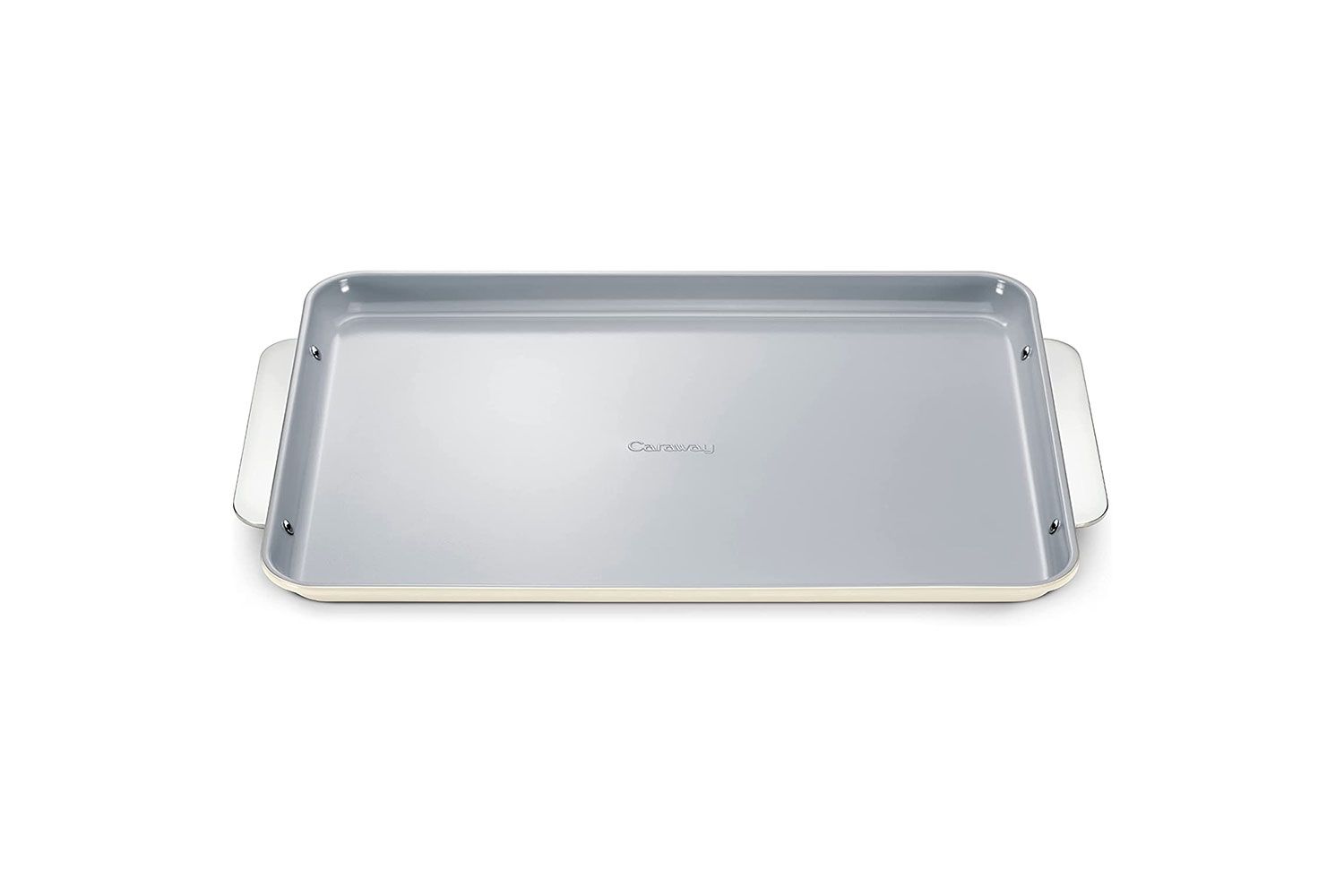
| 8 | Caraway Non-Stick Ceramic Baking Sheet Duo - Naturally Slick Ceramic Coating - Non-Toxic, PTFE & PFOA Free - 18 x 13\" Large & 15 x 10\" Medium - Slate |
|
| 9 | Caraway Non-Stick Ceramic Medium Baking Sheet - Naturally Slick Ceramic Coating - Non-Toxic, PTFE & PFOA Free - Perfect for Baking, Roasting, and More - Medium (15\" x 10\") - Gray |
|
| 10 | Caraway Non-Stick Ceramic Large Baking Sheet Duo - Naturally Slick Ceramic Coating - Non-Toxic, PTFE & PFOA Free - Perfect for Baking, Roasting, and More - Large (18\" x 13\") - White |
|
What Exactly is a Porcelain Baking Sheet?
When we talk about a porcelain baking sheet, we’re typically referring to bakeware made from ceramic materials, often coated with a vitreous enamel finish, which is essentially a type of glass fused to the ceramic or metal base at high temperatures. This creates a smooth, non-porous, and durable surface that is resistant to scratches, stains, and odors. While some might confuse it with ceramic, true porcelain offers a denser, less porous composition, leading to better heat retention and distribution. This unique construction allows for consistent baking, helping you achieve that perfect golden-brown crust or evenly cooked interior.
The history of using ceramic materials for cooking dates back centuries, evolving from simple clay pots to the refined porcelain we see today. Its appeal lies in its ability to withstand high temperatures, its ease of cleaning, and its aesthetic value, often transitioning beautifully from oven to table.
Delving into the Diverse World of Porcelain Baking Sheets
The market offers a fascinating array of baking sheets, and porcelain varieties bring their own unique characteristics to the table. Understanding these can help you pinpoint the ideal tool for your specific baking needs.
Materials and Construction
While the term “porcelain” refers to the finish, the base material can vary. Some high-quality baking sheets are made from stoneware or ceramic, then finished with a porcelain enamel glaze. Others might feature a steel core, providing structural integrity and quick heating, overlaid with a porcelain enamel coating. This fusion of materials aims to combine the best properties: the strength and heat conduction of metal with the non-reactive, easy-to-clean surface of porcelain enamel. The thickness of the material is also crucial, as thicker sheets tend to offer superior heat distribution and warp resistance.
The Non-Stick Factor
One of the most appealing features of a well-made porcelain enamel baking sheet is its natural non-stick properties. While not always as slick as PTFE-coated pans, the smooth, glassy surface of porcelain enamel significantly reduces sticking, especially when properly seasoned or greased. This makes parchment paper or silicone mats less of a necessity for many applications, simplifying your baking process and cleanup. Foods tend to release easily, preserving their shape and texture, which is a major win for delicate cookies or roasted vegetables.
Sizes and Shapes for Every Bake
Porcelain baking sheets come in a range of sizes to accommodate different ovens and baking projects. Common sizes include:
- Quarter Sheet (approx. 9×13 inches): Perfect for small batches, toaster ovens, or preparing side dishes.
- Half Sheet (approx. 13×18 inches): The most versatile and popular size, ideal for cookies, roasts, and everyday baking.
- Full Sheet (approx. 18×26 inches): Generally reserved for commercial ovens or very large home ovens, suitable for high-volume baking.
Beyond standard rectangles, you might find round porcelain baking stones or specialty shapes designed for specific dishes, further expanding your creative options.
How to Choose the Perfect Porcelain Baking Sheet for Your Kitchen
Selecting the right baking sheet is a personal decision, but focusing on a few key factors can guide you towards a smart choice.
What should I look for when buying a porcelain baking sheet?
When purchasing a porcelain baking sheet, prioritize sheets with a heavy gauge or thick construction, as this indicates better durability and heat distribution. Check for a smooth, chip-free enamel finish. Look for reputable brands known for quality bakeware, which often ensures the product is safe and performs as expected.
Considering Your Baking Needs
Think about what you bake most often. If you’re a cookie enthusiast, a half-sheet with a good non-stick surface is invaluable. For roasting vegetables or preparing oven-baked dinners, a larger, more robust sheet might be better. Do you need something that can go from oven to table for serving? Porcelain’s aesthetic appeal makes it a great candidate for this.
Evaluating Quality and Durability
Quality matters. A thicker porcelain enamel coating is less likely to chip or scratch over time. Look for sheets that feel substantial and solid, indicating good craftsmanship. Reinforced edges can prevent warping, especially when exposed to high temperatures. While porcelain is durable, it’s still susceptible to impact damage, so handle with care.
Price vs. Performance
Porcelain baking sheets often sit in a mid-to-high price range compared to basic aluminum sheets. However, their longevity, even heat distribution, and ease of cleaning can justify the investment. Consider it an upgrade that pays dividends in consistent baking results and reduced hassle. “Investing in a high-quality porcelain baking sheet is like upgrading to a luxury vehicle for your oven,” says Chef Elena Petrova, a renowned pastry chef. “The smooth ride, consistent performance, and easy cleanup make every baking journey a joy.”
Mastering Your Porcelain Baking Sheet: Tips for Optimal Baking
Getting the most out of your porcelain baking sheet involves understanding a few simple usage tips that can significantly improve your results.
Preheating for Perfection
Porcelain, like other ceramic materials, benefits from preheating. Placing your baking sheet in the oven as it preheats allows it to gradually come up to temperature, creating a hot, even surface for your food. This can help achieve a beautiful sear on roasted vegetables or a crisp bottom on baked goods.
The Right Temperature and Usage
Porcelain enamel is generally safe for high oven temperatures, but always check the manufacturer’s recommendations. Avoid extreme thermal shock – going directly from a very cold environment (like a freezer) to a very hot oven, or vice-versa, can sometimes cause chipping or cracking. For most baking, a moderate temperature is ideal for even cooking.
Parchment Paper and Silicone Mats
While porcelain offers good natural non-stick properties, using parchment paper or a silicone baking mat can provide an extra layer of protection, especially for delicate items, sticky glazes, or when you want absolutely no residue left behind. This also makes cleanup even quicker.
Cleaning and Caring for Your Porcelain Baking Sheet
Proper care ensures your porcelain baking sheet remains a cherished tool in your kitchen for years to come.
How do I clean a porcelain baking sheet?
To clean a porcelain baking sheet, allow it to cool completely before washing. Use warm, soapy water and a non-abrasive sponge or cloth. For stubborn, baked-on food, you can soak the sheet in hot soapy water for about 30 minutes to loosen residue. Avoid harsh scouring pads or metal utensils which can scratch the enamel surface.
Stain Removal Techniques
For minor discoloration or stains, a paste made from baking soda and water can work wonders. Apply the paste, let it sit for 15-30 minutes, then gently scrub and rinse. For more persistent stains, a non-abrasive cleaner specifically designed for enamel or ceramic surfaces can be used, following the product’s instructions carefully.
Proper Storage
Store your porcelain baking sheet flat or hung to prevent warping or chipping. If stacking, place a cloth or paper towel between sheets to protect the enamel surface from scratches. Ensure it’s completely dry before storing to prevent water spots or rust on any exposed metal edges.
Common Pitfalls and How to Avoid Them
Even experienced bakers can run into issues. Knowing common mistakes with porcelain baking sheets can save you frustration.
- Thermal Shock: As mentioned, avoid sudden temperature changes. Let your sheet cool down before washing, and don’t place a frozen item directly onto a blazing hot sheet without consideration for the material.
- Abrasive Cleaners: Say no to steel wool or harsh scrubbing pads. These will scratch the beautiful enamel finish, diminishing its non-stick properties and aesthetic appeal.
- Metal Utensils: While porcelain is durable, metal spatulas or knives can leave marks or even chip the surface. Opt for silicone, wood, or plastic utensils when working with your sheet.
- Overheating Empty: While porcelain is robust, prolonged extreme heat without food on the sheet can sometimes stress the material. Always have something baking when the sheet is in a hot oven.
Culinary Inspirations: Recipes and Baking Hacks
A porcelain baking sheet is incredibly versatile, perfect for a wide range of culinary delights.
Roasting Vegetables and Meats
The even heat of a porcelain sheet makes it ideal for roasting. Imagine perfectly caramelized Brussels sprouts, tender roasted chicken pieces, or crispy potato wedges. The surface helps create a beautiful crust while keeping the interior moist.
Baking Cookies and Pastries
For cookies, the consistent heat promotes even browning across the entire batch. Delicate pastries like croissants or turnovers will bake beautifully, achieving a flaky texture without sticking. Consider lining with parchment for extra delicate items.
Sheet Pan Dinners
Embrace the simplicity of sheet pan dinners. Arrange your favorite protein (chicken, sausage, tofu) and an assortment of vegetables on your porcelain sheet, drizzle with oil and seasonings, and roast until tender and flavorful. It’s a convenient, one-pan meal solution that’s easy to clean up.
Frequently Asked Questions About Porcelain Baking Sheets
Are porcelain baking sheets safe to use?
Yes, porcelain baking sheets are generally considered very safe. The enamel coating is non-reactive, meaning it won’t leach chemicals into your food, even when cooking acidic ingredients. They are also free of PFOA and PTFE found in some non-stick coatings.
Do porcelain baking sheets rust?
High-quality porcelain enamel coatings are rust-resistant. However, if the enamel chips and exposes the underlying metal (if it has a steel core), that exposed area could rust if not properly dried and cared for. Ensure your sheets are thoroughly dry before storing.
Can I put a porcelain baking sheet in the dishwasher?
Most porcelain baking sheets are dishwasher safe, but hand washing is often recommended to preserve the finish and prolong its life, especially for items with a heavy or delicate enamel coating. Always check the manufacturer’s instructions.
Are porcelain baking sheets good for high-temperature baking?
Yes, porcelain baking sheets are excellent for high-temperature baking. The material is designed to withstand and distribute intense heat evenly, making them suitable for roasting at higher temperatures, often up to 450-500°F (230-260°C), depending on the specific product.
What’s the difference between ceramic and porcelain baking sheets?
While often used interchangeably, true porcelain is a type of ceramic known for its dense, non-porous nature and high firing temperature, resulting in a stronger, more chip-resistant, and less absorbent material than general ceramic. Many “ceramic” baking sheets are actually ceramic-coated, which can refer to a wider range of materials.
The Perfect Choice for Your Baking Passion
The porcelain baking sheet is more than just a piece of bakeware; it’s an investment in quality, performance, and a touch of timeless style for your kitchen. Its ability to provide even heat, release food effortlessly, and clean up with ease makes it a valuable asset for any home baker, from novice to seasoned pro.
By understanding its characteristics, choosing a quality product, and practicing proper care, you’ll unlock the full potential of your porcelain baking sheet. So, go ahead, experiment with new recipes, rediscover old favorites, and let the consistent, reliable performance of your porcelain sheet elevate every dish you create. Happy baking!