Every home baker understands the pivotal role a reliable baking sheet plays in achieving culinary perfection. From golden-brown cookies to perfectly roasted vegetables, the right foundation makes all the difference. In recent years, the ceramic coated baking sheet has emerged as a popular choice, promising superior non-stick performance and a healthier alternative to traditional options. If you’re looking to elevate your baking game and invest in bakeware that truly delivers, understanding the ins and outs of this innovative kitchen essential is key.
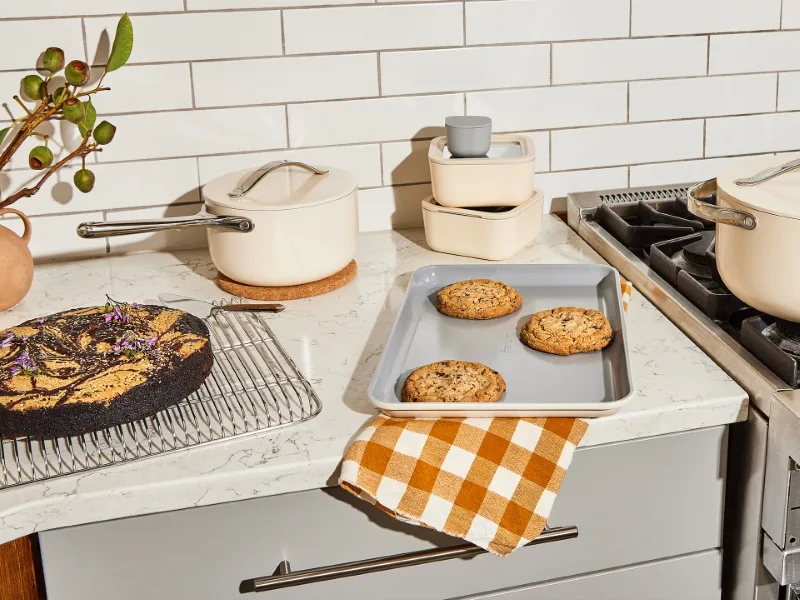
|
Our Picks for the Best Baking Sheet in 2026
As an Amazon Associate I earn from qualifying purchases.
|
||
| Num | Product | Action |
|---|---|---|
| 1 | BRONYPRO Non Stick Ceramic Baking Sheet Pan Set of 3, Non Toxic Cookie Sheets (PFOA/PTFE Free), Aluminized Steel Oven Trays with Silicone Handles, Rust-Resistant, Warp-Resistant to 500°F, Light Gray |

|
| 2 | GoodCook Everyday Nonstick Carbon Steel Baking Sheet Set, 3 Pack – Small 13” x 9”, Medium 15” x 10”, Large 17” x 11” – Carbon Steel Cooking Pans, Cookie Sheet Bakeware Set |
|
| 3 | Commercial Quality Baking Sheet Pan Set, Natural Aluminum Cookie Sheet, Umite Chef Warp Resistant Baker\'s Half Sheet Pan, Large Thick Cookie Tray Pans for Baking, Roasting(2 Pack, 18X13In) |
|
| 4 | NutriChef 3-Piece Nonstick Kitchen Oven Baking Pans - Premium & Stylish Non-Stick Steel, Commercial Grade Restaurant Quality Metal Bakeware with Red Silicone Handles - Easy to Clean, NCSBS3S |
|
| 5 | Caraway Non-Stick Ceramic Medium Baking Sheet - Naturally Slick Ceramic Coating - Non-Toxic, PTFE & PFOA Free - Perfect for Baking, Roasting, and More - Medium (15\" x 10\") - Gray |
|
| 6 | Caraway Non-Stick Ceramic Large Baking Sheet Duo - Naturally Slick Ceramic Coating - Non-Toxic, PTFE & PFOA Free - Perfect for Baking, Roasting, and More - Large (18\" x 13\") - White |
|
| 7 | Amazon Basics Ceramic Nonstick Baking Sheets & Cooling Rack Set, Non-Toxic, Half Sheet Size, 2-Pack, Gray |
|
| 8 | Caraway Non-Stick Ceramic Baking Sheet Duo - Naturally Slick Ceramic Coating - Non-Toxic, PTFE & PFOA Free - 18 x 13\" Large & 15 x 10\" Medium - Slate |
|
| 9 | HONGBAKE Baking Sheet Pan Set of 3, Cookie Sheets for Oven, Nonstick Half/Quarter/Jelly Roll Pans with Diamond Texture Pattern, 0.8mm Thick Heavy Duty Cookie Tray, Champagne Gold |
|
| 10 | GoodCook Everyday Nonstick Carbon Steel Baking Sheet Set, 3 Pack – Small 13” x 9”, Medium 15” x 10”, Large 17” x 11” – Carbon Steel Cooking Pans, Cookie Sheet Bakeware Set |
|
What Exactly is a Baking Sheet?
At its core, a baking sheet, often referred to as a cookie sheet or sheet pan, is a flat, rectangular metal pan designed for oven use. Its primary function is to provide a stable, heat-conducting surface for baking and roasting various foods. While their basic form has remained consistent for centuries, the materials and coatings used have evolved dramatically, offering bakers a wider array of choices to suit every need and preference. This evolution has brought us to the modern era of specialized bakeware, where options like the ceramic coated baking sheet stand out for their specific advantages.
Exploring the World of Baking Sheets: Materials Matter
Before diving deeper into ceramic-coated options, it’s worth noting the diverse landscape of baking sheet materials available today. Each brings its own set of characteristics to the oven:
- Aluminum: Lightweight, excellent heat conductor, and affordable. However, it can react with acidic foods and may scratch easily, potentially leaching into food.
- Stainless Steel: Durable, rust-resistant, and non-reactive. It conducts heat well and is often dishwasher-safe, though it can be more expensive.
- Glass: Retains heat exceptionally well, ideal for slow, even baking, and is non-reactive. It allows you to see the food as it bakes but is susceptible to thermal shock and breakage.
- Silicone: Known for its flexibility and natural non-stick properties, it’s easy to clean and affordable. However, concerns exist about potential chemical release at high temperatures.
Amidst these choices, the ceramic coated baking sheet presents a compelling blend of non-stick capability and health consciousness.
Ceramic Coated vs. Pure Ceramic: A Key Distinction
It’s important to differentiate between “pure ceramic” and “ceramic coated” bakeware. Pure ceramic baking trays are crafted entirely from natural minerals, such as clay, offering inherent non-stick qualities and excellent heat retention. These are often stoneware. A ceramic coated baking sheet, on the other hand, typically consists of a metal base (like aluminum or stainless steel) that has been treated with a sol-gel ceramic non-stick layer. This layer is usually derived from silica and oxygen, creating a smooth, slick surface. Both aim for non-stick performance, but their underlying composition differs, impacting heat distribution and durability nuances.
Why Choose a Ceramic Coated Baking Sheet? Unveiling the Core Value
The appeal of a ceramic coated baking sheet lies in several distinct advantages that cater to the modern baker’s desire for efficiency, health, and quality.
The Non-Stick Advantage: Effortless Release
One of the most significant benefits of ceramic coated bakeware is its superior non-stick surface. This allows food to release easily, minimizing breakage and ensuring your culinary creations maintain their perfect shape. Imagine cookies sliding off the tray or roasted vegetables lifting without a struggle – this is the everyday luxury a ceramic coating provides.
Health and Safety: A Toxin-Free Promise
Many bakers are increasingly concerned about the chemicals found in traditional non-stick coatings. This is where ceramic coated options truly shine. High-quality ceramic coatings are celebrated for being free from per- and polyfluoroalkyl substances (PFAS), including PTFE (Teflon) and PFOA, as well as lead and cadmium. This means you can bake with greater peace of mind, knowing that harmful substances are less likely to leach into your food, even when heated to high temperatures. As Dr. Evelyn Reed, a renowned food science expert, states, “Choosing bakeware that prioritizes health, like a well-made ceramic coated sheet, is a smart decision for any kitchen. It allows for delicious results without compromising on safety.”
Durability and Even Heating for Perfect Results
While typically applied over a metal substrate, the ceramic layer itself is often quite durable, offering resistance to scratches, wear, corrosion, and stains. This contributes to a longer lifespan for your baking sheet when properly cared for. Moreover, the combination of a metal core and ceramic coating generally promotes even heat distribution, helping to prevent hot spots that can lead to unevenly baked goods. This consistent heat ensures your food cooks thoroughly and develops a beautiful, uniform finish.
Cleaning Made Easy: Spend Less Time Scrubbing
Thanks to its non-stick nature, a ceramic coated baking sheet is remarkably easy to clean. Most residues can be wiped away with just warm water and mild soap, saving you from tedious scrubbing. This convenience is a major time-saver in any busy kitchen, allowing you to enjoy your delicious creations without dreading the cleanup.
How to Pick Your Perfect Ceramic Coated Baking Sheet
Choosing the right ceramic coated baking sheet involves considering a few key factors to match your baking style and kitchen needs.
- Size Matters: Baking sheets come in various sizes. Half-sheet pans (approx. 18×13 inches) are versatile and fit most home ovens, making them ideal for everyday baking and roasting. Quarter-sheet pans (approx. 13×9 inches) are great for smaller batches or toasting nuts. Consider what you bake most often.
- Core Material: The metal underneath the ceramic coating is usually aluminum or stainless steel. Aluminum offers excellent heat conduction, while stainless steel is known for its durability and non-reactivity. Both are good choices, but stainless steel might offer a slightly more robust feel.
- Coating Quality and Brand Reputation: Look for reputable brands that explicitly state their coatings are PFAS-free, lead-free, and cadmium-free. User reviews can also provide insights into the coating’s longevity and true non-stick performance.
- Price vs. Longevity: While ceramic coated sheets might be a slightly higher initial investment than basic aluminum, their durability and non-toxic benefits often make them a worthwhile long-term addition to your kitchen.
Master Your Ceramic Coated Baking Sheet: Tips for Optimal Performance
To get the most out of your ceramic coated baking sheet and ensure its longevity, here are some expert tips:
Prepping for Success: Oiling and Lining
While ceramic coatings are non-stick, a light layer of oil or parchment paper can further enhance food release and protect the surface, especially for delicate items. Avoid using non-stick sprays, as these can sometimes leave a residue that builds up over time and degrades the coating.
Temperature Control: The Low and Slow Approach
Ceramic coatings perform best with low to medium heat. High heat can accelerate the wear of the coating and reduce its non-stick effectiveness over time. Always preheat your oven gradually with the baking sheet inside, and avoid sudden temperature changes, such as placing a hot pan directly into cold water.
Choosing the Right Utensils
To prevent scratches and prolong the life of your non-stick surface, always opt for silicone, wooden, or plastic utensils. Metal spatulas or scrapers can damage the ceramic coating, even if it’s advertised as scratch-resistant.
Keeping Your Ceramic Coated Baking Sheet Pristine: Cleaning and Care
Proper cleaning and maintenance are crucial for preserving the performance and appearance of your ceramic coated baking sheet.
The Golden Rule: Cool Before You Clean
Never plunge a hot baking sheet into water. Rapid temperature changes can shock and damage the ceramic coating, potentially leading to cracks or chips. Always allow your baking sheet to cool completely to room temperature before washing.
Gentle Washing is Key
Hand washing with warm water, a mild dish soap, and a soft sponge is generally recommended, even if the manufacturer states it’s dishwasher safe. Dishwashers, with their harsh detergents and high heat cycles, can be abrasive to non-stick coatings over time.
Tackling Stubborn Messes
For any stubborn, stuck-on food bits, create a paste with baking soda and a little water. Apply it to the affected area, let it sit for 15-20 minutes, then gently scrub with a soft sponge. This natural abrasive is effective without damaging the coating.
Smart Storage for Longevity
When storing your ceramic coated baking sheet, avoid stacking it directly under or on top of other heavy metal pans that could scratch the surface. Place a soft cloth, a paper towel, or a pan protector between your baking sheets to safeguard the coating.
Common Ceramic Coated Baking Sheet Mistakes and How to Avoid Them
Even with the best intentions, mistakes can happen. Here’s how to steer clear of common pitfalls:
- Using Too High Heat: As mentioned, prolonged high heat can degrade the coating. Stick to recommended temperatures for optimal performance and longevity.
- Sudden Temperature Changes: Avoid transferring a hot sheet to cold water or a cold sheet directly into a very hot oven without preheating.
- Abrasive Cleaners or Scouring Pads: These can scratch and damage the delicate ceramic surface. Always use soft sponges and mild detergents.
- Metal Utensils: Steer clear of metal spatulas, knives, or other sharp objects that can mar the coating.
- Ignoring Wear Signs: If your coating starts to become rough, grainy, or loses its non-stick properties despite proper care, it might be time for a replacement.
Beyond the Basics: Recipes and Baking Ideas with Your Ceramic Coated Sheet
A ceramic coated baking sheet is incredibly versatile, making it a star player for a multitude of dishes:
- Perfectly Roasted Vegetables: From root vegetables to delicate asparagus, the even heat and non-stick surface ensure tender interiors and beautifully caramelized exteriors.
- Golden-Brown Cookies: The non-stick surface means cookies spread evenly and release effortlessly, resulting in perfectly shaped treats every time.
- Effortless Sheet Pan Dinners: Combine proteins and vegetables on a single sheet for a quick, healthy, and incredibly easy weeknight meal with minimal cleanup.
- Crispy Baked Goods: Think perfectly puffed pastries, artisan bread, or even homemade pizza where a reliable, even heat source is paramount.
Frequently Asked Questions About Ceramic Coated Baking Sheets
Are ceramic coated baking sheets truly non-toxic?
Yes, high-quality ceramic coated baking sheets are generally considered non-toxic. They are typically free from PFAS, PTFE, PFOA, lead, and cadmium, which are harmful chemicals found in some traditional non-stick coatings.
How long do ceramic coatings last?
The lifespan of a ceramic coating varies depending on usage frequency, care, and quality. With proper maintenance (using low-medium heat, gentle cleaning, and non-metal utensils), a good quality ceramic coated baking sheet can last for several years, though the non-stick properties may diminish over time.
Can I use metal utensils on them?
It is strongly advised to avoid using metal utensils on a ceramic coated baking sheet. While some coatings are advertised as scratch-resistant, metal can still damage the surface and reduce its non-stick effectiveness. Opt for silicone, wood, or plastic utensils.
Are they dishwasher safe?
While some manufacturers claim their ceramic coated baking sheets are dishwasher safe, hand washing is generally recommended. The harsh detergents and high temperatures of dishwashers can degrade the non-stick coating over time, shortening its lifespan.
What’s the best way to store them?
To protect the ceramic coating from scratches and chips, store your baking sheets with a soft cloth, paper towel, or pan protector placed between them. Avoid stacking them directly under heavy or abrasive cookware.
In conclusion, investing in a high-quality ceramic coated baking sheet is more than just buying another kitchen tool; it’s an upgrade to your baking experience. With its health-conscious, non-stick surface, even heating, and easy cleanup, it empowers you to create delicious dishes with greater confidence and less fuss. Embrace the joy of baking and explore new recipes, knowing that your “Bếp Nướng Hoàn Hảo” sheet pan is designed to support your culinary passion every step of the way.