Stepping into the kitchen, many home cooks dream of efficiency and versatility. We yearn for tools that simplify elaborate meals and empower us to create culinary masterpieces with ease. Enter the unsung hero of the modern kitchen: the baking sheet. While standard sizes serve their purpose, the desire for more capacity often leads us to explore larger options. For those seeking to elevate their baking and roasting game, the 24 inch baking sheet stands out as a true game-changer, pushing the boundaries of what’s possible in a home oven. At Perfect Bake, we understand this quest for culinary excellence, and we’re here to guide you through the core value and immense potential of this generously sized kitchen essential.
|
Our Picks for the Best Baking Sheet in 2026
As an Amazon Associate I earn from qualifying purchases.
|
||
| Num | Product | Action |
|---|---|---|
| 1 | BRONYPRO Non Stick Ceramic Baking Sheet Pan Set of 3, Non Toxic Cookie Sheets (PFOA/PTFE Free), Aluminized Steel Oven Trays with Silicone Handles, Rust-Resistant, Warp-Resistant to 500°F, Light Gray |

|
| 2 | GoodCook Everyday Nonstick Carbon Steel Baking Sheet Set, 3 Pack – Small 13” x 9”, Medium 15” x 10”, Large 17” x 11” – Carbon Steel Cooking Pans, Cookie Sheet Bakeware Set |
|
| 3 | NutriChef 3-Piece Nonstick Kitchen Oven Baking Pans - Premium & Stylish Non-Stick Steel, Commercial Grade Restaurant Quality Metal Bakeware with Red Silicone Handles - Easy to Clean, NCSBS3S |
|
| 4 | Commercial Quality Baking Sheet Pan Set, Natural Aluminum Cookie Sheet, Umite Chef Warp Resistant Baker\'s Half Sheet Pan, Large Thick Cookie Tray Pans for Baking, Roasting(2 Pack, 18X13In) |
|
| 5 | GoodCook Everyday Nonstick Carbon Steel Baking Sheet Set, 3 Pack – Small 13” x 9”, Medium 15” x 10”, Large 17” x 11” – Carbon Steel Cooking Pans, Cookie Sheet Bakeware Set |
|
| 6 | HONGBAKE Baking Sheet Pan Set of 3, Cookie Sheets for Oven, Nonstick Half/Quarter/Jelly Roll Pans with Diamond Texture Pattern, 0.8mm Thick Heavy Duty Cookie Tray, Champagne Gold |
|
| 7 | Caraway Non-Stick Ceramic Medium Baking Sheet - Naturally Slick Ceramic Coating - Non-Toxic, PTFE & PFOA Free - Perfect for Baking, Roasting, and More - Medium (15\" x 10\") - Gray |
|
| 8 | Caraway Non-Stick Ceramic Baking Sheet Duo - Naturally Slick Ceramic Coating - Non-Toxic, PTFE & PFOA Free - 18 x 13\" Large & 15 x 10\" Medium - Slate |
|
| 9 | Caraway Non-Stick Ceramic Large Baking Sheet Duo - Naturally Slick Ceramic Coating - Non-Toxic, PTFE & PFOA Free - Perfect for Baking, Roasting, and More - Large (18\" x 13\") - White |
|
| 10 | Amazon Basics Ceramic Nonstick Baking Sheets & Cooling Rack Set, Non-Toxic, Half Sheet Size, 2-Pack, Gray |
|
What Exactly is a “24 Inch Baking Sheet”?
When we talk about a “24 inch baking sheet,” it’s important to clarify what this typically means in a home kitchen context, as it’s not a standard nomenclature like “half-sheet” or “full-sheet.” Traditionally, baking sheets come in a few common sizes:
- Quarter Sheet: Approximately 9 x 13 inches, perfect for small batches or toaster ovens.
- Half Sheet: The most popular size for home use, measuring around 13 x 18 inches, ideal for a dozen cookies or a moderate roast.
- Full Sheet: A hefty 18 x 26 inches, primarily designed for commercial ovens due to its large footprint.
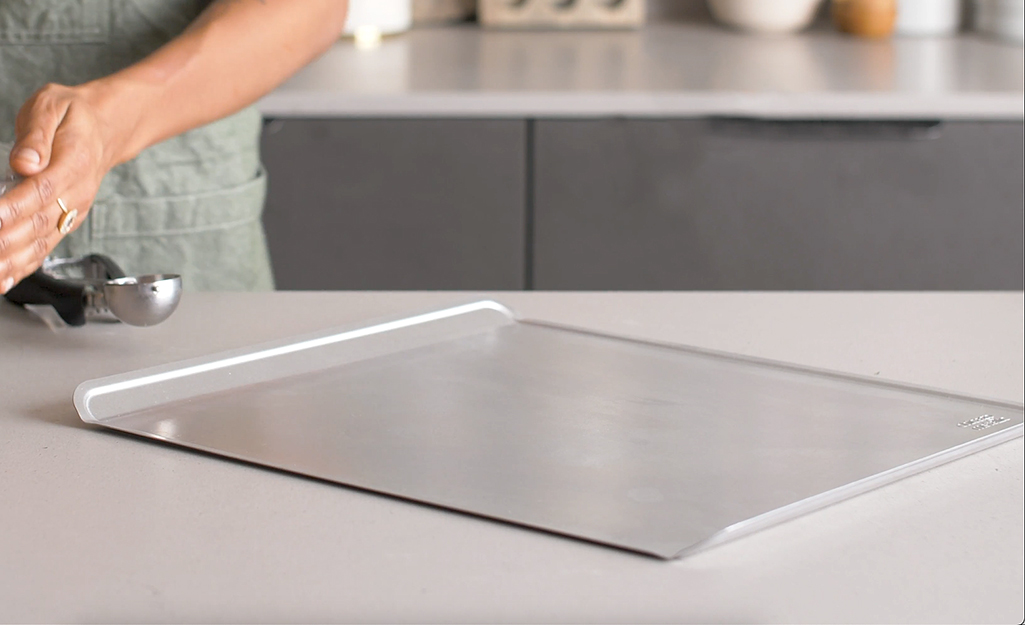
A “24 inch baking sheet” often refers to a pan that maximizes usable space within a larger residential oven, typically aligning with what’s known as a two-thirds size sheet pan, which generally measures around 16 x 22 inches. This size strikes a sweet spot, offering significantly more surface area than a half-sheet without requiring a commercial setup. It’s the go-to for home chefs who regularly cook for larger families, entertain frequently, or simply appreciate the efficiency of preparing more food in a single batch.
The Unrivaled Benefits of a Large Baking Sheet in Your Kitchen
Embracing a generously sized baking sheet, such as a 24 inch baking sheet, unlocks a new level of kitchen performance and convenience.
Efficiency and Time-Saving
Imagine preparing an entire meal on a single pan. With a large baking sheet, this becomes a reality. You can roast multiple vegetables and a protein simultaneously, drastically reducing cooking time and cleanup. This “sheet pan dinner” concept is a lifesaver for busy weeknights, allowing you to maximize oven space and minimize your post-dinner chores. Less time spent shuffling pans means more time enjoying your creations.
Even Cooking and Optimal Roasting
One of the biggest culprits of unevenly cooked food is overcrowding. When too much food is packed onto a smaller pan, it steams rather than roasts, leading to soggy results. A 24 inch baking sheet provides ample space, ensuring that ingredients have enough room to breathe. This allows for better air circulation, promoting superior caramelization and even browning, whether you’re baking cookies, roasting root vegetables, or crisping up chicken wings. Everything gets the direct heat it needs to turn golden and delicious.
Versatility Beyond Measure
While “baking sheet” is in the name, these pans are incredibly versatile workhorses. A large sheet pan isn’t just for cookies; it’s a culinary canvas. Use it for baking: from a huge batch of your favorite chocolate chip cookies to perfectly puffed pastries. It’s also superb for roasting: think tender chicken thighs with crispy skin alongside vibrant broccoli and sweet potatoes. Beyond these, a 24 inch baking sheet can be used to flash-freeze individual portions of fruit for smoothies, catch drips under pies, or even serve as a convenient tray for transporting prepped ingredients.
Entertaining Made Easy
Hosting a dinner party or a family gathering? A large baking sheet is your secret weapon. Its expansive surface allows you to prepare substantial quantities of appetizers, side dishes, or even a main course like a sheet pan pizza, all at once. This capacity means less time hovering over the oven and more time engaging with your guests, truly making your entertaining effortless and enjoyable.
Choosing Your Perfect 24-Inch Baking Sheet: A Deep Dive
Selecting the ideal large baking sheet involves understanding various factors, from material to construction. Each element plays a crucial role in its performance and longevity.
Material Matters
The material of your baking sheet directly impacts its heat conductivity, durability, and how your food cooks.
- Aluminum (Uncoated & Hard-Anodized): Uncoated aluminum is a popular choice for its excellent heat conductivity, allowing pans to heat up and cool down quickly, which helps prevent overcooking. It’s typically lightweight and affordable. However, it can react with acidic foods and may darken over time. Hard-anodized aluminum offers enhanced durability and a non-reactive surface.
- Aluminized Steel: This material combines the strength of steel with the heat conduction benefits of aluminum. It’s known for even heating, warp resistance, and often features a non-stick coating. It’s a favorite for many professional and home bakers due to its robust performance.
- Stainless Steel: Stainless steel baking sheets are highly durable, rust-resistant, and non-reactive, making them a sturdy option. They conduct heat well and are often dishwasher-safe. However, they can sometimes be more expensive and may not distribute heat as evenly as aluminum, potentially leading to hot spots.
- Ceramic Coated: Often applied over an aluminized steel base, ceramic coatings provide a fantastic non-stick surface, making food release and cleanup a breeze. While highly effective, the coating’s durability can vary, and it requires gentle care to prevent scratching.
Construction & Features
Beyond the material, specific design elements contribute to a baking sheet’s overall quality and performance.
- Rolled and Reinforced Edges: Look for baking sheets with reinforced rolled edges. This design feature significantly prevents warping and buckling, common issues when pans are exposed to drastic temperature changes in a hot oven.
- Gauge (Thickness): The gauge refers to the thickness of the metal. Lower gauge numbers indicate thicker material. Thicker pans are generally more durable, less prone to warping, and offer more even heat distribution. A good quality large baking sheet should feel sturdy, not flimsy.
- Rimmed vs. Rimless: For the versatility of a 24 inch baking sheet, always opt for a rimmed pan. The raised edges on all four sides are essential for containing liquids, preventing food from sliding off, and making it suitable for roasting vegetables, sheet pan dinners, and more. Rimless cookie sheets are designed for easy sliding of cookies onto a cooling rack but are less versatile for general cooking.
Size Compatibility: Will it Fit Your Oven?
Before committing to a 24 inch baking sheet, meticulously measure the interior of your oven. While a 2/3 size (approx. 16 x 22 inches) is designed to fit many larger home ovens, oven dimensions can vary. Pay close attention to the oven rack’s width and depth, leaving enough clearance for air circulation and easy retrieval of the pan. A pan that’s too snug will impede airflow, leading to uneven cooking.
Mastering Your Large Baking Sheet: Tips for Optimal Performance
Once you have your magnificent 24 inch baking sheet, mastering its use will elevate your culinary results.
- Preheat Thoroughly: Always preheat your oven and, ideally, the baking sheet itself. A preheated pan creates a searing effect, leading to better browning and crispier textures, especially for roasted vegetables and proteins.
- Use Parchment Paper or Silicone Mats: For easy food release and even easier cleanup, always line your baking sheet with parchment paper or a silicone baking mat. This not only makes transferring food effortless but also protects your pan from baked-on grime and extends the life of non-stick coatings.
- Avoid Overcrowding: While a large baking sheet offers ample space, resist the urge to pack it too full. Give ingredients room to breathe to ensure proper caramelization and prevent steaming. If necessary, use two pans or cook in batches.
- Even Spreading: Distribute food in a single, even layer across the entire surface of the 24 inch baking sheet. This ensures uniform exposure to heat, leading to consistent cooking and browning.
- Rotate for Consistency: Even the best ovens can have hot spots. For perfectly even cooking, rotate your baking sheet halfway through the cooking process. This simple step can make a big difference, especially when baking delicate items or roasting for extended periods.
Keeping Your Large Baking Sheet Pristine: Cleaning and Care
A well-maintained 24 inch baking sheet will serve you faithfully for years. Proper cleaning and care are crucial, especially considering the inevitable baked-on residue that accumulates over time.
- Hand Washing is Key: For optimal results and to prolong the life of your bakeware, hand washing with warm, soapy water is almost always recommended. This is particularly true for aluminum pans (which can discolor in dishwashers) and non-stick pans, as harsh dishwasher detergents can degrade the non-stick coating.
- Tackling Baked-On Stains: For stubborn messes, several effective DIY cleaning solutions can restore your pan’s luster:
- Baking Soda and Vinegar: Sprinkle baking soda generously over the pan, then spray with white vinegar. Let it fizz and sit for 15-30 minutes, then scrub gently with a non-abrasive sponge.
- Baking Soda and Hydrogen Peroxide: For tougher stains on aluminum or aluminized steel (avoid for non-stick), create a paste with baking soda and hydrogen peroxide, spread it on, and let it sit for a couple of hours before scrubbing.
- Cream of Tartar and Vinegar: Mix equal parts cream of tartar and white vinegar into a paste, apply, let it dry, then scrub off.
- Avoid Abrasive Scrubbers: Never use steel wool or harsh abrasive scrubbers on non-stick surfaces, as they will scratch and damage the coating. For other materials, gentle nylon scrubbers or even aluminum foil crumpled into a ball can be effective for tough spots.
- Don’t Fear the Darkening: It’s natural for baking sheets to darken over time due to exposure to high heat and the caramelization of oils and sugars. This “patina” generally doesn’t affect performance and is a sign of a well-loved pan.
Common Baking Sheet Blunders and How to Fix Them
Even experienced cooks can encounter challenges with their baking sheets. Here are some common issues and their solutions:
- Warping: This often happens due to a thin gauge or sudden temperature changes. To prevent it, invest in thicker, heavier-gauge pans, ideally with reinforced rolled edges. Allow pans to cool gradually before washing.
- Uneven Cooking: This is typically a result of overcrowding. Ensure your food has enough space on the 24 inch baking sheet to cook evenly. Rotating the pan halfway through can also help mitigate hot spots.
- Sticking: If food consistently sticks, ensure you’re adequately greasing the pan, using parchment paper, or investing in a quality non-stick pan. If your non-stick coating is worn, it might be time for a replacement.
- Discoloration and Residue Buildup: As mentioned, some darkening is natural. However, excessive buildup affects performance and taste. Regular cleaning after each use and occasional deep cleaning will keep your pan in top shape.
Beyond the Basics: Creative Uses and Expert Insights
A 24 inch baking sheet invites creativity in the kitchen. Imagine crafting a massive sheet pan focaccia, perfect for sharing, or roasting a large turkey breast for holiday meals. You can even use it to create individual “pizza stations” for a fun family night.
“The versatility of a large baking sheet is truly unmatched,” says Chef Lena Petrova, Head of Culinary Innovation at Perfect Bake. “It allows home cooks to approach meal preparation with a chef’s mindset, thinking about maximizing space and streamlining processes. From large-batch cookies to a full Sunday roast, a well-chosen 24 inch baking sheet transforms everyday cooking into an effortless art.”
Frequently Asked Questions (FAQ)
What’s the difference between a baking sheet and a cookie sheet?
A baking sheet, also known as a sheet pan, typically has raised edges on all four sides, making it versatile for roasting vegetables, meats, and containing liquids. A cookie sheet usually has only one raised edge or is rimless, designed for easily sliding baked cookies off onto a cooling rack. For general use, a rimmed baking sheet like a 24 inch baking sheet is more versatile.
Can I use aluminum foil instead of parchment paper on a baking sheet?
Yes, aluminum foil can be used, especially for roasting. However, parchment paper offers superior non-stick properties and helps prevent over-browning on the bottom of delicate items. Foil can sometimes stick to certain foods or react with acidic ingredients, affecting flavor or creating stubborn residue.
Is a dark baking sheet better than a light one?
Darker baking sheets absorb more heat, which can lead to faster browning and crispier results, sometimes requiring a slight adjustment in baking time or temperature. Lighter-colored sheets reflect more heat, promoting more even, gentler baking. The “patina” or natural darkening of a light pan over time generally doesn’t make it perform like a dark pan.
How do I prevent my baking sheet from warping?
Choose a heavy-gauge baking sheet with reinforced rolled edges, as these are more resistant to warping. Avoid extreme temperature changes, such as placing a hot pan directly into cold water. Allowing the pan to cool gradually before washing can help maintain its structural integrity.
How often should I replace my baking sheet?
The lifespan of a baking sheet depends on its material, quality, and how it’s cared for. Replace a baking sheet if it becomes significantly warped, if a non-stick coating is heavily scratched or peeling (which can be a health concern), or if it’s developing persistent rust. A well-cared-for, high-quality aluminum or aluminized steel pan can last for decades.
Unlock Your Culinary Potential with a 24 Inch Baking Sheet
The 24 inch baking sheet, particularly in its practical 2/3 size (around 16 x 22 inches), is far more than just a piece of bakeware; it’s an investment in your culinary journey. It’s about empowering you to cook smarter, not harder, to tackle ambitious recipes, and to effortlessly prepare delicious meals for any occasion. From its incredible capacity and versatility to its durable construction, a high-quality large baking sheet from Perfect Bake is designed to be a cornerstone of your kitchen, inspiring confidence and creativity with every dish. Embrace the power of more space, more efficiency, and more flavor. Your passion for baking and cooking deserves nothing less.