Every home cook dreams of a kitchen tool that can do it all – from delicate pastries to hearty roasted dinners. Enter the deep baking sheet, a true workhorse that often gets overlooked. More than just a flat surface for cookies, this versatile pan can revolutionize your cooking and baking, transforming everyday meals into effortless culinary triumphs. If you’ve been wondering how to choose the best one or unlock its full potential, you’ve come to the right place.
|
Our Picks for the Best Baking Sheet in 2026
As an Amazon Associate I earn from qualifying purchases.
|
||
| Num | Product | Action |
|---|---|---|
| 1 | Caraway Non-Stick Ceramic Baking Sheet Duo - Naturally Slick Ceramic Coating - Non-Toxic, PTFE & PFOA Free - 18 x 13\" Large & 15 x 10\" Medium - Slate |

|
| 2 | GoodCook Everyday Nonstick Carbon Steel Baking Sheet Set, 3 Pack – Small 13” x 9”, Medium 15” x 10”, Large 17” x 11” – Carbon Steel Cooking Pans, Cookie Sheet Bakeware Set |
|
| 3 | HONGBAKE Baking Sheet Pan Set of 3, Cookie Sheets for Oven, Nonstick Half/Quarter/Jelly Roll Pans with Diamond Texture Pattern, 0.8mm Thick Heavy Duty Cookie Tray, Champagne Gold |
|
| 4 | Caraway Non-Stick Ceramic Medium Baking Sheet - Naturally Slick Ceramic Coating - Non-Toxic, PTFE & PFOA Free - Perfect for Baking, Roasting, and More - Medium (15\" x 10\") - Gray |
|
| 5 | Commercial Quality Baking Sheet Pan Set, Natural Aluminum Cookie Sheet, Umite Chef Warp Resistant Baker\'s Half Sheet Pan, Large Thick Cookie Tray Pans for Baking, Roasting(2 Pack, 18X13In) |
|
| 6 | GoodCook Everyday Nonstick Carbon Steel Baking Sheet Set, 3 Pack – Small 13” x 9”, Medium 15” x 10”, Large 17” x 11” – Carbon Steel Cooking Pans, Cookie Sheet Bakeware Set |
|
| 7 | Caraway Non-Stick Ceramic Large Baking Sheet Duo - Naturally Slick Ceramic Coating - Non-Toxic, PTFE & PFOA Free - Perfect for Baking, Roasting, and More - Large (18\" x 13\") - White |
|
| 8 | BRONYPRO Non Stick Ceramic Baking Sheet Pan Set of 3, Non Toxic Cookie Sheets (PFOA/PTFE Free), Aluminized Steel Oven Trays with Silicone Handles, Rust-Resistant, Warp-Resistant to 500°F, Light Gray |
|
| 9 | Amazon Basics Ceramic Nonstick Baking Sheets & Cooling Rack Set, Non-Toxic, Half Sheet Size, 2-Pack, Gray |
|
| 10 | NutriChef 3-Piece Nonstick Kitchen Oven Baking Pans - Premium & Stylish Non-Stick Steel, Commercial Grade Restaurant Quality Metal Bakeware with Red Silicone Handles - Easy to Clean, NCSBS3S |
|
Understanding the Deep Baking Sheet
What exactly sets a “deep baking sheet” apart? While many might picture a flat, rimless cookie sheet, a deep baking sheet, often called a sheet pan or jelly roll pan, boasts distinct raised edges, typically ranging from 1 to 2 inches in depth. These crucial rims are what make it a kitchen MVP, keeping juices, sauces, and ingredients contained, preventing spills and messes in your oven. This design distinguishes it from flatter cookie sheets, primarily designed for items that don’t spread much, and from much deeper roasting pans, which are usually reserved for larger cuts of meat.
The concept of the sheet pan isn’t new; it has been a staple in commercial kitchens for decades, where efficiency and batch cooking are paramount. Chefs and bakers rely on these sturdy, rimmed trays for everything from preparing ingredients to roasting large quantities of food. Today, their undeniable utility has brought them into home kitchens, proving that professional-grade tools can make a significant difference in daily cooking.
The Many Faces of Deep Baking Sheets: Materials & Features
The material of your deep baking sheet plays a crucial role in its performance and durability. Understanding the options available will help you make an informed choice for your culinary adventures.
Aluminum: The Classic Performer
Aluminum is a popular choice for deep baking sheets due to its excellent heat conductivity. It heats up quickly and evenly, ensuring consistent baking and browning results. Most commercial-grade sheet pans are made from pure aluminum, which is naturally rust-resistant. However, aluminum can react with acidic foods (like tomatoes or vinegar), potentially causing discoloration on the pan or imparting a metallic taste to your food. For this reason, many prefer to line aluminum pans with parchment paper or silicone mats.
Aluminized Steel: The Durable Workhorse
Aluminized steel offers the best of both worlds: the superior heat distribution of aluminum combined with the strength and durability of steel. These pans are generally less prone to warping, denting, or corroding than pure aluminum. Often, aluminized steel deep baking sheets come with a non-stick coating, further enhancing their ease of use and cleanup. They are built to withstand frequent use and high temperatures, making them a favorite among serious home cooks.
Stainless Steel: Sturdy & Non-Reactive
While less common for standard deep baking sheets, stainless steel offers a non-reactive surface that won’t interact with acidic ingredients, making it ideal for a wider range of dishes. Stainless steel pans are incredibly durable and rust-resistant, but they don’t conduct heat as efficiently as aluminum, which can sometimes lead to less even browning. High-quality stainless steel options are often thicker to compensate for this, ensuring better heat retention.
Non-stick Coatings: Convenience & Care
Many deep baking sheets feature a non-stick coating, which promises easy food release and simpler cleanup. While convenient, it’s important to note that darker non-stick coatings absorb more heat, which can cause foods to brown faster, sometimes leading to overcooked exteriors and undercooked interiors. If using a dark non-stick pan, consider lowering your oven temperature by 25 degrees Fahrenheit and checking for doneness earlier than the recipe suggests. These coatings also require gentle care to prevent scratching and flaking, often meaning hand washing is recommended.
Key Features to Look For
Beyond material, several design elements contribute to a superior deep baking sheet:
- Rim Depth: Look for pans with at least a 1-inch rim to effectively contain liquids and prevent spills, especially for roasting or sheet pan meals.
- Gauge (Thickness): Thicker, heavier-gauge pans are less likely to warp under high heat, providing more consistent results and a longer lifespan.
- Rolled Edges: Reinforced, rolled, or encapsulated edges add strength and rigidity, further preventing warping and making the pan easier and safer to handle.
- Handles: While not always present on traditional sheet pans, some deeper baking pans include integrated handles for easier maneuvering in and out of the oven.
Choosing Your Perfect Deep Baking Sheet
Selecting the right deep baking sheet depends on your oven, your cooking style, and your culinary ambitions.
Consider Your Oven Size
Deep baking sheets come in various standard sizes, primarily dictated by commercial kitchen standards, but adapted for home use:
- Full-size (26 x 18 inches): Generally too large for standard home ovens, these are mostly for commercial use.
- Half-size (18 x 13 inches): This is the most popular and versatile size for home kitchens, fitting comfortably in most standard ovens. It’s perfect for everything from a dozen cookies to a full sheet pan dinner.
- Quarter-size (13 x 9 inches): Ideal for smaller batches, toaster ovens, or when cooking for one or two people. They’re also great for freezing pre-portioned cookie dough or roasting small amounts of vegetables.
- Eighth-size (9 x 6.5 inches): These mini pans are handy for very small tasks like toasting nuts or reheating a single slice of pizza.
Always measure your oven interior before purchasing a new pan, especially if you’re considering larger “half-sheet” sizes, to ensure a comfortable fit and adequate airflow.
Baking Needs vs. Roasting Needs
While deep baking sheets are incredibly versatile, consider your primary usage. For delicate baked goods like cookies or light-colored cakes, a lighter-colored aluminum or aluminized steel pan is often preferred for more even browning. For roasting vegetables or meats, where a good sear is desired, darker or uncoated pans can work well, though remember the temperature adjustment for dark non-stick. If you frequently make dishes with a lot of liquid, like casseroles or lasagna (though technically these fall into the “baking pan” category due to deeper sides), ensure your chosen sheet pan has sufficiently high rims.
Budget and Longevity
Investing in a good quality deep baking sheet is worthwhile. While inexpensive, thinner pans might seem appealing, they are more prone to warping and uneven heating, leading to frustrating results and a shorter lifespan. Higher-quality, thicker-gauge aluminum or aluminized steel pans, like those from Nordic Ware or Chicago Metallic, might have a higher upfront cost but will perform consistently and last for years, often coming with impressive warranties.
Unleash the Potential: Pro Tips for Using Your Deep Baking Sheet
Maximizing your deep baking sheet’s performance is all about technique.
Preheating for Perfection
For many savory dishes, especially those involving roasting vegetables or achieving a crispy crust, preheating your deep baking sheet in the oven before adding food can make a significant difference. This helps to create an instant sear when food hits the hot surface, preventing sticking and promoting delicious browning.
The Magic of Parchment Paper and Silicone Mats
Even with non-stick pans, lining your deep baking sheet with parchment paper or a silicone baking mat is a game-changer. These liners prevent sticking, ensure easy cleanup, and promote more even baking by creating a barrier between the food and the hot metal. For cookies, parchment paper is particularly effective in preventing burnt bottoms and facilitating easy transfer.
Avoiding Overcrowding
One of the most common mistakes is overcrowding the pan. When too much food is crammed onto a deep baking sheet, it traps steam, preventing proper browning and resulting in soggy rather than crispy textures. Always leave ample space between ingredients to allow hot air to circulate freely. If you have a large batch, use two pans or cook in stages.
Temperature Adjustments for Darker Pans
As mentioned, darker-toned bakeware, especially non-stick, absorbs and retains heat more intensely. To avoid over-browning or burning, it’s a good practice to reduce the oven temperature by 25 degrees Fahrenheit and begin checking for doneness a few minutes earlier than the recipe indicates.
Beyond Baking: Sheet Pan Meals and More
Deep baking sheets are incredibly versatile. They are perfect for:
- Roasting: Vegetables, chicken pieces, fish, potatoes – the possibilities are endless. The high sides contain all the delicious juices.
- Sheet Pan Dinners: Combine protein and vegetables on one pan for an easy, flavorful, and minimal-cleanup meal.
- Freezing: Spread berries, pre-portioned cookie dough, or even stock cubes on a lined sheet pan to flash freeze them individually before transferring to a freezer bag.
- Prep Work: Use them as a large surface for breading, mixing ingredients, or temporarily holding chopped vegetables.
Keeping It Pristine: Cleaning and Care
Proper care ensures your deep baking sheet remains a reliable kitchen companion for years.
Immediate Cleanup is Key
The sooner you clean your deep baking sheet after use, the easier it will be. Let the pan cool slightly, then wash it before food has a chance to fully dry and harden.
Hand Washing vs. Dishwasher
While some pans are labeled “dishwasher safe,” hand washing is generally recommended, especially for non-stick coated pans. Harsh dishwasher detergents and high heat can degrade non-stick coatings over time. For uncoated aluminum pans, hand washing with warm, soapy water and a soft sponge is best to prevent dulling or discoloration.
Tackling Stuck-on Bits
For stubborn, stuck-on food, fill the pan with warm water and a little dish soap, letting it soak for 15-30 minutes. This will soften the residue, making it much easier to scrub away with a non-abrasive sponge or brush. Avoid steel wool or abrasive cleaners, particularly on non-stick surfaces, as they can cause damage.
Proper Storage for Longevity
Stacking pans carefully can prevent scratches, especially if they have non-stick coatings. Placing a piece of parchment paper or a thin cloth between stacked pans can offer extra protection. Store them in a dry place to prevent any potential moisture issues.
Common Deep Baking Sheet Blunders and How to Fix Them
Even experienced cooks can encounter issues. Here’s how to troubleshoot common problems.
Warping Wonders: Why it Happens and How to Choose Wisely
Have you ever heard a loud “ping!” from your oven, only to discover your baking sheet has twisted out of shape? This is warping, often caused by rapid temperature changes or using thin, flimsy metal. To avoid this, invest in heavier-gauge pans, ideally with rolled or reinforced edges. Allowing pans to cool gradually before washing can also help.
Uneven Browning: The Culprits and Solutions
If some cookies are perfectly golden while others are pale, or your roasted vegetables have hot spots, uneven browning is likely the issue. This can be due to:
- Pan Material: Thin pans conduct heat poorly or unevenly.
- Overcrowding: As discussed, it hinders airflow.
- Oven Hot Spots: Rotate your pan halfway through baking to ensure even exposure to heat.
- Darker Pans: Remember to adjust temperatures for dark non-stick surfaces.
Food Sticking: A Sticky Situation Solved
Food stubbornly clinging to your pan is frustrating. Beyond simply using a non-stick pan, consistently lining your deep baking sheet with parchment paper or a silicone mat is the most reliable solution. Ensuring your pan is properly greased (if not using a liner) and preheating it when appropriate can also significantly reduce sticking.
Deep Baking Sheet Delights: Recipe Inspiration
The deep baking sheet is a canvas for countless culinary creations.
Sweet Treats: Cookies, Brownies, Sheet Cakes
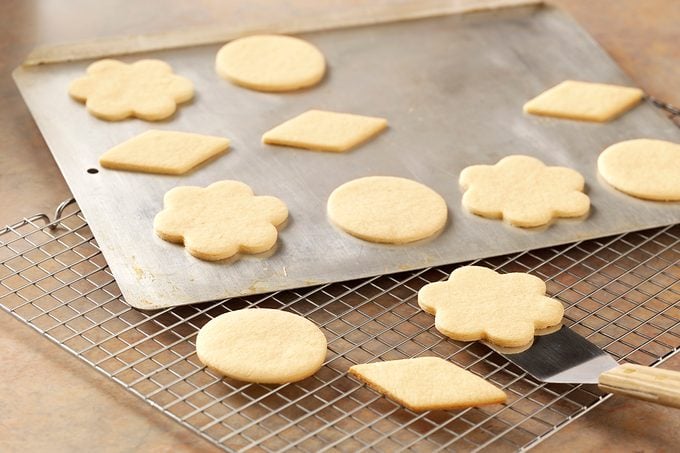
While named a “deep” baking sheet, it’s perfect for cookies! The rims keep cookies from sliding off and are ideal for sheet cakes, brownies, or bar cookies where you need to contain the batter. Try making a massive chocolate chip cookie “pizza” or a vibrant lemon bar for your next gathering.
Savory Sensations: Roasted Veggies, Sheet Pan Dinners, Appetizers
This is where the deep baking sheet truly shines. Imagine perfectly roasted root vegetables, a medley of colorful peppers and onions, or tender chicken and broccoli cooked together on one pan. Sheet pan nachos, crispy roasted chickpeas, or even homemade focaccia bread are all fantastic options. The deep sides mean you can add sauces, glazes, and oils without worry.
“A deep baking sheet is more than just a pan; it’s an invitation to simplify and elevate your cooking,” says Anya Petrova, a seasoned culinary instructor. “Its versatility encourages creativity, making it easier to whip up anything from a quick weeknight dinner to an elaborate dessert.”
Conclusion
The deep baking sheet stands out as an indispensable tool for any home cook looking to enhance their skills and enjoyment in the kitchen. Its robust design and high rims provide unparalleled versatility, enabling you to bake, roast, and prepare a vast array of dishes with ease and confidence. By understanding its materials, choosing the right size, and employing clever techniques, you can overcome common kitchen challenges and consistently achieve outstanding results. Don’t let its humble appearance fool you; a quality deep baking sheet is a game-changer, fostering creativity and making every meal a little more perfect. So, embrace the potential, experiment with new recipes, and let your deep baking sheet become the foundation for countless delicious memories.