In the bustling world of baking, where creativity meets precision, one tool often stands as the unsung hero: the baking sheet. And when it comes to reliability, affordability, and consistent performance, the aluminium baking sheet often takes center stage. Whether you’re a seasoned pastry chef or just starting your culinary journey, understanding the nuances of this kitchen workhorse is key to unlocking perfect bakes every time.
An aluminium baking sheet is more than just a flat piece of metal; it’s a fundamental part of countless kitchens, renowned for its ability to conduct heat efficiently and evenly. These sheets are typically made from a durable, lightweight aluminum alloy, making them popular for everything from roasting vegetables to baking cookies. Their widespread adoption isn’t just a coincidence; it’s a testament to their practicality and effectiveness in achieving beautifully browned, consistently cooked results. From industrial bakeries to the smallest home kitchens, the aluminium baking sheet provides a foundation for culinary success.
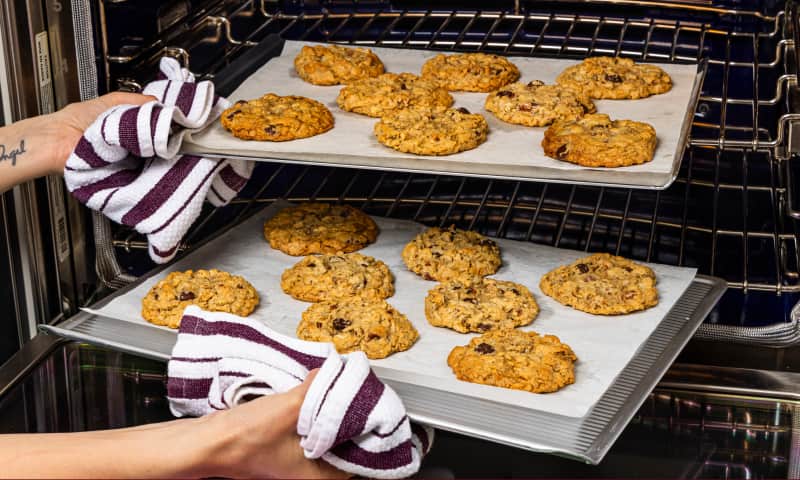
Why Choose Aluminium? The Core Value of Aluminium Baking Sheets
The primary advantage of an aluminium baking sheet lies in its exceptional thermal conductivity. Aluminum heats up quickly and distributes that heat across its surface with remarkable uniformity. This means your cookies will bake evenly from edge to center, and your roasted vegetables will achieve that desirable caramelization without hot spots causing uneven cooking. This rapid heat transfer also contributes to quicker preheating times, saving you valuable minutes in the kitchen.
Beyond performance, aluminium baking sheets are incredibly lightweight and easy to handle, a significant benefit when maneuvering hot pans in and out of a busy oven. They are also remarkably affordable, making them an accessible choice for home bakers and professional kitchens alike. This combination of efficiency, ease of use, and cost-effectiveness solidifies their place as a baking staple.
Exploring the Various Types of Aluminium Baking Sheets
While the basic function of an aluminium baking sheet remains consistent, you’ll find a variety of types designed to meet different baking needs:
- Standard Non-Coated Aluminium Sheets: These are the most common type, offering excellent heat transfer. They are typically made from pure aluminum or an aluminum alloy. Their bare surface means they can react with acidic foods, which can sometimes lead to discoloration or a slight metallic taste in your food.
- Anodized Aluminium Sheets: Anodization is an electrochemical process that thickens the natural oxide layer on the aluminum’s surface, creating a harder, more durable, and non-reactive finish. Anodized aluminium baking sheet options are less likely to leach aluminum into food, even with acidic ingredients, and are generally more resistant to scratches and corrosion.
- Non-Stick Coated Aluminium Sheets: These sheets feature a non-stick coating (often PTFE-based) applied over the aluminum. While they offer superior food release and easier cleanup, the coating can degrade over time, especially with high heat or abrasive utensils. It’s crucial to use silicone or wooden tools to protect the surface.
- Rimmed vs. Rimless: Rimmed baking sheets (often called half-sheet pans or full-sheet pans, depending on size) have a raised edge on all four sides, perfect for containing liquids, preventing spills, and keeping food from sliding off. Rimless cookie sheets, on the other hand, allow for easy sliding of baked goods directly onto a cooling rack.
- Gauge/Thickness: The thickness, or gauge, of an aluminium baking sheet matters. Thicker gauges (lower numbers) are generally more resistant to warping and offer better heat retention. Thinner sheets are more prone to warping when exposed to high temperatures or sudden temperature changes.
How to Pick the Perfect Aluminium Baking Sheet for Your Baking Needs
Choosing the right aluminium baking sheet involves considering several factors to match your baking habits and desired outcomes:
- Size Matters: Standard sizes include quarter-sheet, half-sheet, and full-sheet pans. Half-sheet pans (approx. 18×13 inches) are incredibly versatile for most home ovens and everyday baking. Consider what fits best in your oven and how much food you typically prepare.
- Gauge for Durability: Opt for a heavier gauge aluminium baking sheet (16 or 18 gauge is good) if you want a pan that’s less likely to warp under high heat. While lighter gauges are cheaper, they can twist and buckle, especially with quick temperature shifts.
- Anodized vs. Non-Coated: If you frequently bake acidic foods (like lemon bars or tomato-based dishes) or have concerns about aluminum leaching, an anodized aluminium baking sheet is an excellent choice. For general baking, a good quality non-coated sheet paired with parchment paper is perfectly fine.
- Consider Your Budget: While all aluminum sheets are generally affordable, prices can vary. Invest in the best quality aluminium baking sheet you can afford, as it will often offer better durability and performance in the long run.
“A good quality, heavy-gauge aluminium baking sheet is the unsung hero of any kitchen. It’s an investment that pays dividends in perfectly baked goods and roasted dishes for years,” advises renowned pastry chef, Clara Rossi.
Mastering Your Aluminium Baking Sheet: Tips for Best Baking Results
To get the most out of your aluminium baking sheet, integrate these tips into your baking routine:
- Always Line Your Pan: Using parchment paper or a silicone baking mat is highly recommended. This prevents sticking, ensures even browning, makes cleanup a breeze, and creates a barrier, reducing any potential reactivity between acidic foods and the aluminum surface.
- Preheat Properly: Don’t rush the preheating process. A fully preheated oven and a hot aluminium baking sheet ensure that your food starts cooking immediately upon contact, leading to better texture and rise.
- Avoid Overcrowding: Give your food space! Overcrowding an aluminium baking sheet leads to steaming rather than browning, resulting in soggy results. Bake in batches if necessary.
- Rotate for Uniformity: While aluminum is excellent at even heat distribution, ovens can have hot spots. Rotating your aluminium baking sheet halfway through the baking time can help ensure perfectly even cooking and browning.
- Cool Correctly: Allow baked goods to cool on the sheet for a few minutes before transferring to a wire rack. This helps them set and prevents breakage.
Cleaning and Caring for Your Aluminium Baking Sheet Correctly
Proper care is essential to extend the life and maintain the performance of your aluminium baking sheet:
- Hand Wash is Best: Avoid the dishwasher, as the harsh detergents can cause aluminum to oxidize, leading to a dull, discolored, or pitted surface.
- Use Mild Soap and Warm Water: After each use, wash your aluminium baking sheet with warm, soapy water and a soft sponge or cloth.
- Tackle Stains Gently: For stubborn baked-on bits, soak the sheet in warm, soapy water for 15-30 minutes. A paste of baking soda and a little water can also help gently scrub away stains without damaging the surface. Avoid abrasive scrubbers like steel wool.
- Dry Thoroughly: Always dry your aluminium baking sheet immediately after washing to prevent water spots and potential oxidation.
- Store Flat: Stack your sheets carefully, perhaps with a piece of parchment paper in between, to prevent scratches and maintain their flat shape.
Common Problems When Using Aluminium Baking Sheets and How to Fix Them
Even with the best intentions, you might encounter a few hiccups with your aluminium baking sheet:
- Warping: This often occurs due to sudden temperature changes (e.g., placing a cold sheet into a very hot oven, or running a hot sheet under cold water).
- Fix: Invest in heavier gauge sheets, allow sheets to come closer to room temperature before entering a hot oven, and never expose a hot sheet to cold water. If a sheet warps, it’s often difficult to fully restore its original flatness, but sometimes gentle bending back into shape is possible.
- Discoloration/Staining: This can happen when aluminum reacts with acidic or salty foods, or from certain cleaning detergents.
- Fix: Use parchment paper or silicone mats to create a barrier. For existing discoloration, a paste of cream of tartar and water, gently scrubbed on, can help brighten the surface.
- Food Sticking: Despite the material, food can still stick, especially without proper preparation.
- Fix: Always line your aluminium baking sheet with parchment paper or a silicone mat. If you don’t have these, grease the pan thoroughly with butter, shortening, or cooking spray, and flour if appropriate for the recipe.
Delicious Ideas and Baking Hacks with Your Aluminium Baking Sheet
Your aluminium baking sheet is a canvas for culinary creativity!
- Perfect Roasted Vegetables: Toss your favorite veggies with olive oil, herbs, salt, and pepper, then spread them in a single layer for beautifully caramelized results.
- Sheet Pan Dinners: The ultimate weeknight warrior! Combine protein (chicken, sausage, tofu) and vegetables on one sheet pan for a complete meal with minimal cleanup.
- Crispy Bacon: Line your sheet with foil or parchment, arrange bacon in a single layer, and bake for perfectly crisp results without the stovetop mess.
- Batch Baking Cookies: Its large, flat surface is ideal for baking multiple cookies at once, ensuring they brown evenly.
- Homemade Pizza: Use a preheated aluminium baking sheet to create a wonderfully crispy crust for your homemade pizzas.
Frequently Asked Questions About Aluminium Baking Sheets
Q: Is an aluminium baking sheet safe to use for all foods?
A: Generally, yes. However, it’s best to avoid direct contact with highly acidic or very salty foods for extended periods, as aluminum can react, potentially altering the food’s taste or causing discoloration of the pan. Lining the sheet with parchment paper or a silicone mat effectively mitigates this.
Q: Can I put my aluminium baking sheet in the dishwasher?
A: It is strongly advised not to. Dishwasher detergents can cause aluminum to oxidize, leading to pitting, dullness, and a chalky finish that affects its appearance and performance. Handwashing with mild soap is always the best approach for an aluminium baking sheet.
Q: Why does my aluminium baking sheet warp in the oven?
A: Warping typically occurs due to rapid changes in temperature. When a cold sheet is exposed to high heat too quickly, or a hot sheet is cooled rapidly, the metal expands and contracts unevenly, causing it to buckle. Using a heavier gauge aluminium baking sheet and allowing it to preheat with the oven can help prevent this.
Q: How do I remove dark stains from my aluminium baking sheet?
A: For dark stains, a mixture of cream of tartar and water or baking soda and water can be very effective. Make a paste, apply it to the stained area, let it sit for a few minutes, then gently scrub with a non-abrasive sponge. Rinse thoroughly and dry immediately.
Q: Are anodized aluminium baking sheets better than regular ones?
A: Anodized aluminium sheets offer a harder, more durable, and non-reactive surface. This makes them less prone to scratching, discoloration, and aluminum leaching, especially when cooking acidic foods. Many bakers consider them a superior, albeit slightly more expensive, option compared to traditional non-coated sheets.
Conclusion
The aluminium baking sheet remains an indispensable tool for bakers and cooks worldwide, offering an unbeatable combination of heat efficiency, lightweight design, and affordability. By understanding its characteristics, choosing the right type for your needs, and applying proper care techniques, you can ensure this versatile kitchen companion serves you well for years to come. So, go ahead, pull out your trusty aluminium baking sheet, experiment with new recipes, and revel in the joy of perfectly baked creations. Happy baking!
|
Our Picks for the Best Baking Sheet in 2026
As an Amazon Associate I earn from qualifying purchases.
|
||
| Num | Product | Action |
|---|---|---|
| 1 | GoodCook Everyday Nonstick Carbon Steel Baking Sheet Set, 3 Pack – Small 13” x 9”, Medium 15” x 10”, Large 17” x 11” – Carbon Steel Cooking Pans, Cookie Sheet Bakeware Set |

|
| 2 | Caraway Non-Stick Ceramic Baking Sheet Duo - Naturally Slick Ceramic Coating - Non-Toxic, PTFE & PFOA Free - 18 x 13\" Large & 15 x 10\" Medium - Slate |
|
| 3 | Caraway Non-Stick Ceramic Medium Baking Sheet - Naturally Slick Ceramic Coating - Non-Toxic, PTFE & PFOA Free - Perfect for Baking, Roasting, and More - Medium (15\" x 10\") - Gray |
|
| 4 | Commercial Quality Baking Sheet Pan Set, Natural Aluminum Cookie Sheet, Umite Chef Warp Resistant Baker\'s Half Sheet Pan, Large Thick Cookie Tray Pans for Baking, Roasting(2 Pack, 18X13In) |
|
| 5 | Caraway Non-Stick Ceramic Large Baking Sheet Duo - Naturally Slick Ceramic Coating - Non-Toxic, PTFE & PFOA Free - Perfect for Baking, Roasting, and More - Large (18\" x 13\") - White |
|
| 6 | GoodCook Everyday Nonstick Carbon Steel Baking Sheet Set, 3 Pack – Small 13” x 9”, Medium 15” x 10”, Large 17” x 11” – Carbon Steel Cooking Pans, Cookie Sheet Bakeware Set |
|
| 7 | NutriChef 3-Piece Nonstick Kitchen Oven Baking Pans - Premium & Stylish Non-Stick Steel, Commercial Grade Restaurant Quality Metal Bakeware with Red Silicone Handles - Easy to Clean, NCSBS3S |
|
| 8 | BRONYPRO Non Stick Ceramic Baking Sheet Pan Set of 3, Non Toxic Cookie Sheets (PFOA/PTFE Free), Aluminized Steel Oven Trays with Silicone Handles, Rust-Resistant, Warp-Resistant to 500°F, Light Gray |
|
| 9 | HONGBAKE Baking Sheet Pan Set of 3, Cookie Sheets for Oven, Nonstick Half/Quarter/Jelly Roll Pans with Diamond Texture Pattern, 0.8mm Thick Heavy Duty Cookie Tray, Champagne Gold |
|
| 10 | Amazon Basics Ceramic Nonstick Baking Sheets & Cooling Rack Set, Non-Toxic, Half Sheet Size, 2-Pack, Gray |
|