Stepping into the kitchen, whether you’re a seasoned chef or a budding home baker, you quickly realize that the right tools make all the difference. Among the myriad of essential bakeware, the humble baking sheet holds a foundational place. It’s the silent workhorse, bearing the heat and transforming ingredients into culinary delights. But not all baking sheets are created equal, and in the quest for durability, health, and exceptional performance, the stainless baking sheet emerges as a compelling contender. It’s time to delve deep into why this robust piece of equipment is gaining such acclaim and how it can revolutionize your baking and roasting experience.
|
Our Picks for the Best Baking Sheet in 2026
As an Amazon Associate I earn from qualifying purchases.
|
||
| Num | Product | Action |
|---|---|---|
| 1 | Commercial Quality Baking Sheet Pan Set, Natural Aluminum Cookie Sheet, Umite Chef Warp Resistant Baker\'s Half Sheet Pan, Large Thick Cookie Tray Pans for Baking, Roasting(2 Pack, 18X13In) |

|
| 2 | Amazon Basics Ceramic Nonstick Baking Sheets & Cooling Rack Set, Non-Toxic, Half Sheet Size, 2-Pack, Gray |
|
| 3 | NutriChef 3-Piece Nonstick Kitchen Oven Baking Pans - Premium & Stylish Non-Stick Steel, Commercial Grade Restaurant Quality Metal Bakeware with Red Silicone Handles - Easy to Clean, NCSBS3S |
|
| 4 | BRONYPRO Non Stick Ceramic Baking Sheet Pan Set of 3, Non Toxic Cookie Sheets (PFOA/PTFE Free), Aluminized Steel Oven Trays with Silicone Handles, Rust-Resistant, Warp-Resistant to 500°F, Light Gray |
|
| 5 | Caraway Non-Stick Ceramic Large Baking Sheet Duo - Naturally Slick Ceramic Coating - Non-Toxic, PTFE & PFOA Free - Perfect for Baking, Roasting, and More - Large (18\" x 13\") - White |
|
| 6 | Caraway Non-Stick Ceramic Medium Baking Sheet - Naturally Slick Ceramic Coating - Non-Toxic, PTFE & PFOA Free - Perfect for Baking, Roasting, and More - Medium (15\" x 10\") - Gray |
|
| 7 | HONGBAKE Baking Sheet Pan Set of 3, Cookie Sheets for Oven, Nonstick Half/Quarter/Jelly Roll Pans with Diamond Texture Pattern, 0.8mm Thick Heavy Duty Cookie Tray, Champagne Gold |
|
| 8 | GoodCook Everyday Nonstick Carbon Steel Baking Sheet Set, 3 Pack – Small 13” x 9”, Medium 15” x 10”, Large 17” x 11” – Carbon Steel Cooking Pans, Cookie Sheet Bakeware Set |
|
| 9 | Caraway Non-Stick Ceramic Baking Sheet Duo - Naturally Slick Ceramic Coating - Non-Toxic, PTFE & PFOA Free - 18 x 13\" Large & 15 x 10\" Medium - Slate |
|
| 10 | GoodCook Everyday Nonstick Carbon Steel Baking Sheet Set, 3 Pack – Small 13” x 9”, Medium 15” x 10”, Large 17” x 11” – Carbon Steel Cooking Pans, Cookie Sheet Bakeware Set |
|
Understanding Baking Sheets: More Than Just a Flat Surface
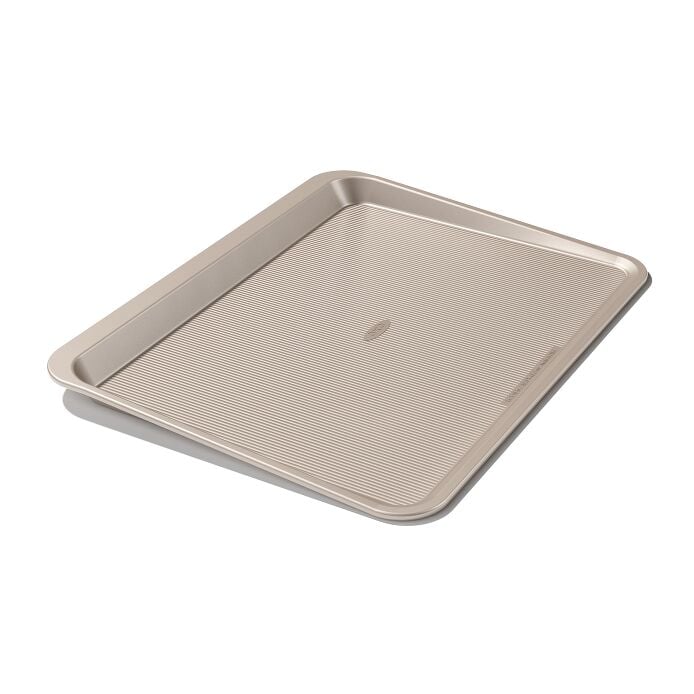
At its core, a baking sheet, often interchangeable with a sheet pan, is a flat, rectangular metal pan used for baking and roasting. While seemingly simple, its design and material profoundly impact how food cooks. From perfectly golden cookies to evenly roasted vegetables, the sheet pan is crucial for conducting and distributing heat. Traditionally, aluminum has dominated this space, but as home cooks become more discerning about material properties and health considerations, stainless steel is stepping into the spotlight, offering a blend of resilience and reliability that’s hard to beat.
Why Stainless Steel? Unpacking the Core Value of Stainless Baking Sheets
When we talk about the inherent value of a stainless baking sheet, we’re discussing a multitude of benefits that cater to both performance and peace of mind.
Durability and Longevity: A Pan for a Lifetime
One of the most striking advantages of stainless steel is its exceptional durability. Unlike some lighter materials prone to warping under high heat or denting with heavy use, a quality stainless steel baking sheet is built to last. It withstands intense oven temperatures without buckling, maintaining its flat surface for consistent cooking results every single time. This resilience makes it a sound, long-term investment for any kitchen. As renowned culinary expert, Chef Anya Sharma, puts it, “A well-made stainless steel baking sheet isn’t just a purchase; it’s an heirloom for your kitchen, enduring countless culinary adventures.”
Non-Reactive Nature: Purity in Every Bite
Stainless steel is a non-reactive material. What does this mean for your cooking? It means that your baking sheet won’t interact chemically with acidic ingredients like tomatoes, lemons, or vinegar. With reactive metals, there’s a risk of metallic flavors leaching into your food or causing discoloration. A stainless baking sheet ensures that the pure flavors of your ingredients shine through, making it a safer and more reliable choice for a wide array of recipes, particularly those with tangy or acidic components.
Even Heat Distribution: The Clad Advantage
While pure stainless steel is durable, it’s not always the best standalone conductor of heat. This is where the magic of “clad” construction comes in. Many high-quality stainless baking sheets feature an aluminum or copper core bonded between layers of stainless steel. This innovative design leverages aluminum’s excellent heat conductivity while retaining stainless steel’s durability and non-reactive properties. The result is superior, even heat distribution, eliminating hot spots and ensuring your food cooks uniformly, whether you’re baking delicate pastries or roasting a hearty sheet pan dinner.
Health and Safety: A Non-Toxic, PFAS-Free Alternative
In an era where we’re increasingly conscious of what goes into our food and how it’s prepared, the non-toxic nature of stainless steel is a significant draw. Quality stainless baking sheets are typically made from food-grade stainless steel (like 304 grade, often labeled 18/8 or 18/10, referring to chromium and nickel content). They are PFAS-free, meaning they don’t rely on chemical non-stick coatings that can degrade over time and potentially release harmful compounds. This makes stainless steel a healthy and environmentally conscious choice for your kitchen.
Ease of Maintenance: Simpler Cleaning, Shinier Finish
Another practical benefit is the ease of cleaning. Stainless steel maintains its sleek, polished appearance with minimal fuss. Many stainless steel sheet pans are dishwasher safe, offering a convenient cleanup solution. For stubborn baked-on residues, simple household remedies like baking soda and water can work wonders, restoring your pan to its gleaming best without harsh scrubbing.
Versatility: Your Go-To for Every Task
The robust nature and non-reactive surface of a stainless baking sheet make it incredibly versatile. It’s not just for cookies!
- Baking: Achieve consistent browning for cookies, pastries, and bread.
- Roasting: Ideal for vegetables, meats, and poultry, with raised edges containing juices for delicious gravies or pan sauces.
- Broiling: Withstands high-temperature broiling without warping, perfect for achieving a crispy finish.
- Freezing: Can also be used for quick-freezing items like berries or cookie dough before transferring them to bags.
Stainless Steel vs. The Alternatives: A Clearer Picture
Understanding the strengths of a stainless baking sheet often comes into focus when comparing it to other common materials.
Stainless Steel vs. Aluminum
Aluminum baking sheets are popular for their affordability and excellent heat conductivity, heating up quickly. However, they are more prone to warping at high temperatures and can react with acidic foods, potentially leaving a metallic taste or discoloration. They also tend to cool down quickly, which can be a double-edged sword depending on what you’re baking. Stainless steel, especially clad versions, excels in durability, non-reactivity, and heat retention, leading to more consistent browning. While it might take a bit longer to preheat, it holds that heat beautifully. For tasks requiring high searing temperatures or acidic ingredients, stainless steel is the undeniable champion.
Other Materials: A Quick Look
- Silicone: Excellent non-stick properties, flexible, but often doesn’t provide the browning power of metal, especially for items low in sugar or fat.
- Glass/Ceramic: Retain heat well but heat up slowly and can lead to uneven cooking, with edges potentially overcooking before the center is done. They are also prone to thermal shock.
For comprehensive cooking and baking versatility, especially for tasks demanding high heat, durability, and non-reactivity, the stainless baking sheet stands out.
Choosing Your Perfect Stainless Baking Sheet: What to Look For
Making an informed choice ensures you get a stainless baking sheet that will serve you well for years.
Material Grade: The 18/8 or 18/10 Standard
When selecting a stainless baking sheet, look for designations like “18/8” or “18/10” stainless steel. These numbers indicate the percentage of chromium and nickel, respectively.
- 18% Chromium: Provides excellent corrosion resistance, preventing rust and staining.
- 8-10% Nickel: Enhances durability, shine, and resistance to corrosion, ensuring your pan lasts longer and maintains its appearance.
This grade, often referred to as 304 stainless steel, is the industry standard for high-quality food-grade kitchenware.
Construction: The Clad Design Advantage
As discussed, a stainless steel baking sheet with an aluminum (or copper) core, known as clad construction, offers the best of both worlds: the durability and non-reactivity of stainless steel combined with superior heat conductivity. This design ensures your food cooks evenly and browns beautifully. Look for descriptions like “triple-bonded” or “clad stainless steel” for optimal performance.
Size and Fit: Ensuring Oven Compatibility
Baking sheets come in various standard sizes, most commonly:
- Full Sheet: Generally 26 x 18 inches, typically for commercial ovens.
- Half Sheet: Around 18 x 13 inches, the most popular size for home ovens.
- Quarter Sheet: Approximately 9 x 13 inches, perfect for smaller batches or toaster ovens.
Measure your oven’s interior to ensure your chosen stainless baking sheet fits comfortably, allowing for proper air circulation around all sides for even cooking.
Edges and Rims: Stability and Containment
A good stainless baking sheet will have rolled edges or a lip around its entire perimeter. This design serves several purposes:
- Prevents Warping: Adds structural integrity, further resisting warping under high heat.
- Contains Liquids: Essential for roasting vegetables or meats, preventing juices from spilling into your oven.
- Easy Handling: Provides a secure grip when transferring the pan.
Mastering Your Stainless Baking Sheet: Tips for Optimal Performance
Getting the most out of your stainless baking sheet involves a few simple techniques that can significantly enhance your results.
Preheating for Success
Stainless steel retains heat exceptionally well once it’s hot. For best results, especially with roasting or searing, always preheat your stainless baking sheet along with your oven. This ensures the pan reaches the desired temperature, creating that perfect sizzle and beautiful browning or caramelization. Chef Anya Sharma advises, “Think of preheating your stainless steel sheet pan like warming up a cast-iron skillet; it builds a foundation of heat that transforms your food.”
Preventing Sticking: Your Allies in the Kitchen
While stainless steel is non-reactive, it’s not inherently non-stick. To prevent food from sticking:
- Grease Generously: Use cooking oil, butter, or cooking spray, ensuring an even coating.
- Parchment Paper: A baker’s best friend, parchment paper creates a barrier, making cleanup a breeze and ensuring easy release.
- Silicone Baking Mats: Reusable and highly effective, these mats provide an excellent non-stick surface, especially for delicate items like cookies.
Temperature Adjustments: Understanding Heat Retention
Due to its excellent heat retention, you might find that your stainless steel baking sheet cooks food slightly faster or browns more intensely than lighter pans. Keep an eye on your food, especially when trying new recipes, and be prepared to make minor adjustments to baking times or temperatures if needed. Often, a slight reduction in oven temperature (e.g., 25°F) can achieve perfect results.
Even Cooking Techniques: Spacing and Rotation
For optimal and even cooking, avoid overcrowding your stainless baking sheet. Give food enough space to allow hot air to circulate freely around each piece. If your oven has known hot spots, rotating the pan halfway through the cooking process can ensure uniform browning across all your ingredients.
Care and Keeping: Extending the Life of Your Stainless Baking Sheet
With proper care, your stainless baking sheet will remain a kitchen staple for decades.
Immediate Cleaning: Prevention is Key
The best way to tackle messes is to prevent them from setting. After use, once the pan has cooled down, rinse it with warm water to remove any loose food particles. This simple step can prevent stubborn buildup later.
Effective Cleaning Methods: Gentle Power
For everyday cleaning, a non-abrasive sponge or cloth with mild dish soap and warm water is usually sufficient. For more persistent stains or baked-on residue:
- Baking Soda Paste: Mix baking soda with a little water to form a paste. Spread it over the stained areas, let it sit for 15-30 minutes (or longer for tougher stains), then gently scrub with a soft brush or sponge.
- Baking Soda & Vinegar: For very stubborn spots, sprinkle baking soda, then spray white vinegar over it. The fizzing action helps lift grime. Let it sit for a while before scrubbing.
- Hydrogen Peroxide: A paste of baking soda and hydrogen peroxide can also be very effective for deeply embedded stains. Apply, let sit for a few hours or overnight, then scrub and rinse thoroughly.
Avoiding Damage: Choose Your Tools Wisely
While stainless steel is durable, avoid abrasive scrubbers like steel wool or harsh chemical cleaners, as these can scratch the surface or leave residues. Stick to soft cloths, nylon brushes, or the gentle scrubbing side of a sponge.
Drying and Storage: Preventing Water Spots
Always dry your stainless baking sheet completely after washing. Air drying can lead to water spots. A quick towel dry will keep it looking pristine. Store it flat or in a way that prevents scratching other pans.
Common Baking Sheet Blunders and How to Fix Them
Even with the best equipment, mistakes happen. Here’s how to troubleshoot common issues:
- Food Sticking: This is often due to insufficient greasing or not using parchment paper/silicone mats. Ensure adequate preparation before adding food. If food does stick, soak the pan in hot soapy water immediately after cooling to loosen the residue.
- Uneven Browning: Could be due to overcrowding the pan or inconsistent oven temperature. Ensure proper spacing for airflow and consider rotating the pan during cooking.
- Discoloration/Patina: Over time, high heat can cause a slight golden or brownish tint (patina) on stainless steel. This is normal and doesn’t affect performance or safety. For aesthetic reasons, you can use baking soda or a specialized stainless steel cleaner to restore some of its shine.
Unleashing Culinary Creativity: Recipe Ideas with Your Stainless Baking Sheet
Your stainless baking sheet is a canvas for countless culinary creations. Here are just a few ideas to get you started:
- Perfectly Roasted Vegetables: Toss your favorite veggies (broccoli, carrots, bell peppers, potatoes) with olive oil, herbs, salt, and pepper. Spread them in a single layer on your preheated stainless steel sheet pan for beautifully caramelized, tender results.
- Effortless Sheet Pan Dinners: Combine protein (chicken pieces, sausage, fish fillets) with vegetables on a single pan for a complete meal with minimal cleanup. The even heat distribution ensures everything cooks perfectly.
- Crispy Baked Goods: From classic chocolate chip cookies to savory crackers, the steady heat of a stainless baking sheet promotes even baking and a desirable crisp texture.
- Homemade Pizza: While not a pizza stone, a preheated stainless sheet pan can produce a surprisingly crispy crust for homemade pizzas, especially if you par-bake the dough.
Frequently Asked Questions
Q: Is a stainless baking sheet naturally non-stick?
A: No, stainless steel is not inherently non-stick. You will need to grease it, use parchment paper, or a silicone baking mat to prevent food from sticking.
Q: Can I put my stainless steel baking sheet in the dishwasher?
A: Most stainless steel baking sheets are dishwasher safe, making cleanup very convenient. However, hand washing is often recommended for longevity and to prevent water spots.
Q: What is the best grade of stainless steel for baking sheets?
A: The best grade for bakeware is typically 304 stainless steel, often indicated as 18/8 or 18/10, referring to its chromium and nickel content, which provides excellent corrosion resistance and durability.
Q: Will a stainless baking sheet warp in a hot oven?
A: High-quality stainless steel baking sheets, especially those with thicker gauges or clad construction (aluminum core), are designed to be highly warp-resistant even at high oven temperatures.
Q: How do I remove burnt-on food from my stainless baking sheet?
A: For burnt-on food, try soaking the pan in hot soapy water. If that’s not enough, a paste of baking soda and water, or baking soda and hydrogen peroxide, left to sit for a few hours, can effectively loosen stubborn residue for easier scrubbing.
Q: Is stainless steel bakeware healthy?
A: Yes, food-grade stainless steel is considered a very healthy option. It is non-reactive, meaning it won’t leach chemicals or metallic flavors into your food, and it is naturally PFAS-free, unlike some non-stick coatings.
Q: Can I cut food directly on a stainless baking sheet?
A: While stainless steel is durable, using sharp knives directly on the surface can cause scratches. It’s best to transfer food to a cutting board or use silicone or wooden utensils to protect the pan’s finish.
The Smart Choice for Discerning Bakers
The journey to culinary excellence is paved with quality tools, and the stainless baking sheet is undoubtedly one such instrument. Its superior durability, non-reactive properties, and the reliable performance offered by clad construction make it a healthier, more versatile, and longer-lasting alternative to many other options. By choosing a well-crafted stainless baking sheet and following simple care guidelines, you’re not just buying a piece of bakeware; you’re investing in countless moments of culinary joy and confident cooking. Embrace the power of stainless steel and unlock a world of baking and roasting possibilities, transforming every meal into a “Perfect Bake” experience.