There’s a special kind of magic that happens when a perfectly baked pizza emerges from the oven—a symphony of crisp crust, melted cheese, and aromatic toppings. While many believe a professional pizza oven is the secret, the truth is, a high-quality pizza baking sheet can transform your homemade pies into culinary masterpieces. For every home baker passionate about perfecting their craft, understanding this fundamental tool is the first step towards achieving that pizzeria-quality experience right in your own kitchen.
|
Our Picks for the Best Baking Sheet in 2026
As an Amazon Associate I earn from qualifying purchases.
|
||
| Num | Product | Action |
|---|---|---|
| 1 | GoodCook Everyday Nonstick Carbon Steel Baking Sheet Set, 3 Pack – Small 13” x 9”, Medium 15” x 10”, Large 17” x 11” – Carbon Steel Cooking Pans, Cookie Sheet Bakeware Set |

|
| 2 | Caraway Non-Stick Ceramic Medium Baking Sheet - Naturally Slick Ceramic Coating - Non-Toxic, PTFE & PFOA Free - Perfect for Baking, Roasting, and More - Medium (15\" x 10\") - Gray |
|
| 3 | GoodCook Everyday Nonstick Carbon Steel Baking Sheet Set, 3 Pack – Small 13” x 9”, Medium 15” x 10”, Large 17” x 11” – Carbon Steel Cooking Pans, Cookie Sheet Bakeware Set |
|
| 4 | BRONYPRO Non Stick Ceramic Baking Sheet Pan Set of 3, Non Toxic Cookie Sheets (PFOA/PTFE Free), Aluminized Steel Oven Trays with Silicone Handles, Rust-Resistant, Warp-Resistant to 500°F, Light Gray |
|
| 5 | NutriChef 3-Piece Nonstick Kitchen Oven Baking Pans - Premium & Stylish Non-Stick Steel, Commercial Grade Restaurant Quality Metal Bakeware with Red Silicone Handles - Easy to Clean, NCSBS3S |
|
| 6 | Commercial Quality Baking Sheet Pan Set, Natural Aluminum Cookie Sheet, Umite Chef Warp Resistant Baker\'s Half Sheet Pan, Large Thick Cookie Tray Pans for Baking, Roasting(2 Pack, 18X13In) |
|
| 7 | Amazon Basics Ceramic Nonstick Baking Sheets & Cooling Rack Set, Non-Toxic, Half Sheet Size, 2-Pack, Gray |
|
| 8 | HONGBAKE Baking Sheet Pan Set of 3, Cookie Sheets for Oven, Nonstick Half/Quarter/Jelly Roll Pans with Diamond Texture Pattern, 0.8mm Thick Heavy Duty Cookie Tray, Champagne Gold |
|
| 9 | Caraway Non-Stick Ceramic Large Baking Sheet Duo - Naturally Slick Ceramic Coating - Non-Toxic, PTFE & PFOA Free - Perfect for Baking, Roasting, and More - Large (18\" x 13\") - White |
|
| 10 | Caraway Non-Stick Ceramic Baking Sheet Duo - Naturally Slick Ceramic Coating - Non-Toxic, PTFE & PFOA Free - 18 x 13\" Large & 15 x 10\" Medium - Slate |
|
Understanding Pizza Baking Sheets: More Than Just a Pan
At its core, a pizza baking sheet is a flat, sturdy surface designed to withstand high temperatures and provide an even heat distribution for baking pizza. While often interchangeable with general baking sheets or cookie sheets, dedicated pizza baking sheets are engineered with specific features to optimize pizza-making. Their widespread popularity stems from their versatility and accessibility, offering a practical alternative to bulkier pizza stones or expensive outdoor ovens. They’ve become a staple in modern home kitchens, proving that fantastic pizza is within everyone’s reach.
The Heart of the Crust: Materials and Design
The material and design of your pizza baking sheet play a pivotal role in how your crust bakes. Different properties lead to different results, from light and airy to deeply caramelized and crisp.
Aluminum vs. Steel vs. Cast Iron
- Aluminum: A popular choice due to its excellent heat conductivity. Uncoated aluminum heats up quickly and cools down fast, which can prevent overbaking. However, lighter, thinner aluminum sheets can be prone to warping at high pizza-baking temperatures (above 400°F). Heavy-gauge aluminized steel combines the benefits of aluminum with the strength of steel, resisting warping.
- Steel (Carbon Steel & Aluminized Steel): These are often the champions for pizza. Steel takes a bit longer to heat up but retains heat exceptionally well, mimicking the intense thermal mass of a professional oven. Darker steel pans absorb more heat, leading to a more golden, crispy crust. Many experts recommend heavy-gauge steel for its durability and superior heat distribution.
- Cast Iron: Renowned for its incredible heat retention and even heat distribution. A cast iron pizza pan creates a superbly crispy, golden-brown crust, making it ideal for deep-dish or thicker-crust pizzas where consistent heat is crucial. Cast iron requires seasoning and specific care but offers unparalleled performance.
Perforated vs. Solid Surfaces
This is where the quest for crispiness often takes center stage.
- Solid Baking Sheets: These provide a continuous surface for the pizza. While highly versatile for other baking tasks, they can sometimes trap moisture between the dough and the pan, potentially leading to a slightly less crispy bottom crust if not managed correctly.
- Perforated Pizza Pans: These pans feature small holes across their surface. These perforations allow moisture to escape from the bottom of the crust during baking, promoting air circulation and significantly enhancing crispiness. “For an extra-crispy crust, a perforated pizza pan is a game-changer,” says Chef Isabella Rossi, a Culinary Institute Instructor. “It’s a simple design feature that makes a profound difference in texture.” While less versatile for non-pizza tasks, they excel at delivering that desired crunch.
Non-stick Coatings: When to Use, Temperature Considerations
Non-stick coatings offer convenience, preventing dough from adhering to the pan. However, many non-stick surfaces are not designed for the very high temperatures often required for baking pizza (typically 450°F to 550°F). Excessive heat can degrade the coating, potentially releasing harmful fumes and shortening the pan’s lifespan. If you opt for a non-stick pan, ensure it’s rated for high temperatures, or consider using parchment paper as a barrier.
Size and Shape Matters
Pizza baking sheets come in various sizes and shapes to suit your culinary ambitions:
- Round Pizza Pans: Standard for traditional pizzas, typically ranging from 12 to 16 inches in diameter.
- Rectangular Baking Sheets (Half-Sheet Pans): Excellent for “sheet pan pizzas,” which are often thicker, square or rectangular, and perfect for feeding a crowd. They are also incredibly versatile for other baking and roasting needs.
- Deep-Dish Pans: Specifically designed with higher sides for Chicago-style deep-dish pizzas.
Choosing Your Perfect Pizza Baking Sheet
Selecting the right pizza baking sheet depends on your baking style and desired outcomes.
- For the Crispy Crust Enthusiast: Look for heavy-gauge aluminized steel or carbon steel pans, ideally perforated. Preheating is crucial.
- For Deep-Dish Lovers: A sturdy cast iron pan or a dedicated deep-dish steel pan will provide the even, sustained heat needed for a thick crust.
- For Everyday Versatility: A heavy-duty, dark-colored rimmed baking sheet made of aluminized steel is a fantastic all-rounder that can handle pizzas and countless other dishes.
- Beginner-Friendly: A standard aluminum or aluminized steel baking sheet is a great starting point. As you gain confidence, you might explore perforated pans or cast iron for specialized results.
Consider your oven’s capacity and the size of pizzas you typically make. Always check the manufacturer’s recommendations for maximum heat tolerance.
Mastering the Art: Tips for Optimal Pizza Baking Sheet Use
Achieving that perfect pizza crust on a baking sheet is an art, but it’s one that can be mastered with a few key techniques.
Preheating is Key
This is arguably the most critical step for a crispy crust. Place your empty pizza baking sheet in the oven while it preheats. For best results, aim for the highest temperature your oven can reach (500-550°F or higher) and let the pan preheat for at least 15-30 minutes after the oven indicates it’s reached temperature. “For a truly crispy crust, the key is heat transfer. Dark, heavy-gauge metals and proper preheating are your best friends,” advises Dr. Leo Chen, a Food Science Researcher. This super-heated surface provides an immediate thermal shock to the dough, promoting rapid oven spring and a crispy bottom.
Dough Preparation
Ensure your pizza dough is at room temperature before stretching. Cold dough is less elastic and harder to work with. If your dough has been refrigerated, take it out 1-2 hours before baking. For an even crust, stretch the dough gently on a lightly floured surface or directly on parchment paper.
The Power of Oil/Parchment
- For Preventing Stickage: Lightly grease your baking sheet with olive oil or cooking spray, even if it’s non-stick.
- For Enhanced Crispiness (The “Frico” Effect): Especially for sheet pan pizzas, liberally oiling the pan can create a delightful “frico” effect—a slightly fried, incredibly crispy bottom crust. Baker Sophia Miller, an Artisan Dough Specialist, notes, “Many home bakers underestimate the power of a well-oiled pan. It’s not just about non-stick; it’s about achieving that beautiful, fried ‘frico’ on the bottom of your pizza.”
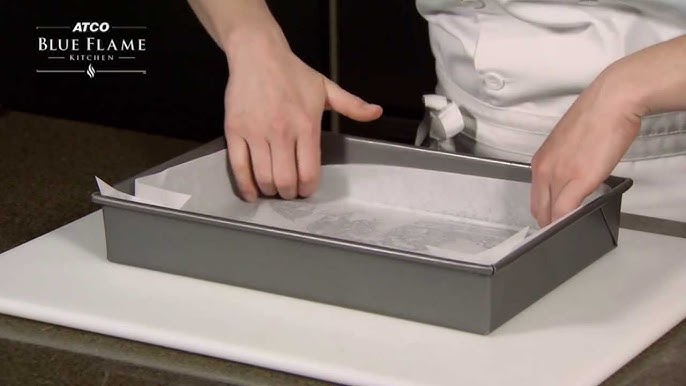
- Using Parchment Paper: Build your pizza directly on parchment paper, then carefully slide the parchment (with the pizza) onto the preheated hot baking sheet. This makes transfer easy and aids cleanup. Just be sure your parchment paper is rated for the high temperatures you’re using.
Topping Wisely
Avoid overloading your pizza with too many wet toppings, as this can lead to a soggy crust. Distribute toppings evenly, ensuring the edges remain slightly clear to form a defined crust. Add delicate fresh herbs like basil or arugula after the pizza comes out of the oven.
Baking Time and Temperature
Bake your pizza on the lowest rack in your oven to maximize direct heat to the bottom of the crust. General temperatures range from 450°F to 550°F, with baking times typically between 8-15 minutes, depending on your oven and desired crispness. Keep a close eye on it, rotating if necessary for even browning.
Common Pizza Baking Sheet Mistakes to Avoid
Even seasoned home cooks can fall into common pizza-baking traps.
- Not Preheating the Pan: As emphasized, this is crucial for a crisp bottom. A cold pan will result in a chewy, less appealing crust.
- Overloading Toppings: Too many toppings (especially wet ones) inhibit proper cooking and can lead to a soggy center. Less is often more with pizza.
- Using Cold Dough: Cold dough resists stretching and can snap back, making it frustrating to work with and potentially leading to an uneven crust.
- Cutting Immediately After Baking: Allow your pizza to rest for 3-5 minutes after removing it from the oven. This helps the cheese set and prevents toppings from sliding off when sliced.
- Ignoring Pan Material: Using a flimsy, thin aluminum sheet at very high temperatures can lead to warping and uneven baking. Invest in a heavy-duty pan designed for high heat.
Caring for Your Pizza Baking Sheet: Cleaning and Maintenance
Proper care extends the life of your pizza baking sheet and ensures consistent results.
- General Metal Baking Sheets (Aluminum, Steel): For everyday grime, warm water, dish soap, and a non-abrasive sponge usually suffice. For stubborn, baked-on stains, create a paste with baking soda and a small amount of water or hydrogen peroxide. Spread it on the stained area, let it sit for a few hours (or overnight), then scrub and rinse thoroughly. Vinegar can also be used with baking soda for tough grease.
- Non-stick Pans: Always use mild dish soap and a soft sponge or cloth. Avoid abrasive scrubbers, steel wool, or harsh chemicals, as these can damage the non-stick coating.
- Cast Iron Pans: Clean while the pan is still warm. Use hot water and a stiff brush, but avoid dish soap as it can strip the seasoning. For stuck-on food, make a paste with coarse kosher salt and water, scrub, rinse, and dry thoroughly. After cleaning, apply a thin layer of vegetable oil to re-season.
- Pizza Stones (Brief Mention): While pizza stones are different, their cleaning philosophy highlights why metal sheets are easier. Stones are porous; avoid soap and excessive water. Scrape off residue and wipe with a dry cloth. This contrast underscores the straightforward maintenance of baking sheets.
Beyond the Basics: Pizza Baking Sheet Recipes & Ideas
Your pizza baking sheet is a versatile tool for exploring countless pizza styles:
- Classic Round Pies: Perfect for creating traditional pizzas with a crisp, thin, or medium crust. Experiment with classic Margherita, pepperoni, or your favorite veggie combinations.
- Sheet Pan Pizza: Embrace the rectangular canvas for effortless, crowd-pleasing pizzas. Detroit-style pizza, with its thick, airy crust and caramelized cheese edges, is a fantastic example that thrives on a sheet pan.
- Focaccia-Style Pizza: Use a well-oiled sheet pan for a thick, dimpled dough base, then top with simple ingredients for a rustic, flavorful meal.
- Reheating Leftovers: Your perforated pizza pan or a preheated baking sheet can work wonders for reviving leftover pizza, giving the crust a new lease on life without making it soggy like a microwave.
Frequently Asked Questions (FAQ)
Q: Can I use a regular baking sheet for pizza?
A: Yes, you absolutely can! A regular, heavy-duty rimmed baking sheet made of aluminized steel or carbon steel will work well. For best results, preheat it thoroughly in the oven before adding your pizza.
Q: What’s the best temperature for baking pizza on a sheet?
A: Aim for the highest temperature your oven can safely reach, typically between 450°F and 550°F. High heat is essential for a quick bake and a crispy crust.
Q: How do I prevent my pizza from sticking to the baking sheet?
A: Lightly grease your baking sheet with olive oil or cooking spray. Alternatively, build your pizza on parchment paper and then transfer it onto a preheated, greased pan.
Q: Is a perforated pizza pan better than a solid one?
A: For maximum crispiness, a perforated pizza pan is generally better because the holes allow moisture to escape from the bottom of the crust, preventing sogginess. However, solid pans are more versatile for other baking tasks.
Q: How do I clean burnt cheese off my pizza sheet?
A: For burnt cheese or stubborn stains, create a paste with baking soda and a small amount of hydrogen peroxide or water. Apply it to the affected area, let it sit for a few hours, then scrub with a non-abrasive sponge and rinse thoroughly.
Elevate Your Pizza Game
The pizza baking sheet, though humble, is a powerhouse in the home kitchen. It’s an indispensable tool that, when understood and utilized correctly, empowers you to create pizzas that rival your favorite pizzerias. By choosing the right material, embracing proper preheating techniques, and giving your sheet the care it deserves, you’re not just baking a pizza; you’re crafting an experience. At “Bếp Nướng Hoàn Hảo,” we believe in unlocking your full culinary potential, and mastering the pizza baking sheet is a delicious step on that journey. So, ignite your oven, roll out that dough, and let your pizza baking sheet guide you to perfectly crispy, utterly satisfying homemade pizza every time.