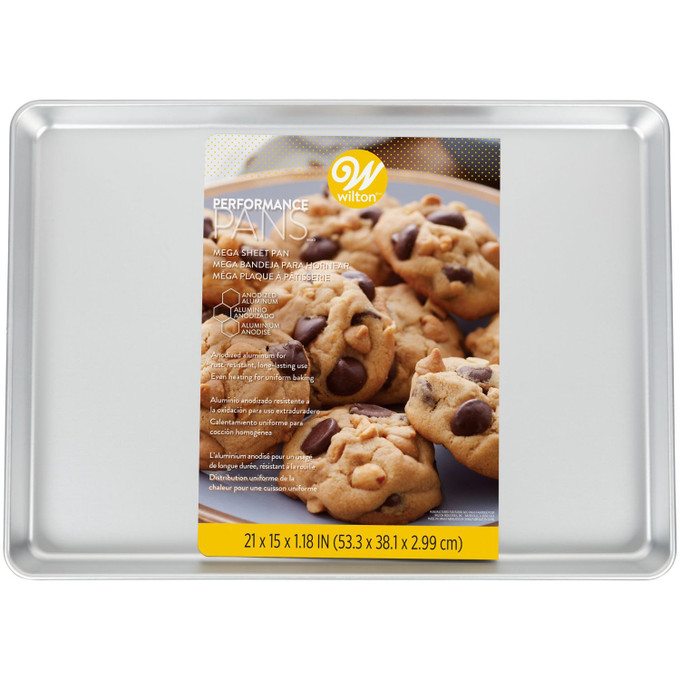
 In the bustling world of professional kitchens and ambitious home baking, the humble baking sheet plays an undeniably crucial role. But not all baking sheets are created equal. For those serious about their craft, a large commercial baking sheet isn’t just an upgrade; it’s an indispensable workhorse, designed for durability, exceptional performance, and handling high-volume tasks with ease. These professional-grade pans are engineered to elevate your baking, roasting, and cooking endeavors, ensuring consistent, perfectly cooked results every single time.
|
Our Picks for the Best Baking Sheet in 2026
As an Amazon Associate I earn from qualifying purchases.
|
||
| Num | Product | Action |
|---|---|---|
| 1 | Caraway Non-Stick Ceramic Baking Sheet Duo - Naturally Slick Ceramic Coating - Non-Toxic, PTFE & PFOA Free - 18 x 13\" Large & 15 x 10\" Medium - Slate |

|
| 2 | Commercial Quality Baking Sheet Pan Set, Natural Aluminum Cookie Sheet, Umite Chef Warp Resistant Baker\'s Half Sheet Pan, Large Thick Cookie Tray Pans for Baking, Roasting(2 Pack, 18X13In) |
|
| 3 | BRONYPRO Non Stick Ceramic Baking Sheet Pan Set of 3, Non Toxic Cookie Sheets (PFOA/PTFE Free), Aluminized Steel Oven Trays with Silicone Handles, Rust-Resistant, Warp-Resistant to 500°F, Light Gray |
|
| 4 | GoodCook Everyday Nonstick Carbon Steel Baking Sheet Set, 3 Pack – Small 13” x 9”, Medium 15” x 10”, Large 17” x 11” – Carbon Steel Cooking Pans, Cookie Sheet Bakeware Set |
|
| 5 | Caraway Non-Stick Ceramic Medium Baking Sheet - Naturally Slick Ceramic Coating - Non-Toxic, PTFE & PFOA Free - Perfect for Baking, Roasting, and More - Medium (15\" x 10\") - Gray |
|
| 6 | HONGBAKE Baking Sheet Pan Set of 3, Cookie Sheets for Oven, Nonstick Half/Quarter/Jelly Roll Pans with Diamond Texture Pattern, 0.8mm Thick Heavy Duty Cookie Tray, Champagne Gold |
|
| 7 | GoodCook Everyday Nonstick Carbon Steel Baking Sheet Set, 3 Pack – Small 13” x 9”, Medium 15” x 10”, Large 17” x 11” – Carbon Steel Cooking Pans, Cookie Sheet Bakeware Set |
|
| 8 | Amazon Basics Ceramic Nonstick Baking Sheets & Cooling Rack Set, Non-Toxic, Half Sheet Size, 2-Pack, Gray |
|
| 9 | Caraway Non-Stick Ceramic Large Baking Sheet Duo - Naturally Slick Ceramic Coating - Non-Toxic, PTFE & PFOA Free - Perfect for Baking, Roasting, and More - Large (18\" x 13\") - White |
|
| 10 | NutriChef 3-Piece Nonstick Kitchen Oven Baking Pans - Premium & Stylish Non-Stick Steel, Commercial Grade Restaurant Quality Metal Bakeware with Red Silicone Handles - Easy to Clean, NCSBS3S |
|
What is a Large Commercial Baking Sheet?
A large commercial baking sheet, often simply called a sheet pan or bun pan, is a rectangular metal pan specifically designed for demanding kitchen environments. Unlike the lighter, often flimsier sheets found in standard home kitchens, commercial versions boast heavier gauge materials, robust construction, and standardized sizing. They are the backbone of bakeries, restaurants, and catering operations, built to endure continuous high-temperature exposure and heavy loads without warping or degrading.
Historically, baking trays evolved from simple iron sheets. Today, advanced metallurgy and design principles create bakeware that offers superior heat conductivity, structural integrity, and ease of maintenance, making them suitable for everything from delicate pastries to hearty roasted meats.
Understanding the Sizes: The Commercial Standard
One of the defining characteristics of commercial baking sheets is their adherence to industry-standard sizing, which is crucial for compatibility with commercial ovens, racks, and cooling systems.
The Workhorse: Full-Size Baking Sheets (18″ x 26″)
This is the quintessential large commercial baking sheet. Measuring approximately 18 inches by 26 inches, the full-size sheet pan is designed to fit commercial ovens perfectly. It offers the maximum surface area for baking enormous batches of cookies, roasting large quantities of vegetables, or preparing multiple sheet pan dinners simultaneously. While incredibly efficient for professional settings, be mindful that these giants typically do not fit in standard residential ovens.
The Versatile Companion: Half-Size Baking Sheets (13″ x 18″)
The half-size commercial baking sheet, at roughly 13 inches by 18 inches, is perhaps the most versatile for both professional and serious home bakers. It’s half the size of a full sheet, as the name suggests, and often fits comfortably into most standard home ovens. Many commercial kitchens utilize half-sheets for smaller batches or for tasks requiring more flexibility than a full sheet can offer. They are also ideal for prep work, chilling ingredients, or as serving trays.
Other Standardized Sizes
While full and half sheets are the most common large sizes, commercial bakeware also comes in other fractional sizes like two-thirds (16″ x 22″), quarter (9.5″ x 13″), and eighth (6.5″ x 9.5″) sheets. These smaller sizes are useful for specialized tasks, individual portions, or in kitchens with limited space, such as food trucks.
Materials Matter: Choosing for Performance and Longevity
The material of your large commercial baking sheet dictates its heat distribution, durability, and how it interacts with different foods.
Aluminum: The Industry Favorite
Aluminum is a top choice in commercial kitchens due to its excellent heat conductivity. It heats up quickly and cools down rapidly, allowing for precise temperature control and even browning. This material is also lightweight and generally more affordable. However, uncoated aluminum can react with acidic foods, potentially imparting a metallic taste or causing discoloration. For the best performance, look for heavy-gauge aluminum.
Aluminized Steel: The Best of Both Worlds
Combining the conductive benefits of aluminum with the strength of steel, aluminized steel baking sheets are highly popular for their superior durability and even heat distribution. They are exceptionally resistant to warping and corrosion, making them a wise investment for high-volume bakeries. “Aluminized steel pans are fantastic for consistent baking results, especially when you need that perfect golden-brown crust without hot spots,” notes Chef Evelyn Reed, a seasoned pastry chef. They do tend to be pricier than pure aluminum and may require specific care to maintain their finish.
Stainless Steel: Durable, But with Caveats
Stainless steel baking sheets are robust, non-reactive, and resistant to rust and corrosion, making them easy to clean. However, stainless steel is a less efficient heat conductor compared to aluminum or aluminized steel, which can lead to uneven baking. To counteract this, many high-quality stainless steel pans incorporate an aluminum or copper core to improve thermal transfer. While highly durable, they are often the most expensive option.
Gauge Thickness: A Measure of Quality
The “gauge” refers to the thickness of the metal. In the world of bakeware, a lower gauge number indicates a thicker, heavier pan. A thicker pan is more resistant to warping under high heat and heavy loads, providing better heat retention and more even cooking. For a truly professional-grade large commercial baking sheet, aim for 16-gauge or 18-gauge material. Thinner pans (higher gauge numbers) are more prone to warping and uneven heating.
Key Features for a Superior Baking Experience
Beyond size and material, certain design features significantly impact a baking sheet’s performance and longevity.
Reinforced Rims: The Anti-Warping Secret
Many high-quality commercial baking sheets feature reinforced rims, often with an encapsulated galvanized steel wire. This added structural support is critical for preventing the pan from twisting or warping under intense heat. “Reinforced rims are a non-negotiable for commercial use,” advises bakery owner Mark Jensen. “They ensure your sheets stay flat, extending their lifespan and guaranteeing even baking.”
Perforated vs. Solid: Choosing Your Design
- Solid Baking Sheets: These are the most common and versatile, ideal for baking, roasting, and containing liquids.
- Perforated Baking Sheets: Featuring small holes across the surface, these pans are designed to promote better airflow and moisture evaporation. They are excellent for achieving crispy crusts on breads, pizzas, and certain pastries, as well as for cooling baked goods.
Non-Stick Coatings: Convenience vs. Durability
While non-stick coatings offer easy food release and cleanup, they require careful handling, especially in commercial environments. High-quality professional non-stick coatings are designed to withstand more rigorous use, but abrasive cleaning tools can still damage them. Many commercial kitchens opt for uncoated pans, relying on parchment paper or silicone baking mats for non-stick properties, as these are more durable for heavy-duty use.
NSF Certification: A Mark of Trust
For professional food service establishments, NSF certification is a vital consideration. This certification indicates that the baking sheet meets strict public health standards for design, material, and construction, ensuring it is easy to clean and sanitize, and safe for food contact.
Selecting the Right Large Commercial Baking Sheet for Your Needs
Choosing the perfect baking sheet requires a careful assessment of your specific requirements.
- Oven Compatibility: Always measure your oven’s interior to ensure your chosen full-size or half-size sheets will fit.
- Production Volume: High-volume operations will benefit from full-size sheets for maximum efficiency, while smaller operations or diverse menus might find half-sheets more practical.
- Types of Food: Consider the foods you primarily prepare. If you frequently bake acidic items, non-reactive materials like aluminized steel or stainless steel, or the use of liners, will be key. For crispy items, perforated sheets are excellent.
- Budget vs. Investment: While cheaper pans exist, a quality large commercial baking sheet is an investment that pays dividends in consistent results and longevity. Prioritizing heavier gauge aluminized steel or aluminum will save you money in the long run by preventing frequent replacements.
Mastering Your Large Commercial Baking Sheet: Usage Tips
Getting the most out of your professional bakeware involves more than just putting it in the oven.
- Preheating is Key: Always allow your oven and baking sheet to reach the desired temperature before placing food on it. This helps prevent thermal shock, which can lead to warping, and ensures even cooking from the start.
- Even Loading: Distribute food evenly across the surface of the pan. Overcrowding can lead to steaming instead of roasting or baking, and uneven loading can create hot spots, contributing to warping.
- Utilize Liners: For effortless cleanup and to protect your pans, especially non-stick coated ones, always use parchment paper or silicone baking mats. These also contribute to more even baking and prevent sticking.
- Avoid Extreme Temperature Changes: Do not place a hot baking sheet directly into cold water or on a cold surface. Allow it to cool gradually to room temperature to prevent thermal shock and potential warping.
Cleaning and Maintaining Your Commercial Bakeware
Proper care is essential to extend the life and performance of your large commercial baking sheet.
- Cool Down First: Always let your baking sheets cool completely after use. Rapid temperature changes can warp the metal and make cleaning more challenging.
- Hand Washing is Best: While some pans might claim to be dishwasher safe, hand washing with warm, soapy water and a non-abrasive sponge is generally recommended to preserve the finish and integrity of commercial bakeware.
- For Aluminum Pans: Aluminum can discolor over time. For stubborn residue, a paste of baking soda and water, or a mixture of baking soda and hydrogen peroxide, can work wonders. Apply, let sit for a few hours, then scrub gently. Avoid harsh detergents or steel wool, which can scratch the surface.
- For Aluminized Steel and Stainless Steel: These materials are generally more robust. Mild dish soap and a non-abrasive scrubber are usually sufficient. For baked-on grease, a paste of washing soda and cream of tartar, or baking soda and vinegar, can be effective.
- Dry Completely: Always dry your baking sheets thoroughly immediately after washing to prevent water spots and rust, especially for aluminized steel or any pan with hidden crevices in the rim.
Troubleshooting Common Issues: Tackling Warping and Sticking
Even with the best care, you might encounter issues. Here’s how to address them:
Warping Baking Sheets
The dreaded “pop” from the oven is often a sign of a baking sheet warping. This primarily occurs due to rapid or uneven temperature changes.
- Prevention: Invest in thicker, heavy-gauge pans with reinforced rims. Always allow pans to come to room temperature before placing them in a hot oven and let them cool down gradually before washing. Ensure your oven is preheated properly to avoid hot spots that cause uneven expansion.
- Fixing: While minor warping might correct itself upon cooling, significant, permanent warping often means the pan needs to be replaced for consistent baking results.
Sticking Food
Food sticking to your baking sheet can be frustrating and ruin your culinary creations.
- Prevention: Always use parchment paper or silicone baking mats, especially for delicate items or sticky doughs. For roasting, a light coating of oil or cooking spray can help. If using an uncoated pan, proper seasoning (like with cast iron) can create a natural non-stick surface over time.
Expert Insights and Recipe Ideas
“A truly great large commercial baking sheet isn’t just about size; it’s about reliability,” states Chef Pierre Dubois, an acclaimed culinary instructor. “It’s the foundation for consistency, allowing you to focus on the artistry of your food without worrying about equipment failure.”
With a robust large commercial baking sheet in hand, your culinary possibilities are endless:
- Batch Baking: Whip up dozens of cookies, pastries, or bread rolls for parties or sale.
- Sheet Pan Dinners: Roast an entire meal – chicken and vegetables, sausage and peppers – all on one pan for easy cleanup.
- Perfect Roasting: Achieve beautifully caramelized vegetables and crispy roasted meats thanks to even heat distribution.
- Candy Making: Create large batches of toffee, bark, or other confections that require a wide, flat cooling surface.
Conclusion
Investing in a high-quality large commercial baking sheet is a game-changer for anyone passionate about baking and cooking. Its superior durability, even heating capabilities, and generous size empower you to tackle culinary projects of any scale with confidence and precision. By understanding the different materials, sizes, and care requirements, you can select the perfect sheet pan to meet your needs, ensuring years of exceptional performance. Embrace the potential of professional-grade bakeware, and elevate every dish you create, making your time in the kitchen truly enjoyable and rewarding.