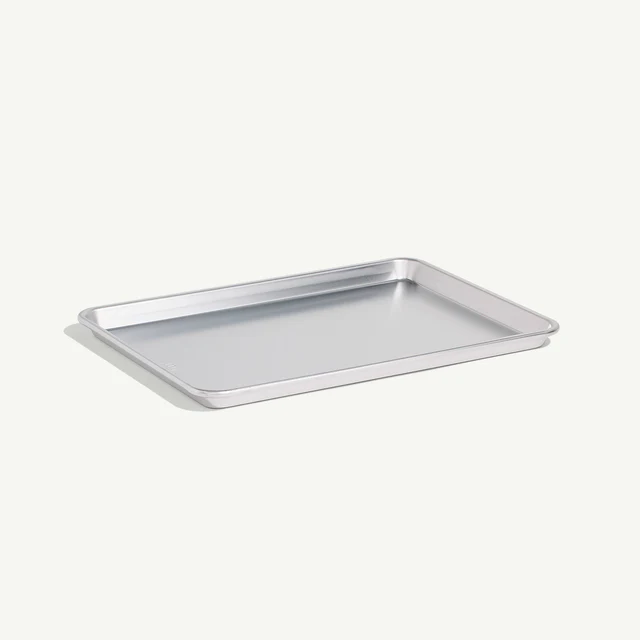
 If you’ve ever wondered how bakeries achieve that irresistible golden, crisp crust on their bread, pastries, and pizzas, the answer often lies in a specialized piece of equipment: the baking sheet with holes. Far from being just another pan, these perforated powerhouses are designed to revolutionize your baking, transforming ordinary bakes into culinary masterpieces with unparalleled texture and evenness.
|
Our Picks for the Best Baking Sheet in 2026
As an Amazon Associate I earn from qualifying purchases.
|
||
| Num | Product | Action |
|---|---|---|
| 1 | Caraway Non-Stick Ceramic Baking Sheet Duo - Naturally Slick Ceramic Coating - Non-Toxic, PTFE & PFOA Free - 18 x 13\" Large & 15 x 10\" Medium - Slate |

|
| 2 | BRONYPRO Non Stick Ceramic Baking Sheet Pan Set of 3, Non Toxic Cookie Sheets (PFOA/PTFE Free), Aluminized Steel Oven Trays with Silicone Handles, Rust-Resistant, Warp-Resistant to 500°F, Light Gray |
|
| 3 | Commercial Quality Baking Sheet Pan Set, Natural Aluminum Cookie Sheet, Umite Chef Warp Resistant Baker\'s Half Sheet Pan, Large Thick Cookie Tray Pans for Baking, Roasting(2 Pack, 18X13In) |
|
| 4 | NutriChef 3-Piece Nonstick Kitchen Oven Baking Pans - Premium & Stylish Non-Stick Steel, Commercial Grade Restaurant Quality Metal Bakeware with Red Silicone Handles - Easy to Clean, NCSBS3S |
|
| 5 | HONGBAKE Baking Sheet Pan Set of 3, Cookie Sheets for Oven, Nonstick Half/Quarter/Jelly Roll Pans with Diamond Texture Pattern, 0.8mm Thick Heavy Duty Cookie Tray, Champagne Gold |
|
| 6 | Caraway Non-Stick Ceramic Medium Baking Sheet - Naturally Slick Ceramic Coating - Non-Toxic, PTFE & PFOA Free - Perfect for Baking, Roasting, and More - Medium (15\" x 10\") - Gray |
|
| 7 | Amazon Basics Ceramic Nonstick Baking Sheets & Cooling Rack Set, Non-Toxic, Half Sheet Size, 2-Pack, Gray |
|
| 8 | Caraway Non-Stick Ceramic Large Baking Sheet Duo - Naturally Slick Ceramic Coating - Non-Toxic, PTFE & PFOA Free - Perfect for Baking, Roasting, and More - Large (18\" x 13\") - White |
|
| 9 | GoodCook Everyday Nonstick Carbon Steel Baking Sheet Set, 3 Pack – Small 13” x 9”, Medium 15” x 10”, Large 17” x 11” – Carbon Steel Cooking Pans, Cookie Sheet Bakeware Set |
|
| 10 | GoodCook Everyday Nonstick Carbon Steel Baking Sheet Set, 3 Pack – Small 13” x 9”, Medium 15” x 10”, Large 17” x 11” – Carbon Steel Cooking Pans, Cookie Sheet Bakeware Set |
|
Understanding the Magic: What is a Baking Sheet?
Before diving into the marvel of perforated designs, let’s talk about the humble baking sheet itself. At its core, a baking sheet, often called a sheet pan, is a flat, rectangular metal pan with raised edges, typically used for roasting vegetables, baking cookies, or preparing sheet pan dinners. It’s a foundational tool in any kitchen, providing a stable, heat-conducting surface for countless culinary endeavors. While traditional baking sheets offer reliable heat distribution from the bottom, they can sometimes trap moisture, leading to a less-than-ideal soggy underside for certain foods. This is where the innovation of the baking sheet with holes steps in, meticulously engineered to solve this very challenge and elevate your baking game.
Why Choose a Perforated Baking Sheet? Unveiling the Core Benefits
What makes a baking sheet with holes so special? It all comes down to its unique design, which optimizes airflow and heat transfer, delivering results that solid sheets simply can’t match.
Enhanced Airflow and Even Heat Distribution
Imagine your oven as a cozy sauna for your food. A traditional baking sheet can create a barrier, trapping heat directly beneath your dough. But with a baking sheet with holes, those tiny perforations act like miniature ventilation systems, allowing hot air to circulate freely around and beneath your baked goods. This continuous airflow ensures remarkably even heat distribution, eliminating frustrating hot spots and cold zones. The result? Uniformly cooked items with consistent browning from edge to center.
The Secret to Superior Crispness
This is perhaps the most celebrated benefit of using a baking sheet with holes. When moisture is trapped beneath your dough or pastry, it turns into steam that can’t escape, leading to a soft, often soggy, bottom. The holes in these sheets provide an escape route for that steam, effectively reducing moisture buildup. This crucial function allows the crust to dry out and crisp up beautifully, giving you that delightful crunch that’s a hallmark of artisan-quality baked goods.
Faster Baking Times
With improved heat circulation and more efficient moisture release, your food can often bake more quickly and effectively. The enhanced thermal exchange means less time waiting for your treats to turn golden, which is a fantastic bonus for busy home bakers and professional kitchens alike.
Effortless Food Release and Easier Cleaning
While not inherently non-stick in all cases, the design of a perforated baking sheet often aids in food release. Because less moisture is trapped, food is less likely to cling stubbornly to the surface. Additionally, crumbs and small bits of dough are less prone to sticking compared to solid sheets, making cleanup a breeze with a simple rinse.
Types of Perforated Baking Sheets: Materials, Coatings, and Sizes
Just like their solid counterparts, baking sheets with holes come in various forms, each offering distinct advantages.
Common Materials
- Aluminum: A popular choice for its excellent thermal conductivity and lightweight nature. Aluminum heats up quickly and cools down fast, making it ideal for precise baking. Many commercial perforated sheets are made from aluminum.
- Aluminized Steel: This material combines the strength of steel with the heat conduction benefits of aluminum. It’s often more durable and resistant to warping than pure aluminum.
- Stainless Steel: Known for its durability and corrosion resistance. While not as conductive as aluminum, stainless steel sheets are robust and easy to maintain.
Non-Stick Coatings
While the perforations themselves help with release, many baking sheets with holes also feature a non-stick coating. These coatings, often silicone-based, further ensure easy removal of delicate items and simplify cleanup. However, it’s essential to care for non-stick surfaces properly to extend their lifespan, avoiding harsh abrasives.
Standard Sizes
Perforated baking sheets are available in various sizes, often mirroring standard baking sheet dimensions like half-sheet (approximately 18×13 inches) or quarter-sheet (approximately 13×9 inches), making them compatible with most home ovens. Specialized pans, like those designed for baguettes or tarts, will have unique dimensions and shapes.
Hole Size Matters: Choosing the Right Perforation for Your Bakes
One of the most nuanced aspects of selecting a baking sheet with holes is understanding the impact of hole size. The diameter and spacing of the perforations are intentionally varied to suit different baking needs.
- Small Holes (around 2mm): These are ideal for more delicate pastries or items with a finer consistency. The smaller holes prevent dough from bubbling through while still allowing rapid and even heat penetration, avoiding “blisters” on the underside.
- Medium Holes (around 3mm): Offering a versatile middle-ground, these sheets are suitable for a wide range of baked goods, striking a good balance between airflow and structural support for your dough.
- Larger Holes (around 5mm): Best for denser doughs like artisan breads or thicker pizza crusts, these larger perforations allow for maximum heat distribution and moisture escape, promoting a robust, crispy crust.
The choice really depends on what you’re primarily baking. For a versatile home baker, a medium-holed sheet is often a great starting point.
When to Reach for a Perforated Baking Sheet: Ideal Applications
A baking sheet with holes isn’t for every baking task, but for specific items, it’s truly indispensable.
- Artisan Breads, Baguettes, and Croissants: If you dream of bread with a golden, crackling crust and a soft, airy interior, these sheets are your best friend. They are particularly crucial for baguettes and crusty rolls.
- Crispy Pizzas: Say goodbye to soggy pizza bottoms! A perforated sheet allows the crust to crisp up beautifully, making it an excellent alternative to a pizza stone for a lighter, crunchier base.
- Tarts and Delicate Pastries: For flaky pie crusts or perfectly crisp tart shells that don’t suffer from a dreaded “soggy bottom,” the perforations allow steam to escape from the pastry, ensuring a consistently cooked and crisp result, even with custard fillings.
- Roasted Vegetables and Fries: Anything you want to be incredibly crispy on all sides, like homemade French fries, sweet potato fries, or roasted Brussels sprouts, will benefit from the enhanced airflow.
- Drying Herbs, Mushrooms, and Fruits: The consistent air circulation also makes these sheets excellent for dehydrating foods at low oven temperatures, ensuring even drying.
- Reheating Par-Baked Goods: For finishing off partially baked bread or pastries, a perforated sheet helps to revive their crispness.
As Chef Isabella Rossi, a celebrated pastry chef, often says, “A perforated baking sheet isn’t just a pan; it’s an engineering marvel designed to give every baker that coveted golden, crunchy crust that sets homemade apart.”
Making the Smart Choice: How to Select Your Perfect Baking Sheet with Holes
Choosing the right baking sheet with holes can feel like a small decision, but it makes a big difference in your kitchen. Here’s what to consider:
- Material and Durability: Look for aluminum or aluminized steel for good heat conduction and resistance to warping. A sturdy build ensures your pan will withstand countless baking sessions.
- Size and Versatility: A standard half-sheet size is usually the most versatile for home ovens. Consider if you need specialized shapes, like baguette trays or tart rings, for specific projects.
- Hole Size for Intended Use: As discussed, match the perforation size to your most frequent baking needs. If you bake a variety, a medium hole size offers good all-around performance.
- Rimmed vs. Flat Edges: Most perforated sheets have a slight rim, which helps contain items and adds rigidity. For certain professional applications, completely flat perforated sheets exist for automated systems, but they are less common for home use.
- Quality as an Investment: A well-made perforated baking sheet is an investment in your baking success. Look for reputable brands known for quality bakeware.
Pro Tips for Optimal Baking: Maximizing Your Perforated Sheet
To get the absolute best out of your baking sheet with holes, keep these tips in mind:
- Preheat Thoroughly: Always preheat your oven and, ideally, your perforated sheet, especially for items like pizza or bread where a hot surface makes an immediate impact on crust development.
- Consider Parchment Paper or Silicone Mats: While the holes promote airflow, sometimes a recipe calls for parchment paper or a silicone baking mat. For delicate cookies or sticky pastries, these can prevent sticking. Just be aware that they will slightly reduce the “holed” benefit of maximum direct airflow. For ultimate crispness, consider baking directly on the clean, lightly greased (if needed) perforated surface.
- Don’t Overcrowd the Pan: Give your baked goods space to breathe! Overcrowding restricts airflow, diminishing the very benefit a baking sheet with holes provides. Bake in batches if necessary.
Care and Keeping: Cleaning and Maintaining Your Perforated Baking Sheet
Proper care ensures your baking sheet with holes remains a prized kitchen tool for years.
- Gentle Cleaning is Key: For most uses, a simple rinse with warm, soapy water and a soft sponge is sufficient. The perforations often prevent stubborn sticking, making cleanup straightforward.
- Avoid Abrasive Cleaners: Harsh scouring pads or abrasive detergents can damage non-stick coatings and even the metal surface.
- Dry Thoroughly: Always dry your sheet completely after washing to prevent water spots and potential corrosion, especially with aluminum.
- Proper Storage: Store your baking sheets in a way that prevents scratching, such as using pan protectors or stacking them carefully.
Common Baking Blunders with Perforated Sheets (and How to Fix Them)
Even seasoned bakers can make mistakes. Here are a few common pitfalls to avoid when using your baking sheet with holes:
- Using for Liquid Batters: Perforated sheets are designed for airflow, not containment. Pouring cake batter or any runny mixture directly onto them will result in a messy oven, not a baked good.
- The Fix: Stick to solid baking sheets for liquid batters, or use a solid pan on top of the perforated sheet if you need to create an air gap.
- Expecting Miracles with Overloaded Pans: Even with excellent airflow, an overcrowded pan will still struggle to produce even, crispy results.
- The Fix: Give your items adequate space. When in doubt, bake in two batches rather than one packed sheet.
- Incorrect Hole Size for the Task: Using a sheet with large holes for very delicate or crumbly items might cause them to fall through or deform.
- The Fix: Review your baking needs and choose a sheet with an appropriate hole size, or use parchment paper for fragile items.
Expand Your Baking Horizons: Delicious Ideas with Your New Sheet
Now that you’re a connoisseur of the baking sheet with holes, it’s time to put your knowledge to the test!
- Artisan Bread at Home: Experiment with no-knead bread recipes or try shaping your own baguettes for an authentic crust.
- Homemade Thin-Crust Pizza: Achieve that irresistible crunch that rivals your favorite pizzeria.
- Flaky Fruit Tarts: Prevent soggy bottoms and enjoy perfectly baked pastry shells every time.
- Crispy Roasted Root Vegetables: From potatoes to carrots, get beautifully caramelized and tender-crisp results.
- Oven-Baked “Fried” Chicken: Enjoy a healthier version of a classic with a wonderfully crisp coating.
FAQ: Your Burning Questions About Perforated Baking Sheets Answered
Q: Can I use parchment paper on a baking sheet with holes?
A: Yes, you can. Parchment paper will still prevent sticking and aid in cleanup. However, it will slightly inhibit the direct airflow through the holes, potentially reducing the ultimate crisping effect for the bottom of your bake. For maximum crispness, consider baking directly on the pan if your recipe allows.
Q: Are baking sheets with holes dishwasher safe?
A: Most aluminum and aluminized steel perforated baking sheets are generally not recommended for the dishwasher, as harsh detergents and high heat can cause discoloration, pitting, or damage to non-stick coatings. Handwashing is usually the safest and most effective method. Always check the manufacturer’s instructions.
Q: What’s the main difference between a baking sheet with holes and a cooling rack?
A: While both feature an open design for air circulation, a baking sheet with holes is a solid pan with perforations designed for baking directly on its surface in the oven. A cooling rack is typically a wire grid designed to hold hot items above a surface (like a countertop or another solid baking sheet) for cooling or for allowing drippings to collect below.
Q: Can I roast meats on a baking sheet with holes?
A: It depends on the meat. For leaner cuts or items that you want to crisp up (like chicken wings or bacon), a perforated sheet can work well by allowing fat to drip away. However, for roasts or meats that release a lot of liquid, a solid baking sheet with a rim is usually preferred to contain juices and prevent oven messes.
Q: What are the best materials for a perforated baking sheet?
A: Aluminum and aluminized steel are widely considered the best materials for perforated baking sheets due to their excellent heat conductivity, durability, and relatively lightweight nature. Stainless steel is also an option, known for its robustness.
Conclusion
The baking sheet with holes is more than just a piece of bakeware; it’s a testament to how simple design innovations can dramatically enhance your culinary results. By harnessing the power of optimal airflow and heat distribution, these specialized sheets empower you to achieve the perfect crisp, golden crust that professional bakers strive for. So, whether you’re perfecting your sourdough, crafting a delicate tart, or simply making the crispiest roasted potatoes, embracing a baking sheet with holes is a sure way to elevate your kitchen expertise and savor every delightful, crunchy bite. Don’t be afraid to experiment with this invaluable tool and discover a new world of perfectly textured bakes!