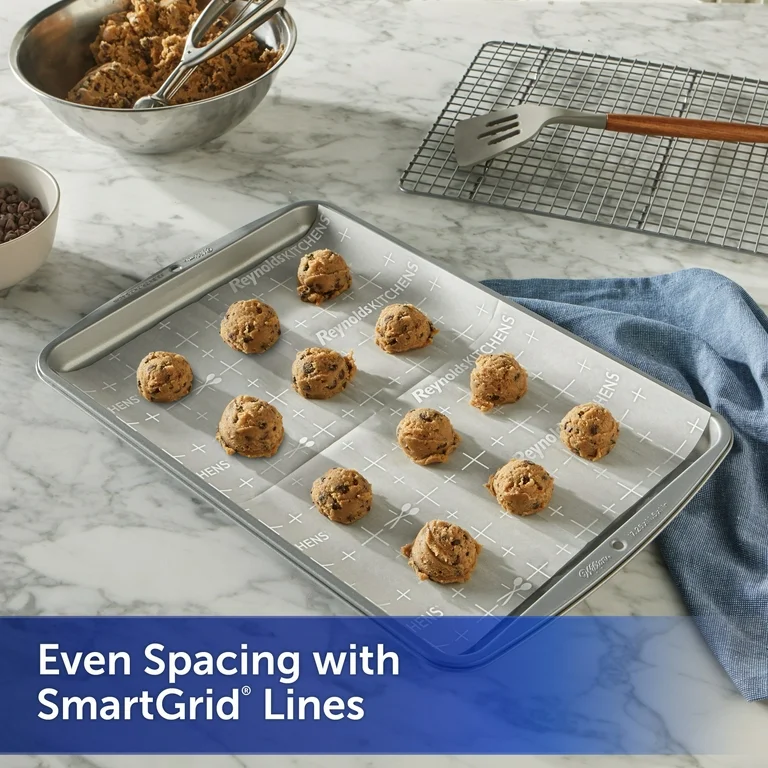
 In the bustling world of home baking and professional kitchens, one humble yet indispensable tool consistently earns its place: the aluminum baking sheet. It’s more than just a flat piece of metal; it’s the foundation for countless culinary creations, from perfectly golden cookies to exquisitely roasted vegetables. For passionate bakers seeking to elevate their craft, understanding the core value and potential of the aluminum baking sheet is key to making informed choices and enjoying their culinary journey to the fullest. This guide will delve into everything you need to know about this kitchen essential, ensuring your “Bếp Nướng Hoàn Hảo” (Perfect Baking Kitchen) is well-equipped for every delicious adventure.
|
Our Picks for the Best Baking Sheet in 2026
As an Amazon Associate I earn from qualifying purchases.
|
||
| Num | Product | Action |
|---|---|---|
| 1 | GoodCook Everyday Nonstick Carbon Steel Baking Sheet Set, 3 Pack – Small 13” x 9”, Medium 15” x 10”, Large 17” x 11” – Carbon Steel Cooking Pans, Cookie Sheet Bakeware Set |

|
| 2 | GoodCook Everyday Nonstick Carbon Steel Baking Sheet Set, 3 Pack – Small 13” x 9”, Medium 15” x 10”, Large 17” x 11” – Carbon Steel Cooking Pans, Cookie Sheet Bakeware Set |
|
| 3 | Commercial Quality Baking Sheet Pan Set, Natural Aluminum Cookie Sheet, Umite Chef Warp Resistant Baker\'s Half Sheet Pan, Large Thick Cookie Tray Pans for Baking, Roasting(2 Pack, 18X13In) |
|
| 4 | BRONYPRO Non Stick Ceramic Baking Sheet Pan Set of 3, Non Toxic Cookie Sheets (PFOA/PTFE Free), Aluminized Steel Oven Trays with Silicone Handles, Rust-Resistant, Warp-Resistant to 500°F, Light Gray |
|
| 5 | HONGBAKE Baking Sheet Pan Set of 3, Cookie Sheets for Oven, Nonstick Half/Quarter/Jelly Roll Pans with Diamond Texture Pattern, 0.8mm Thick Heavy Duty Cookie Tray, Champagne Gold |
|
| 6 | Caraway Non-Stick Ceramic Medium Baking Sheet - Naturally Slick Ceramic Coating - Non-Toxic, PTFE & PFOA Free - Perfect for Baking, Roasting, and More - Medium (15\" x 10\") - Gray |
|
| 7 | NutriChef 3-Piece Nonstick Kitchen Oven Baking Pans - Premium & Stylish Non-Stick Steel, Commercial Grade Restaurant Quality Metal Bakeware with Red Silicone Handles - Easy to Clean, NCSBS3S |
|
| 8 | Caraway Non-Stick Ceramic Baking Sheet Duo - Naturally Slick Ceramic Coating - Non-Toxic, PTFE & PFOA Free - 18 x 13\" Large & 15 x 10\" Medium - Slate |
|
| 9 | Amazon Basics Ceramic Nonstick Baking Sheets & Cooling Rack Set, Non-Toxic, Half Sheet Size, 2-Pack, Gray |
|
| 10 | Caraway Non-Stick Ceramic Large Baking Sheet Duo - Naturally Slick Ceramic Coating - Non-Toxic, PTFE & PFOA Free - Perfect for Baking, Roasting, and More - Large (18\" x 13\") - White |
|
Understanding the Aluminum Baking Sheet: The Heart of Even Baking
What exactly makes an aluminum baking sheet so special? At its core, an aluminum baking sheet is a metal tray, typically with raised edges, designed to provide a flat, heat-conductive surface for baking, roasting, and cooling. Its history in baking is deeply rooted in its performance – professional kitchens have long relied on aluminum for its reliability.
The science behind its superiority lies in aluminum’s exceptional thermal conductivity. This means it heats up quickly and, more importantly, distributes heat incredibly evenly across its surface. Unlike some other materials that can create hot spots, aluminum ensures that every cookie, every roast potato, and every sheet-pan dinner cooks uniformly, resulting in consistent browning and doneness. This even heat distribution is crucial for achieving that coveted golden-brown finish without scorching or undercooking.
Baking sheets, often referred to as half-sheet pans or quarter-sheet pans depending on their size, are the workhorses of the kitchen. They are versatile tools that can handle a wide array of tasks, from delicate pastries to robust savory dishes. The quality of a baking sheet can significantly impact the outcome of your recipes, making a well-chosen aluminum baking sheet a true investment in your culinary success.
Types of Aluminum Baking Sheets: Uncoated vs. Nonstick
When exploring aluminum baking sheets, you’ll primarily encounter two categories: uncoated and nonstick. Each offers distinct advantages tailored to different baking needs.
Uncoated Aluminum Baking Sheets
Pure or natural aluminum baking sheets are the classic choice for many bakers. These sheets typically lack any chemical coating, allowing for direct heat transfer and excellent browning.
- Benefits: Uncoated aluminum is celebrated for achieving perfectly crisp edges on cookies and a beautiful, even browning on roasted foods. Many professional bakers prefer them for their durability and ability to withstand high temperatures without degradation of a nonstick surface. They are also often made without PFAS, PTFE, PFOA, or Teflon, which is a consideration for some consumers.
- Ideal Uses: Perfect for cookies, roasted vegetables, sheet pan meals where browning is desired, and anything requiring a crisp bottom crust.
Nonstick Aluminum Baking Sheets (and Aluminized Steel)
While pure aluminum is a fantastic conductor, some sheets are enhanced with a nonstick coating for convenience. You’ll also often find “aluminized steel” baking sheets in this category, which combine the strength of steel with a thin layer of aluminum for improved heat conductivity.
- Benefits: Nonstick surfaces ensure easy food release, making cleanup a breeze. This is particularly useful for delicate items that might otherwise stick. Aluminized steel pans, with their robust steel core, offer superior durability and warp resistance, while the aluminum layer helps with heat distribution.
- Considerations: Nonstick coatings can be susceptible to scratches from metal utensils and may have lower maximum oven temperature ratings compared to uncoated pans. Over time, coatings can wear down. Hand washing is often recommended to extend the life of the nonstick surface.
Gauge and Construction: The Foundation of Durability
The thickness, or “gauge,” of an aluminum baking sheet plays a significant role in its performance and longevity. Heavy gauge aluminum (typically 10-12 gauge) is highly recommended. Thicker sheets are less prone to warping at high temperatures, ensuring a consistently flat baking surface. Many high-quality aluminum baking sheets also feature reinforced or encapsulated steel rims. These rims add substantial strength to the pan, further preventing warping and helping the pan maintain its shape through years of use. This construction detail is a mark of a well-made, durable baking sheet.
Choosing Your Perfect Aluminum Baking Sheet
Selecting the right aluminum baking sheet involves considering your primary baking needs and understanding the features that contribute to a quality product.
- Consider Your Baking Needs: If you frequently bake cookies, roast vegetables, or prepare sheet-pan dinners where even browning is paramount, an uncoated, heavy-gauge aluminum sheet is an excellent choice. If easy release and quick cleanup are your top priorities, a high-quality nonstick aluminized steel pan might be more suitable.
- Material and Gauge: Opt for pure aluminum or aluminized steel with a heavy gauge (around 10-12 gauge) for optimal heat distribution and warp resistance.
- Size and Shape: The “half-sheet” pan (approximately 13×18 inches) is a standard and versatile size for most home ovens. Quarter-sheet pans are great for smaller batches or toaster ovens, while full-sheet pans are typically for commercial use.
- Brand Reputation: While not naming specific brands, look for manufacturers known for quality bakeware, as they often invest in proper materials and construction to ensure durability and performance. Reviews from other home bakers and culinary professionals can be a valuable resource.
Mastering Your Aluminum Baking Sheet: Tips for Optimal Results
Getting the most out of your aluminum baking sheet is about more than just placing food on it. Here are some tips for achieving consistently excellent results:
Prepping for Success
To prevent sticking and facilitate easy cleanup, especially with uncoated sheets, proper preparation is key.
- Parchment Paper: This is your best friend. It creates a nonstick surface, helps prevent scorching, and makes cleanup incredibly easy.
- Silicone Baking Mats: Reusable and durable, silicone mats offer an excellent nonstick surface and contribute to even baking.
- Fats: For roasting savory foods, a light coating of butter or cooking oil works wonders. For some cookies, a greased and floured surface may be preferred.
Even Heat Distribution
Aluminum baking sheets are inherently good at this, but you can enhance it further. Avoid overcrowding the pan, as this can trap steam and prevent proper browning. Allow space between items for air to circulate.
Temperature Considerations
Most aluminum baking sheets are oven safe up to 500°F (260°C), making them suitable for high-heat roasting. Always check the manufacturer’s recommendations, especially for nonstick coated pans, which may have a slightly lower temperature limit (e.g., 475°F).
How can I prevent my cookies from sticking to an aluminum baking sheet?
To prevent cookies from sticking, always line your aluminum baking sheet with parchment paper or a silicone baking mat. Alternatively, you can lightly grease and flour the pan for certain recipes. These methods create a barrier that ensures easy release and perfect bottoms.
Care and Maintenance for Longevity
Proper care will ensure your aluminum baking sheet remains a reliable kitchen companion for years to come.
Cleaning Best Practices
- Hand Washing is King: Always hand wash your aluminum baking sheets with warm, soapy water. Automatic dishwasher detergents can cause discoloration, which, while usually cosmetic and not affecting baking performance, can be unsightly.
- Gentle Utensils: Use nylon, wood, or silicone utensils to avoid scratching the surface, especially on nonstick pans. While scratches on uncoated aluminum don’t typically affect performance, they can still be aesthetically undesirable.
- Avoid Abrasive Scouring Pads: These can scratch both coated and uncoated surfaces.
- For Stubborn Stains: A paste of baking soda and a little water can gently lift baked-on residue. Let it sit for a while before scrubbing with a soft sponge.
Handling Acidic Foods
Aluminum is reactive to acidic ingredients such as vinegar and tomato products. Prolonged contact with these foods may cause the pan to darken, pit, or corrode. For highly acidic dishes, consider lining your pan thoroughly or opting for a different type of bakeware if you’re concerned about reactivity.
Storage Tips
Store your baking sheets in a way that prevents scratching. Stacking them with a piece of parchment paper or a thin cloth between each pan can help protect their surfaces.
Common Baking Sheet Blunders and How to Fix Them
Even the most experienced bakers encounter issues. Here’s how to troubleshoot common problems with aluminum baking sheets:
- Warping: This usually occurs when a thin baking sheet is subjected to sudden, high heat. High-quality, heavy-gauge aluminum sheets with reinforced steel rims are designed to resist warping. If your pan warps temporarily in the oven, it often flattens out as it cools. For persistent warping, it might be time to upgrade to a sturdier pan.
- Sticking: As mentioned, improper preparation is the culprit. Always use parchment paper, silicone mats, or adequate greasing to ensure food releases cleanly.
- Discoloration/Pitting: This can happen from dishwashing or exposure to acidic foods. Discoloration is cosmetic and harmless. Pitting, however, indicates corrosion and can sometimes be a sign to replace the pan if it becomes severe. To restore some shine, a metal polish can be used on uncoated pans.
Beyond Cookies: Creative Uses and Recipes with Your Aluminum Baking Sheet
The versatility of the aluminum baking sheet extends far beyond simple cookie baking. Embrace it as a multi-purpose tool for a variety of culinary delights:
- Sheet Pan Dinners: Roast a complete meal on a single pan! Combine proteins like chicken, sausage, or fish with an assortment of vegetables (broccoli, bell peppers, potatoes, carrots) for a flavorful and easy-to-clean-up dinner.
- Roasted Vegetables: Achieve perfectly caramelized and tender roasted vegetables every time. A light toss in olive oil, salt, and your favorite herbs before spreading them in a single layer on your aluminum sheet will yield fantastic results.
- Homemade Pizza: For a crispier crust, bake your pizza directly on a preheated aluminum baking sheet, or use parchment paper for easier handling.
- Baking Bread and Pastries: From artisanal breads to savory croissants, the even heat of an aluminum sheet is ideal.
“A good aluminum baking sheet is like a blank canvas for a chef,” says Chef Julian Thorne, a renowned pastry expert. “Its consistent heat transfer is unmatched, laying the groundwork for everything from delicate macarons to robust, crispy-skinned roasted chickens. It’s an essential tool that teaches you the importance of even cooking, a fundamental skill in any kitchen.”
Frequently Asked Questions
Are aluminum baking sheets safe to use?
Yes, aluminum baking sheets are generally safe for cooking and baking. High-quality natural aluminum pans, especially those labeled PFAS/PTFE/PFOA-free, are widely used in both home and professional settings. While aluminum can react with acidic foods, this is typically a minor cosmetic issue, leading to discoloration, and not a health concern.
How do I stop my aluminum baking sheet from warping?
To prevent warping, invest in heavy-gauge aluminum baking sheets, ideally those with reinforced or encapsulated steel rims, as these constructions provide superior stability. Avoiding extreme temperature changes, such as placing a very cold pan directly into a very hot oven, can also help.
What’s the difference between an uncoated and nonstick aluminum baking sheet?
An uncoated aluminum baking sheet provides direct heat transfer for maximum browning and crispness. A nonstick aluminum or aluminized steel baking sheet has a coating that ensures easy food release and quick cleanup. The choice depends on your priority: browning vs. convenience.
Can I put my aluminum baking sheet in the dishwasher?
It is generally recommended to hand wash aluminum baking sheets. Dishwasher detergents can cause aluminum to discolor, which is a cosmetic change that does not affect the pan’s performance or safety. Hand washing preserves the pan’s appearance and finish.
How do I clean stubborn stains from my aluminum baking sheet?
For stubborn stains, a paste made from baking soda and a small amount of water can be very effective. Apply the paste to the stained area, let it sit for a while (30 minutes to an hour), then scrub gently with a non-abrasive sponge. Rinse thoroughly and dry.
Conclusion
The aluminum baking sheet, in its various forms, remains an indispensable tool for anyone who loves to bake and cook. Its exceptional heat conductivity, durability, and versatility make it a cornerstone of efficient and effective kitchen practice. By understanding the differences between uncoated and nonstick options, prioritizing heavy-gauge construction with reinforced rims, and practicing proper care, you empower yourself to make smart choices for your kitchen. So, embrace your aluminum baking sheet, experiment with new recipes, and revel in the joy of perfectly baked and roasted creations. Happy baking, and may your culinary journey be filled with endless delicious possibilities!