In the bustling world of modern kitchens, efficiency and versatility are highly prized. While grand feasts often steal the spotlight, the daily rhythm of cooking for one, two, or a small gathering demands tools that are nimble, adaptable, and incredibly practical. Enter the humble yet mighty small baking sheet pan. This unsung hero of the bakeware collection is about to revolutionize your culinary routine, offering a compact powerhouse that delivers big on convenience and delicious results.
A baking sheet, often referred to as a sheet pan, is fundamentally a flat, rectangular metal pan with raised edges, typically one inch high. These rims are crucial, as they contain liquids and prevent food from sliding off, making them incredibly versatile for everything from roasting vegetables to baking cookies. While traditional “half-sheet” pans (around 18×13 inches) are a standard for many home ovens, the true magic for everyday, small-scale cooking lies in their more diminutive cousins: the small baking sheet pan. This category predominantly includes quarter-sheet pans (roughly 13×9 to 13×9.6 inches) and even smaller eighth-sheet pans (approximately 6.5×9 inches).
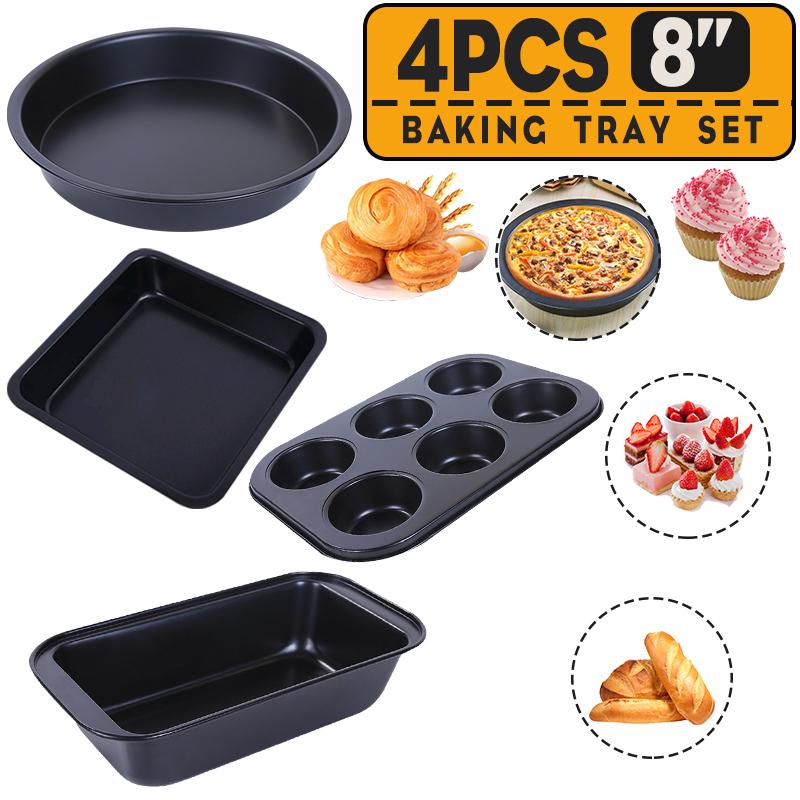
Why Every Kitchen Needs a Small Baking Sheet Pan
The benefits of incorporating a small baking sheet pan into your kitchen arsenal are extensive, especially for those navigating smaller living spaces, cooking for fewer people, or simply seeking greater flexibility.
First and foremost, space-saving design is a major draw. Small baking sheet pans fit comfortably in compact kitchens, toaster ovens, and even many air fryers, making them perfect for urban dwellers or those with limited cabinet space. Their size also means they typically fit into standard sink basins, making cleanup less of a chore.
Secondly, they are perfect for single servings or small batch cooking. Why heat up a large oven and a massive pan for just a few cookies, a handful of roasted vegetables, or a single chicken breast? A small baking sheet pan makes these tasks incredibly efficient, preventing food from spreading too thin and promoting even cooking. As Chef Isabella Rossi, a renowned culinary instructor, often advises, “Matching your pan size to your portion is a simple yet effective way to prevent overcooking and enhance flavor. A small pan ensures your ingredients are cozy, not crowded.”
Furthermore, small baking sheets excel at efficient reheating and flash-freezing. Tired of soggy leftovers from the microwave? Reheating pizza, pastries, or even a small batch of fries on a small baking sheet in the oven yields far crispier, more satisfying results. They also slip easily into crowded freezers, making them ideal for flash-freezing delicate items like berries or individual cookie dough balls before transferring them to storage bags.
Beyond baking, these pans are multi-purpose powerhouses. They double as excellent prep stations, allowing you to organize chopped vegetables or measured spices for mise en place without cluttering your countertops. You can also use them as impromptu serving trays for appetizers, cheese boards, or even as drip catchers beneath bubbling casseroles in the oven, saving you from scrubbing burnt spills later.
Choosing Your Ideal Small Baking Sheet Pan
Selecting the right small baking sheet pan involves understanding various factors, from the materials they’re made from to specific features that enhance performance.
Materials Matter
The material of your baking sheet significantly impacts its heat conductivity, durability, and how it interacts with different foods.
- Aluminum: This is a popular choice for its excellent heat conductivity, allowing pans to heat up and cool down quickly, promoting even browning. It’s typically lightweight and affordable but can react with acidic foods, potentially imparting a metallic taste or discoloration.
- Aluminized Steel: A strong, durable steel core coated with an aluminum-silicon alloy, offering the strength of steel with good heat distribution.
- Stainless Steel: Less common for bakeware due to its tendency to heat less evenly and potentially hinder browning, though tri-ply constructions can improve performance.
- Carbon Steel: Heavy-duty and excellent heat conductors, these pans often require seasoning to prevent rust and create a natural nonstick surface.
- Nonstick Coatings: These are fantastic for delicate baked goods, ensuring easy release and simplifying cleanup. However, nonstick surfaces can wear down over time, may not be suitable for high-heat roasting or broiling, and often require careful handling to avoid scratches.
Size Considerations
While “small” is the keyword, specific dimensions offer different advantages.
- Quarter-Sheet Pan (approx. 13×9 to 13×9.6 inches): This is arguably the most versatile small size for home cooks. It fits in most standard ovens and many toaster ovens, ideal for a couple of servings or a small batch of cookies.
- Eighth-Sheet Pan (approx. 6.5×9 inches): Even smaller, these are perfect for single servings, toasting a handful of nuts, or holding ingredients during prep. They’re excellent for very small toaster ovens.
Features to Look For
- Rimmed Edges: Essential for containing food and liquids, ensuring no spills in your oven. Avoid flat cookie sheets if you need versatility beyond just cookies.
- Gauge Thickness: The thickness of the metal (gauge) affects durability and warp resistance. Generally, a lower gauge number indicates a thicker, more robust pan that’s less likely to warp under high heat.
- Reinforced Rims: Rolled or encapsulated steel rims can provide extra stability and prevent warping.
Unlocking the Potential: Creative Uses and Recipes
A small baking sheet pan opens up a world of culinary possibilities, proving its worth far beyond a standard cookie sheet.
- Small Batch Sweet Treats: Craving just a few cookies? An eighth-sheet pan is perfect for baking 2-4 cookies without a large footprint. Quarter-sheets are ideal for a modest batch of brownies, blondies, or even a mini sheet cake.
- Effortless Sheet Pan Dinners for One or Two: The ultimate weeknight warrior, these pans simplify dinner. Roast chicken pieces and a medley of vegetables (broccoli, bell peppers, potatoes) seasoned with herbs and olive oil for a complete meal with minimal cleanup. Or try sheet pan shrimp fajitas for a quick, flavorful dish.
- Breakfast Bites and Brunch Ideas: Press seasoned ground meat onto a small sheet pan, bake, then slice into mini sliders for breakfast sandwiches. You can also bake individual frittatas or quiche squares, perfect for grab-and-go mornings.
- Appetizers and Snacks: Create individual pizzas on quarter-sheet pans or quickly toast nuts and seeds for salads and garnishes. Sheet pan nachos are also a fantastic crowd-pleaser for small gatherings.
- Kitchen Prep and Organization: Use them for arranging ingredients for your mise en place, holding thawing meat over a larger pan, or drying herbs. Their compact nature makes them indispensable for keeping your cooking station tidy.
Expert Tips for Optimal Baking and Longevity
To get the most out of your small baking sheet pan and ensure it lasts for years, follow these expert tips.
- Proper Prepping is Key: Even with nonstick pans, lining with parchment paper or a silicone baking mat is often recommended. This not only makes cleanup a breeze but also prevents sticking and helps delicate items release perfectly. For roasting, a light coat of oil or cooking spray is usually sufficient.
- Avoid Overcrowding: A common mistake, especially when dealing with smaller pans, is cramming too much food onto the surface. Overcrowding leads to steaming instead of roasting, resulting in soggy rather than crispy textures. Give your ingredients room to breathe.
- Mind the Temperature: While most aluminum pans can handle high heat, always check the manufacturer’s recommendations, especially for nonstick or ceramic-coated pans, as some have lower temperature limits.
- Cleaning and Care: “Hand-washing is almost always the best option for your baking sheets,” advises Chef Rossi. “Harsh dishwasher detergents and high temperatures can dull finishes, damage nonstick coatings, and even promote warping.” Use warm, soapy water and a soft sponge. For stubborn baked-on bits, a paste of baking soda and a little water can work wonders.
- Troubleshooting Warping and Sticking: If your pan warps, it might be due to rapid temperature changes (e.g., placing a cold pan into a very hot oven). Look for thicker gauge pans to minimize this. For sticking, ensure proper greasing or use parchment/mats. Discoloration over time is normal, especially with aluminum, and often indicates a well-loved, well-used pan.
Common Questions About Small Baking Sheet Pans
Q: What’s the best material for a small baking sheet pan?
A: For general versatility, uncoated aluminum or aluminized steel are excellent choices due to their even heat distribution and durability. Nonstick pans are great for delicate items, but consider their temperature limitations and cleaning needs.
Q: Can I use a small baking sheet pan in a toaster oven?
A: Absolutely! Quarter-sheet pans (approx. 13×9 inches) and eighth-sheet pans (approx. 6.5×9 inches) are often perfectly sized for toaster ovens, making them ideal for small cooking tasks without heating up a full-sized oven.
Q: How do I prevent food from sticking to my small baking sheet?
A: Lining your pan with parchment paper or a silicone baking mat is the most effective way to prevent sticking and make cleanup easy. You can also lightly grease the pan with oil or cooking spray, especially for nonstick surfaces.
Q: Are small baking sheets difficult to clean?
A: Not at all! In fact, their smaller size often makes them easier to clean as they fit better in most sinks. Hand-washing with warm, soapy water is generally recommended to prolong their lifespan, especially for nonstick pans.
Q: What’s the difference between a quarter sheet and an eighth sheet?
A: A quarter sheet pan is typically around 13×9 inches, while an eighth sheet pan is roughly half that size, often around 6.5×9 inches. Both are considered “small,” with eighth sheets being ideal for very small batches or single servings, and quarter sheets offering a bit more surface area.
The small baking sheet pan is a testament to the idea that great things often come in compact packages. From crafting individual gourmet meals to streamlining your daily kitchen routine, this versatile tool empowers you to bake, roast, and prepare with unparalleled ease and efficiency. Embrace the convenience, unlock new recipes, and elevate your cooking game with this indispensable kitchen essential. Happy baking!
|
Our Picks for the Best Baking Sheet in 2026
As an Amazon Associate I earn from qualifying purchases.
|
||
| Num | Product | Action |
|---|---|---|
| 1 | Commercial Quality Baking Sheet Pan Set, Natural Aluminum Cookie Sheet, Umite Chef Warp Resistant Baker\'s Half Sheet Pan, Large Thick Cookie Tray Pans for Baking, Roasting(2 Pack, 18X13In) |

|
| 2 | GoodCook Everyday Nonstick Carbon Steel Baking Sheet Set, 3 Pack – Small 13” x 9”, Medium 15” x 10”, Large 17” x 11” – Carbon Steel Cooking Pans, Cookie Sheet Bakeware Set |
|
| 3 | Amazon Basics Ceramic Nonstick Baking Sheets & Cooling Rack Set, Non-Toxic, Half Sheet Size, 2-Pack, Gray |
|
| 4 | GoodCook Everyday Nonstick Carbon Steel Baking Sheet Set, 3 Pack – Small 13” x 9”, Medium 15” x 10”, Large 17” x 11” – Carbon Steel Cooking Pans, Cookie Sheet Bakeware Set |
|
| 5 | NutriChef 3-Piece Nonstick Kitchen Oven Baking Pans - Premium & Stylish Non-Stick Steel, Commercial Grade Restaurant Quality Metal Bakeware with Red Silicone Handles - Easy to Clean, NCSBS3S |
|
| 6 | Caraway Non-Stick Ceramic Large Baking Sheet Duo - Naturally Slick Ceramic Coating - Non-Toxic, PTFE & PFOA Free - Perfect for Baking, Roasting, and More - Large (18\" x 13\") - White |
|
| 7 | HONGBAKE Baking Sheet Pan Set of 3, Cookie Sheets for Oven, Nonstick Half/Quarter/Jelly Roll Pans with Diamond Texture Pattern, 0.8mm Thick Heavy Duty Cookie Tray, Champagne Gold |
|
| 8 | Caraway Non-Stick Ceramic Medium Baking Sheet - Naturally Slick Ceramic Coating - Non-Toxic, PTFE & PFOA Free - Perfect for Baking, Roasting, and More - Medium (15\" x 10\") - Gray |
|
| 9 | BRONYPRO Non Stick Ceramic Baking Sheet Pan Set of 3, Non Toxic Cookie Sheets (PFOA/PTFE Free), Aluminized Steel Oven Trays with Silicone Handles, Rust-Resistant, Warp-Resistant to 500°F, Light Gray |
|
| 10 | Caraway Non-Stick Ceramic Baking Sheet Duo - Naturally Slick Ceramic Coating - Non-Toxic, PTFE & PFOA Free - 18 x 13\" Large & 15 x 10\" Medium - Slate |
|