Stepping into the world of baking means understanding your tools, and among the essentials, the enamel baking sheet stands out as a true workhorse. For home bakers and seasoned professionals alike, choosing the right bakeware can make all the difference between a good bake and a truly perfect one. This guide delves into the core value and immense potential of enamel baking sheets, helping you make informed choices and elevate your culinary passion.
|
Our Picks for the Best Baking Sheet in 2026
As an Amazon Associate I earn from qualifying purchases.
|
||
| Num | Product | Action |
|---|---|---|
| 1 | NutriChef 3-Piece Nonstick Kitchen Oven Baking Pans - Premium & Stylish Non-Stick Steel, Commercial Grade Restaurant Quality Metal Bakeware with Red Silicone Handles - Easy to Clean, NCSBS3S |

|
| 2 | Commercial Quality Baking Sheet Pan Set, Natural Aluminum Cookie Sheet, Umite Chef Warp Resistant Baker\'s Half Sheet Pan, Large Thick Cookie Tray Pans for Baking, Roasting(2 Pack, 18X13In) |
|
| 3 | BRONYPRO Non Stick Ceramic Baking Sheet Pan Set of 3, Non Toxic Cookie Sheets (PFOA/PTFE Free), Aluminized Steel Oven Trays with Silicone Handles, Rust-Resistant, Warp-Resistant to 500°F, Light Gray |
|
| 4 | HONGBAKE Baking Sheet Pan Set of 3, Cookie Sheets for Oven, Nonstick Half/Quarter/Jelly Roll Pans with Diamond Texture Pattern, 0.8mm Thick Heavy Duty Cookie Tray, Champagne Gold |
|
| 5 | Caraway Non-Stick Ceramic Large Baking Sheet Duo - Naturally Slick Ceramic Coating - Non-Toxic, PTFE & PFOA Free - Perfect for Baking, Roasting, and More - Large (18\" x 13\") - White |
|
| 6 | GoodCook Everyday Nonstick Carbon Steel Baking Sheet Set, 3 Pack – Small 13” x 9”, Medium 15” x 10”, Large 17” x 11” – Carbon Steel Cooking Pans, Cookie Sheet Bakeware Set |
|
| 7 | Caraway Non-Stick Ceramic Baking Sheet Duo - Naturally Slick Ceramic Coating - Non-Toxic, PTFE & PFOA Free - 18 x 13\" Large & 15 x 10\" Medium - Slate |
|
| 8 | Amazon Basics Ceramic Nonstick Baking Sheets & Cooling Rack Set, Non-Toxic, Half Sheet Size, 2-Pack, Gray |
|
| 9 | GoodCook Everyday Nonstick Carbon Steel Baking Sheet Set, 3 Pack – Small 13” x 9”, Medium 15” x 10”, Large 17” x 11” – Carbon Steel Cooking Pans, Cookie Sheet Bakeware Set |
|
| 10 | Caraway Non-Stick Ceramic Medium Baking Sheet - Naturally Slick Ceramic Coating - Non-Toxic, PTFE & PFOA Free - Perfect for Baking, Roasting, and More - Medium (15\" x 10\") - Gray |
|
What Exactly is an Enamel Baking Sheet?
At its heart, an enamel baking sheet is a piece of metal bakeware, typically steel or aluminum, coated with a layer of porcelain enamel. This “vitreous enamel” is essentially melted glass particles fused to the metal at high temperatures, creating a smooth, non-porous, and incredibly durable surface. This ancient technique, refined over centuries, gives modern enamelware its distinctive glossy finish and remarkable properties, blending traditional craftsmanship with contemporary baking needs.
Why Choose Enamel? The Core Value and Potential
Enamel baking sheets offer a unique blend of benefits that make them a favorite in many kitchens:
- Exceptional Heat Distribution: The metal core, combined with the enamel coating, ensures heat spreads evenly across the entire surface. This means fewer hot spots, leading to consistently baked goods, from golden-brown cookies to perfectly roasted vegetables. No more burnt edges and undercooked centers!
- Natural Non-Stick Properties: While not as slick as chemical non-stick coatings, the ultra-smooth, glass-like surface of enamel provides excellent food release. Most foods slide off with ease, often requiring minimal or no oil, making for healthier cooking and easier cleanup.
- Remarkable Durability: The enamel layer acts as a shield, protecting the underlying metal from rust, corrosion, and acidic foods. This robust construction means your enamel baking sheet can withstand regular use and is built to last for years, making it a sound investment.
- Non-Reactive Surface: Unlike some bare metal pans, enamel is non-reactive. This means it won’t leach metallic tastes into your food or react with acidic ingredients like tomatoes or citrus, preserving the true flavor of your culinary creations.
- Hassle-Free Cleaning: Food debris and baked-on bits typically wipe away or rinse off without much effort. The non-porous surface also resists stains and odors, keeping your bakeware looking and smelling fresh.
- Versatility in the Kitchen: Enamel baking sheets are incredibly adaptable. They are perfect for roasting meats and vegetables, baking cookies and pastries, and even catching drips beneath casseroles. Their attractive finish also makes them suitable for serving dishes straight from the oven to the table.
Understanding the Different Types and Materials
When we talk about enamel baking sheets, the primary material distinction lies in the base metal—usually steel or aluminum—and the quality of the vitreous enamel coating. High-quality enamel features a thicker, more resilient coating that is less prone to chipping.
“The quality of the enamel finish is paramount,” says Eleanor Vance, a renowned culinary historian and seasoned baker. “A well-applied enamel coating not only ensures even heat but also provides a durable, naturally non-stick surface that can withstand the rigors of frequent baking without degradation.”
Compared to other common bakeware materials:
- Non-stick coated trays: These offer easy food release but their coatings can degrade over time and with rigorous cleaning. Enamel, in contrast, offers longer-lasting durability.
- Bare metal sheets: Excellent for heat conduction and crisping, but can react with acidic foods and require more diligent seasoning or greasing. Enamel combines the conductivity with a protective, non-reactive surface.
- Glass bakeware: Heats slowly and retains heat well, ideal for liquid-heavy dishes like casseroles, but can break if dropped and is prone to thermal shock.
- Ceramic bakeware: Similar to glass, it heats slowly and is great for slow-cooking and serving, but also susceptible to breakage.
- Cast iron: Extremely durable and excellent for searing, but very heavy and requires careful seasoning and maintenance to prevent rust. Enamel cast iron offers similar benefits without the seasoning requirement.
Choosing the Perfect Enamel Baking Sheet for Your Baking Needs
Selecting the right enamel baking sheet involves a few considerations to ensure it meets your specific culinary demands:
- Size and Fit: Measure your oven carefully to ensure the baking sheet fits comfortably, allowing for proper air circulation. Standard sizes are generally available, but checking dimensions is always wise.
- Weight and Material: While enamel sheets can be heavier than their non-stick counterparts, a decent weight often indicates a sturdy metal core and a thick, high-quality enamel coating, contributing to better heat distribution and durability.
- Enamel Quality: Look for a smooth, consistent enamel finish without any visible imperfections or thin spots. A superior enamel coating will be more resistant to chipping and staining over time.
- Handles and Rims: Consider sheets with sturdy, easy-to-grip handles, especially if you’ll be handling heavy roasts. Reinforced rims can also help prevent warping at high temperatures.
Mastering Your Enamel Baking Sheet: Tips for Best Baking Results
To get the most out of your enamel baking sheet and ensure delightful results every time, keep these tips in mind:
- Pre-seasoning (Optional but Recommended): While not strictly necessary like traditional cast iron, a light initial seasoning can enhance its natural non-stick qualities. Rub a thin layer of cooking oil over the surface, heat gently for a few minutes, then cool and wipe clean.
- Gradual Heating: Enamelware performs best when heated gradually. Avoid placing an empty pan on high heat, as rapid temperature changes can cause thermal shock and potentially lead to chipping or cracking. Start with low to medium heat settings.
- Greasing for Sticky Bakes: For recipes prone to sticking (like caramel or sugary glazes), a light layer of oil, butter, or parchment paper can provide an extra layer of protection and ensure effortless release.
- Use Gentle Utensils: To prevent scratching or chipping the enamel surface, always opt for silicone, wooden, or plastic utensils. Metal tools, especially sharp ones, should be avoided.
- Even Oven Placement: Ensure your baking sheet is placed in the oven allowing for adequate airflow around it for even cooking.
Keeping Your Enamel Pristine: Cleaning and Care Guide
One of the great joys of enamel bakeware is its ease of cleaning. Proper care ensures its longevity and maintains its beautiful finish:
- Cool Down First: Always allow your enamel baking sheet to cool completely before washing. Submerging a hot sheet in cold water can cause thermal shock, leading to cracks or chips.
- Soak for Stuck-On Food: For stubborn, baked-on food, fill the pan with warm, soapy water immediately after it cools. Let it soak for 15-30 minutes, or even overnight for severe buildup. This helps loosen debris for easier removal.
- Gentle Scrubbing: Use a soft sponge, nylon brush, or microfiber cloth with warm, soapy water. Avoid abrasive scouring pads, steel wool, or harsh metal scrapers, as these can damage the enamel surface.
- Tackling Stubborn Stains:
- Baking Soda Paste: Mix baking soda with a little water to form a thick paste. Apply it generously to stained areas, let it sit for 10-20 minutes, then gently scrub and rinse.
- Baking Soda & Vinegar: For tough burnt-on grease, sprinkle baking soda over the damp stain, then spray or pour white vinegar directly on top. The fizzing action helps lift residues. Let it sit for 10-15 minutes before scrubbing gently.
- Lemon and Salt: For rust spots or discoloration, cut a lemon in half, dip it in coarse salt, and rub over the affected areas. The acidity helps dissolve grime while the salt acts as a mild abrasive.
- Dishwasher Use: Many enamel baking sheets are dishwasher safe. If using a dishwasher, place it on the top rack, use a non-abrasive detergent, and avoid high-heat or high-pressure cycles which can dull the finish over time.
- Thorough Drying: After washing, dry your enamel baking sheet thoroughly with a soft cloth to prevent water spots and rust, especially if there are any minor chips in the enamel.
Common Pitfalls and How to Avoid Them
Even with durable enamel, knowing common mistakes can help you maintain your bakeware:
- Chipping: The most common issue with enamelware. Avoid dropping the sheet or banging it against hard surfaces. Handle with care, just as you would any cherished kitchen item.
- Thermal Shock: Sudden drastic temperature changes (e.g., placing a hot sheet into cold water) can cause the enamel to crack or craze. Always allow your bakeware to cool down gradually.
- Scratching: Using metal utensils or abrasive cleaning tools can scratch the glossy surface. Stick to silicone, wood, or plastic tools for cooking and soft sponges for cleaning.
- Warping: While less common with high-quality enamel sheets, extreme or uneven heating can cause thinner sheets to warp. Heating gradually and avoiding empty high-heat preheating can help.
- Leaving Caustic Cleaners Too Long: While some tough oven cleaners can be used for extreme stains, prolonged exposure can stain or dull the enamel finish. Always follow product instructions and rinse thoroughly.
Unleashing Culinary Creativity: Recipe Ideas and Baking Hacks with Enamel Sheets
The versatility of an enamel baking sheet truly shines in a wide array of recipes:
- Roasting Vegetables: Arrange chopped root vegetables, broccoli, or asparagus with olive oil and seasonings for beautifully caramelized results. The even heat ensures every piece is tender-crisp.
- Sheet Pan Dinners: Perfect for one-pan meals! Combine chicken pieces, sausage, or fish with various vegetables, roast together, and enjoy minimal cleanup.
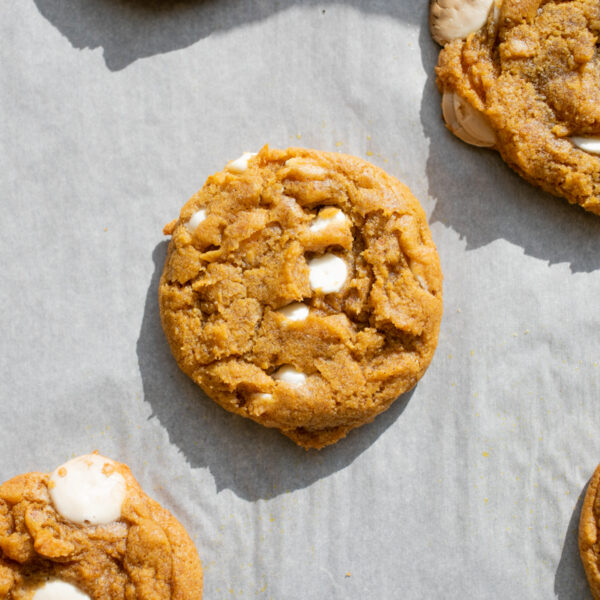
- Baking Cookies: The even heat distribution is fantastic for uniform cookie baking, ensuring consistent golden bottoms without excessive browning.
- Pies and Tarts: While many recipes call for pie dishes, an enamel baking sheet can be used underneath to catch any drips from fruit pies, or for free-form tarts like galettes, ensuring a perfectly cooked base.
- Savory Bakes: From cheesy gratins to layered vegetable bakes, an enamel sheet handles them beautifully, often allowing you to serve directly from the pan.
“Enamel baking sheets are not just practical; they add a touch of timeless elegance to your kitchen,” notes Eleanor Vance. “They inspire confidence in both rustic and refined dishes, making baking and cooking a more joyful experience.”
Frequently Asked Questions
Q: Are enamel baking sheets truly non-stick?
A: Enamel baking sheets have naturally non-porous, smooth surfaces that offer excellent food release. While not the same as chemically coated non-stick pans, most foods will release easily, often with minimal greasing.
Q: Can I use metal spatulas on my enamel baking sheet?
A: It is generally recommended to avoid metal spatulas or sharp utensils on enamel baking sheets to prevent scratching or chipping the enamel coating. Silicone, wooden, or plastic tools are best.
Q: How do I remove burnt-on food from my enamel baking sheet?
A: Allow the sheet to cool, then soak it in warm, soapy water. For stubborn burnt-on food, create a paste of baking soda and water, apply it to the area, let it sit, then gently scrub with a soft sponge.
Q: Can enamel baking sheets go in the dishwasher?
A: Most enamel baking sheets are dishwasher safe. However, using gentle cycles and non-abrasive detergents is recommended to preserve the finish over time. Always check the manufacturer’s instructions.
Q: Is enamel bakeware safe for cooking?
A: Yes, enamel bakeware is generally considered very safe for cooking. The glass-like enamel coating is non-reactive and does not leach chemicals into food, making it a healthy choice for your kitchen.
Conclusion
The enamel baking sheet is more than just a piece of bakeware; it’s a testament to enduring quality and versatile performance. Its even heating, natural non-stick properties, and robust durability make it an indispensable asset for any baking enthusiast. By understanding its unique characteristics and adhering to simple care guidelines, you can ensure your enamel baking sheet remains a reliable companion in your culinary adventures for years to come. So go ahead, experiment with new recipes, rediscover old favorites, and let the timeless elegance of enamel elevate your passion for baking.