Ever walked into your kitchen, ready to whip up a delicious meal or bake a batch of cookies, only to find your standard baking sheets are either too big for your small-batch needs or too cumbersome to handle? If so, you’re not alone! Many home cooks are discovering the secret weapon that effortlessly bridges the gap between oversized bakeware and tiny dishes: the humble yet mighty quarter sheet baking pan. This often-overlooked hero is rapidly becoming an indispensable tool for efficiency, portion control, and culinary creativity in modern kitchens, making everyday cooking and baking a joy, not a chore.
|
Our Picks for the Best Baking Sheet in 2026
As an Amazon Associate I earn from qualifying purchases.
|
||
| Num | Product | Action |
|---|---|---|
| 1 | HONGBAKE Baking Sheet Pan Set of 3, Cookie Sheets for Oven, Nonstick Half/Quarter/Jelly Roll Pans with Diamond Texture Pattern, 0.8mm Thick Heavy Duty Cookie Tray, Champagne Gold |

|
| 2 | GoodCook Everyday Nonstick Carbon Steel Baking Sheet Set, 3 Pack – Small 13” x 9”, Medium 15” x 10”, Large 17” x 11” – Carbon Steel Cooking Pans, Cookie Sheet Bakeware Set |
|
| 3 | GoodCook Everyday Nonstick Carbon Steel Baking Sheet Set, 3 Pack – Small 13” x 9”, Medium 15” x 10”, Large 17” x 11” – Carbon Steel Cooking Pans, Cookie Sheet Bakeware Set |
|
| 4 | Caraway Non-Stick Ceramic Large Baking Sheet Duo - Naturally Slick Ceramic Coating - Non-Toxic, PTFE & PFOA Free - Perfect for Baking, Roasting, and More - Large (18\" x 13\") - White |
|
| 5 | BRONYPRO Non Stick Ceramic Baking Sheet Pan Set of 3, Non Toxic Cookie Sheets (PFOA/PTFE Free), Aluminized Steel Oven Trays with Silicone Handles, Rust-Resistant, Warp-Resistant to 500°F, Light Gray |
|
| 6 | Caraway Non-Stick Ceramic Baking Sheet Duo - Naturally Slick Ceramic Coating - Non-Toxic, PTFE & PFOA Free - 18 x 13\" Large & 15 x 10\" Medium - Slate |
|
| 7 | NutriChef 3-Piece Nonstick Kitchen Oven Baking Pans - Premium & Stylish Non-Stick Steel, Commercial Grade Restaurant Quality Metal Bakeware with Red Silicone Handles - Easy to Clean, NCSBS3S |
|
| 8 | Amazon Basics Ceramic Nonstick Baking Sheets & Cooling Rack Set, Non-Toxic, Half Sheet Size, 2-Pack, Gray |
|
| 9 | Caraway Non-Stick Ceramic Medium Baking Sheet - Naturally Slick Ceramic Coating - Non-Toxic, PTFE & PFOA Free - Perfect for Baking, Roasting, and More - Medium (15\" x 10\") - Gray |
|
| 10 | Commercial Quality Baking Sheet Pan Set, Natural Aluminum Cookie Sheet, Umite Chef Warp Resistant Baker\'s Half Sheet Pan, Large Thick Cookie Tray Pans for Baking, Roasting(2 Pack, 18X13In) |
|
The Mighty Quarter Sheet: More Than Just a Smaller Pan
So, what exactly are we talking about when we say “quarter sheet baking pan”? Imagine your typical large baking sheet, often called a half-sheet pan – the workhorse you use for big batches of cookies or a family-sized sheet pan dinner. A quarter sheet baking pan is precisely what its name implies: one-fourth the size of a full commercial sheet pan and, more commonly, approximately half the size of a standard half-sheet pan. These pans typically measure around 13 x 9 inches, though internal baking surface dimensions can vary slightly, sometimes being closer to 12.5 x 9 inches or 12.1 x 8.8 inches. They’re designed with a 1-inch rim on all four sides, essential for keeping your culinary creations contained.
Now, you might wonder, why bother with yet another pan size? Well, this compact size is its superpower! It’s perfectly suited for tasks where a larger pan would be overkill, making it an absolute game-changer for solo diners, couples, or anyone looking to scale down recipes without sacrificing quality. Think about it: no more awkwardly large pans hogging oven space for just two chicken breasts or a handful of roasted vegetables.
Choosing Your Perfect Companion: Types of Quarter Sheet Baking Pans
Just like any essential kitchen tool, quarter sheet baking pans come in various materials and with different features, each offering unique benefits to suit your cooking style and needs. Understanding these differences is key to making a smart choice.
Material Matters: The Foundation of Your Bake
The material of your quarter sheet pan significantly impacts its performance, durability, and even how you clean it.
- Aluminum: The Classic Workhorse
Aluminum is by far the most common material for sheet pans, and for good reason. It’s an excellent heat conductor, meaning it heats up quickly and distributes heat evenly, preventing hot spots that can lead to unevenly cooked food. Its light color also helps prevent over-browning, ensuring your cookies achieve that perfect golden hue. However, aluminum pans are often prone to corrosion if exposed to harsh chemicals or cleaned in a dishwasher, so hand washing is typically recommended. - Aluminized Steel: Durability Meets Performance
For those seeking extra robustness, aluminized steel pans are a fantastic option. This material combines the excellent heat conductivity of aluminum with the strength and rigidity of a steel core. Many aluminized steel pans also feature a nonstick coating, making food release and cleanup a breeze. - Nonstick & Ceramic: Easy Release, Easy Clean
Nonstick coatings are a popular choice for their convenience, allowing food to slide right off and simplifying cleanup. Ceramic nonstick pans, in particular, have gained popularity as they are often free of chemicals like PFAS, PFOA, lead, and cadmium, offering a “healthier” nonstick alternative. While great for delicate items, nonstick surfaces can be less durable than uncoated pans and may not be suitable for high-heat roasting or broiling, as excessive temperatures can damage the coating. Always check the manufacturer’s temperature limits! - Stainless Steel: Heavy-Duty and Dishwasher Safe
Stainless steel quarter sheet pans are typically very heavy-duty, heating quickly and distributing heat well. A major advantage of many stainless steel pans is their dishwasher-safe nature, offering effortless cleanup. However, they aren’t naturally nonstick, so you’ll definitely want to use parchment paper or silicone mats to prevent sticking. - French Black Steel: The Pro’s Secret
Less common in home kitchens but a favorite among professionals, French black steel pans are heavy-duty and conduct heat exceptionally well, leading to beautiful, even browning. They’re particularly prized for delicate pastries like puff pastry. Be aware, though, that these pans require special care, including regular seasoning to prevent rust, and must be kept perfectly dry.
Features to Look For: Small Details, Big Impact
Beyond the material, a few key design elements can make a significant difference in your pan’s performance and longevity.
- Rimmed Edges: All good sheet pans, including quarter sheets, will have a rolled rim around all four sides, typically about 1 inch high. This isn’t just for looks; it prevents liquids from spilling into your oven and makes the pan easier to grip, even when wearing oven mitts.
- Warp Resistance: There’s nothing more annoying than a pan that pops and buckles in the oven due to high heat, causing uneven cooking. Look for pans with encapsulated steel rims, which add reinforcement and stability, significantly reducing the chances of warping. Brands like Nordic Ware are often praised for their warp-resistant designs.
- Corrugated Surfaces: Some pans, like those from USA Pan, feature a unique corrugated or textured surface. This design promotes better airflow around your food, contributing to more even cooking and easier release, especially for baked goods.
Master Your Meals: Smart Uses for Your Quarter Sheet Baking Pan
The quarter sheet baking pan might be small, but its versatility is truly immense. Once you add one to your kitchen, you’ll wonder how you ever managed without it.
Small Batch Baking: Dessert Dreams Come True
Craving just a few cookies, brownies, or a personal-sized cake? This is where the quarter sheet truly shines. It’s perfect for baking a handful of treats without firing up the oven for a massive pan. Keep pre-portioned cookie dough in your freezer, and you’re just minutes away from warm, freshly baked goodness.
Efficient Roasting: Flavorful Meals for One or Two
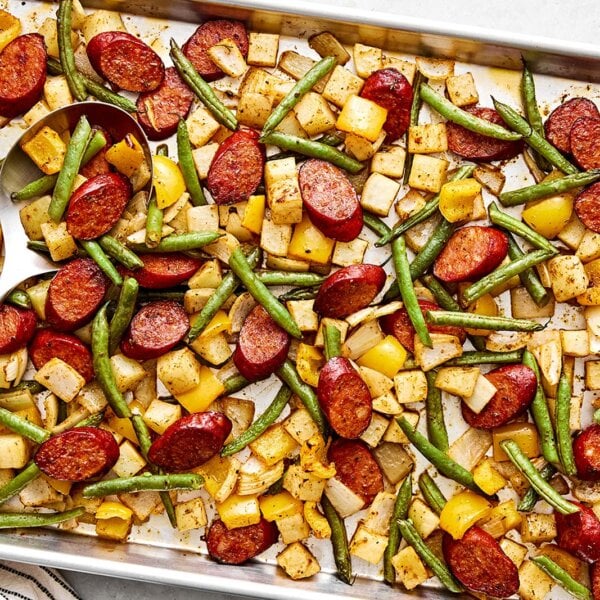
For individuals or couples, the quarter sheet pan is ideal for roasting. It can comfortably accommodate a single serving of protein like salmon fillets, chicken thighs, or a small portion of vegetables, ensuring they roast beautifully without steaming. “It’s about making cooking manageable and preventing food waste,” says Chef Eleanor Vance, a seasoned culinary instructor. “You can roast just enough asparagus, cherry tomatoes, or potatoes for your dinner without overwhelming the oven or your plate.”
Toaster Oven Friendly: A Mini Oven’s Best Friend
Many quarter sheet pans are perfectly sized to fit inside most toaster ovens, expanding your cooking capabilities beyond just toast. This means you can reheat pizza slices to crispy perfection, toast nuts for a salad, or even roast a single serving of veggies without heating up your main oven.
Beyond Baking: Culinary Convenience
The utility of a quarter sheet pan extends far beyond the oven:
- Mise en Place: Use it to organize ingredients when prepping a complex meal, keeping your workspace tidy and efficient.
- Cooling Rack Partner: Place a quarter sheet pan underneath a smaller cooling rack to catch drips and crumbs when glazing desserts or cooling fried foods.
- Informal Serving Tray: Its neat size makes it excellent for serving appetizers, charcuterie, or even breakfast in bed.
- Freezer Storage: It’s great for flash-freezing berries, cookie dough balls, or individual portions of anything before transferring them to freezer bags.
Tips for Quarter Sheet Pan Perfection
Getting the most out of your quarter sheet baking pan is easy with a few simple tricks.
- Preheat Fully: Always ensure your oven, and ideally your pan, is fully preheated before adding food. This helps achieve that desirable sear and even cooking, especially for roasted items.
- Line It Up: To minimize cleanup and prevent sticking, always line your quarter sheet pan with parchment paper or a silicone baking mat. This is especially crucial for sticky pastries or high-fat foods.
- Avoid Overcrowding: Give your food space! Overcrowding the pan, even a small one, leads to steaming rather than roasting, resulting in soggy rather than crispy results. If you have too much food, use two quarter sheet pans or roast in batches.
- Cool Down Properly: For baked goods, always allow them to cool slightly on the pan before transferring to a wire rack. For roasted items, serve immediately to enjoy maximum crispness.
Keeping Your Pan Pristine: Cleaning and Care Guide
A well-cared-for quarter sheet pan will serve you faithfully for years. Proper cleaning is essential to maintain its performance and appearance.
General Care: Hand Washing is Often Best
For most aluminum and uncoated pans, hand washing is highly recommended. Dishwashers can cause discoloration, especially with aluminum, and can degrade nonstick coatings over time. Use warm, soapy water and a non-abrasive sponge immediately after use.
Tackling Baked-On Grime: When Elbow Grease Isn’t Enough
Even with the best intentions, baked-on grease and stubborn stains happen. Here are some effective methods:
- Baking Soda & Vinegar Method: This dynamic duo is fantastic for aluminum and aluminized steel pans. Sprinkle a generous layer of baking soda over the stained areas, then pour white vinegar over it, watching it fizz. Let the mixture sit for 30-60 minutes, then submerge the pan in hot water (if possible) and scrub with a non-abrasive sponge. Rinse thoroughly.
- Baking Soda & Hydrogen Peroxide: For truly tough, set-in stains, a paste of baking soda and hydrogen peroxide can work wonders. Spread the paste evenly and let it sit for at least 2 hours, or up to 8 hours for very stubborn messes. Wipe away with a paper towel and scrub clean, ensuring thorough rinsing. Important: Never mix hydrogen peroxide with vinegar, as this creates a dangerous chemical reaction.
- When to Consider Oven Cleaner: While some people use aerosol oven cleaners for severe baked-on grime on aluminum pans, manufacturers often advise against it, as it can cause pitting or discoloration. If you choose this route, use a fume-free version, apply only for a short duration (15-20 minutes), and rinse meticulously with soap and water afterward. Test on an inconspicuous spot first.
Preventative Measures: An Ounce of Prevention
The easiest way to keep your pans clean is to prevent messes in the first place. Always use parchment paper or silicone baking mats, especially for anything oily, cheesy, or sugary. Clean your pan as soon as it cools down, and store it properly to prevent scratches and warping.
Common Quarter Sheet Pan Mistakes and How to Avoid Them
Even seasoned cooks can fall prey to common baking pan pitfalls. A little awareness goes a long way.
- Overcrowding the Pan: This is perhaps the most frequent mistake. Packing too much food onto your quarter sheet pan prevents air circulation, leading to steaming instead of crisp, caramelized results. Always leave space between food items.
- Using Metal Utensils on Nonstick: Sharp metal spatulas or tongs can scratch and damage nonstick coatings, rendering them ineffective and potentially releasing harmful particles. Stick to silicone, nylon, or wooden utensils.
- Incorrect Cleaning Methods: Putting an aluminum pan in the dishwasher or using abrasive scrubbers on nonstick surfaces are surefire ways to shorten your pan’s lifespan. Refer to the cleaning guide above and follow manufacturer instructions.
- Ignoring Warping Signs: A warped pan not only cooks unevenly but can also be unstable in the oven. While some minor warping can be a natural occurrence with extreme temperature changes, significant buckling might indicate it’s time for a replacement, especially if it’s impacting your cooking.
Unlock Culinary Creativity: Recipe Ideas with Your Quarter Sheet
Ready to put your quarter sheet baking pan to work? Here are some simple yet delicious ideas to inspire your next kitchen adventure:
- Mini Sheet Pan Pizza: Press some store-bought pizza dough onto your pan, add your favorite toppings, and bake for a quick, personal pizza night.
- Roasted Garlic Parmesan Broccoli: Toss broccoli florets with olive oil, minced garlic, salt, and pepper. Roast until tender-crisp, then sprinkle with Parmesan cheese for the last few minutes.
- Individual Chicken Fajitas: Slice chicken breast and bell peppers, toss with fajita seasoning and a splash of oil, and roast until cooked through. Serve with warm tortillas.
- Small Batch Chocolate Chip Cookies: Bake just enough for a warm, gooey treat without the temptation of a full dozen.
- Sheet Pan Nachos for One: Layer tortilla chips, cheese, and your favorite toppings (beans, jalapeños) on the pan for a quick snack or appetizer.
- Crispy Roasted Chickpeas: Toss drained and dried chickpeas with olive oil and spices, then roast until delightfully crunchy for a healthy snack or salad topping.
FAQ
Q: What is the standard size of a quarter sheet pan?
A: A quarter sheet pan typically measures approximately 13 x 9 inches, making it half the size of a standard half-sheet pan.
Q: Can I use a quarter sheet pan in a toaster oven?
A: Yes, many quarter sheet pans are designed to fit perfectly inside most toaster ovens, expanding your cooking options for small meals and snacks.
Q: Is it okay to put an aluminum quarter sheet pan in the dishwasher?
A: It’s generally not recommended to put bare aluminum quarter sheet pans in the dishwasher, as the harsh detergents can cause discoloration and pitting. Hand washing is best to preserve their finish.
Q: What’s the difference between a quarter sheet pan and a cookie sheet?
A: A quarter sheet pan has a raised rim (typically 1 inch) on all four sides, making it suitable for roasting liquids and baking a wider variety of foods. A traditional cookie sheet usually has only one raised edge for easy gripping, with three flat sides, primarily designed for cookies.
Q: How do I prevent my quarter sheet pan from warping?
A: Look for quarter sheet pans made from heavier gauge aluminum or aluminized steel, often reinforced with encapsulated steel rims, which provide stability and help prevent warping under high heat.
Q: Are nonstick quarter sheet pans safe?
A: Modern nonstick coatings are generally considered safe for cooking, especially those explicitly labeled as PFAS, PFOA, lead, and cadmium-free. However, it’s crucial to avoid overheating them and using metal utensils to prevent damage to the coating.
Q: What kind of food can I cook on a quarter sheet pan?
A: You can cook a wide variety of foods on a quarter sheet pan, including small batches of cookies and pastries, roasted vegetables, individual portions of chicken or fish, mini pizzas, toasted nuts, and even sheet pan dinners for one or two people.
The quarter sheet baking pan is more than just a piece of bakeware; it’s a testament to efficient, joyful cooking. Its compact size and incredible versatility make it an indispensable asset in any kitchen, from a tiny apartment to a spacious family home. Embrace this unassuming powerhouse, experiment with new recipes, and let the quarter sheet baking pan elevate your culinary game, one perfect small batch at a time. Happy baking!