Every passionate home baker and cook knows that the right tools can transform ordinary ingredients into extraordinary culinary creations. Among these indispensable kitchen companions, the Baking Rack For Sheet Pan often goes overlooked, yet it holds the key to achieving professional-level results in your own kitchen. Far more versatile than a simple cooling device, this unassuming wire grid, when paired with your trusty sheet pan, unlocks a world of even cooking, perfect crispiness, and effortless preparation.
What Exactly Is a Baking Rack for Sheet Pan?
At its core, a baking rack for a sheet pan is a raised wire grid designed to fit snugly inside your standard baking sheet. Its primary function is to elevate food above the flat surface of the pan, allowing for unimpeded air circulation all around whatever you’re cooking or cooling. While often referred to as a “cooling rack,” the most valuable versions are oven-safe, expanding their utility significantly beyond just letting cookies cool down. Think of it as your secret weapon for culinary elevation, both literally and figuratively.
The Unsung Hero: Why You Need a Baking Rack in Your Kitchen
Integrating a baking rack into your kitchen arsenal brings a host of benefits that can dramatically improve your cooking and baking outcomes.
Enhanced Air Circulation for Even Cooking and Crispiness
When food rests directly on a sheet pan, the bottom surface can often steam or become soggy because hot air can’t circulate underneath. A baking rack solves this by lifting your ingredients, allowing hot air to flow evenly from all directions. This is particularly transformative for:
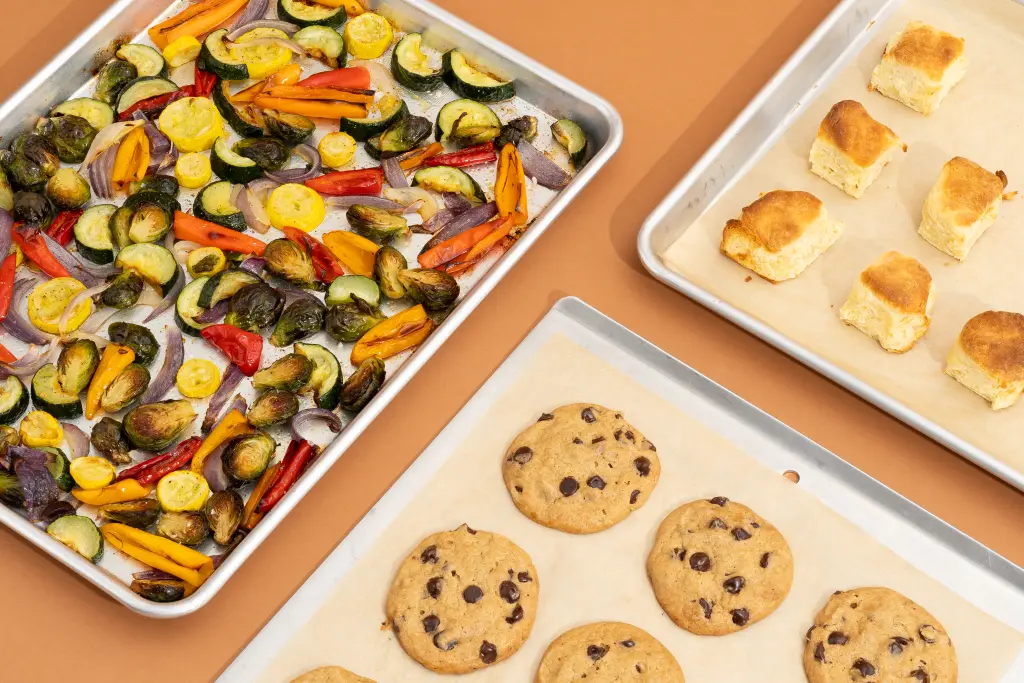
- Roasted Vegetables: Say goodbye to soft, steamed undersides. Your Brussels sprouts, potatoes, and carrots will achieve a beautifully caramelized crispness all around.
- Crispy Chicken Skin: Whether it’s wings, thighs, or a whole spatchcocked chicken, elevating poultry ensures the skin dries out and crisps up evenly, resulting in that irresistible golden crunch.
- Perfectly Cooked Bacon: No more greasy, unevenly cooked strips. Bacon cooked on a rack becomes consistently crispy while allowing excess fat to drip away.
Healthier Cooking: Draining Excess Fat and Juices
For dishes that release fat or liquids during cooking, a baking rack is invaluable. Meat, like bacon or oven-fried chicken, can sit above its rendered fat, preventing it from stewing and becoming greasy. This leads to lighter, more flavorful results and makes for an easier cleanup of the pan below.
Preventing Soggy Bottoms: The Secret to Perfect Baked Goods
When hot cookies, pastries, or bread are left to cool directly on a solid surface, the trapped steam can create condensation, leading to soft, soggy bottoms. A baking rack allows that steam to escape, ensuring your baked goods cool quickly and evenly, maintaining their desired texture and crisp edges.
Versatility Beyond the Oven: Cooling, Glazing, Drying
Even when not in the oven, a baking rack continues to be a workhorse. It’s ideal for:
- Cooling: The quintessential use for many, allowing air to circulate around delicate treats.
- Glazing: Place frosted cakes, cookies, or doughnuts on the rack over a sheet pan to catch drips, making glazing a mess-free affair.
- Drying: Perfect for drying homemade pasta, dehydrated fruit, or herbs.
- Thawing: Elevate frozen foods to thaw evenly, with any condensation or drips collected below.
Types of Baking Racks: Materials, Designs, and Sizes
Not all baking racks are created equal. Understanding the different types will help you choose the best one for your culinary adventures.
Materials
The material of your baking rack dictates its durability, heat tolerance, and ease of care.
- Stainless Steel: This is the gold standard for oven-safe baking racks. Stainless steel is incredibly durable, resistant to rust and corrosion, and can withstand high oven temperatures (often up to 600°F or more). It’s also hygienic and often dishwasher-safe, making cleanup a breeze. Many professional chefs, like Chef Anya Sharma, swear by it. “A robust stainless steel rack is an investment that pays dividends in consistency and longevity,” she advises. “It handles the heat of the oven and cleans up beautifully.”
- Chrome-Plated: More commonly found in traditional cooling racks, chrome-plated steel can be less expensive but may not be oven-safe at high temperatures, as the coating can degrade or flake. Always check the manufacturer’s specifications.
- Non-stick Coated: Some racks feature a non-stick coating for easy food release. While convenient, these coatings typically have a lower maximum oven temperature (often around 450°F) and may wear off over time.
Designs
The grid pattern and construction are crucial for stability and functionality.
- Grid Pattern vs. Parallel Wires: Racks with a tighter, cross-wire grid pattern are generally superior. They offer more support for smaller items (like delicate cookies or fries), preventing them from falling through or sagging between wires. A robust, thick frame around the edge also adds significant stability.
- Sturdy Construction: Look for racks with strong welds and stable feet. Flimsy racks can warp under heat or heavy loads, and wobbly feet can lead to accidents.
Sizes
The ideal baking rack fits snugly into your most-used sheet pans. Standard sizes include:
- Half-Sheet Racks: Designed for standard 13 x 18-inch half-sheet pans, these are the most popular and versatile.
- Quarter-Sheet Racks: For smaller 9 x 13-inch quarter-sheet pans, perfect for smaller batches or when oven space is limited.
A good fit means the rack sits securely within the pan’s rim without sliding excessively, ensuring your culinary creations stay put.
How to Choose the Perfect Baking Rack for Your Sheet Pan
Making the right choice ensures you get the most out of this kitchen staple.
Prioritize Oven-Safety
If you intend to use your rack for roasting, baking, or anything inside the oven, ensure it is explicitly labeled “oven-safe” and specify its maximum temperature. Stainless steel racks are almost always oven-safe.
Consider Material and Durability
For longevity and versatility, a heavy-gauge stainless steel rack is generally the best choice. It resists warping, corrosion, and can handle high heat, making it suitable for both cooking and cooling.
Ensure a Snug Fit with Your Existing Sheet Pans
Measure your sheet pans carefully. The ideal rack should sit just below the rim of the pan, allowing for air circulation and catching drips, but not so high that food easily slides off or so small that it shifts around excessively. Many brands offer matching sheet pan and rack sets for guaranteed compatibility.
Evaluate Grid Spacing
A tighter grid pattern is advantageous as it prevents smaller food items from slipping through and offers better support. It also creates more contact points, which can aid in uniform browning.
Ease of Cleaning
Look for racks that are easy to clean. Dishwasher-safe stainless steel racks with a smooth finish are often the simplest to maintain. Avoid intricate designs that can trap food particles.
Mastering Your Baking Rack: Tips for Optimal Use
Once you have your ideal baking rack, here’s how to put it to work like a pro.
Roasting Perfection: Elevating Meats and Vegetables
Place your seasoned meats or vegetables directly on the rack set inside a rimmed baking sheet. This setup allows hot air to circulate freely, promoting even cooking and superior browning. For juicy roasts, the drippings collect in the pan below, ready for a delicious pan sauce.
Crispy Delights: Bacon, “Oven-Fried” Foods
For incredibly crispy bacon, arrange strips on the rack and bake in the oven. The fat drips away, leaving perfectly rendered, crisp bacon. Similarly, for healthier “oven-fried” chicken or fish, the rack ensures a crispy exterior without excess oil.
The Art of Cooling: Even Airflow for Baked Goods
Transfer freshly baked cookies, cakes, or breads from the hot pan to the cooling rack as soon as possible (unless the recipe specifies cooling in the pan). This prevents condensation and ensures an even cool-down, locking in desirable textures.
Creative Applications: Glazing, Drying, Thawing
- Glazing: When applying glazes or chocolate coatings, place your items on the rack over a sheet pan. The excess drips neatly into the pan, keeping your counter clean.
- Drying: For homemade jerky, dried fruit, or even freshly washed produce, the rack offers ideal airflow.
- Thawing: Thaw frozen items on the rack to prevent them from sitting in melted ice or condensation.
Pairing with Parchment Paper/Foil
For even easier cleanup, especially when dealing with sticky glazes or fatty meats, line your sheet pan with parchment paper or foil before placing the rack inside. This catches all drips and crumbs.
Cleaning and Maintenance: Keeping Your Rack in Top Shape
Proper care ensures your baking rack remains a valuable tool for years.
- Handwashing vs. Dishwasher: Most stainless steel racks are dishwasher safe. For handwashing, a stiff brush and dish soap are usually sufficient to remove cooked-on bits.
- Preventing Rust and Corrosion: Dry your rack thoroughly after washing, especially if it’s not stainless steel, to prevent rust.
- Storage Tips: Store your rack either flat inside a corresponding sheet pan or vertically in a rack organizer to save space and prevent damage.
Common Baking Rack Blunders and How to Fix Them
Even experienced cooks can make mistakes. Here are a few common ones and how to avoid them.
- Using a non-oven-safe rack in the oven: This is a safety hazard and can damage your rack or food. Always verify if your rack is oven-safe and its maximum temperature.
- Poor fit with the sheet pan: A rack that’s too small will slide around; one that’s too large won’t fit. Invest in a rack that’s designed to nest perfectly within your sheet pan.
- Overloading the rack: While sturdy, overloading can cause sagging or uneven cooking. Give your food enough space for air to circulate freely.
- Neglecting cleanup: Cooked-on food is harder to remove once dried. Clean your rack soon after use, or soak it in hot, soapy water if heavily soiled.
Expert Insights: Chef Anya Sharma on Maximizing Your Baking Rack
“The baking rack isn’t just an accessory; it’s a transformative tool,” emphasizes Chef Anya Sharma, a culinary innovator known for her practical kitchen wisdom. “It brings a professional touch to home cooking, ensuring everything from roasted root vegetables to delicate cookies achieves that perfect, consistent finish. It’s about creating an environment where food can truly shine, whether you’re crisping up chicken or allowing a delicate pastry to cool without a hint of sogginess.” She recommends having at least two good quality stainless steel half-sheet racks for maximum flexibility.
FAQs about Baking Racks for Sheet Pans
Here are some frequently asked questions to help you get the most out of your baking rack:
Q: Can I use a cooling rack in the oven?
A: Not all cooling racks are oven-safe. Only use a cooling rack in the oven if it is made of materials like stainless steel and explicitly labeled as oven-safe, specifying its maximum temperature. Many traditional chrome-plated cooling racks are not designed for high oven heat.
Q: What material is best for an oven-safe baking rack?
A: Stainless steel is generally considered the best material for an oven-safe baking rack. It is highly durable, resistant to rust and corrosion, and can withstand very high temperatures without warping or releasing harmful chemicals.
Q: How do I choose the right size baking rack for my sheet pan?
A: Measure the inside dimensions of your sheet pan. A baking rack should fit snugly within the rim of the pan, typically with a small clearance on all sides, to prevent it from sliding around and to allow for air circulation. Half-sheet racks (approx. 11.5 x 16.5 inches) are designed for standard 13 x 18-inch half-sheet pans.
Q: Does a baking rack make food crispier?
A: Yes, absolutely! By elevating food, a baking rack allows hot air to circulate underneath, preventing steam buildup and promoting even browning and crisping on all sides, leading to significantly crispier results.
Q: How do I prevent food from sticking to the rack?
A: For foods prone to sticking, you can lightly grease the rack with oil or cooking spray. For delicate items, you can also line the rack with parchment paper, though this might slightly reduce air circulation for the underside of the food.
Conclusion
The baking rack for sheet pan is far more than a simple kitchen gadget; it’s a fundamental tool that empowers you to achieve superior results in a wide array of cooking and baking tasks. From perfectly crisp roasted vegetables and succulent meats to beautifully cooled cookies and effortlessly glazed pastries, its ability to promote airflow and drain excess fats is a game-changer. Embrace the versatility of this essential item, experiment with new recipes, and watch your culinary skills reach new heights with the humble yet mighty baking rack for sheet pan.