Stepping into the kitchen, whether you’re a seasoned baker or just starting your culinary journey, one indispensable tool consistently stands out: the humble Baking Sheet. This versatile workhorse is the unsung hero behind countless delicious creations, from perfectly golden cookies to savory roasted vegetables and one-pan dinners. But with so many options available, how do you pick the right one, and more importantly, how do you ensure it performs flawlessly for years to come? Let’s dive deep into the world of baking sheets and uncover their core value and immense potential.
What Exactly is a Baking Sheet?
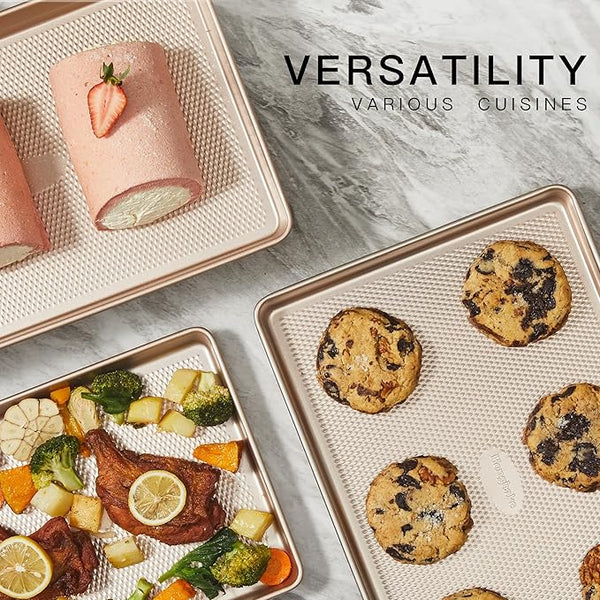
At its core, a baking sheet is a flat, rectangular metal pan used in the oven for a wide array of cooking and baking tasks. Often interchangeable with terms like “sheet pan” or “cookie sheet,” these pans are fundamental to almost any kitchen. While “cookie sheets” traditionally feature only one or two raised edges to allow for easy sliding off of delicate baked goods, modern “baking sheets” or “sheet pans” typically have raised edges on all four sides. This design helps contain juices and food, making them incredibly versatile for everything from baking to roasting. The concept of baking sheets has evolved over time, moving from simple sheet iron to the advanced materials we see today, all designed to distribute heat effectively and withstand high temperatures.
The Diverse World of Baking Sheet Materials
The material of your baking sheet plays a crucial role in its performance, affecting everything from heat distribution to durability and cleaning. Understanding these differences is key to making an informed choice.
Aluminum Baking Sheets
Aluminum is arguably the most popular material for baking sheets, and for good reason. It’s an excellent conductor of heat, ensuring your food cooks and browns evenly. Most professional kitchens swear by natural aluminum sheets. They are lightweight, rust-resistant, and relatively affordable. However, bare aluminum can react with acidic foods, potentially leading to discoloration of the pan and imparting a metallic taste to your food. To prevent warping, look for heavy-gauge aluminum, which is thicker and more robust.
Aluminized Steel Baking Sheets
These pans offer the best of both worlds. They feature a steel core for strength and warp resistance, coated with an aluminum-silicon alloy for superior heat conductivity and a rust-resistant surface. Aluminized steel baking sheets are known for their exceptional durability and even heating, making them a favorite for commercial bakeries and serious home cooks alike. They often come with a slightly textured surface, which enhances airflow for better browning.
Stainless Steel Baking Sheets
Stainless steel baking sheets are highly durable, resistant to corrosion, and non-reactive, meaning they won’t interact with acidic ingredients. This makes them a great choice for roasting savory dishes with marinades or lemon juice. However, stainless steel is not as efficient a heat conductor as aluminum, which can sometimes lead to uneven cooking if not properly constructed. To counteract this, many high-quality stainless steel pans are tri-ply, incorporating an aluminum core for improved heat distribution.
Nonstick Baking Sheets
For effortless food release and quick cleanup, nonstick baking sheets are a popular choice. These pans feature a coating (often Teflon or ceramic-based) that prevents food from sticking. While incredibly convenient, nonstick coatings can be delicate. They require gentle handling and non-abrasive cleaning tools to avoid scratching or chipping, which can compromise their effectiveness and lifespan. Some nonstick coatings are also less heat-tolerant than bare metal.
Silicone Baking Mats
While not a baking sheet itself, silicone baking mats are an invaluable accessory that transforms any baking sheet into a nonstick surface. Made from food-grade silicone, these flexible mats provide an even, nonstick base, are reusable, and can withstand high temperatures. They are particularly excellent for delicate items like macarons, cookies, and sticky candies, promoting even baking and easy release without the need for grease or parchment paper.
Other Materials
You might occasionally encounter baking pans made from glass, ceramic, or stoneware. These are generally better for casseroles, gratins, or dishes where heat retention is paramount, rather than the quick, even heat transfer desired for baking cookies or roasting vegetables. They heat up slower but retain heat for longer, which can sometimes lead to over-browning on bottoms and edges.
Navigating Sizes and Styles: Finding Your Perfect Fit
Baking sheets come in several standard sizes, designed to fit various oven types and accommodate different batch sizes.
- Half-sheet pan (18×13 inches): This is the most common and versatile size for home ovens, perfect for baking a dozen cookies, roasting a family-sized portion of vegetables, or preparing a sheet pan dinner.
- Quarter-sheet pan (9×13 inches): Ideal for smaller batches, toaster ovens, or preparing components of a larger meal.
- Jelly roll pan (10.5×15.5 inches): A slightly smaller version of the half-sheet, often used for making jelly rolls or bar cookies.
- Full-sheet pan (26×18 inches): Primarily used in commercial ovens due to its large size.
Beyond size, consider the style:
- Rimmed baking sheets: The most versatile type, with a 1-inch raised edge on all sides, keeping food and liquids contained.
- Rimless cookie sheets: Feature one or more open sides, making it easy to slide delicate baked goods directly off the pan. These are less common today but still preferred by some for cookies.
Choosing the Right Baking Sheet for Your Culinary Adventures
When selecting a baking sheet, think about your primary uses and what truly matters for your cooking style. For a brand like “Perfect Bakeware,” the emphasis is on quality, performance, and durability, ensuring every piece enhances your passion for cooking.
- Durability and Warp Resistance: Look for heavy-gauge aluminum or aluminized steel. Thicker materials are less prone to warping at high temperatures, which is crucial for even baking.
- Heat Distribution: Aluminum and aluminized steel excel here, providing consistent heat across the entire surface, preventing hot spots that can lead to unevenly cooked food.
- Intended Use: For everyday baking and roasting, a good quality half-sheet aluminum or aluminized steel pan is your best bet. If delicate cookies are your passion, a lighter, nonstick, or silicone-lined pan might be appealing.
- Non-Reactivity: If you frequently cook with acidic ingredients (tomatoes, lemons, vinegar), stainless steel or an aluminized steel pan is a safer choice than bare aluminum.
- Ease of Cleaning: Nonstick surfaces offer easy cleanup, but require careful handling. Uncoated pans, while sometimes requiring a bit more scrubbing, can handle tougher cleaning methods and often last longer.
- Brand Reputation: Investing in reputable brands known for their bakeware quality ensures you’re getting a product that’s been tested and trusted.
Mastering Your Baking Sheet: Tips for Optimal Results
Even the best baking sheet can underperform without the right techniques. Here are some pro tips to get the most out of your pan:
- Preheat Properly: Always allow your oven and baking sheet to reach the desired temperature before placing food on it. This ensures even cooking and helps prevent sticking.
- Line It Up: Use parchment paper, silicone baking mats, or aluminum foil (for roasting) to prevent sticking and make cleanup a breeze. This also protects your pan’s surface.
- Avoid Overcrowding: Give your food space! Overcrowding a baking sheet leads to steaming instead of roasting or baking, resulting in soggy rather than crispy results. Cook in batches if necessary.
- Mind the Temperature: While most baking sheets can handle high heat, check manufacturers’ recommendations, especially for nonstick pans.
- Prevent Warping: Rapid temperature changes can cause thinner pans to warp. Always let a hot pan cool down gradually before washing it in cold water. Using a heavier-gauge pan also helps.
Keeping Your Baking Sheets Spotless: A Guide to Cleaning and Care
Proper care extends the life of your baking sheets and keeps them performing their best.
- Everyday Cleaning: For light messes, allow the pan to cool completely, then wash with warm water, mild dish soap, and a soft sponge or cloth. Dry thoroughly immediately to prevent water spots and rust.
- Tackling Stubborn Stains: For baked-on grease and grime, a paste of baking soda and water works wonders. Apply the paste, let it sit for 30 minutes to an hour (or even overnight for tough stains), then scrub gently with a non-abrasive pad. For aluminum or aluminized steel, a baking soda and vinegar solution can be very effective, creating a fizzing action that lifts grime.
- Hydrogen Peroxide Boost: For really persistent stains on uncoated pans, sprinkle baking soda generously, then pour hydrogen peroxide over it to create a paste. Sprinkle more baking soda on top and let it sit for a couple of hours before scrubbing and rinsing thoroughly. Remember to rinse very well.
- Care for Nonstick: Never use abrasive scrubbers, steel wool, or harsh chemicals on nonstick surfaces. Stick to soft sponges and mild soap. If your nonstick pan has tough spots, a baking soda and water paste can be used gently.
- Proper Storage: Store baking sheets flat or vertically to prevent scratching. If stacking, place a sheet of paper towel or a thin cloth between them, especially for nonstick pans.
Common Baking Sheet Blunders and How to Avoid Them
Even experienced cooks can make mistakes. Here are common issues and how to steer clear of them:
- Warping: This often happens due to sudden temperature changes (e.g., placing a hot pan under cold water) or using thin, low-quality pans. Invest in heavy-gauge pans and allow them to cool naturally.
- Sticking: Insufficient oil, not lining the pan, or an old, compromised nonstick coating can lead to sticking. Always preheat, use parchment or silicone, and consider replacing worn nonstick pans.
- Uneven Baking: This can be due to uneven oven temperature (calibrate your oven if needed), overcrowding the pan, or using a material that conducts heat poorly. Ensure even spacing and use quality bakeware.
- Damaging Nonstick Coating: Using metal utensils or abrasive scrubbers on nonstick surfaces will quickly ruin them. Opt for silicone or wooden utensils and soft sponges for cleaning.
Beyond Cookies: Creative Ideas and Baking Hacks with Your Baking Sheet
The versatility of a baking sheet extends far beyond traditional baking. Here are some innovative ways to put yours to good use:
- Sheet Pan Dinners: Combine proteins and vegetables tossed with oil and seasonings on a single sheet for an easy, healthy meal.
- Roasting Vegetables: Achieve perfectly caramelized and tender vegetables by tossing them with olive oil, salt, and herbs, then roasting at a high temperature.
- Homemade Granola: Spread oats, nuts, and sweeteners on a baking sheet for crispy, homemade granola.
- Drying Herbs: Lay fresh herbs on a baking sheet to air dry in a low-temperature oven or simply on the counter.
- Freezing: Flash freeze berries, cookie dough balls, or individual portions of food on a baking sheet before transferring them to freezer bags, preventing them from clumping together.
Expert Insight: Master Baker Julia Roberts on Bakeware Longevity
“Many home bakers overlook the foundational role of quality bakeware,” notes Master Baker Julia Roberts. “A truly great baking sheet isn’t just about initial performance; it’s about consistency over time. Investing in heavy-gauge aluminized steel or natural aluminum, and treating it with care – especially when it comes to cleaning – pays dividends. It prevents warping, ensures even browning, and keeps your culinary efforts consistently excellent. Think of your baking sheet as an investment in countless successful dishes.”
Frequently Asked Questions About Baking Sheets
Q: How can I prevent my baking sheet from warping?
A: To prevent warping, choose heavy-gauge aluminum or aluminized steel sheets, and always allow them to cool gradually after use before washing. Avoid sudden temperature changes.
Q: Is it better to use parchment paper or aluminum foil on a baking sheet?
A: Both have their uses. Parchment paper is excellent for delicate baked goods, preventing sticking and promoting even browning. Aluminum foil is better for savory roasting, especially when you need to contain liquids or create a packet. Never use foil on nonstick pans if directed against by the manufacturer.
Q: How often should I replace my nonstick baking sheets?
A: Nonstick baking sheets typically last 3-5 years with proper care. You should consider replacing them if the coating is significantly scratched, peeling, or food starts sticking consistently.
Q: Can I put a baking sheet directly on the oven rack?
A: Yes, baking sheets are designed to be placed directly on oven racks. Ensure they are correctly sized for your oven to allow for proper air circulation.
Q: What’s the ideal thickness for a durable baking sheet?
A: Look for baking sheets labeled as “heavy-gauge” or “commercial grade.” These are usually 16-gauge or thicker (lower gauge number means thicker metal) and are less prone to warping and provide better heat distribution.
Conclusion: Elevate Your Baking Game
The baking sheet is more than just a piece of metal; it’s a foundation for culinary creativity and success in your kitchen. By understanding the different materials, sizes, and proper care techniques, you can select the ideal pan that will stand the test of time and consistently deliver exceptional results. Embrace the insights shared, experiment with new recipes, and watch your skills flourish. With the right baking sheet in hand, your passion for baking will truly reach its fullest potential, bringing joy to every dish you create.