Every home chef understands the silent power of a reliable kitchen companion. Among them, the Baking Sheet Set holds a place of honor, transforming raw ingredients into culinary masterpieces. More than just a flat piece of metal, a quality baking sheet set is an investment in countless delicious meals, from perfectly roasted vegetables to golden-brown cookies. But with so many options available, how do you choose the right set to truly elevate your baking and roasting experience? Let’s dive deep into the world of baking sheets and unlock their full potential.
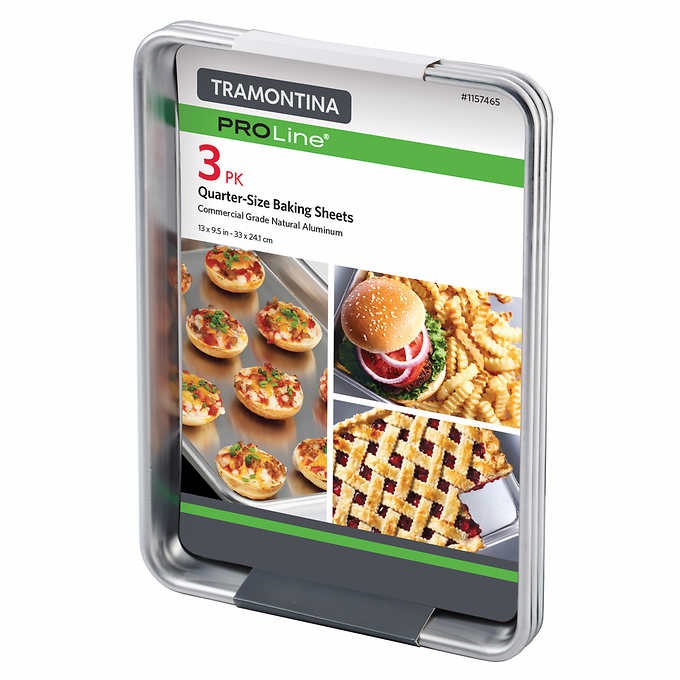
What Exactly is a Baking Sheet?
At its core, a baking sheet, often called a sheet pan or oven tray, is a flat, rectangular metal pan designed for oven use. While the terms “baking sheet” and “cookie sheet” are frequently used interchangeably, there’s a subtle yet significant distinction. A true baking sheet set typically features raised edges (rimmed) on all four sides. These rims are crucial for containing liquids and preventing food from sliding off, making them incredibly versatile for roasting vegetables, cooking sheet pan dinners, or even baking shallow cakes like jelly rolls. Cookie sheets, on the other hand, often have one or no raised edges, specifically designed to allow cookies to slide off easily and promote better air circulation for more even cookie baking. For the average home baker, a rimmed baking sheet from a comprehensive baking sheet set offers far greater utility.
Decoding Your Baking Sheet Set: Materials Matter
The material of your baking sheet set profoundly impacts its performance, durability, and even the taste of your food.
Aluminum & Aluminized Steel: The Workhorses
Most commonly found in professional and home kitchens, aluminum baking sheets are celebrated for their exceptional heat conductivity. They heat up quickly and cool down rapidly, preventing overcooking and ensuring even browning. [cite: 2 from second search, 3 from second search] Aluminized steel combines the rust-resistant properties of steel with an aluminum coating for superior heat distribution. [cite: 2 from second search] They are lightweight, affordable, and durable. For optimal performance, look for heavy-gauge aluminum or aluminized steel (lower gauge numbers indicate thicker metal), as these are sturdier and less prone to warping. [cite: 1 from second search, 2 from fourth search]
Stainless Steel: The Durable Choice
Stainless steel baking sheets are robust and designed for longevity, resisting warping even under high heat. [cite: 3 from second search] Unlike aluminum, stainless steel is non-reactive, meaning it won’t impart a metallic taste to acidic foods like tomatoes or citrus. While they may take a little longer to heat up, they retain heat exceptionally well, making them ideal for tasks requiring consistent, sustained warmth. [cite: 1 from first search, 3 from second search]
Non-Stick Coatings: The Easy Release
Many baking sheet sets feature non-stick coatings, often made from silicone or ceramic. These surfaces make food release a breeze and significantly simplify cleanup. [cite: 1 from first search, 5 from first search] However, it’s essential to handle non-stick pans with care, as abrasive scrubbers or metal utensils can damage the coating over time, shortening their lifespan. Darker non-stick coatings tend to absorb more heat, which can lead to quicker baking and sometimes darker bottoms on your baked goods. [cite: 2 from first search, 4 from fifth search] Silicone-based non-stick coatings have shown particular durability in recent tests. [cite: 5 from second search]
Sizing Up Your Success: Choosing the Right Baking Sheet Set
When selecting a baking sheet set, size definitely matters. You’ll typically encounter three standard sizes:
- Quarter Sheet Pans (approx. 9 x 13 inches): Perfect for smaller ovens, toaster ovens, or when you’re cooking for one or two. They’re great for toasting nuts, baking a small batch of cookies, or reheating leftovers. [cite: 4 from first search, 1 from fourth search]
- Half Sheet Pans (approx. 13 x 18 inches): This is the gold standard for most home kitchens. A half baking sheet set fits comfortably in standard home ovens and is incredibly versatile for roasting, baking, and sheet pan meals. If you’re buying just one size, start here. [cite: 4 from first search, 2, 4 from fourth search]
- Full Sheet Pans (approx. 18 x 26 inches): These are typically reserved for commercial kitchens due to their large size and usually won’t fit in a standard home oven. [cite: 2, 3, 4, 5 from fourth search]
Always measure your oven’s interior before purchasing to ensure your chosen baking sheet set will fit comfortably, allowing for proper air circulation.
Elevate Your Baking Game: Tips for Optimal Baking Sheet Set Use
To get the most out of your baking sheet set and achieve consistently excellent results, consider these pro tips:
- Prep for Success: Always line your baking sheets with parchment paper or a silicone baking mat, especially when dealing with sticky doughs or acidic foods, which can react with aluminum. This ensures easy release and simplifies cleanup. [cite: 2 from first search, 4 from fifth search]
- Prevent Warping: To avoid the dreaded “pan pop” or permanent warping, allow your baking sheets to heat up and cool down gradually. Place them in a cold oven as it preheats, and never plunge a hot pan into cold water. [cite: 2 from fifth search, 5 from third search] Thick, heavy-gauge pans with reinforced, rolled edges are also more warp-resistant. [cite: 1 from second search, 4 from second search]
- Achieve Even Results: Avoid overcrowding your pans. Giving food ample space allows air to circulate, promoting even cooking and browning. Overcrowding leads to steaming rather than roasting or crisping. [cite: 1 from fourth search]
- Expert Insight: “The secret to truly mastering your baking sheet set lies in understanding how heat interacts with your food,” says Chef Anya Sharma, a renowned culinary instructor and bakeware specialist. “A well-distributed heat, facilitated by the right material and proper spacing, is the cornerstone of delicious results every time.”
Keep Them Pristine: Cleaning and Maintaining Your Baking Sheet Set
Proper care can significantly extend the life of your baking sheet set.
- Basic Daily Cleaning: Always allow your baking sheets to cool completely before washing to prevent warping. For everyday messes, a soft sponge or cloth, warm water, and mild dish soap are usually sufficient. [cite: 1, 5 from third search]
- Tackling Stubborn Stains: For baked-on grime, several household remedies work wonders:
- Baking Soda & Water: Create a paste with baking soda and warm water, spread it on the stained areas, let it sit for 30 minutes, then gently scrub with a non-abrasive scrubber. [cite: 1, 3, 5 from third search]
- Baking Soda & Vinegar: Sprinkle baking soda, then pour white vinegar over it (expect fizzing!). Let it sit for 30 minutes to an hour, then scrub. [cite: 2, 4, 5 from third search]
- Baking Soda & Hydrogen Peroxide: Apply baking soda, pour hydrogen peroxide, then another layer of baking soda. Let sit for 2-3 hours before scrubbing. (Test in a hidden area first, and rinse thoroughly). [cite: 2, 3, 4 from third search]
- Special Care for Non-Stick Surfaces: Never use abrasive cleaners, steel wool, or aluminum foil on non-stick pans, as these will scratch and damage the coating. Stick to soft sponges and mild soap. [cite: 1, 4 from third search]
- Proper Storage: After washing, dry your baking sheets completely to prevent water spots or rust. To avoid scratches, especially with non-stick pans, place a paper towel or thin dish towel between stacked pans. [cite: 5 from third search]
Common Baking Sheet Set Missteps and How to Fix Them
Even with the best equipment, issues can arise. Here’s how to troubleshoot common baking sheet problems:
- Uneven Baking or Sticking: This could be due to an old, worn non-stick coating or an overcrowded pan. Ensure you’re using parchment paper or a silicone mat, and give your food enough space. If your pan is consistently uneven, it might be time for a new one. [cite: 2 from first search, 4 from fifth search]
- Cookies Spreading Too Much: This is often not the pan’s fault, but rather the dough being too warm or using a greased pan when not needed. Chill your cookie dough before baking, and always use parchment paper instead of greasing the sheet for most cookie recipes. Avoid placing cookie dough on a hot pan. [cite: 4, 5 from fifth search]
- Dealing with Warped Pans: If your pan warps in the oven, it’s usually due to rapid temperature changes. While some thin pans will warp and unwarp, repeated warping can lead to permanent deformation. Invest in heavier gauge pans and ensure slow heating and cooling. [cite: 2 from fifth search]
Beyond the Basics: Recipe Ideas and Baking Tips with Your Baking Sheet Set
Your baking sheet set is a culinary chameleon, perfect for a myriad of dishes:
- Savory Sensations: From sheet pan dinners with chicken and roasted root vegetables to crispy bacon, baked salmon, or homemade pizza, a good baking sheet streamlines meal prep and cleanup.
- Sweet Treats: Beyond cookies, use your sheets for delicate pastries, puff pastry tarts, crispy crackers, or even toasting nuts and seeds.
- Innovative Uses: Dry-brining a turkey, resting meat, or using a quarter sheet as a prep tray—the possibilities are endless!
Frequently Asked Questions About Baking Sheet Sets
Q1: What is the best material for a baking sheet set?
Aluminum or aluminized steel is generally favored for its excellent heat conductivity and versatility for various baking tasks. Stainless steel offers superior durability, especially for high-heat cooking. Non-stick coatings provide convenience for easy food release and cleaning. [cite: 2, 3 from second search]
Q2: How do I prevent my baking sheets from warping?
To prevent warping, choose heavier gauge baking sheets with rolled rims, and avoid sudden temperature changes. Always allow your pan to preheat with the oven and cool down completely before washing. [cite: 2 from fifth search]
Q3: Can I use aluminum foil on a non-stick baking sheet?
It’s generally not recommended to use aluminum foil directly on non-stick baking sheets as it can scratch or damage the non-stick coating over time. Parchment paper or silicone mats are safer alternatives. [cite: 4 from third search]
Q4: What’s the difference between a baking sheet and a cookie sheet?
Baking sheets have raised rims on all four sides, making them versatile for roasting, baking, and containing liquids. Cookie sheets often have one or no raised edges, designed specifically for easy cookie removal and even air circulation. [cite: 1, 2, 4 from first search]
Q5: How often should I replace my non-stick baking sheet set?
Non-stick baking sheets should be replaced when the coating shows significant wear, scratches, or peels, as this can affect performance and potentially food safety. Their typical lifespan can range from 3 to 5 years with proper care. [cite: 5 from third search]
Q6: Are darker baking sheets better for baking?
Darker baking sheets absorb more heat, leading to quicker baking times and often crispier, darker bottoms. Lighter-colored sheets reflect heat, resulting in more even, gentler browning, which is ideal for delicate items like light cookies. [cite: 4 from fifth search]
Embrace the Art of Baking with Your Perfect Set
The right baking sheet set is more than just kitchen equipment; it’s a canvas for your culinary creativity. Understanding the nuances of materials, sizes, proper usage, and maintenance empowers you to transform everyday ingredients into extraordinary dishes. Whether you’re a seasoned baker or just beginning your culinary journey, investing in a high-quality baking sheet set and treating it with care will undoubtedly enhance your skills and bring endless joy to your kitchen adventures. So go ahead, experiment with new recipes, refine old favorites, and share the delicious results with pride!