Every home chef knows the magic a trusty baking sheet pan brings to the kitchen. From crispy roasted vegetables to gooey chocolate chip cookies, these workhorse pans are often the unsung heroes of countless culinary triumphs. But with so many options out there, how do you pick the Best Baking Sheet Pans for your needs? Let’s dive deep into the world of bakeware and uncover what truly sets the best apart, ensuring your creations always come out perfectly.
What Exactly is a Baking Sheet Pan?
At its core, a baking sheet pan is a flat, rectangular metal pan designed for oven use. While often used interchangeably with “cookie sheet,” baking sheets typically feature a raised rim around all four sides, making them incredibly versatile. This rim prevents food and liquids from spilling over, making them suitable not just for cookies, but for roasting meats, vegetables, and even preparing entire sheet pan dinners. They are essential kitchen tools, providing a sturdy, heat-conductive surface for a wide array of cooking and baking tasks.
Exploring the Popular Types of Baking Sheet Pans
Choosing the right baking sheet pan largely depends on its material and construction, as these factors directly influence heat distribution, durability, and ease of cleaning. Let’s break down the most common types you’ll encounter.
Aluminum Baking Sheets
Aluminum is a perennial favorite in kitchens, and for good reason. It’s an excellent heat conductor, meaning it heats up quickly and distributes warmth evenly across its surface. This property is crucial for achieving uniformly browned cookies and perfectly roasted foods. Aluminum pans also cool down rapidly once removed from the oven, preventing overcooking.
However, thinner aluminum pans can be prone to warping at high temperatures or with sudden temperature changes. They can also react with acidic foods like tomatoes or lemons, potentially leading to discoloration or a metallic taste in delicate dishes. For this reason, many prefer to line aluminum pans with parchment paper or silicone mats. When considering aluminum, look for commercial-grade, heavier-gauge options, as these are less likely to warp and offer greater sturdiness. Brands like Nordic Ware Naturals are often lauded for their high-quality, untreated aluminum bakeware.
Aluminized Steel Baking Sheets
Aluminized steel combines the best of both worlds: the strength of steel with the excellent heat conductivity of aluminum. These pans are made from steel coated with an aluminum-silicon alloy, resulting in a more durable and warp-resistant pan than pure aluminum. They offer good heat distribution, though some sources suggest they might be slightly more prone to uneven heating than bare aluminum. Many non-stick baking sheets utilize an aluminized steel base due to its robust nature. USA Pan is a well-regarded brand known for its aluminized steel options, often featuring a silicone non-stick coating.
Stainless Steel Baking Sheets
Stainless steel baking sheets are exceptionally durable, resistant to rust and staining, and can withstand high temperatures without warping. They are often chosen for their longevity and easy maintenance, as many are dishwasher safe.
However, stainless steel is a poorer heat conductor compared to aluminum. This means it takes longer to heat up and might not distribute heat as evenly, potentially leading to less consistent baking and browning. While robust, their heavier weight can also make them a bit more challenging to handle, especially when full. Due to their lower conductivity, they are less commonly recommended as a primary choice for tasks requiring precise, even baking, such as delicate pastries.
Ceramic-Coated Baking Sheets
Ceramic-coated baking sheets typically feature an aluminized steel or aluminum base topped with a ceramic non-stick coating. These are often marketed as “non-toxic” alternatives to traditional non-stick coatings, being free from PTFE and PFOA chemicals. They offer excellent food release and easier cleanup.
The downside is that ceramic coatings can be more brittle and prone to chipping or cracking if handled roughly or exposed to sudden temperature changes. They require gentle cleaning to preserve the coating. Brands like Caraway are popular for their stylish and effective ceramic-coated bakeware, performing particularly well for savory items.
Understanding Coatings and Gauge
Beyond the core material, consider these aspects:
- Non-Stick Coatings: While convenient, non-stick coatings can wear off over time and may have lower oven-safe temperature limits. For longevity and versatility, many experts suggest using uncoated pans with parchment paper or silicone baking mats for non-stick functionality.
- Gauge: This refers to the thickness of the metal. A lower gauge number indicates a thicker, heavier pan. Heavy-gauge pans (around 10-12 gauge) are generally more durable, resist warping, and distribute heat more evenly than thinner, higher-gauge pans.
How to Choose the Right Baking Sheet Pan for Your Needs
Selecting the ideal baking sheet pan involves a bit of self-reflection about your cooking habits.
Consider Material and Heat Conductivity
For all-around versatility and excellent baking performance, many culinary experts, including our team at Bếp Nướng Hoàn Hảo, often recommend uncoated aluminum or aluminized steel half-sheet pans. They offer a great balance of heat conduction and durability. As culinary expert Chef An Nguyen advises, “Aluminum sheets excel for even heat, which means consistent browning. But for acidic dishes, I always reach for aluminized steel or use a good liner.”
Size Matters
The “half-sheet pan” (approximately 13×18 inches) is the most versatile size for home ovens. It’s perfect for most baking and roasting tasks and fits standard oven racks comfortably. Quarter-sheet pans (around 9.5×13 inches) are great for smaller portions, toaster ovens, or for prepping ingredients. Full-sheet pans (18×26 inches) are typically used in commercial kitchens due to their large size.
Rimmed vs. Rimless
Most recipes call for rimmed baking sheets because their raised edges keep food and liquids contained. This is essential for roasting vegetables, meats, or anything with sauces. Rimless cookie sheets, as the name suggests, have no rims on one or more sides, making it easy to slide cookies directly onto a cooling rack. For most home cooks, a sturdy rimmed baking sheet is the more practical and versatile choice. Look for reinforced rolled edges, which add strength and prevent warping.
Non-Stick vs. Bare Metal
While non-stick pans offer convenience for food release and cleanup, they can be less durable long-term. Bare metal (uncoated) pans generally last longer and can withstand higher temperatures. Pairing an uncoated aluminum or aluminized steel pan with parchment paper or a reusable silicone baking mat provides excellent non-stick properties without compromising the pan’s durability or oven-safe temperature range.
Tips for Using Your Baking Sheet Pan for Best Baking Results
Even the best baking sheet pans can underperform if not used correctly. Here are some pro tips to get the most out of yours:
- Preheating is Key: For optimal roasting and searing, preheating your baking sheet in the oven before adding food can make a significant difference. It helps create a crispier exterior.
- Line It Up: Always line your baking sheet with parchment paper or a silicone baking mat, especially when baking delicate items like cookies or roasting sticky foods. This prevents sticking, promotes even baking, and makes cleanup a breeze. Plus, it protects your pan’s surface.
- Don’t Overcrowd: Give your food space! Overcrowding a baking sheet leads to steaming rather than roasting or baking, resulting in soggy instead of crispy or browned results. Use two pans if necessary.
- Rotate for Evenness: Ovens often have hot spots. Rotating your baking sheet halfway through cooking can help ensure all your food cooks evenly.
- Temperature Control: Always adhere to recipe temperatures. Darker non-stick pans can sometimes cook food faster and brown more aggressively due to their color absorbing more heat, so you might need to adjust baking times or temperatures slightly.
How to Clean and Care for Your Baking Sheet Pans Properly
Proper care extends the life of your baking sheets and keeps them performing at their best.
- Clean Immediately: After use, allow the pan to cool, then clean it promptly. This prevents food residue from hardening.
- Hand Wash Preferred: For most baking sheets, especially aluminum and non-stick varieties, hand washing is recommended. Harsh dishwasher detergents can dull aluminum and degrade non-stick coatings over time. Use warm, soapy water and a soft sponge or cloth.
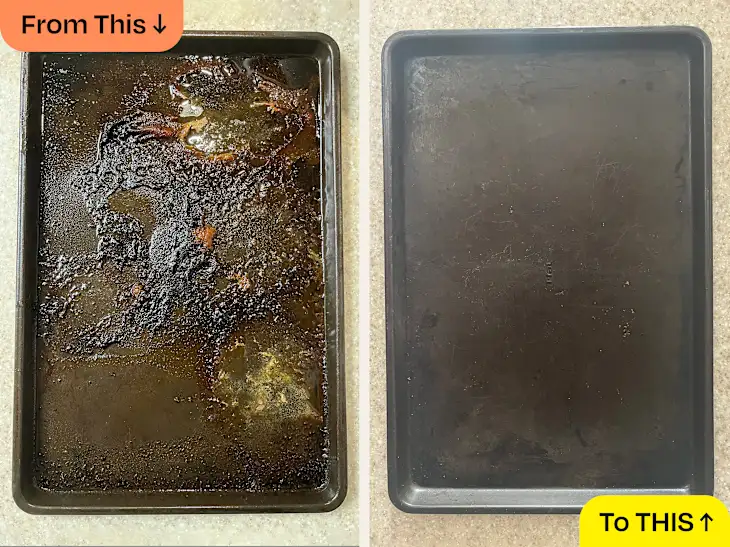
- Tackling Stubborn Stains: For baked-on grime, a paste of baking soda and a small amount of water (or hydrogen peroxide for tougher stains) can work wonders. Apply the paste, let it sit for 30 minutes to an hour, then gently scrub with a non-abrasive pad. For aluminum or aluminized steel, a baking soda and vinegar mixture can also be effective.
- Avoid Abrasives: Steer clear of steel wool or abrasive scouring pads, as they can scratch surfaces and damage non-stick coatings.
- Dry Thoroughly: Always dry your baking sheets completely before storing to prevent water spots and rust, especially with aluminized steel or stainless steel.
Common Mistakes When Using Baking Sheet Pans and How to Fix Them
Even seasoned bakers can make these blunders.
- Overcrowding the Pan: This is perhaps the most common mistake.
- Fix: Use multiple baking sheets if needed. Give your food enough space to breathe and cook evenly.
- Using the Wrong Temperature: Too high can burn, too low can lead to soggy results.
- Fix: Always follow the recipe’s temperature guidelines. Consider an oven thermometer to verify your oven’s accuracy.
- Improper Cleaning: Letting residue build up can affect future cooking and pan longevity.
- Fix: Clean your pans immediately after they cool. Utilize baking soda and vinegar/hydrogen peroxide for tough stains as described above.
- Using Damaged Pans: Warped, deeply scratched, or heavily discolored pans can lead to uneven cooking.
- Fix: While minor imperfections are fine, severely damaged pans might need replacing. For warped pans, sometimes a heavy-duty, commercial-grade pan with reinforced rims can prevent future issues.
Creative Baking & Roasting Ideas with Your Baking Sheet Pan
The versatility of the best baking sheet pans makes them indispensable for a wide range of culinary adventures.
- Effortless Sheet Pan Dinners: Combine your protein (chicken, sausage, fish) and chopped vegetables (broccoli, bell peppers, potatoes) on a single sheet pan. Toss with oil and seasonings, then roast for a complete meal with minimal cleanup.
- Perfect Cookies and Pastries: From classic chocolate chip to delicate croissants, a good baking sheet ensures even browning and a consistent bake. Always line the pan for easy release.
- Crispy Roasted Vegetables: Achieve beautifully caramelized vegetables by spreading them in a single layer, giving them plenty of space, and roasting at a higher temperature.
- Homemade Pizza: A sturdy baking sheet can be a great base for crispy-crusted homemade pizzas.
Frequently Asked Questions about Baking Sheet Pans
What is the best material for a baking sheet pan?
For most home cooks, uncoated aluminum or aluminized steel offers the best balance of heat conductivity, durability, and value. Aluminum heats quickly and evenly, while aluminized steel is more warp-resistant.
How do I prevent food from sticking to my baking sheet?
The simplest way is to always line your baking sheet with parchment paper or a silicone baking mat. These create a non-stick surface, protect your pan, and make cleanup significantly easier.
Can I use aluminum foil instead of parchment paper?
Yes, you can use aluminum foil, but parchment paper is generally preferred for baking as it prevents sticking better and helps with even browning. If using foil, be aware that acidic foods can react with aluminum, and food may still stick if not greased.
How often should I replace my baking sheet pans?
This depends on the material and how well you care for them. High-quality aluminum or aluminized steel pans can last for many years, even decades, if properly maintained. Non-stick pans typically need replacing more often as their coatings wear off, usually every few years. If your pan is severely warped, has deep scratches, or significant rust, it’s time for a new one.
What are rimmed baking sheets used for?
Rimmed baking sheets are incredibly versatile. Their raised edges prevent food, liquids, and juices from spilling over, making them ideal for roasting vegetables, meats, baking cookies, sheet pan dinners, and even catching drips under pies. For most home cooks, they are a more practical choice than rimless cookie sheets.
Conclusion
Choosing the best baking sheet pans is an investment in your culinary journey. By understanding the different materials, their pros and cons, and adopting proper usage and care techniques, you can ensure your bakeware serves you faithfully for years to come. Whether you’re a passionate baker or a weeknight meal maestro, a high-quality baking sheet pan is truly a kitchen essential that elevates every dish. So go ahead, find your perfect pan, and let your culinary creativity soar!