Stepping into the world of baking often feels like an adventure, and just like any great journey, having the right tools makes all the difference. While countless options line the shelves, the Best Ceramic Baking Sheet stands out as a true game-changer, promising not just excellent results but also a more enjoyable and health-conscious baking experience. Whether you’re a seasoned baker or just beginning to explore the joys of your oven, understanding the unique benefits and proper use of ceramic bakeware can elevate your creations from good to absolutely glorious.
Understanding the Baking Sheet Landscape
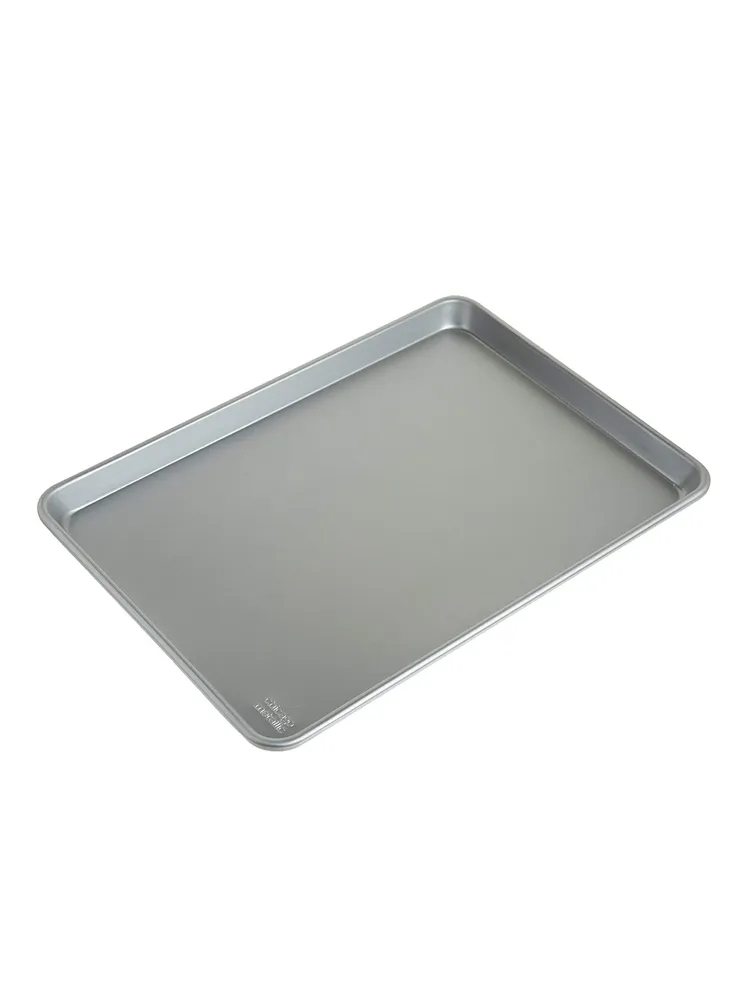
At its core, a baking sheet is simply a flat metal pan used for baking food in an oven. Yet, its evolution has been anything but simple. From primitive clay slabs baked in open fires to the various metal alloys of today, bakeware has consistently adapted to new culinary demands and technological advancements. Historically, bakers relied on materials like iron, copper, and tin, each offering distinct thermal properties. As our understanding of materials grew, so did the variety of options, leading us to modern innovations like aluminum, stainless steel, and, increasingly, ceramic. Ceramic baking sheets represent a contemporary approach, blending traditional aesthetics with advanced non-stick capabilities and improved heat management.
Diving Deep into Ceramic Baking Sheets
Ceramic bakeware has garnered a loyal following, but it’s crucial to understand what “ceramic” truly means in the context of baking sheets, as it often refers to two distinct types.
True Ceramic vs. Ceramic-Coated: What’s the Difference?
When you hear “ceramic baking sheet,” you might be thinking of either solid ceramic (often referred to as stoneware) or a ceramic-coated metal sheet.
- Solid Ceramic/Stoneware: These sheets are made entirely of clay fired at high temperatures, resulting in a dense, durable material. They are renowned for their exceptional heat retention and even heat distribution, which is ideal for achieving consistently golden crusts and thoroughly cooked interiors. They are naturally non-stick to a degree, especially when seasoned or glazed, and are free from synthetic coatings. However, they can be heavy, are susceptible to thermal shock (sudden temperature changes causing cracks), and typically take longer to heat up and cool down.
- Ceramic-Coated Bakeware: More commonly seen, these baking sheets feature a metal core (usually aluminum or steel) coated with a layer of ceramic-based non-stick material. This coating is often derived from sand and is PFOA- and PTFE-free, making it a popular choice for those seeking a healthier alternative to traditional chemical non-stick surfaces. They combine the fast heating properties of metal with the easy-release benefits of ceramic, are lighter than solid stoneware, and tend to be more resistant to chipping than true ceramic. The non-stick effectiveness of the coating can, however, diminish over time with heavy use or improper care.
Why Choose Ceramic? Unveiling Its Core Value
“From my years in professional kitchens, I’ve found that a quality ceramic baking sheet, whether true stoneware or a well-made ceramic-coated option, consistently delivers superior browning and a truly even bake,” says Chef Evelyn Reed, a renowned Culinary Instructor and Author. “It’s a game-changer for everything from delicate macarons to robust roasted root vegetables.”
- Even Heat Distribution: This is perhaps the most celebrated advantage. Ceramic materials absorb and distribute heat remarkably evenly, which translates to no more burnt edges and undercooked centers. Your cookies will be uniformly golden, and your roasted vegetables perfectly caramelized across the entire pan.
- Natural Non-Stick Properties (or enhanced by coating): Many ceramic baking sheets offer excellent food release. Solid stoneware, when properly seasoned or glazed, develops a naturally low-stick surface. Ceramic-coated sheets provide a smooth, slick surface that makes cleanup a breeze, often requiring less oil or fat.
- Health-Conscious Choice: For many, the appeal of ceramic lies in its non-toxic nature. Most ceramic and ceramic-coated bakeware is free from PFOA, PTFE, and other potentially harmful chemicals often found in traditional non-stick coatings, offering peace of mind for health-aware bakers.
- Durability and Aesthetics: Ceramic baking sheets are built to last, offering scratch resistance (especially the coated variants) and robustness. Beyond functionality, their often elegant and rustic appearance means they can go straight from the oven to your table, adding a touch of sophistication to any meal.
Popular Types and Their Characteristics
When exploring the market for the best ceramic baking sheet, you’ll encounter a range of designs and materials, each with its own specific characteristics:
- Glazed Stoneware: These are often the most visually appealing, coming in various colors. The glaze adds an extra layer of non-stick protection and makes them easier to clean. They are generally heavy and excellent for baking items that require a consistent, radiant heat like artisan breads, pizzas, and hearty roasted dishes.
- Unglazed Stoneware: These sheets require seasoning over time, much like cast iron, to develop a naturally non-stick surface. They are fantastic for absorbing moisture and producing crispy crusts, making them a favorite for pizzas and rustic breads.
- Ceramic-Reinforced Steel/Aluminum: These combine the strength and quick heating of metal with the non-stick benefits of a ceramic coating. They are lighter, often more affordable, and come in standard baking sheet sizes, making them versatile for everyday baking, from cookies to sheet pan dinners.
- Silicone-Ceramic Composites: Some innovative products incorporate ceramic particles into silicone mats or bakeware, aiming for the flexibility of silicone with enhanced heat stability and non-stick performance.
Choosing Your Perfect Ceramic Baking Sheet
Selecting the ideal ceramic baking sheet requires a thoughtful approach, considering what you bake and how often.
Consider Your Baking Needs
- What do you bake most often? If you’re a cookie connoisseur, a lighter, ceramic-coated sheet with good non-stick release might be perfect. For crispy pizzas or rustic bread, a heavy stoneware sheet will truly shine. For sheet pan dinners with roasted vegetables and meats, a rimmed ceramic-coated sheet offers versatility.
- Frequency of use: For daily baking, prioritize durability and ease of cleaning. For occasional special projects, a specialized stoneware piece might be worth the investment.
Key Factors to Evaluate
- Material composition: Decide between solid ceramic (stoneware) for superior heat retention and natural materials, or ceramic-coated metal for quicker heating, lighter weight, and often better non-stick performance right out of the box.
- Edge design: Rimmed baking sheets prevent food and juices from spilling over, making them ideal for roasting or baking items with sauces. Rimless sheets are excellent for cookies and pastries, allowing easy sliding off.
- Heat resistance and oven safety: Always check the manufacturer’s maximum oven-safe temperature. Most ceramic bakeware can withstand high temperatures, but ensure it meets your specific baking needs.
- Brand reputation and reviews: Researching trusted brands and reading user reviews can provide invaluable insights into a product’s real-world performance and longevity.
- Price point: Ceramic baking sheets vary widely in price. Determine your budget, keeping in mind that a higher price often reflects superior material quality, durability, and performance.
Tips for Optimal Baking with Ceramic
To truly unlock the potential of your ceramic baking sheet, a few simple practices can make a world of difference.
- Preheating for Perfection: Ceramic bakeware benefits immensely from proper preheating. Place your empty ceramic sheet in the oven as it preheats. This allows the material to absorb heat evenly, preventing thermal shock (for stoneware) and ensuring an instant, consistent sizzle or bake when food is added.
- Greasing and Parchment Paper: When and Why: While ceramic offers good non-stick properties, a light greasing or a sheet of parchment paper can act as an insurance policy, especially for delicate or sugary items like cookies or sticky buns. Parchment paper also makes cleanup even easier and can prevent staining.
- Temperature Management: Adapting to Ceramic’s Heat Retention: Remember that ceramic retains heat exceptionally well. This means your food will continue to cook for a short period after being removed from the oven. You might need to adjust your usual baking times slightly or remove items a minute or two earlier than you would with metal pans.
- Avoiding Thermal Shock (especially for stoneware): Sudden changes in temperature can cause solid ceramic/stoneware to crack. Never put a hot ceramic sheet directly into cold water, or cold food onto a scorching hot sheet (unless specifically designed for it). Allow it to cool gradually before washing.
Caring for Your Ceramic Baking Sheet
Proper care ensures your best ceramic baking sheet remains a reliable companion in your kitchen for years.
Cleaning Made Easy
- Hand washing vs. Dishwasher: While some ceramic-coated sheets claim to be dishwasher safe, hand washing is almost always recommended for preserving the non-stick coating and overall longevity. Solid stoneware is rarely dishwasher safe due to its porosity.
- Dealing with stubborn stuck-on bits: For baked-on residue, soak the sheet in warm, soapy water for 15-30 minutes. This will soften the food, making it easier to gently scrape off with a plastic scraper or a non-abrasive sponge.
- Gentle cleaning agents: Avoid harsh scouring pads, abrasive cleaners, or steel wool, which can scratch and degrade the ceramic surface or coating. Mild dish soap and a soft sponge are usually all you need.
Proper Storage
- Protecting the surface: Store your ceramic baking sheets carefully to prevent chipping, scratching, or cracking. Avoid stacking them directly on top of each other without protection.
- Avoiding chips and cracks: Use pan protectors, paper towels, or dishcloths between stacked sheets to cushion them and prevent direct contact that could lead to damage. Store heavier stoneware pieces on their own or at the bottom of a stack.
Common Ceramic Baking Sheet Mistakes and How to Fix Them
Even with the best tools, missteps can happen. Here’s how to troubleshoot common issues with ceramic baking sheets.
- Uneven Baking: This usually stems from improper preheating or overcrowding the pan. Always preheat your ceramic sheet with the oven, and avoid cramming too much food onto it. Give items space for air to circulate and heat to reach all surfaces.
- Sticking Issues: If your ceramic sheet is sticking, it might be due to a degraded non-stick coating (for coated sheets), insufficient fat/parchment paper, or trying to remove food before it’s fully set and ready to release. Ensure you’re using proper preparation, and allow food to cool slightly if recommended before attempting to remove it.
- Cracking or Chipping: This is almost always a result of thermal shock or physical impact. Always allow stoneware to cool gradually, and avoid dropping or banging any ceramic sheet. Handle with care.
- Staining: Dark spots or discoloration can occur over time, especially with porous stoneware or light-colored coatings. For stoneware, a paste of baking soda and water can often lift stains. For coated sheets, try a gentle cleaning paste or a non-abrasive cleaner designed for non-stick surfaces. Prevention through parchment paper and prompt cleaning is best.
Beyond the Basics: Creative Ideas with Your Ceramic Baking Sheet
Your ceramic baking sheet is far more versatile than just a cookie pan. Let its even heat and gentle release inspire new culinary adventures!
- Sweet Treats: Beyond classic chocolate chip cookies, experiment with delicate French macarons, flaky croissants, homemade pop-tarts, or even a sheet pan brownie for a crowd. The even heat helps achieve perfect texture and browning.
- Savory Delights: Transform your weeknights with effortless sheet pan dinners. Roast a medley of root vegetables alongside chicken thighs or fish fillets. Use it for crispy roasted potatoes, garlic bread, or even a homemade pizza with an exquisitely crisp crust.
- Baking with Kids: The even baking and easy cleanup make ceramic sheets perfect for involving little helpers. Bake simple sugar cookies, mini pizzas, or even homemade soft pretzels for a fun and delicious activity.
FAQ
Q1: Are ceramic baking sheets truly non-stick?
A1: Yes, both solid glazed ceramic (stoneware) and ceramic-coated metal baking sheets offer good non-stick properties. Glazed stoneware becomes more non-stick with use and seasoning, while ceramic-coated sheets provide an excellent non-stick surface from the start, though its efficacy can diminish over time.
Q2: Can I use metal utensils on ceramic baking sheets?
A2: It’s generally advised to avoid metal utensils, especially on ceramic-coated baking sheets, as they can scratch and damage the non-stick surface. Opt for silicone, wood, or plastic utensils to preserve the life of your pan.
Q3: How do I remove burnt-on food from my ceramic baking sheet?
A3: For burnt-on food, soak the baking sheet in warm, soapy water for a few hours or overnight. This will typically loosen the residue, allowing you to gently scrub it away with a non-abrasive sponge or a plastic scraper. Avoid harsh scrubbing or abrasive cleaners.
Q4: Are ceramic baking sheets safe for high temperatures?
A4: Most ceramic baking sheets are oven-safe to high temperatures, typically ranging from 400°F to 500°F (200°C to 260°C), but always check the manufacturer’s specific temperature limits to ensure safe use and prevent damage.
Q5: What’s the best way to store multiple ceramic baking sheets?
A5: To prevent chipping and scratching, store ceramic baking sheets vertically in a rack or horizontally with protective layers (like felt pan protectors, paper towels, or dishcloths) between each sheet. This safeguards the surfaces and edges.
Conclusion
Choosing the best ceramic baking sheet is an investment in your culinary journey, offering a blend of superior performance, health benefits, and elegant design. By understanding the nuances between solid ceramic and ceramic-coated options, making an informed choice based on your baking needs, and committing to proper care, you’ll ensure your ceramic baking sheet becomes a cherished tool in your kitchen arsenal. So go ahead, experiment with new recipes, rediscover old favorites, and share your baking triumphs. With the consistent, even heat of ceramic bakeware, every batch is bound to be a masterpiece.