Every passionate home baker knows the thrill of perfectly golden cookies sliding effortlessly off a pan or roasted vegetables caramelized to perfection without a single stuck piece. This culinary dream is made possible by one unsung hero in our kitchens: the humble baking sheet. But not just any baking sheet – we’re talking about finding the Best Non Stick Baking Sheet to truly elevate your baking and cooking game. It’s an essential tool that promises easy release and even easier cleanup, turning kitchen chores into a breeze.
Understanding the Humble Baking Sheet
At its core, a baking sheet is a flat, rectangular metal pan designed for oven use. Often called a cookie sheet, this versatile piece of bakeware is indispensable for everything from baking delicate pastries to roasting hearty meats and vegetables.
So, why go non-stick? The benefits are clear: imagine cookies that glide onto the cooling rack, cheese crisps that peel away without a struggle, or sheet pan dinners where every morsel is perfectly cooked and lifts right off. A good non-stick coating minimizes the need for excessive oils or parchment paper, offering a healthier cooking option and significantly simplifying the post-meal cleanup.
The Science Behind Non-Stick: Materials and Coatings Unpacked
When you’re on the hunt for the best non stick baking sheet, understanding the underlying materials and coatings is crucial. They dictate everything from heat distribution to durability and, of course, that magical non-stick performance.
Aluminized Steel: The Sturdy Foundation
Many high-quality non-stick baking sheets, like the Cuisinart Chef’s Classic and OXO Good Grips, are crafted from aluminized steel. This material combines the strength of steel with the excellent heat conductivity of aluminum. It’s renowned for its durability and resistance to warping, even under higher oven temperatures.
Diverse Non-Stick Coatings: From Traditional to Modern
The non-stick surface itself can vary significantly:
- Traditional PTFE (Polytetrafluoroethylene) Coatings: Often found on familiar non-stick cookware, these offer a very slick surface for easy food release and are generally quite durable. They are usually reasonably priced.
- Silicone Coatings: Brands like USA Pan utilize a silicone-based coating (often proprietary, like Americoat). These are known for their exceptional non-stick properties and slick, yet grippy, texture.
- Ceramic Coatings: Gaining popularity, ceramic-coated sheets (such as Caraway or Great Jones) offer a PFOA/PTFE-free alternative, often in vibrant colors. They can be heavier and may absorb heat differently, potentially leading to faster browning.
“When considering non-stick coatings, look for PFOA-free options, which are standard in modern bakeware,” advises Chef Amelia Rossi, a seasoned culinary expert specializing in bakeware technology. “While PTFE coatings are generally safe when used correctly, ceramic and silicone alternatives offer peace of mind for those seeking different materials.”
Navigating the Options: How to Pick Your Perfect Non-Stick Baking Sheet
Choosing the best non stick baking sheet involves a few key considerations to ensure it meets your specific baking and roasting needs.
Material and Gauge Matter
Opt for heavy-gauge aluminized steel. Thinner pans are prone to warping at high temperatures, creating uneven surfaces and potentially ruining your culinary creations. A heavier pan will conduct heat more consistently and withstand repeated use without buckling.
Coating Type and Color
While traditional PTFE coatings are often effective and budget-friendly, consider silicone-based or ceramic options if you prefer alternatives. Also, pay attention to the pan’s color. Lighter-colored non-stick sheets typically result in more even baking and browning, aligning with standard recipe timings. Darker pans absorb heat faster, which can cause food to cook more quickly and potentially over-brown.
Size and Rim Design
A standard half-sheet pan (approximately 18×13 inches) is incredibly versatile for most home ovens. Look for pans with rolled rims; these reinforce the structure, help prevent warping, and provide an easy grip for oven mitts. Avoid pans with odd grooves or embossed logos on the cooking surface, as these can imprint on food and make cleaning harder.
Heat Resistance and Care
Check the manufacturer’s maximum recommended temperature. Most non-stick sheets are safe up to 400-450°F, but they are generally not broiler-safe. Hand-washing is almost always recommended for non-stick bakeware to preserve the coating’s integrity, even if a pan is listed as dishwasher-safe.
Your Non-Stick Baking Sheet Buying Checklist:
- Heavy-Gauge Aluminized Steel: For durability and warp resistance.
- Light-Colored Coating: Ensures even baking and prevents over-browning.
- Standard Half-Sheet Size with Rolled Rims: For versatility and ease of handling.
- Clear Temperature Rating: Confirm it suits your common baking needs (up to 450°F is ideal).
- Easy to Clean (Hand Wash Recommended): Expect quick, gentle cleaning.
- Reputable Brand: Look for brands known for quality bakeware, like Cuisinart or OXO.
Mastering Your Non-Stick Baking Sheet: Tips for Optimal Performance
Even the best non stick baking sheet needs a little love and proper technique to perform at its peak.
Mind the Heat and Utensils
Avoid exposing your non-stick pan to extremely high temperatures beyond the manufacturer’s recommendations, and never use it under a broiler. High heat can damage the coating over time. Always use silicone, wood, or plastic utensils to prevent scratching the non-stick surface. Metal utensils are a big no-no!
Consider Supplemental Protection
While it might seem counterintuitive for a non-stick pan, using parchment paper or a silicone baking mat can further extend the life of your pan’s coating, especially for particularly sticky items or very delicate baked goods. It also makes cleanup virtually nonexistent.
Even Distribution for Even Results
Ensure your food is evenly spread across the baking sheet. Overcrowding can lead to steaming instead of roasting, and uneven cooking. Give your ingredients room to breathe!
“Treat your non-stick baking sheet like a culinary companion,” says Chef Rossi. “Regular, gentle cleaning and thoughtful usage will ensure it serves you faithfully for many delicious meals to come.”
Common Baking Sheet Blunders and How to Fix Them
Even with the best non stick baking sheet, mishaps can happen. Here’s how to troubleshoot common issues:
Warping in the Oven
Blunder: Your pan suddenly twists or buckles in a hot oven.
Fix: This often happens with thinner pans due to rapid expansion and contraction of metal, or if a hot pan is suddenly cooled. Invest in heavy-gauge pans. If it happens, allow the pan to cool completely before attempting to clean it; often, it will revert to its original shape.
Coating Degradation
Blunder: The non-stick surface is peeling, flaking, or food is starting to stick.
Fix: This is a sign of wear and tear, often accelerated by high heat, abrasive cleaners, or metal utensils. Unfortunately, once the coating starts to degrade, it’s time for a replacement. Proper care can significantly extend its lifespan (typically 1-2 years for non-stick pans).
Uneven Baking or Browning
Blunder: Cookies are burnt on one side, or vegetables are perfectly roasted in some spots and undercooked in others.
Fix: This can be due to poor heat distribution from a low-quality pan or an overcrowded sheet. Ensure you’re using a quality, heavy-gauge pan and avoid overloading it. Rotating the pan halfway through cooking can also help.
Food Still Sticking
Blunder: Despite the “non-stick” claim, your food won’t release easily.
Fix: Even non-stick pans benefit from a little grease, especially for certain recipes. Ensure your oven temperature isn’t too high, which can sometimes cause food to “bake on.” Also, make sure the pan is clean and free of any residual oils that might have become gummy.
Beyond Cookies: Culinary Inspirations for Your Non-Stick Sheet
The best non stick baking sheet is far more than just a cookie companion. It’s a versatile powerhouse that can transform your everyday meals.
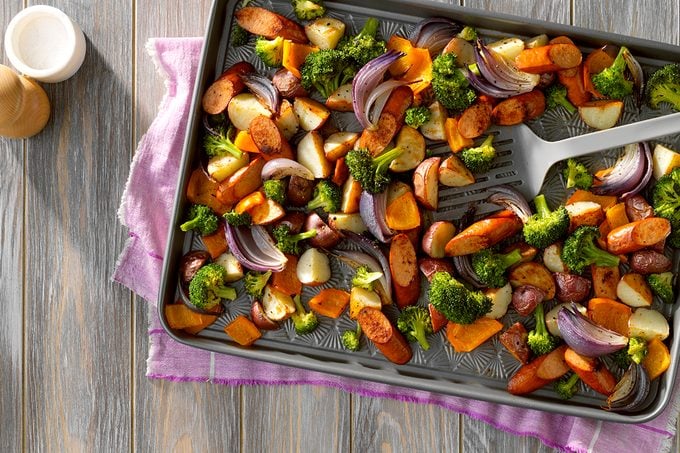
- Roasted Vegetables: Achieve beautifully caramelized broccoli, crispy potatoes, or tender asparagus without any sticking.
- Sheet Pan Dinners: Cook an entire meal – protein and vegetables – on one pan for minimal cleanup and maximum flavor. Think chicken and peppers, sausage and root vegetables, or salmon with asparagus.
- Baked Fish and Seafood: Delicate fish fillets or shrimp cook beautifully and release cleanly.
- Pizzas and Flatbreads: While some prefer a pizza stone, a non-stick baking sheet can create a wonderfully crisp crust.
- Pastries and Rolls: From croissants to dinner rolls, ensure they bake evenly and don’t get stuck.
Care and Longevity: Keeping Your Non-Stick Baking Sheet in Top Shape
To ensure your best non stick baking sheet stays that way, consistent and gentle care is key.
Hand Washing is Your Best Friend
While some non-stick pans claim to be dishwasher-safe, the harsh detergents and high heat of a dishwasher can accelerate the degradation of the non-stick coating. Always opt for hand washing with warm, soapy water and a soft sponge or cloth.
Dealing with Stubborn Residue
If something does get stuck, avoid abrasive scrubbers or steel wool. Instead, soak the pan in warm, soapy water for 15-30 minutes. Most residue will then wipe away easily.
Proper Storage
Store your non-stick baking sheets carefully to prevent scratches. If stacking, place a sheet of paper towel, a thin cloth, or a silicone mat between them to protect the non-stick surface.
Frequently Asked Questions About Non-Stick Baking Sheets
Q1: How long do non-stick baking sheets last?
A1: With proper care, a good non-stick baking sheet typically lasts one to two years before the coating may begin to degrade. Improper use, such as high heat or abrasive cleaning, can shorten this lifespan.
Q2: Can I use metal utensils on my non-stick baking sheet?
A2: No, you should never use metal utensils on a non-stick baking sheet. Metal can scratch and damage the non-stick coating, leading to flaking and reduced performance. Always opt for silicone, wood, or plastic.
Q3: Are all non-stick coatings safe?
A3: Modern non-stick coatings are generally considered safe for cooking when used according to manufacturer instructions. Many brands now offer PFOA and PTFE-free options, such as ceramic or silicone-based coatings, for those who prefer them.
Q4: Why does my non-stick baking sheet warp?
A4: Warping is often caused by thin metal expanding and contracting too rapidly when exposed to high heat or sudden temperature changes (like placing a hot pan under cold water). Heavy-gauge pans are less likely to warp.
Q5: Is hand washing truly necessary for non-stick baking sheets?
A5: While some manufacturers state their non-stick pans are dishwasher-safe, hand washing is strongly recommended to preserve the integrity and extend the lifespan of the non-stick coating. Dishwasher detergents and high heat can be harsh on the finish.
Conclusion
Finding the best non stick baking sheet is more than just buying a pan; it’s an investment in smoother baking experiences, effortless cleanup, and truly delicious results. By understanding the materials, choosing wisely based on performance criteria, and committing to proper care, you can unlock a world of culinary possibilities. So go ahead, arm yourself with a fantastic non-stick sheet, experiment with new recipes, and revel in the joy of baking and cooking made wonderfully easy. Your kitchen adventures await!