There’s a special kind of joy that comes from pulling a perfectly golden batch of cookies or a beautifully roasted sheet pan dinner from the oven. At the heart of this culinary magic often lies a trusty Calphalon Baking Sheet. Renowned for its quality and performance, Calphalon has become a household name for home bakers and seasoned chefs alike, offering a range of bakeware designed to transform your kitchen endeavors. This guide will delve deep into what makes Calphalon baking sheets a fantastic choice, how to select the best one for your needs, and essential tips to keep them performing at their peak, ensuring every baking adventure is a resounding success.
Understanding Baking Sheets: The Foundation of Good Baking
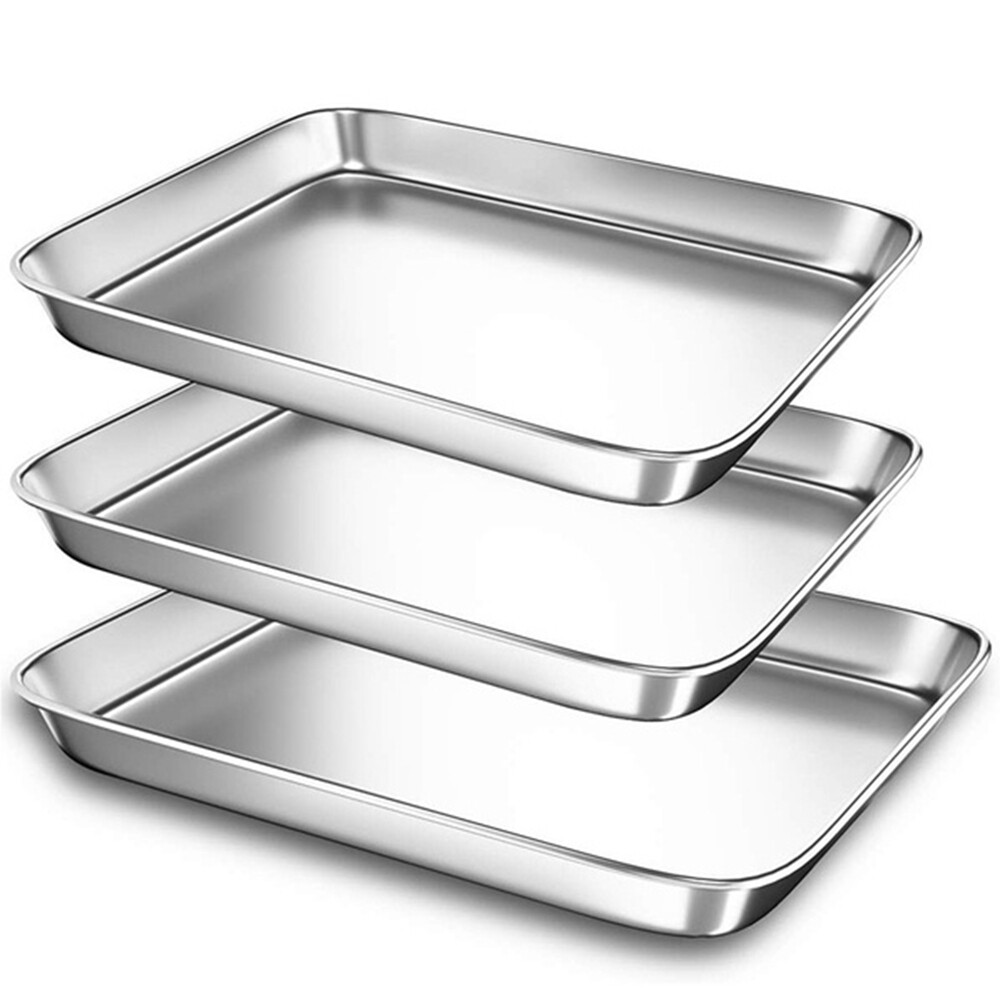
Before we dive into the specifics of Calphalon, let’s establish a common understanding of baking sheets themselves. A baking sheet, often called a cookie sheet or sheet pan, is a flat, rectangular metal pan used for baking and roasting. It’s a versatile workhorse, essential for everything from delicate pastries to hearty roasted vegetables. The performance of a baking sheet hinges on several factors, including its material, non-stick properties, and construction.
Most baking sheets are made from either aluminum or steel. Aluminum is prized for its excellent heat conductivity, ensuring even browning and preventing hot spots. Steel, particularly carbon steel or aluminized steel, offers superior durability and warp resistance, often providing a robust foundation for intense heat.
Non-stick coatings are a game-changer, allowing food to release effortlessly and making cleanup a breeze. Quality non-stick surfaces, typically PFOA-free, create a barrier that prevents sticking without the need for excessive greasing. Different sizes, such as the standard half-sheet (approximately 18×13 inches) and quarter-sheet (9×13 inches), cater to varying batch sizes and oven capacities.
Why Calphalon Baking Sheets Stand Out
Calphalon has built a sterling reputation on manufacturing high-quality cookware and bakeware, and their baking sheets are no exception. What truly sets a Calphalon baking sheet apart is the brand’s commitment to thoughtful design and robust construction, often incorporating features that enhance both performance and longevity.
At the core of many Calphalon baking sheets is a heavy-gauge construction, often made from hard-anodized aluminum or durable steel. This substantial build isn’t just for show; it’s critical for even heat distribution, which translates to consistent baking results without unevenly browned edges or undercooked centers. This heavy gauge also contributes significantly to warp resistance, a common complaint with thinner, lower-quality pans, especially when exposed to high oven temperatures [cite: 1, first search].
One of Calphalon’s most celebrated features is its interlocking nonstick layers. These advanced coatings ensure superior food release, meaning your cookies slide off with ease and roasted ingredients don’t stubbornly cling to the pan. This not only makes baking more enjoyable but also simplifies the dreaded cleanup process [cite: 1, first search]. Many users rave about the effortless release, often stating they no longer need to grease or flour the pans extensively [cite: 3, first search].
Many Calphalon baking sheets boast rolled edges and folded construction. This isn’t just an aesthetic choice; it significantly strengthens the pan, further enhancing its durability and helping to maintain its shape over countless uses. Most Calphalon bakeware is oven-safe to temperatures around 450°F to 500°F, making them suitable for a wide range of recipes from delicate meringues to high-heat roasting [cite: 4, first search]. Some premium lines, like Calphalon Premier™ Countertop-Safe Bakeware, even feature silicone feet to protect your countertops and tables from heat damage when the pan comes straight out of the oven [cite: 2, second search].
Calphalon stands behind its products with a full lifetime warranty, underscoring their confidence in the quality and craftsmanship of their bakeware [cite: 4, first search]. This commitment to customer satisfaction builds trust and assures bakers that their investment is protected. While some users occasionally report a “banging” or slight bending sound from their sheets in the oven due to high temperatures, they often note that the pans return to their original shape as they cool, highlighting their robust construction [cite: 1, first search].
Choosing Your Calphalon Baking Sheet: A Baker’s Guide
Selecting the right Calphalon baking sheet can feel like finding the perfect dance partner – it needs to match your style and needs. Here’s how to pick the best one for your kitchen.
First, consider your primary baking needs. Are you a cookie enthusiast, a sheet pan dinner devotee, or do you dabble in all sorts of baked goods? For most home kitchens, a standard half-sheet (12×17 or 13×18 inches) is incredibly versatile and a great starting point. If you bake smaller batches or have a compact oven, a quarter-sheet might be more appropriate.
Next, think about material and coating preferences. Calphalon offers various lines, each with distinct features. Their classic nonstick bakeware provides reliable release and easy cleaning. The “Simply Calphalon Nonstick Bakeware” features a toffee-colored nonstick surface, offering good release and durability [cite: 2, second search]. For those seeking top-tier innovation, the “Calphalon Premier™” collection often includes enhanced features like silicone feet and even more robust construction, ideal for serious bakers who demand superior performance and convenience [cite: 2, second search]. While all Calphalon nonstick surfaces are designed for durability, understanding the differences in their collections can help you align with the specific benefits you value most.
Mastering Your Calphalon Baking Sheet: Tips for Optimal Results
To get the absolute best out of your Calphalon baking sheet, a few simple practices can make all the difference, ensuring consistent results and extending the life of your bakeware.
Before its first use, always wash your new baking sheet in warm, sudsy water and dry it thoroughly [cite: 1, third search]. This removes any manufacturing residues. For most baking, while Calphalon’s nonstick surfaces are excellent, using parchment paper or silicone baking mats can offer an extra layer of protection, make cleanup even easier, and further prolong the life of your nonstick coating. This is especially true for sticky or sugary items.
Always be mindful of temperature limits. While Calphalon baking sheets are robust and oven-safe to high temperatures (typically 450°F to 500°F), avoid using them under the broiler unless explicitly stated in the product instructions, as extreme direct heat can damage the nonstick surface [cite: 1, third search].
“For beautifully even baking, resist the urge to overcrowd your Calphalon baking sheet,” advises culinary expert, Chef Isabella Rossi. “Allowing ample space around your food promotes proper air circulation, which is key to achieving that perfect golden-brown finish and crisp texture, whether you’re roasting vegetables or baking a tray of delicate macarons.”
A critical tip for all nonstick bakeware, including Calphalon, is to never use aerosol cooking sprays [cite: 1, third search]. These sprays contain propellants and other ingredients that can build up over time, creating a sticky residue that is difficult to remove and can degrade the nonstick performance. Instead, opt for a light brushing of oil or use an oil mister.
Care and Maintenance: Keeping Your Calphalon Baking Sheet Pristine
Proper care and maintenance are crucial for preserving the nonstick properties and overall integrity of your Calphalon baking sheet. A little effort goes a long way in ensuring its longevity.
First and foremost, always allow your baking sheet to cool completely before cleaning [cite: 1, third search]. Plunging a hot pan into cold water can cause thermal shock, leading to warping that may not be reversible.
When it comes to washing, while many Calphalon bakeware pieces are labeled as dishwasher-safe, handwashing is generally recommended to extend the life of the nonstick coating [cite: 1, third search]. Use warm, sudsy water with a liquid dishwashing detergent and a soft, non-abrasive sponge or cloth. Avoid harsh abrasive cleaners, scouring pads, or steel wool, as these can scratch and damage the nonstick surface [cite: 1, third search].
For stubborn, baked-on food or residue, try soaking the pan in hot, soapy water for 15-20 minutes. A gentle scrub with a non-abrasive sponge should then remove the debris. For particularly challenging spots, a solution of white vinegar and water can work wonders to help dislodge stuck-on food without harming the finish [cite: 5, third search]. Always dry your baking sheet thoroughly before storing to prevent water spots and potential corrosion.
Common Baking Sheet Mistakes and How to Avoid Them
Even with a high-quality Calphalon baking sheet, certain common mistakes can hinder your baking success and shorten the lifespan of your pan.
- Warping: The most frequent culprit is thermal shock – introducing a hot pan to cold water. Always let your sheet cool gradually on a wire rack before washing [cite: 1, third search]. Overheating an empty, thin baking sheet can also contribute to warping. Calphalon’s heavy-gauge construction significantly reduces this risk, but care is still advised.
- Sticking: While Calphalon’s nonstick is excellent, damage to the coating from metal utensils or abrasive cleaning can lead to sticking. Always use wood, silicone, or nylon utensils, and avoid cutting directly on the pan’s surface. Also, remember to avoid those aerosol cooking sprays!
- Uneven Baking: Overcrowding the pan restricts airflow and can lead to steamed rather than roasted or crisped food. Give your ingredients room to breathe. Ensure your oven is accurately calibrated, as inconsistent oven temperatures can also contribute to uneven results.
Unlock Your Culinary Creativity: Recipe Ideas with Calphalon Baking Sheets
Your Calphalon baking sheet isn’t just for cookies; it’s a blank canvas for countless culinary creations. Here are some ideas to get your inspiration flowing:
- Sheet Pan Dinners: Roast chicken thighs and your favorite vegetables (broccoli, bell peppers, sweet potatoes) all on one pan for an easy, flavorful weeknight meal.
- Perfect Cookies: From classic chocolate chip to delicate shortbread, Calphalon’s even heating helps achieve consistent browning and perfect texture.
- Crispy Roasted Vegetables: Toss Brussels sprouts, asparagus, or root vegetables with olive oil and seasonings for a delicious side dish that roasts beautifully.
- Homemade Pizza or Focaccia: The flat surface is ideal for achieving a perfectly crisp crust on your homemade pizzas or a fluffy, golden focaccia.
- Sheet Pan Pancakes: Pour pancake batter over a prepared baking sheet for large, fluffy pancakes that are easy to cut and serve, perfect for breakfast crowds.
Frequently Asked Questions
Are Calphalon baking sheets dishwasher safe?
Many Calphalon baking sheets are labeled as dishwasher-safe, but handwashing is generally recommended to best preserve the nonstick coating and extend the life of the bakeware [cite: 1, third search]. If using a dishwasher, use a detergent without bleach or citrus additives.
Can I use metal utensils on my Calphalon nonstick baking sheet?
No, it’s best to avoid metal utensils as they can scratch and damage the nonstick surface. Opt for wood, silicone, or nylon utensils to maintain the integrity of your Calphalon baking sheet.
What temperature can Calphalon baking sheets withstand?
Most Calphalon bakeware, including baking sheets, is oven-safe to temperatures between 450°F and 500°F [cite: 4, first search]. Always check specific product instructions for exact temperature limits and avoid broiler use unless specified.
Why does my baking sheet warp in the oven?
Warping is often caused by sudden temperature changes, such as placing a hot pan directly into cold water (thermal shock). It can also occur if a thin pan is heated too quickly or unevenly. Calphalon’s heavy-gauge construction helps minimize warping, but allowing pans to cool gradually is always recommended [cite: 1, third search].
How do I remove burnt-on food from my Calphalon baking sheet?
Allow the pan to cool, then soak it in hot, soapy water with a liquid dishwashing detergent. For stubborn stains, a solution of white vinegar and water can help loosen residue. Use a soft, non-abrasive sponge for cleaning, never abrasive pads or harsh chemicals [cite: 5, third search].
Conclusion
A Calphalon baking sheet is more than just a piece of bakeware; it’s an investment in countless delicious meals and cherished baking memories. With its superior nonstick performance, durable construction, and thoughtful design, Calphalon empowers you to bake with confidence and achieve professional-quality results right in your own kitchen. By understanding its unique features, choosing the right sheet for your needs, and following simple care guidelines, your Calphalon baking sheet will be a reliable partner for years to come. So go ahead, dust off those recipes, unleash your inner baker, and savor the journey of creating something wonderful. Happy baking!