In the bustling world of home baking, where precision meets passion, the right tools can elevate your culinary creations from good to absolutely glorious. While many baking sheets grace our kitchens, few offer the unique blend of performance, durability, and a developing character quite like a Carbon Steel Baking Sheet. For those seeking to master their baking craft, understanding the core value and immense potential of this often-overlooked workhorse is key. Here at Bếp Nướng Hoàn Hảo, we believe in empowering every passionate baker with insights to make smart choices and truly savor their baking journey.
Understanding Your Baking Partner: What is a Baking Sheet?
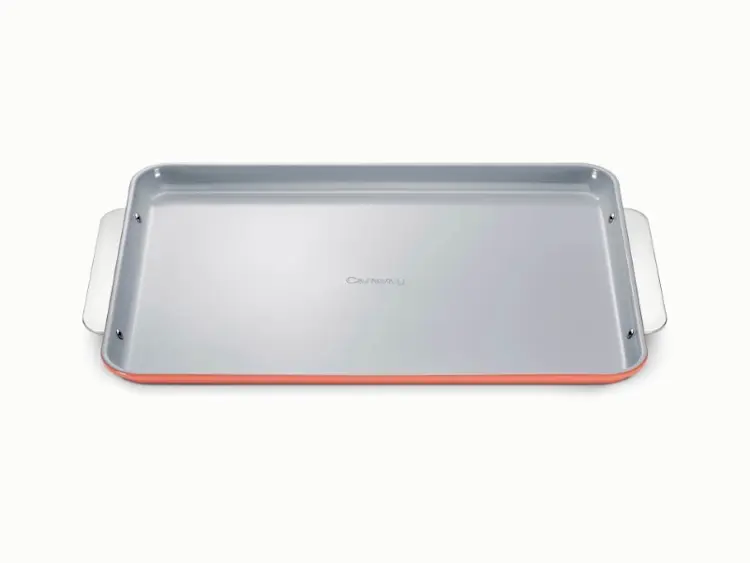
Before we dive into the specifics of carbon steel, let’s briefly touch upon the humble baking sheet itself. At its heart, a baking sheet is a flat, rectangular metal pan designed for oven use. It’s an indispensable kitchen staple, serving as the foundation for countless dishes, from delicate cookies and flaky pastries to roasted vegetables and hearty sheet pan dinners. Historically, baking sheets have evolved from simple flat metal slabs to a variety of materials and designs, each promising different results. But the quest for the perfect bake has led many discerning cooks back to traditional materials, with carbon steel emerging as a top contender.
The Rise of Carbon Steel: Why It’s a Game-Changer for Baking
A carbon steel baking sheet stands apart due to its unique composition and thermal properties. Crafted primarily from iron and a small percentage of carbon, this material offers a compelling alternative to more common aluminum or stainless steel options. Its characteristics make it a favorite among professional chefs and home bakers alike, delivering results that are often hard to replicate with other materials.
Exceptional Durability and Longevity
One of the most appealing aspects of carbon steel is its robust nature. These sheets are built to last, often thicker and more resilient than many aluminum pans, making them less prone to warping at high temperatures. With proper care, a carbon steel baking sheet can be a generational tool, improving with age and consistent use. This means less frequent replacements and a reliable partner for decades of baking adventures.
Superior Heat Conductivity and Retention for Browning
Carbon steel excels in heat management. It heats up quickly and, crucially, retains that heat remarkably well. This superior conductivity means your food cooks evenly and develops a beautiful, crisp, and golden-brown crust. Imagine perfectly caramelized roasted vegetables, a uniformly browned pizza crust, or deeply golden artisan bread – this is where carbon steel truly shines. The even heat transfer prevents hot spots, ensuring consistent results across the entire surface of the sheet.
Natural Non-Stick Surface with Proper Seasoning
Unlike many modern baking sheets that rely on synthetic non-stick coatings, carbon steel develops a natural, food-safe non-stick patina through a process called seasoning. This layer, formed by polymerized oil, provides an excellent release for baked goods and roasted items without the concerns associated with chemical coatings. With each use, and diligent re-seasoning, this natural layer strengthens, becoming more effective over time.
Versatility in the Kitchen
A well-seasoned carbon steel baking sheet is incredibly versatile. While it’s exceptional for oven tasks, many home cooks also use smaller carbon steel pans (like skillets) on the stovetop for searing, frying, and sautéing. This material handles high temperatures with grace, making it suitable for a wide range of culinary applications, from delicate pastries to intense roasting.
Lighter than Cast Iron, Yet Robust
Often compared to cast iron, carbon steel offers a similar performance profile but with a significant advantage in weight. Carbon steel baking sheets are generally thinner and lighter than their cast iron counterparts, making them easier to handle, especially when full and hot from the oven. This ease of maneuverability doesn’t compromise on strength or heat retention, providing the best of both worlds.
Carbon Steel vs. The Rest: A Baking Sheet Material Showdown
Understanding how carbon steel stacks up against other popular materials can help you make an informed decision for your kitchen.
Carbon Steel vs. Aluminum
Aluminum baking sheets are common, known for being lightweight and excellent heat conductors. They heat up and cool down quickly, making them ideal for delicate baked goods like cookies where rapid temperature changes are beneficial. However, aluminum can be prone to warping, especially thinner gauges, and may react with acidic foods, potentially imparting a metallic taste. Carbon steel, while heavier, offers superior durability, resists warping, and develops a natural non-stick surface, providing a more robust cooking experience, particularly for dishes that benefit from intense browning.
Carbon Steel vs. Cast Iron
Cast iron is renowned for its exceptional heat retention and durability, much like carbon steel. Both require seasoning to become non-stick. The primary difference lies in their weight and responsiveness to temperature changes. Cast iron is significantly heavier and slower to heat up and cool down, making it excellent for steady, prolonged heat. Carbon steel is lighter and more responsive, adjusting to heat changes more quickly, offering greater control for certain baking and roasting tasks.
Carbon Steel vs. Non-stick (Teflon-like) Coatings
Many contemporary baking sheets feature synthetic non-stick coatings. While convenient initially, these coatings can degrade over time, scratch easily, and may contain chemicals that some users prefer to avoid. Carbon steel, with its natural, developing seasoning, offers a chemical-free non-stick solution that actually improves with age and use, providing a more sustainable and long-lasting alternative.
Choosing Your Perfect Carbon Steel Baking Sheet
Selecting the right carbon steel baking sheet involves considering a few key factors to ensure it meets your specific baking needs.
Size and Shape
Baking sheets come in various sizes, often referred to by industry standards like “half-sheet” (roughly 18×13 inches) or “quarter-sheet” (roughly 9×13 inches). Consider your oven size and the typical batch sizes you bake. Half-sheets are versatile for most roasting and baking, while smaller sizes are great for individual portions or toaster ovens. Some carbon steel options might be marketed as “cookie sheets,” which typically have one or no rims to allow cookies to slide off easily.
Thickness (Gauge)
The thickness, or gauge, of the carbon steel is crucial. Thicker sheets (lower gauge numbers) are more robust, resist warping better, and distribute heat more evenly. While they might be a bit heavier, the investment in a thicker sheet pays off in consistent performance and longevity. Avoid very thin carbon steel pans, as they may not conduct heat homogenously.
Finish: Pre-seasoned vs. Unseasoned
Some carbon steel baking sheets come pre-seasoned, offering a head start on building that non-stick layer. Others arrive with a protective beeswax or mineral oil coating that needs to be removed before you begin your initial seasoning process. Both options are viable, but an unseasoned sheet allows you to build your seasoning from scratch, giving you full control.
Handles/Rims
Rimmed baking sheets are excellent for containing juices when roasting vegetables or meats and prevent food from sliding off. Traditional cookie sheets often have only one raised edge or no edges at all, facilitating easy transfer of baked goods. Consider what you’ll primarily be using the sheet for.
Mastering the Art of Seasoning Your Carbon Steel Baking Sheet
Seasoning is the secret sauce to unlocking the full potential of your carbon steel baking sheet. It’s not just about preventing rust; it’s about creating that coveted natural non-stick surface and enhancing the pan’s performance.
Why Seasoning Matters
A well-seasoned carbon steel pan forms a protective, polymerized layer of oil that bonds to the metal. This layer serves multiple purposes: it creates a naturally non-stick cooking surface, protects the carbon steel from rust, and can even contribute to the flavor of your food over time. It’s a living finish that improves with every use.
Initial Seasoning (Oven Method)
The oven method is generally preferred for baking sheets due to their larger surface area.
- Clean Thoroughly: If your pan isn’t pre-seasoned, it likely has a factory protective coating (like beeswax). Scrub the sheet vigorously with hot water and dish soap, using a stiff brush or steel wool, to remove this coating completely. Rinse thoroughly and dry completely over low heat on a stovetop or in a warm oven to prevent rust.
- Apply a Thin Layer of Oil: Once dry, let the pan cool slightly. Apply a very thin, even layer of a high smoke point oil (like grapeseed, flaxseed, or avocado oil) to the entire surface of the pan, inside and out (if applicable to the design). Use a paper towel or clean cloth, buffing away any excess until the pan looks almost dry. Less is more here; a heavy hand with oil can lead to a sticky, splotchy seasoning.
- Bake It On: Place a foil-lined baking sheet on the bottom rack of your oven to catch any drips. Preheat your oven to 400-450°F (200-230°C). Place your oiled carbon steel baking sheet upside down on the middle rack. Bake for one hour.
- Cool Down: Turn off the oven and allow the sheet to cool completely inside the oven. Remove when cool. The sheet should now have a slight bronze or dark brown tint. You can repeat this process 2-3 times to build a stronger initial layer.
Maintaining Seasoning
The best way to maintain seasoning is to use your carbon steel baking sheet regularly, especially for cooking fatty foods. Each time you cook, you’re adding to the polymerized layer.
Tips for Achieving Baking Perfection with Carbon Steel
With your carbon steel baking sheet properly seasoned, you’re ready to unlock new levels of culinary achievement.
- Preheat for Optimal Results: Always preheat your oven with the carbon steel baking sheet inside. This ensures the pan is uniformly hot from the start, contributing to even cooking and excellent browning. For best results, place the pan in the oven while it is pre-heating to avoid rapid changes in temperature.
- Mind the Temperature: Carbon steel conducts heat efficiently, so you might find you need to slightly adjust your oven temperature or cooking time, especially for recipes where you want a less intense browning.
- Ideal for Roasting and Crisping: This material is perfect for achieving crispy roasted vegetables, perfectly seared meats, and artisan breads with incredible crusts. It also makes a great baking steel for pizza, yielding a wonderfully crisp crust.
- Parchment Paper or Silicone Mats for Delicates: For high-sugar content items like cookies or delicate pastries that could potentially stick, a layer of parchment paper or a silicone baking mat can still be a helpful addition, particularly while your seasoning is still developing. This helps prevent burning and aids in easy release.
Cleaning and Care: Ensuring Your Carbon Steel Lasts a Lifetime
Caring for your carbon steel baking sheet is straightforward but requires adherence to a few golden rules.
- Hand Wash Only: Never put carbon steel in the dishwasher. The harsh detergents and prolonged exposure to water will strip the seasoning and cause rust.
- Gentle Cleaning: Wash your sheet with warm water and a soft sponge or brush. Avoid harsh soaps or abrasive scrubbers unless you intend to re-season the pan from scratch. For stuck-on bits, a plastic scraper or a gentle scrub with salt and a bit of oil can work wonders.
- Dry Immediately: After washing, immediately and thoroughly dry your baking sheet. Moisture is carbon steel’s enemy and will lead to rust. You can even place it back on a low stovetop burner or in a warm oven for a minute or two to ensure it’s bone dry.
- Light Oiling After Cleaning: Once dry, apply a very thin coat of cooking oil with a paper towel, especially if you’ve had to scrub it more vigorously than usual. This protects the seasoning and prevents rust during storage.
- Dealing with Rust: Don’t panic if you find a rust spot. It’s usually easily remedied. Scrub the rust off with steel wool or a scouring pad, then wash, dry, and re-season the affected area (or the entire pan).
Common Mistakes and How to Fix Them
Even experienced bakers can sometimes make mistakes with carbon steel. Here’s how to troubleshoot common issues:
- Sticky Surface: This often happens if too much oil was used during seasoning, or if the oil wasn’t adequately polymerized. To fix, scrub the sticky area with hot water and a stiff brush (or even steel wool if needed) to remove the tacky layer, then dry thoroughly and re-season with a micro-thin layer of oil.
- Acidic Foods Stripping Seasoning: Cooking highly acidic foods like tomatoes, wine sauces, or lemon juice can strip the seasoning layer, potentially leading to food sticking or a metallic taste. If this happens, simply clean the pan and re-season it. For highly acidic dishes, an alternative baking sheet might be a better choice.
- Rust Spots: As mentioned, rust occurs from moisture. If you spot rust, scrub it off, dry completely, and re-season. Consistent drying and a light oiling after each wash will prevent this.
- Uneven Browning/Burning: If your carbon steel baking sheet is causing uneven browning or burning, it might be too thin (leading to hot spots) or your oven temperature might be too high. Consider reducing the oven temperature slightly, or if the pan is very thin, investing in a heavier gauge sheet.
Beyond Basics: Creative Culinary Ideas with Carbon Steel
Your carbon steel baking sheet is a canvas for culinary creativity. Here are a few ideas to get you started:
- Sheet Pan Dinners: Roast chicken and vegetables, sausages with peppers and onions, or fish with asparagus for easy, flavorful weeknight meals. The carbon steel will beautifully caramelize everything.
- Crispy Roasted Potatoes and Vegetables: Achieve an unparalleled crisp exterior and fluffy interior for your potatoes, Brussels sprouts, broccoli, or sweet potatoes.
- Artisan Bread and Pizza: The excellent heat transfer makes it perfect for achieving a deep, crispy crust on homemade loaves of bread, focaccia, or pizzas.
- Perfectly Seared Meats: While primarily a baking sheet, you can achieve a fantastic sear on thinner cuts of meat or bacon right on the pan before finishing in the oven.
- Scones and Biscuits: For a golden-brown bottom and even rise, carbon steel provides a reliable surface for these delightful baked goods.
“Carbon steel isn’t just a pan; it’s a partner that grows with you,” remarks Chef Etienne Dubois, a renowned Parisian boulanger. “Its ability to transform simple ingredients into something extraordinary, through consistent heat and that incomparable crust, is why it remains a staple in my kitchen.”
Frequently Asked Questions
Q: Is carbon steel safe for baking?
A: Yes, carbon steel is generally considered very safe for baking. It is made from iron and carbon, both non-toxic and food-safe materials. Its natural seasoning provides a chemical-free non-stick surface, unlike many synthetic coatings.
Q: Can I put carbon steel in the dishwasher?
A: No, absolutely not. Carbon steel baking sheets should never be put in the dishwasher. The harsh detergents and prolonged exposure to water will strip the seasoning and can cause the pan to rust. Always hand wash.
Q: How often should I season my carbon steel baking sheet?
A: Your carbon steel baking sheet benefits from regular use, which helps maintain and build its seasoning. After initial seasoning, you typically don’t need to re-season the entire pan frequently. However, if food starts sticking, or if the pan looks dry or develops rust spots, a quick re-seasoning (or spot re-seasoning) is recommended. Cooking fatty foods often helps maintain the seasoning naturally.
Q: Why is my carbon steel baking sheet sticky?
A: A sticky carbon steel baking sheet is almost always a sign of too much oil used during the seasoning process, or that the oil didn’t polymerize completely. The key to good seasoning is applying extremely thin layers of oil. If it’s sticky, you’ll need to scrub off the sticky residue and re-season with less oil.
Q: Can I bake cookies on carbon steel?
A: Yes, you can bake cookies on carbon steel, but be mindful of its excellent browning properties. Carbon steel can produce very crisp, golden-brown cookie bottoms. For more delicate or lighter-colored cookies, you might want to use parchment paper or a silicone baking mat to moderate the browning and aid in release.
Q: What kind of oil should I use for seasoning?
A: For seasoning carbon steel, use a high smoke point oil with a neutral flavor. Good options include grapeseed oil, flaxseed oil, avocado oil, or even vegetable shortening. Avoid olive oil or butter for seasoning, as they have lower smoke points and can become sticky or rancid.
Elevate Your Baking Game with Carbon Steel
The carbon steel baking sheet is more than just a piece of bakeware; it’s an investment in a richer, more rewarding baking experience. Its exceptional durability, superior heat performance, and evolving natural non-stick surface make it a truly remarkable tool for any kitchen. From achieving that perfect golden crust on your artisan bread to caramelizing vegetables to savory perfection, carbon steel offers consistent, high-quality results that will delight your palate and impress your guests. We at Bếp Nướng Hoàn Hảo encourage you to embrace the journey of learning and discovery that comes with this magnificent material. Experiment with new recipes, cherish the patina it develops, and enjoy the unparalleled satisfaction of baking with a tool that truly enhances your culinary passion.