For generations, bakers have sought the perfect tools to transform simple ingredients into culinary masterpieces. While many options abound, the Cast Iron Baking Sheet stands out as a timeless champion, offering unparalleled durability, heat performance, and a touch of old-world charm. If you’re ready to elevate your baking game and invest in a piece of cookware that promises to become a cherished heirloom, understanding the world of cast iron is your first step.
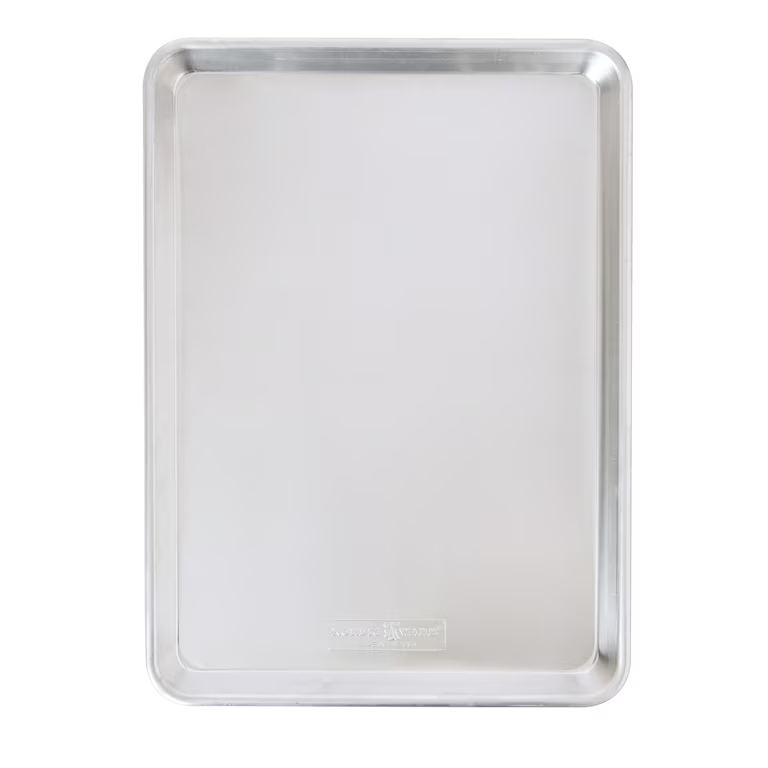
What is a Baking Sheet? A Foundation for Culinary Creativity
At its core, a baking sheet is a flat or shallow pan used for baking and roasting a wide variety of foods in an oven. From delicate cookies to savory sheet pan dinners, these versatile tools are a staple in every kitchen. Traditional baking sheets come in various materials like aluminum or stainless steel, each with its own merits. However, the robust nature and unique properties of cast iron baking sheets set them apart, promising a distinctive baking experience.
Why Choose a Cast Iron Baking Sheet? Unrivaled Performance and Durability
The appeal of a cast iron baking sheet lies in its exceptional characteristics, making it a favorite for both novice bakers and seasoned pros. This isn’t just another pan; it’s a commitment to consistent, high-quality results.
Exceptional Heat Retention and Distribution
One of cast iron’s most celebrated qualities is its ability to absorb, retain, and distribute heat evenly. Unlike thinner metal sheets that can create hot spots, a cast iron baking sheet ensures that every part of your food bakes uniformly. This means perfectly golden-brown cookies with crisp edges and soft centers, or roasted vegetables caramelized to perfection. This superior thermal mass contributes to a stable baking environment, crucial for delicate pastries and hearty loaves alike.
Unmatched Durability and Longevity
A cast iron baking sheet is built to last for generations. It won’t dent, bend, or warp even at extreme oven temperatures, a common frustration with lighter bakeware. This robust construction means your investment continues to pay dividends, performing reliably year after year. As Chef Antoine Dubois, a celebrated pastry chef, often says, “A good cast iron baking sheet is more than just a tool; it’s a legacy in the kitchen, improving with every bake.”
Natural Non-Stick Properties
With proper seasoning, a cast iron baking sheet develops a natural, chemical-free non-stick surface. This isn’t a coating that can chip or wear off; it’s a baked-on layer of polymerized oil that gets better with each use, forming a slick, resilient finish. This means less struggle with stuck-on food and easier cleanup. Plus, many reputable brands offer pre-seasoned options, ready to use right out of the box.
Versatility Beyond Baking
While “baking sheet” is in its name, a cast iron version is far more versatile. Its excellent heat retention makes it ideal for achieving a perfect crust on homemade pizzas, searing steaks before finishing them in the oven, or roasting a medley of vegetables to tender crispness. Some designs even feature slightly raised edges, making them suitable for capturing juices during roasting or containing ingredients for sheet pan meals.
Understanding Different Types of Cast Iron Baking Sheets
While the core material remains the same, cast iron baking sheet products come in various forms to suit different culinary needs.
- Classic Flat Sheets: These are typically rectangular with minimal or no raised edges, perfect for cookies, biscuits, or pastries that require easy sliding off the pan.
- Pans with Raised Edges: Often referred to as “baking pans” rather than “sheets,” these have a slight lip around the perimeter, making them suitable for roasting vegetables, baking pizzas, or anything that might spill over. Lodge, for example, offers a 15.5 x 10.5-inch seasoned cast iron baking pan with dual handles, designed for easy maneuverability.
- Specialty Molds: Beyond flat sheets, cast iron is also molded into specific shapes, like cornbread pans that produce individual wedges or muffin tins.
- Spun Iron Alternatives: It’s worth noting an alternative: spun iron baking sheets. Spun iron is created by spinning discs of iron over molds, resulting in a material that retains many of cast iron’s benefits—like durability and heat retention—but is considerably lighter, often 50% less in weight. This can be a significant advantage for those who find traditional cast iron too heavy.
How to Select Your Perfect Cast Iron Baking Sheet
Choosing the right cast iron baking sheet involves considering a few key factors to match your baking habits and kitchen setup.
- Size and Weight Considerations: Evaluate the available space in your oven and your comfort with handling heavier cookware. While lighter spun iron options exist, traditional cast iron baking sheets can be substantial. For instance, a 15.5 x 10.5-inch Lodge pan weighs around 7.5 lbs.
- Seasoning: Pre-seasoned vs. DIY: Many cast iron baking sheets come pre-seasoned, meaning they’ve been treated with a baked-on layer of oil at the factory, making them ready for immediate use. If you choose an unseasoned pan, you’ll need to perform the initial seasoning yourself, which involves applying thin layers of oil and baking it at high temperatures.
- Handles and Design: Look for practical features like dual handles for easier handling, especially when removing a hot, heavy pan from the oven. Consider if you prefer a perfectly flat surface or one with a slight lip.
- Brand Reputation: Investing in reputable brands known for their quality cast iron ensures you’re getting a well-made product designed to last.
Mastering Your Cast Iron Baking Sheet: Usage Tips for Optimal Results
To truly unlock the potential of your cast iron baking sheet, a few simple practices will ensure perfect results every time.
- Preheating is Key: Always preheat your cast iron baking sheet along with your oven. This allows the pan to reach the desired temperature evenly, preventing soggy bottoms and promoting a beautiful crust. For many recipes, preheating for 15-20 minutes after the oven reaches temperature is ideal.
- Greasing and Lining: Even with a well-seasoned surface, a light coating of oil or a sheet of parchment paper can provide extra insurance against sticking, especially for delicate items like cookies. Avoid using aluminum foil directly on seasoned cast iron, as it can strip the seasoning.
- Temperature Management: Cast iron performs exceptionally well at high temperatures, with some spun iron variants safe up to 572°F. Its ability to retain heat means it can stay hot longer, which can be a boon for foods that benefit from sustained, even heat.
- What to Bake: The versatility is immense. Use it for:
- Crispy cookies: The even heat creates a delightful crunch.
- Perfect pizza: A preheated cast iron sheet mimics a pizza stone, yielding a supremely crispy crust.
- Roasted vegetables: Achieve beautiful caramelization.
- Artisan bread: A cast iron baking pan can contribute to a fantastic oven spring and crust.
Caring for Your Cast Iron Baking Sheet: A Guide to Longevity
Proper care is paramount for maintaining the performance and extending the life of your cast iron baking sheet.
- Initial Seasoning (if not pre-seasoned): If your pan isn’t pre-seasoned, wash it with warm, soapy water, dry thoroughly, apply a thin layer of cooking oil (like vegetable oil or flaxseed oil), and bake it upside down in a hot oven (around 375-400°F) for an hour. Let it cool in the oven. Repeat this process a few times for a robust seasoning.
- Cleaning After Use: Hand wash your cast iron baking sheet with warm water immediately after use. Avoid harsh soaps, as they can strip the seasoning. For stubborn bits, use a stiff brush or a pan scraper. For really stuck-on food, a paste of coarse salt and water can work wonders as an abrasive.
- Drying Thoroughly: This is crucial. After washing, dry your cast iron pan completely with a towel. You can even place it back on a low burner or in a warm oven for a few minutes to ensure all moisture is evaporated.
- Re-seasoning and Maintenance: After drying, apply a very thin layer of cooking oil to the entire surface, inside and out. Buff it lightly to remove any excess. This re-seasons the pan and protects it from rust. If your seasoning looks dull or food starts to stick, repeat the oven seasoning process.
- Avoiding Rust: Rust is cast iron’s arch-nemesis. Always dry thoroughly and apply a thin layer of oil after each wash. If rust appears, scrub it off with steel wool, wash, dry, and re-season immediately.
Common Baking Sheet Blunders and How to Fix Them
Even with the best tools, missteps can happen. Here’s how to troubleshoot common issues with your baking sheet, especially when using a cast iron one.
- Uneven Baking: If your cookies are darker on one side, your oven might have hot spots. Rotate your cast iron baking sheet halfway through baking for more even results. Preheating the cast iron adequately will also minimize temperature fluctuations.
- Food Sticking: This is often a sign of insufficient seasoning or improper greasing. Ensure your cast iron baking sheet is well-seasoned and consider a thin layer of butter or oil, or parchment paper, especially for sticky doughs.
- Rust Development: As mentioned, this happens when moisture isn’t fully removed. Always dry and oil your pan after washing. Rust can be removed and the pan re-seasoned.
- Warping: While virtually unheard of with a sturdy cast iron baking sheet, lighter metal sheets can warp from sudden temperature changes. Cast iron’s thermal mass makes it highly resistant to this.
Culinary Adventures with Your Cast Iron Baking Sheet: Recipe Inspiration
Your cast iron baking sheet is a canvas for countless delicious creations. Here are a few ideas to get you started:
- Crispy-Crusted Pizza: Place your cast iron sheet in the oven while preheating to its highest temperature. Slide your prepared pizza onto the screaming-hot surface for a restaurant-quality crispy crust.
- Perfect Chocolate Chip Cookies: Bake your favorite cookie dough directly on a lightly greased or parchment-lined cast iron sheet. The even heat ensures a perfect bake from edge to center.
- Roasted Root Vegetables: Toss chopped potatoes, carrots, parsnips, and onions with olive oil and herbs. Spread them in a single layer on your preheated cast iron sheet and roast until tender and caramelized.
- Artisan Bread: For certain rustic loaves, a cast iron baking pan can help achieve an incredible crust and oven spring. Many bread bakers use them to trap steam, crucial for a good crust.
Frequently Asked Questions (FAQ)
- Are cast iron baking sheets really non-stick?
Yes, with proper and consistent seasoning, a cast iron baking sheet develops a natural, chemical-free non-stick surface. This seasoning improves with use and care. - How do I clean a rusty cast iron baking sheet?
To clean rust, scrub the affected areas with steel wool or a stiff brush until the rust is gone. Wash with warm water, dry thoroughly, and then re-season the entire pan immediately to protect it. - Can I use soap on my cast iron baking sheet?
Modern mild dish soap is generally acceptable for cleaning cast iron, especially if followed by thorough drying and re-oiling. However, avoid harsh detergents or dishwashers, as they can strip the pan’s seasoning. - What’s the difference between cast iron and spun iron baking sheets?
Cast iron baking sheets are heavier and known for their extreme durability and heat retention. Spun iron baking sheets, while offering similar heat properties and durability, are significantly lighter (often 50% less) because of their manufacturing process. - Is cast iron safe for high oven temperatures?
Absolutely. Cast iron bakeware is highly heat-resistant and won’t dent, bend, or warp at high temperatures, making it safe for almost any oven temperature used in home baking.
Conclusion
The cast iron baking sheet is more than just a piece of bakeware; it’s an investment in quality, durability, and a superior baking experience. Its exceptional heat retention, natural non-stick properties, and robust construction make it an indispensable tool for everything from crispy cookies to perfectly roasted dinners. By understanding its unique qualities and committing to a simple care routine, your cast iron baking sheet will not only stand the test of time but will also continuously enhance your culinary creations. Embrace the enduring charm of cast iron, and you’ll find yourself reaching for this reliable workhorse again and again, transforming everyday baking into extraordinary moments.