The gleaming allure of a Copper Baking Sheet can be undeniably captivating. It promises professional-grade results, superior heat distribution, and a touch of elegance to any kitchen. But in a market flooded with claims, understanding what a “copper baking sheet” truly entails and its real benefits is crucial for any home baker looking to elevate their craft. Let’s delve into the shiny world of copper bakeware, separating the marketing sizzle from the actual steak (or, in this case, cookie!).
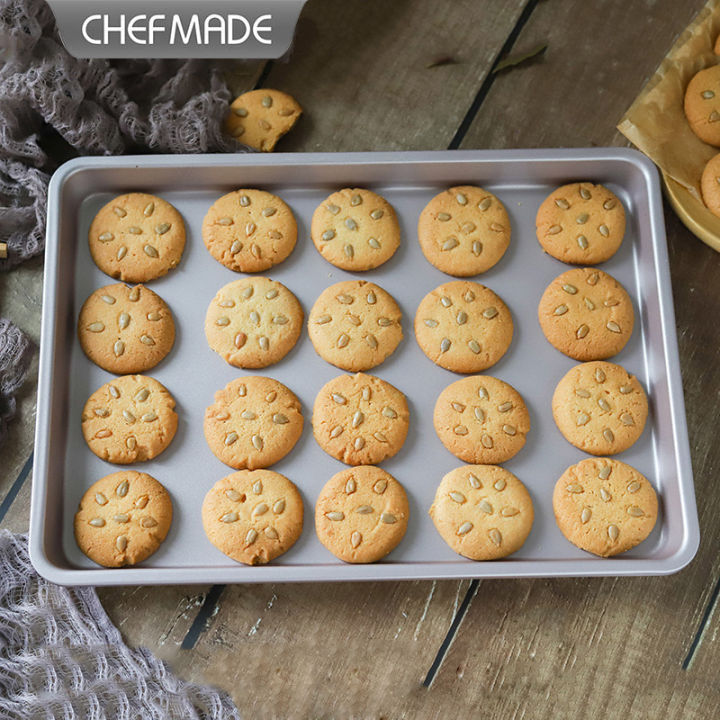
What Exactly is a “Copper” Baking Sheet?
When you see a copper baking sheet, it’s natural to assume it’s made entirely of copper. However, this is rarely the case, especially for sheets readily available to the average consumer. The term “copper baking sheet” often encompasses a few different categories, each with distinct properties and performance.
Solid Copper: The Rare Culinary Jewel
True solid copper baking sheets are exceptionally rare and typically found in professional settings or specialty stores. They are incredibly expensive due to copper’s high cost and the specialized manufacturing process. Pure copper offers unparalleled thermal conductivity, heating up and cooling down rapidly and evenly. However, it’s also highly reactive with acidic foods and can require meticulous care. For most everyday baking, solid copper sheets are an impractical and unnecessary investment.
Copper-Plated or Copper-Coated: A Thin Layer of Shine
More commonly, you’ll encounter baking sheets that have a thin layer of copper electroplated or bonded onto a base metal, usually aluminum or stainless steel. This type of copper baking sheet aims to combine some of copper’s heat distribution benefits with the structural integrity and lower cost of other metals. The effectiveness of the copper layer largely depends on its thickness and the quality of the bonding. While it might offer better heat transfer than plain aluminum or steel, it won’t match solid copper.
Copper-Toned/Ceramic Non-Stick: The Most Common Contender
By far the most prevalent “copper baking sheets” on the market are those made from aluminum or steel with a non-stick coating that is colored to resemble copper. These coatings are often ceramic-reinforced and marketed as “copper-infused” or “copper ceramic.” The primary benefit here is the non-stick property of the coating, not the thermal properties of copper itself. While these sheets are often PFOA and PTFE-free, providing a safer non-stick option, their “copper” aspect is largely aesthetic and marketing-driven. The base metal dictates the sheet’s heat conductivity, not the superficial copper color.
Understanding this distinction is vital. The material beneath the color is what truly determines your baking sheet’s performance, durability, and how you need to care for it.
The Allure of Copper: Perceived vs. Real Benefits
The visual appeal of a copper baking sheet is undeniable, bringing a rustic charm and modern elegance to the kitchen. But beyond aesthetics, what actual benefits does a copper baking sheet offer?
Heat Conductivity: The Copper Legend
Copper is celebrated for its incredible heat conductivity, second only to silver. This means it heats up quickly and distributes heat very evenly across its surface. In theory, this leads to perfectly golden-brown baked goods with no hot spots. However, this superior conductivity is most pronounced in solid copper. For copper-plated or, more commonly, copper-toned sheets, the heat distribution is largely dictated by the underlying aluminum or steel. While these might still perform well, they won’t magically transform into solid copper ovens.
Even Baking: Does it Deliver?
A quality copper baking sheet (especially one with a good copper plating or a substantial aluminum core under a copper-colored coating) can certainly contribute to more even baking. The goal is to avoid scorched edges and undercooked centers. Many users report excellent results with cookies, pastries, and roasted vegetables, noting consistent browning. Yet, this can often be achieved with high-quality aluminum sheets as well.
Non-Stick Claims: Coating is King
The “non-stick” property often associated with a copper baking sheet comes from its coating, not from the copper itself. Pure copper is not inherently non-stick. The ceramic-reinforced non-stick layers common on copper-toned sheets are designed to release food easily, making cleanup a breeze. However, like all non-stick coatings, their durability is finite and requires careful handling to prevent scratching and flaking.
Aesthetics: A Clear Winner
There’s no debate about the visual appeal. A copper baking sheet adds a professional and stylish touch to any kitchen, making baking not just a task but an experience. For those who appreciate kitchen aesthetics, this is a definite plus.
Choosing Your Copper Baking Sheet Wisely
Navigating the market for a copper baking sheet can feel like a treasure hunt. Here’s how to ensure you’re making an informed choice that suits your baking needs and budget:
- Material Composition Check: Always read the product description carefully. Is it solid copper (unlikely for most baking sheets), copper-plated, or copper-colored aluminum/steel? Knowing the core material will set your expectations for performance and care.
- Non-Stick Coating Quality: If it’s a copper-toned non-stick sheet, look for durable, PFOA/PTFE-free ceramic coatings. Research reviews on how long the non-stick properties last with regular use. A good quality coating is crucial for ease of use and longevity.
- Size and Gauge: Baking sheets come in various sizes (half-sheet, quarter-sheet, jelly roll). Choose one that fits your oven and baking volume. The gauge (thickness) of the metal also matters; thicker sheets (lower gauge number) are less prone to warping and offer more even heat distribution.
- Budget vs. Value: Copper-toned sheets are generally affordable, while copper-plated options can be a bit pricier. Solid copper is a significant investment. Consider how often you bake and what level of performance you truly need before spending more.
Mastering Your Copper Baking Sheet: Tips for Optimal Results
Once you’ve chosen your copper baking sheet, a few simple practices can help you get the best performance and prolong its life.
Preheating: The Foundation of Even Baking
Always allow your oven and your copper baking sheet to preheat fully. Copper heats up fast, so a well-preheated sheet ensures that whatever you place on it immediately begins to cook evenly from the bottom, preventing soggy centers or pale bottoms.
Using Parchment Paper or Silicone Mats: Your Coating’s Best Friend
Even if your copper baking sheet boasts a non-stick coating, using parchment paper or a silicone baking mat is a smart move. It further protects the coating from wear and tear, makes cleanup even easier, and provides an additional layer of non-stick security, especially for delicate items.
Temperature Management: Adjust and Observe
Copper’s excellent heat transfer means you might need to slightly adjust your usual baking times or temperatures. Foods can cook a bit faster or brown more intensely. Keep a close eye on your baked goods, especially during the first few uses, and make small adjustments as needed.
Avoiding Metal Utensils: Preserve the Surface
Never use metal spatulas, knives, or other sharp metal utensils directly on a non-stick copper baking sheet. This is the quickest way to scratch and damage the coating, compromising its non-stick properties and potentially releasing microscopic particles into your food. Opt for silicone, wood, or plastic utensils.
Caring for Your Copper Baking Sheet: Longevity & Luster
Proper care is paramount for maintaining the performance and appearance of your copper baking sheet.
Hand Washing is Key: Gentle Cleaning for Longevity
For non-stick copper-toned sheets, hand washing with warm, soapy water and a soft sponge is always recommended. Harsh dishwashers can degrade non-stick coatings over time and may dull the copper finish. For solid copper or copper-plated sheets, specialized copper cleaners might be needed to maintain their shine.
Avoiding Abrasives: Scratches Are the Enemy
Steer clear of abrasive scrubbers, steel wool, or harsh chemical cleaners, especially on non-stick surfaces. These can scratch the coating or finish, leading to food sticking and an unsightly appearance.
Drying Immediately: Preventing Water Spots
After washing, dry your copper baking sheet thoroughly with a soft cloth. This prevents water spots, which can be particularly noticeable on metallic finishes, and helps to prevent any potential corrosion on copper or metal bases.
Storing Properly: Protect the Surface
Store your copper baking sheet carefully. If stacking with other bakeware, place a layer of paper towel, a cloth, or even a silicone mat between sheets to prevent scratches and dings to the surface.
Common Pitfalls and How to Avoid Them
Even with the best intentions, things can go awry. Here are some common issues with copper baking sheets and how to tackle them:
- Scratched Coatings: This usually happens from using metal utensils or abrasive cleaning. Prevent it by sticking to silicone or wooden tools and gentle sponges. If a coating is badly scratched, it might be time to replace the sheet.
- Uneven Baking: While copper boasts even heating, if your food isn’t baking uniformly, double-check your oven’s calibration. Uneven oven temperatures can override any sheet’s heat distribution. Also, avoid overcrowding the pan.
- Discoloration: Copper-toned finishes can sometimes darken or show minor stains over time, especially with high heat. This is often normal wear and tear. For solid copper, tarnishing is natural and can be polished away.
- Warping: Thinner copper-toned sheets made of aluminum can sometimes warp when exposed to sudden, extreme temperature changes (e.g., placing a cold sheet in a very hot oven). Look for heavier gauge sheets to minimize this risk.
Beyond the Basics: Creative Baking with Your Copper Sheet
A copper baking sheet is a versatile tool that can elevate a wide array of dishes beyond just cookies.
- Cookie Perfection: The even heat distribution (from a good quality sheet) helps achieve consistently golden-brown edges and perfectly baked centers, making your cookies irresistible.
- Roasting Vegetables: Achieve beautifully caramelized, crispy edges on roasted vegetables like broccoli, brussels sprouts, or root vegetables. The efficient heat transfer ensures quick and even cooking.
- Sheet Pan Dinners: Embrace the simplicity and deliciousness of sheet pan dinners. Proteins and vegetables can cook together on one sheet, benefiting from the even heat for uniform doneness.
Expert Insight: “The Real Deal on Copper”
“Many ‘copper baking sheets’ offer stunning aesthetics and decent non-stick performance, but for true, unparalleled heat distribution, you need solid copper – a much rarer find for home bakeware,” advises Chef Lena Thorne, a renowned pastry chef and culinary educator. “Understand what you’re buying; the copper color doesn’t always equal copper’s full thermal power. Always prioritize the underlying material and coating quality for everyday use.”
Frequently Asked Questions
Are copper baking sheets truly made of copper?
Most “copper baking sheets” on the market are not solid copper. They are typically aluminum or steel with a copper-colored non-stick ceramic coating. True solid copper sheets are rare and expensive.
Are copper baking sheets safe to use for baking?
Yes, most commercially available copper-toned baking sheets with non-stick coatings are designed to be safe for food contact. They are often PFOA and PTFE-free. Always check manufacturer specifications.
Can copper baking sheets go in the dishwasher?
It is generally recommended to hand wash copper baking sheets with non-stick coatings to preserve the coating’s integrity and extend its lifespan. Dishwashers can be too harsh.
Do copper baking sheets warp easily?
Thinner gauge copper-toned sheets, especially those made primarily of aluminum, can be prone to warping with sudden temperature changes. Thicker, heavier gauge sheets are more resistant to warping.
What’s the best way to clean a non-stick copper baking sheet?
Hand wash with warm, soapy water and a soft sponge. Avoid abrasive scrubbers or harsh detergents to protect the non-stick coating. Dry immediately.
Conclusion
The copper baking sheet, whether a solid marvel or a beautifully coated workhorse, can be a fantastic addition to your kitchen. By understanding the nuances of its composition, its true benefits, and how to properly care for it, you empower yourself to make intelligent choices. Embrace the elegant efficiency a copper baking sheet can offer, experiment with new recipes, and revel in the joy of consistently delicious results. Happy baking!