Every baker, from the novice to the seasoned pro, knows the joy of a perfectly baked batch of cookies, a golden-brown focaccia, or evenly roasted vegetables. At the heart of these culinary triumphs often lies a humble yet mighty tool: the Flat Baking Sheet. More than just a piece of metal, a quality flat baking sheet is a fundamental kitchen workhorse, designed to deliver consistent, delicious results and make your baking adventres smoother and more enjoyable. It’s about empowering your passion, turning everyday ingredients into extraordinary treats, and truly mastering the art of the oven.
What Exactly is a Flat Baking Sheet?
When we talk about a flat baking sheet, we’re typically referring to a rectangular metal pan with either no raised edges or very low, often rolled, sides on two or three sides, leaving one side completely flat. This design is what sets it apart from a “rimmed baking sheet” or “jelly roll pan,” which features a continuous lip around all four sides. The primary advantage of a flat baking sheet’s design is its ease of use for items that need to slide off effortlessly, such as delicate cookies, pastries, or even a perfectly risen artisan bread. This practical feature prevents damage and simplifies transfer to cooling racks, streamlining your baking process. Historically, baking trays have evolved from simple sheet iron to the advanced materials we see today, always aiming for optimal heat distribution and durability.
Popular Types of Flat Baking Sheets
The material of your flat baking sheet significantly impacts its performance, durability, and how you care for it. Understanding these differences is key to choosing the right tool for your specific baking needs.
Aluminum Baking Sheets
Uncoated aluminum is a perennial favorite in many kitchens and professional bakeries for good reason. It’s an excellent heat conductor, meaning it heats up quickly and cools down rapidly, giving you greater control over your bake. Its light color also helps prevent over-browning, leading to more evenly cooked goods. The downside is that bare aluminum can be prone to corrosion from harsh chemicals, making hand-washing typically the best option.
Aluminized Steel
Often touted as a best-of-both-worlds solution, aluminized steel combines the robust strength of steel with the conductive and reflective properties of aluminum. These sheets tend to be more durable and less prone to warping than pure aluminum. The aluminum-silicon alloy coating also offers better corrosion resistance.
Stainless Steel
While incredibly durable and resistant to rust and corrosion, stainless steel is generally not the top choice for flat baking sheets. It’s a poorer heat conductor compared to aluminum, which can lead to uneven heating and potentially inconsistent baking results. If you opt for stainless steel, look for heavy-gauge options, and be prepared for potentially longer preheating times.
Non-stick Coatings
Many flat baking sheets feature a non-stick coating, often ceramic or PTFE-based. These coatings simplify food release and cleanup. However, non-stick surfaces can wear down over time, especially with harsh scrubbing or metal utensils. They also tend to be darker, which can accelerate browning, so you might need to adjust your baking times.
Insulated Baking Sheets
These innovative flat baking sheets feature two layers of metal with an air pocket in between. This air insulation diffuses heat, protecting delicate items like thin cookies from burning on the bottom. While excellent for preventing scorched bases, they can extend baking times and may not achieve the crisp bottom desired for some recipes.
Choosing the Perfect Flat Baking Sheet for Your Kitchen
Selecting the right flat baking sheet involves more than just picking the prettiest one. It’s about matching its features to your baking habits and oven size.
Size Matters
For most home bakers, a “half-sheet” pan (approximately 18 x 13 inches) is the most versatile and recommended size. It fits comfortably in standard home ovens and is large enough for a decent batch of cookies or a family-sized sheet pan meal. Smaller “quarter-sheet” pans (around 9 x 13 inches) are great for small batches, toaster ovens, or for organizing ingredients. While commercial “full-sheet” pans are larger, they are usually too big for residential ovens.
Material and Color
As discussed, aluminum or aluminized steel are often the best choices for their heat conductivity and durability. When it comes to color, lighter-colored sheets reflect heat, resulting in a more gradual and even bake, ideal for delicate items like cookies and pastries that need consistent browning. Darker sheets absorb more heat, leading to faster and often crispier browning, which can be great for roasting vegetables but may cause cookies to brown too quickly on the bottom.
Non-stick vs. Uncoated
This is largely a matter of personal preference. Uncoated pans are more durable in the long run and can handle higher temperatures, but they require parchment paper or silicone mats for easy release. Non-stick pans offer convenience, but their coatings can degrade and often have lower temperature limits. If you prefer non-stick, invest in high-quality options and use appropriate utensils to extend their lifespan.
Thickness (Gauge)
Thicker flat baking sheets (lower gauge numbers, typically 10-12 gauge for professional quality) are less prone to warping at high temperatures and offer more even heat distribution. A thinner pan might be cheaper initially, but it’s more likely to warp, creating hot spots and unevenly baked goods. Look for pans with rolled rims as these also contribute to structural rigidity.
Unlocking Optimal Baking Results with Your Flat Baking Sheet
Even the best flat baking sheet needs a little help to perform at its peak. Here are some pro tips to ensure perfect results every time:
- Preheat Your Pan: For roasting vegetables or crisping up pizza, preheating your flat baking sheet in the oven for about 15 minutes before adding food can make a significant difference in achieving a golden-brown finish.
- Don’t Overcrowd: This is a golden rule! Leave ample space between items on your flat baking sheet. Overcrowding traps steam, leading to soggy results instead of crispness. If necessary, use two pans or bake in batches.
- Embrace Liners: Parchment paper or silicone baking mats are your best friends. They prevent sticking, make cleanup a breeze, and contribute to more even baking by creating a buffer between your food and the hot metal. For non-stick flat baking sheets, they also help protect the coating.
- Cool Down Between Batches: If you’re baking multiple batches of cookies, always allow your flat baking sheet to cool completely before placing new dough on it. Placing dough on a hot pan will cause it to spread too quickly, leading to flat, thin cookies.
- Optimal Oven Placement: For most items, baking on the middle rack provides the most even heat circulation. If using multiple flat baking sheets, avoid placing them directly above each other, as this can impede airflow and lead to uneven cooking. Rotate them halfway through baking for uniform results.
Essential Care: Cleaning and Maintaining Your Flat Baking Sheet
Proper care ensures your flat baking sheet remains a reliable companion in your kitchen for years.
General Cleaning
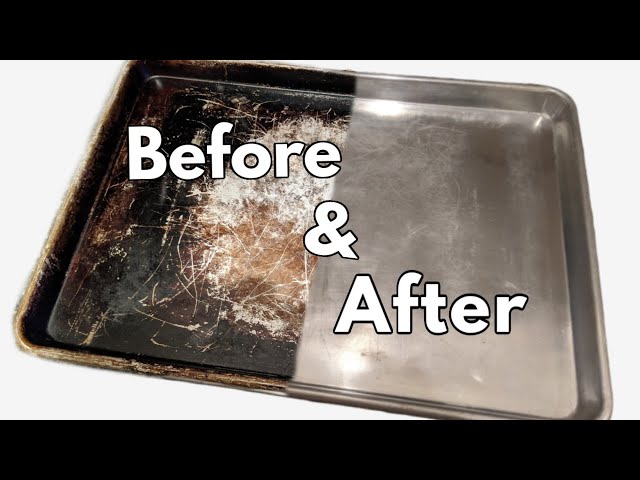
For everyday cleaning, warm soapy water and a soft sponge or cloth are usually sufficient. For stubborn baked-on grime, soak the pan in warm, soapy water for an hour or two to loosen residue.
Tackle Tough Stains
- Baking Soda & Vinegar: Sprinkle baking soda generously over the stained area, then pour white vinegar over it. Let the mixture fizz and sit for 30 minutes to overnight. Scrub with a non-abrasive sponge. This method is effective for aluminum and aluminized steel but should be used cautiously on non-stick surfaces.
- Baking Soda & Hydrogen Peroxide: For heavy-duty cleaning on uncoated metal flat baking sheets, mix baking soda with hydrogen peroxide to form a paste. Apply it, let it sit for a few hours, then scrub and rinse thoroughly. (Note: Hydrogen peroxide can bleach, so test on an inconspicuous area, and ensure thorough rinsing).
- Aluminum Foil (for uncoated pans): Crumple a piece of aluminum foil into a ball, add dish soap to the pan, and use the foil ball to scrub away tough, baked-on messes. Never use this on non-stick surfaces.
Preventing Damage
- Avoid Metal Utensils: Always use silicone, wooden, or plastic utensils, especially on non-stick flat baking sheets, to prevent scratches and damage to the surface.
- Hand-Wash Aluminum: Dishwasher detergents can be too harsh for bare aluminum, causing discoloration and dullness. Hand-washing is always recommended to maintain its finish and longevity.
- Dry Completely: After washing, thoroughly dry your flat baking sheet to prevent water spots and rust, especially for stainless steel or aluminized steel.
Common Pitfalls and How to Avoid Them
Even experienced bakers can fall victim to common baking sheet blunders.
“One of the biggest mistakes I see home bakers make is not understanding the impact of their flat baking sheet’s material on their final product,” shares Chef Isabella Rossi, a renowned pastry expert. “A light-colored, uncoated aluminum sheet is my go-to for delicate cookies, while a darker, thicker one works wonders for crispy roasted vegetables. Matching the tool to the task makes all the difference.”
Warping
The dreaded “pop” sound from your oven often signals a warping flat baking sheet. This usually happens due to rapid temperature changes (e.g., placing a cold pan into a hot oven or running a hot pan under cold water). To minimize warping, allow your pan to warm up gradually with the oven and cool down before washing. Investing in a thicker, heavier gauge sheet also helps.
Uneven Baking
This can stem from overcrowding the pan, using a thin or warped sheet, or uneven oven temperature. Ensure proper spacing, use quality pans, and consider rotating your flat baking sheet halfway through cooking if you notice uneven browning.
Sticking Food
While non-stick coatings help, they aren’t foolproof. Always use parchment paper or silicone mats, especially for sticky doughs or sugary glazes. Even on uncoated pans, a good liner is invaluable.
Beyond Cookies: Versatile Uses for Your Flat Baking Sheet
The flat baking sheet is a true multi-tasker, extending far beyond its traditional role in baking cookies.
- Roasting Vegetables: Arrange chopped vegetables in a single layer, toss with oil and seasonings, and roast for perfectly caramelized results. The open design allows for excellent air circulation.
- Sheet Pan Dinners: Combine protein (chicken, fish, tofu) with vegetables on a single flat baking sheet for a convenient, nutritious, and easy-cleanup meal. It’s a lifesaver on busy weeknights.
- Focaccia and Sheet Cakes: Its flat surface is ideal for baking thin layers of cake (perfect for jelly rolls!) or a rustic focaccia with a beautifully crispy bottom.
- Freezing Ingredients: Spread berries, chopped vegetables, or cookie dough balls in a single layer on a flat baking sheet before freezing. Once solid, transfer to freezer bags for easy, clump-free storage.
- Prepping and Organizing: Use it as a large tray to hold all your mise en place (prepared ingredients) for a recipe, keeping your counter organized and clean.
- Cooling Rack Base: Place a wire cooling rack directly on your flat baking sheet to catch drips from glazed items or excess fat from roasted meats, making cleanup much simpler.
Frequently Asked Questions About Flat Baking Sheets
Q: What is the difference between a flat baking sheet and a rimmed baking sheet?
A: A flat baking sheet typically has no or very low edges on most sides, allowing food to slide off easily, ideal for cookies. A rimmed baking sheet (also called a sheet pan or jelly roll pan) has a continuous raised edge around all four sides, making it suitable for roasting meats, vegetables, or anything with liquids.
Q: Can I use a dark-colored flat baking sheet for delicate cookies?
A: Yes, but you may need to adjust your baking time and oven temperature or use parchment paper/silicone mats to prevent the bottoms from browning too quickly, as dark pans absorb more heat.
Q: How can I prevent my flat baking sheet from warping?
A: To minimize warping, choose a heavy-gauge pan, allow it to preheat gradually with your oven, and let it cool completely before washing. Avoid extreme temperature changes.
Q: Is it necessary to use parchment paper or silicone mats?
A: While not always strictly “necessary,” they are highly recommended. They prevent sticking, make cleanup much easier, promote more even baking, and protect your pan’s surface, especially non-stick coatings.
Q: Can I put my aluminum flat baking sheet in the dishwasher?
A: It is generally not recommended. Dishwasher detergents can cause bare aluminum to oxidize, leading to discoloration and dullness. Hand-washing with warm soapy water is best for aluminum pans.
Q: What’s the best material for a flat baking sheet?
A: Uncoated aluminum or aluminized steel are widely considered the best materials due to their excellent heat conductivity, durability, and resistance to warping.
Q: How often should I replace my flat baking sheet?
A: With proper care, a good quality flat baking sheet can last for many years. You should consider replacing it if it becomes severely warped, if the non-stick coating is heavily scratched or peeling, or if it has deep pits and corrosion that are hard to clean.
The Perfect Partner for Every Culinary Creation
The flat baking sheet truly is an indispensable tool, a silent partner in countless kitchen endeavors. From the simplest cookie to the most ambitious sheet pan dinner, its impact on the final result is undeniable. By understanding the different types, making informed choices about materials and sizes, and adopting best practices for use and care, you not only extend the life of your essential bakeware but also unlock a new level of confidence and creativity in your cooking. So go ahead, dust off your flat baking sheet, try a new recipe, and share the joy of perfectly baked creations with those you love. Your culinary journey awaits!