Every passionate home cook and baker knows the secret weapon that elevates everyday meals and ambitious baking projects: the Large Baking Sheet. This versatile kitchen essential is far more than just a flat piece of metal; it’s a canvas for culinary creativity, enabling you to roast, bake, and create with unmatched efficiency. In a bustling home kitchen, a well-chosen large baking sheet can be the difference between a cramped, unevenly cooked meal and a perfectly golden feast.
When we talk about a “large baking sheet” for home use, we’re typically referring to the workhorse of the residential kitchen: the half-sheet pan, usually measuring around 18×13 inches. While professional kitchens might boast colossal full-sheet pans (26×18 inches), these giants are often too big for standard home ovens. Some larger home ovens can comfortably fit a two-thirds sheet pan (approximately 21×15 inches), offering even more surface area. Understanding these dimensions is the first step to unlocking the true potential of your oven and expanding your culinary repertoire.
What Exactly is a Large Baking Sheet?
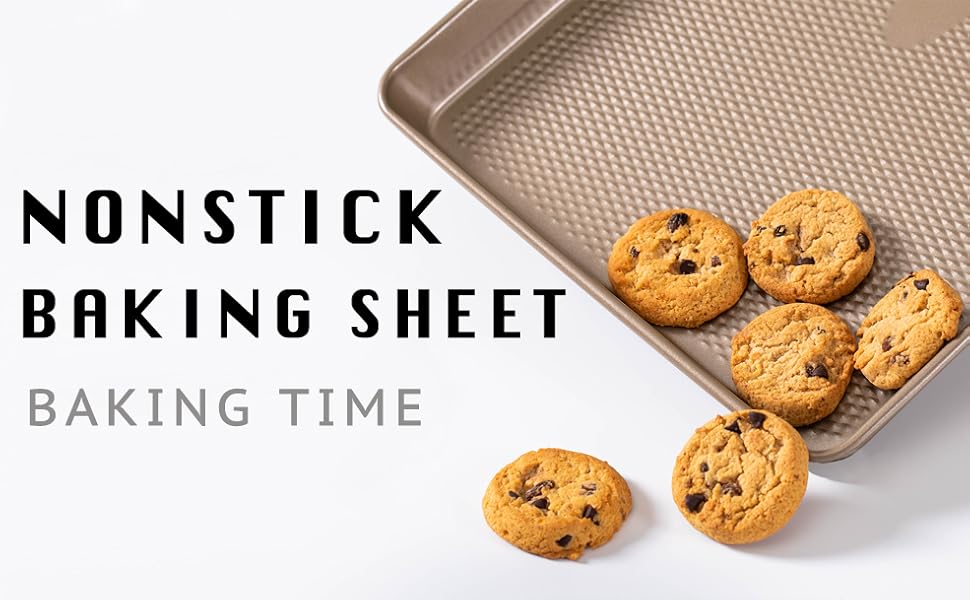
At its core, a baking sheet, often called a sheet pan, is a flat, rectangular metal pan with raised edges or rims on all four sides, typically about one inch high. These rims are crucial, as they prevent food and liquids from spilling into your oven, making them ideal for roasting vegetables, baking sheet pan dinners, or preparing large batches of cookies. This distinguishes them from traditional “cookie sheets,” which often have only one or two raised edges, designed primarily for sliding cookies off easily.
The term “large baking sheet” for a home setting usually points to the half-sheet size (18×13 inches) because it strikes the perfect balance between ample cooking space and compatibility with most standard residential ovens. For those with bigger ovens, the two-thirds sheet pan offers even more real estate. Regardless of the exact size, the fundamental purpose remains: to provide a generous, flat surface that maximizes heat distribution and allows food to cook evenly without overcrowding.
The Unbeatable Benefits of a Large Baking Sheet
Once you bring a quality large baking sheet into your kitchen, you’ll wonder how you ever managed without it. Its advantages extend far beyond just holding food.
Maximize Oven Space
This is perhaps the most immediate and appreciated benefit. A large baking sheet allows you to cook significantly more food at once. Imagine roasting an entire chicken alongside a medley of vegetables, or preparing a week’s worth of meal prep ingredients in a single go. This efficiency is a game-changer for busy households and those who love to entertain. You can fit multiple components of a meal on one pan, consolidating cooking tasks and freeing up other oven racks for different dishes.
Even Cooking & Browning
Crowding food on a smaller pan is a common culinary pitfall. When ingredients are packed too closely, they release moisture, leading to steaming instead of the desired browning and crisping. A large baking sheet provides ample space, allowing air to circulate freely around each item. This ensures everything from roasted potatoes to delicate cookies achieves that coveted golden-brown finish and consistent texture. No more sad, soggy vegetables!
Versatility Beyond Expectations
Don’t let the name “baking sheet” limit your imagination. While exceptional for cookies, this pan is a true kitchen chameleon. It’s perfect for sheet pan dinners – a full meal cooked on a single pan – from savory chicken and veggies to fish and asparagus. It also excels at roasting various meats, baking pastries, making homemade granola, or even serving as a convenient tray for prep work. The possibilities are virtually endless.
Time-Saving Power
By enabling you to cook larger quantities and multiple items simultaneously, a large baking sheet dramatically cuts down on overall cooking time. Instead of baking cookies in several small batches, you can often do it in one or two, leaving you more time to enjoy your culinary creations or simply relax. This efficiency makes weeknight dinners and weekend meal prep far less daunting.
Choosing Your Perfect Large Baking Sheet: Materials, Coatings, and Dimensions
Selecting the right large baking sheet involves understanding the key characteristics that impact performance and longevity.
Material Matters: Finding the Right Core
The material of your baking sheet plays a pivotal role in how it performs.
- Aluminum: This is the industry standard for a reason. Aluminum is an excellent heat conductor, meaning it heats up quickly and cools down efficiently, preventing overcooking once removed from the oven. It’s also typically more affordable. However, bare aluminum can be prone to corrosion from harsh chemicals, making hand-washing highly recommended.
- Aluminized Steel: This material combines the best of both worlds: a sturdy steel core coated with an aluminum-silicon alloy. It offers superior durability, resists rust and corrosion better than bare aluminum, and provides good heat distribution. While it might heat a little less evenly than pure aluminum, its robustness makes it a popular choice for heavy-duty use.
- Ceramic Coated: Increasingly popular, ceramic-coated baking sheets boast non-toxic, non-stick surfaces, free from chemicals like PTFE, PFOA, and PFAS. They offer effortless food release and easy cleanup. However, ceramic coatings might not withstand extremely high temperatures as well as uncoated pans and generally have a shorter lifespan if not cared for properly.
- Stainless Steel: While durable and rust-resistant, stainless steel is a relatively poor heat conductor. This means it can heat unevenly, leading to hot spots and inconsistent baking results. For this reason, it’s generally not the top recommendation for baking sheets where even heat is paramount.
When making your choice, always look for heavy-gauge metal. Thinner pans are more susceptible to warping when exposed to high heat, leading to uneven cooking and potential spills. Heavy-gauge aluminum or aluminized steel provides the stability needed for consistent performance.
Non-Stick vs. Bare: What’s Your Preference?
The coating on your baking sheet affects both cooking and cleaning.
- Bare Pans: Often preferred by professional chefs, uncoated pans can handle extremely high temperatures, making them ideal for achieving deep browning and crisp crusts. They are incredibly durable and long-lasting.
- Non-Stick Pans: These offer the convenience of easy food release and simpler cleanup. They’re great for delicate items that tend to stick. However, their non-stick coating can be damaged by metal utensils or very high heat, shortening their lifespan.
Many bakers opt for bare metal pans and rely on parchment paper or silicone baking mats to create a non-stick surface. This allows for the high-heat benefits of uncoated metal while still enjoying easy food release and minimal cleanup.
Sizing Up Your Oven: Which Large Baking Sheet Fits?
Before committing to a “large” baking sheet, it’s crucial to measure the interior of your oven.
- Most standard home ovens are designed to comfortably accommodate half-sheet pans (18×13 inches).
- If you have a particularly spacious oven, you might be able to fit a two-thirds sheet pan (around 21×15 inches).
- Full-size commercial sheets (26×18 inches) are almost always too large for residential ovens.
Measuring your oven’s interior ensures you select a pan that fits perfectly, allowing proper air circulation around all sides for optimal cooking.
Expert Tips for Optimal Large Baking Sheet Performance
Even the best large baking sheet can underperform if not used correctly. Here are some pro tips to get the most out of yours:
Prepping Your Pan for Success
- Line It Up: For easy cleanup and to prevent sticking, always line your baking sheet with parchment paper or a silicone baking mat. This is especially vital for bare aluminum pans and extends the life of non-stick coatings.
- Grease & Flour (When Needed): Follow recipe instructions diligently. Some recipes might require a light greasing or flouring in addition to, or instead of, a liner.
Avoiding Common Baking Sheet Blunders
- Never Overcrowd: This is critical. Giving your food enough space on the large baking sheet is key to achieving crispy, caramelized results. Overcrowding leads to steaming, resulting in soft, unappealing textures. If in doubt, use two pans.
- Prevent Warping: Thin-gauge baking sheets are notorious for warping at high temperatures, causing food to pool and cook unevenly. Investing in a heavy-gauge pan is your best defense. Also, avoid placing a very cold pan directly into a scorching hot oven, as sudden temperature changes can contribute to warping.
- Gentle Utensils: If you’re using a non-stick coated baking sheet, always use silicone, wooden, or nylon utensils to avoid scratching and damaging the coating.
Maximizing Heat Distribution
- Preheat Thoroughly: Ensure your oven is fully preheated before placing the baking sheet inside. For some dishes, preheating the empty pan in the oven can help achieve a better sear or crisp texture.
- Rotate Your Pan: Ovens often have hot spots. Rotating your baking sheet halfway through cooking can help ensure all items cook evenly.
Cleaning and Caring for Your Large Baking Sheet
Proper care extends the life of your large baking sheet and keeps it performing at its best.
Daily Clean-up: Keeping it Fresh
- Hand-Wash is Best: For most large baking sheets, especially those made of aluminum or with non-stick coatings, hand-washing with warm, soapy water is the recommended method. Dishwasher detergents can cause aluminum to corrode and discolor, and can degrade non-stick surfaces over time.
- Dry Immediately: After washing, always towel dry your baking sheet thoroughly. This prevents water spots and, for aluminum pans, helps stave off rust.
Tackling Stubborn Stains and Baked-On Grime
Even with the best care, baking sheets can accumulate baked-on grease and stains. Here are some effective cleaning methods:
- Baking Soda & Vinegar: This dynamic duo is excellent for aluminum and aluminized steel pans. Sprinkle a generous layer of baking soda over the stained areas, then spray with white vinegar. A fizzy reaction will occur. Let it sit for 15-30 minutes (or even overnight for tough stains), then scrub with a non-abrasive sponge. Rinse thoroughly.
- Baking Soda & Hydrogen Peroxide: For stubborn grime on aluminized steel pans, mix baking soda with hydrogen peroxide to form a paste. Spread it over the stained areas and let it sit for 2-3 hours. Wipe away the mixture with a paper towel and water, then wash as usual.
- Baking Soda & Dish Soap: For a gentler yet effective approach on various pan types, create a paste with baking soda and a few drops of dish soap. Apply to the stains, let sit for 15-20 minutes, then scrub and rinse.
Avoid harsh scouring pads or metal scrapers, especially on non-stick surfaces, as they can cause irreversible damage.
Creative Culinary Adventures with Your Large Baking Sheet
Your large baking sheet is ready for adventure!
Sheet Pan Dinners: Effortless Meals
These one-pan wonders are perfect for busy weeknights:
- Roasted Chicken & Vegetables: Toss chicken pieces with broccoli, bell peppers, and potatoes, season well, and roast until tender and golden.
- Sausage & Peppers: Slice your favorite sausages and mix with onions and bell peppers for a flavorful, low-fuss meal.
- Fish & Asparagus: Quick-cooking fish fillets alongside crisp asparagus spears, seasoned with lemon and herbs.
Beyond Savory: Sweet Treats and More
Don’t forget its sweet potential:
- Giant Cookies: Bake a whole batch of your favorite cookies without overcrowding.
- Sheet Cakes & Brownies: Perfect for a crowd-pleasing dessert, easily cut into squares.
- Homemade Granola: Spread oats, nuts, and sweeteners evenly for perfectly toasted granola.
- Roasting Nuts: Ideal for preparing toasted nuts for snacks or baking.
The “Bếp Nướng Hoàn Hảo” Approach: Elevating Your Experience
At Bếp Nướng Hoàn Hảo, we believe that the right tools empower your passion. A high-quality large baking sheet isn’t just a piece of equipment; it’s an investment in your culinary journey. It enhances the taste, texture, and presentation of your food, making every dish a masterpiece.
As Chef Eleanor Vance, our culinary expert, often says: “A truly great large baking sheet isn’t just about size; it’s about the consistent performance it delivers, transforming everyday cooking into effortless culinary art. It empowers you to be more efficient, more creative, and ultimately, a more confident cook.”
Frequently Asked Questions (FAQ)
Q: Can I use a full-size baking sheet in a home oven?
A: Generally no, full-size sheets (26×18 inches) are designed for commercial ovens and are usually too large for standard home models. Most home ovens comfortably accommodate half-sheet (18×13 inches) or, in some cases, two-thirds sheet (21×15 inches) pans. Always measure your oven’s interior before purchasing.
Q: What’s the best material for a large baking sheet to prevent warping?
A: Heavy-gauge aluminum or aluminized steel are excellent choices for warp resistance. Their sturdy construction and ability to distribute heat evenly help maintain their shape even under high temperatures. Avoid thin, flimsy pans if warping is a concern.
Q: How do I prevent food from sticking to my large baking sheet?
A: The most effective ways are to line your pan with parchment paper or a silicone baking mat. If using a non-stick pan, ensure its coating is intact and well-maintained, and use a light amount of oil or butter as directed by the recipe.
Q: Is it okay to put my aluminum large baking sheet in the dishwasher?
A: It’s generally not recommended. Dishwasher detergents can cause aluminum to corrode, leading to discoloration, pitting, and even a metallic taste transferring to food. Hand-washing with warm, soapy water and drying immediately is the best way to maintain aluminum pans.
Q: What is the ideal temperature range for using a non-stick large baking sheet?
A: Non-stick pans typically have a lower maximum heat tolerance compared to uncoated pans. Always check the manufacturer’s specific recommendations, but generally, it’s best to avoid extremely high oven temperatures (above 400-450°F) to preserve the non-stick coating and prevent the release of potential chemicals.
Conclusion
The large baking sheet is an indispensable tool for any kitchen, offering a blend of versatility, efficiency, and consistent performance. By understanding the different types, selecting the right material and size for your needs, and committing to proper care, you can unlock a world of culinary possibilities. So go ahead, embrace the space, experiment with new recipes, and let your large baking sheet transform your cooking and baking experience. Your oven, and your taste buds, will thank you!