Stepping into the kitchen, you might often reach for that familiar aluminum baking sheet without a second thought. But what if there’s a world of bakeware beyond aluminum, offering a healthier, often more robust, and incredibly versatile alternative? Welcome to the realm of the non-aluminum baking sheet – a cornerstone for any home baker or chef looking to elevate their culinary creations and enhance their peace of mind. Let’s dive deep into why these alternatives are gaining popularity and how to choose the perfect one for your kitchen adventures.
What Exactly is a Non-Aluminum Baking Sheet?
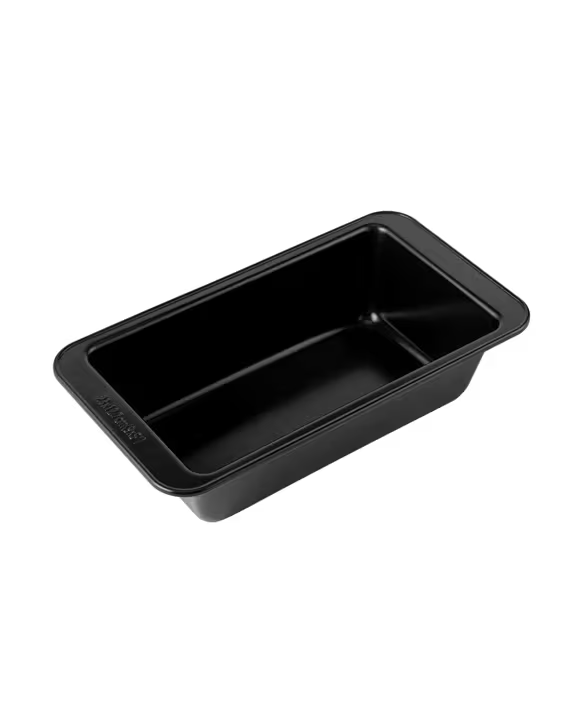
A non-aluminum baking sheet is, quite simply, a baking pan crafted from any material other than aluminum. While aluminum has long been a kitchen staple due to its excellent heat conductivity and affordability, these alternatives emerge from a desire for different cooking properties, greater durability, or a preference for materials perceived as less reactive or more naturally non-stick.
Why Consider Ditching Aluminum? Understanding the Concerns
For many home cooks, the shift away from traditional aluminum bakeware stems from specific concerns, whether related to health, taste, or performance. Aluminum is a reactive metal, meaning it can interact with acidic foods like tomatoes or citrus, potentially leading to a metallic taste in your dish or discoloration of the food. While health organizations generally deem aluminum bakeware safe for everyday use, with minimal leaching under normal conditions, some bakers prefer to avoid it, especially if the pan is scratched or heavily used. Opting for a non-aluminum baking sheet eliminates these concerns entirely, offering a non-reactive surface for all your culinary needs.
Exploring the Popular Types of Non-Aluminum Baking Sheets
The world of non-aluminum bakeware is rich with options, each bringing unique benefits to your baking repertoire. From robust metals to flexible forms, understanding the characteristics of each material will help you make an informed choice.
Stainless Steel Baking Sheets
Stainless steel baking sheets are a favorite for their durability, rust resistance, and non-reactive surface. They can withstand high temperatures and are typically dishwasher safe, making cleanup a breeze. While stainless steel itself might not be the most efficient heat conductor, many high-quality options feature a multi-ply construction, often with an aluminum core sandwiched between layers of stainless steel, to ensure even heat distribution. This design allows you to enjoy the benefits of stainless steel without compromising on baking consistency.
Silicone Baking Mats and Sheets
Silicone has revolutionized the non-stick game. These flexible, heat-resistant mats and pans are a dream for delicate baked goods, offering an unparalleled non-stick surface that often requires no greasing. Cakes, cookies, and pastries pop out effortlessly. They are also incredibly easy to clean and store. However, silicone doesn’t conduct heat in the same way metal does, which can sometimes lead to different baking times or less browning on the bottom of your food. Always ensure you’re using 100% food-grade silicone to avoid potential fillers.
Ceramic and Glass Baking Dishes
When it comes to non-reactive materials, ceramic and glass stand out. Glass baking dishes, often transparent, allow you to monitor your food as it bakes, and they retain heat exceptionally well, keeping your dishes warm long after they’re out of the oven. Ceramic bakeware, whether pure ceramic or ceramic-coated, also boasts excellent heat distribution and a naturally non-stick surface, often coming in beautiful, vibrant colors. Both are free from harmful chemicals and won’t impart flavors, but they are heavier and more fragile than metal alternatives. Glass is also susceptible to thermal shock, so avoid extreme temperature changes.
Carbon Steel Baking Sheets
Carbon steel offers a fantastic middle ground between cast iron and stainless steel. It’s lighter than cast iron but provides excellent heat retention and conductivity, making it ideal for achieving beautiful browning and crispy textures. Like cast iron, carbon steel requires seasoning to develop its non-stick properties and prevent rust. With proper care, a carbon steel non-aluminum baking sheet can become a cherished, long-lasting piece of your bakeware collection.
Aluminized Steel Baking Sheets
While technically containing aluminum, aluminized steel deserves a mention. This material consists of a steel core coated with an aluminum-silicon alloy. It combines the strength of steel with the heat conduction benefits of aluminum, offering improved durability and corrosion resistance over bare aluminum. These sheets are often chosen for their resistance to warping and even baking performance.
How to Pick the Perfect Non-Aluminum Baking Sheet for Your Kitchen
Choosing the right non-aluminum baking sheet involves weighing several factors to match your specific baking style and needs.
When selecting bakeware, consider the material that best suits your typical recipes and kitchen practices. Stainless steel is a versatile all-rounder, while silicone excels for non-stick baking, and glass is perfect for casseroles or dishes that benefit from prolonged heat retention.
- Consider the Material: Think about what you bake most often. Do you need a robust pan for roasting vegetables at high heat (stainless steel, carbon steel)? Or a gentle, non-stick surface for delicate cookies (silicone, ceramic)?
- Size Matters: Standard half-sheet pans (approx. 18×13 inches) are incredibly versatile, fitting most ovens and tasks. Ensure the pan fits comfortably in your oven and your sink for easy cleaning.
- Gauge (Thickness): For metal sheets, the gauge refers to the thickness. Lower gauge numbers mean thicker, more durable pans that are less prone to warping and offer more even heat distribution. Look for pans in the 10- to 18-gauge range for optimal performance.
- Handles and Rims: Rolled or reinforced rims add structural integrity, preventing warping and making the pan easier to grip, especially with oven mitts.
- Durability and Longevity: Investing in high-quality bakeware means it will last longer and perform better over time. Consider how well each material holds up to heavy use and frequent cleaning.
“Investing in a quality non-aluminum baking sheet can significantly improve your baking consistency and provide peace of mind,” advises Sarah Jenkins, a renowned pastry chef and culinary educator.
Mastering Your Non-Aluminum Baking Sheet: Tips for Best Results
Getting the most out of your non-aluminum baking sheet involves a few smart practices that ensure even cooking and perfect results every time.
To achieve optimal baking results, always preheat your oven and consider lining your non-aluminum baking sheet. This ensures the pan is at the correct temperature for immediate, even cooking and prevents sticking.
- Preheat Properly: Always allow your oven and baking sheet to come to full temperature before adding food. This helps achieve even cooking and the desired browning.
- Line It Up: Even with naturally non-stick materials, parchment paper or a silicone baking mat can offer an extra layer of protection against sticking and makes cleanup even easier. This is especially useful for sticky or delicate items.
- Don’t Overcrowd: Give your food space! Overcrowding a baking sheet can lead to steaming instead of roasting or baking, resulting in unevenly cooked or soggy results. Use multiple sheets if necessary.
- Adjust Temperature/Time: Some non-aluminum materials, like glass, retain heat more effectively than aluminum. You might need to slightly reduce your oven temperature (e.g., by 25°F) or shorten baking times, especially for recipes designed for aluminum pans.
- Mind the Surface Color: Darker baking sheets absorb more heat and can lead to faster browning, so keep an eye on your food and adjust as needed.
Keeping It Pristine: Cleaning and Care for Your Non-Aluminum Bakeware
Proper care is essential for extending the life of your non-aluminum baking sheets and ensuring they continue to perform beautifully.
The best way to maintain your non-aluminum bakeware is by handwashing with warm, soapy water and a soft sponge, avoiding harsh abrasives that can damage the surface.
- Cool Down First: Always let your baking sheet cool completely before washing it. Sudden temperature changes (thermal shock) can warp metal pans and crack glass or ceramic.
- Handwash for Longevity: While some non-aluminum bakeware is dishwasher safe, handwashing is often recommended to preserve the finish, especially for non-stick coatings. Use warm, soapy water and a soft sponge or cloth.
- Avoid Abrasives: Steer clear of metal scouring pads, abrasive cleaners, or sharp utensils, as these can scratch and damage the surface of your pan, reducing its non-stick properties and potentially compromising its integrity.
- Tackle Stubborn Stains: For baked-on food, soak the pan in warm, soapy water for 15-20 minutes to loosen residue before gently scrubbing. For silicone with a sticky film, a baking soda paste can work wonders.
- Season Carbon Steel and Cast Iron: If you opt for carbon steel or cast iron, remember that regular seasoning with oil is crucial to maintain their non-stick surface and prevent rust.
Common Missteps with Non-Aluminum Baking Sheets (And How to Fix Them!)
Even with the best non-aluminum bakeware, occasional issues can arise. Knowing how to troubleshoot can save your dishes and your sanity!
Many common baking sheet problems can be resolved by checking for even oven heat, using appropriate liners, and ensuring proper cleaning and maintenance.
- Uneven Baking: This can be due to oven hot spots, overcrowding the pan, or the material’s heat distribution. Rotate your pan halfway through baking, ensure proper spacing, and consider a multi-ply stainless steel or carbon steel sheet for more even heat.
- Food Sticking: Even “non-stick” surfaces can sometimes stick. Make sure to properly grease your pan, use parchment paper or a silicone mat, and avoid metal utensils that can scratch the surface.
- Warping: Thin metal pans can warp at high temperatures. Invest in thicker, heavy-gauge non-aluminum baking sheets (10-12 gauge) with reinforced rims for better stability. Always let pans cool completely before washing.
- Lingering Odors (Silicone): Silicone can sometimes absorb odors. A baking soda paste left on the surface for a while, or baking the silicone in a low oven after cleaning, can help neutralize smells.
Beyond the Basics: Creative Recipes and Ideas for Your New Bakeware
Your non-aluminum baking sheet isn’t just for cookies! It’s a versatile tool that can open up a world of culinary possibilities.
A good non-aluminum baking sheet is perfect for creating a wide variety of meals, from simple roasted vegetables to elaborate sheet pan dinners.
- Perfectly Roasted Vegetables: Toss your favorite vegetables with olive oil and seasonings, spread them on your stainless steel or carbon steel sheet, and roast until tender and caramelized.
- Sheet Pan Dinners: Combine protein (chicken, sausage, tofu) and vegetables on a single non-aluminum baking sheet for an easy, one-pan meal with minimal cleanup.
- Crispy Baked Goods: Achieve beautifully browned crusts on pizzas, artisanal breads, and even homemade fries using a preheated carbon steel or aluminized steel sheet.
- Delicate Desserts: Utilize silicone mats or ceramic sheets for macarons, meringues, and other delicate pastries that require a truly non-stick surface.
Frequently Asked Questions
Q: Are non-aluminum baking sheets safer than aluminum ones?
A: Many people opt for non-aluminum baking sheets due to concerns about aluminum leaching into food, especially with acidic ingredients or when pans are scratched. Materials like stainless steel, glass, and ceramic are non-reactive and do not pose these concerns.
Q: What is the healthiest non-aluminum baking sheet material?
A: Stainless steel, glass, and pure ceramic are often cited as the healthiest non-aluminum options due to their non-reactive nature and lack of potentially harmful coatings. Cast iron also makes a great choice, offering a natural non-stick surface after seasoning.
Q: Can I use a non-aluminum baking sheet on the stovetop?
A: Generally, baking sheets are designed for oven use only. Placing them on a stovetop can cause warping (for metal pans) or cracking (for glass/ceramic) due to direct, uneven heat. Always check manufacturer guidelines.
Q: How do I prevent food from sticking to my non-aluminum baking sheet?
A: To prevent sticking, always grease your pan thoroughly, use parchment paper or a silicone baking mat, and ensure the pan is preheated to the correct temperature before adding food.
Q: Is aluminized steel considered a non-aluminum option?
A: Aluminized steel has a steel core with an aluminum-silicon alloy coating. While it contains aluminum, the coating makes it more durable and less reactive than bare aluminum, addressing some common concerns. However, if your goal is strictly “no aluminum content,” then pure stainless steel, ceramic, glass, or cast iron would be better choices.
Conclusion
Embracing the world of the non-aluminum baking sheet is a fantastic step towards a more informed and empowered baking journey. Whether you’re drawn to the robust durability of stainless steel, the effortless release of silicone, the pristine nature of glass and ceramic, or the time-honored tradition of carbon steel, there’s a perfect non-aluminum baking sheet waiting to transform your kitchen experience. By understanding the unique properties of each material, applying smart usage tips, and committing to proper care, you’ll not only enhance your culinary skills but also enjoy the peace of mind that comes with making intelligent choices for your home and your health. So go ahead, experiment with new recipes, and let your non-aluminum baking sheet become your trusted companion in crafting delicious, perfectly baked masterpieces.