Imagine a world where your cookies slide effortlessly off the pan, roasted vegetables caramelize perfectly without sticking, and cleanup is an absolute breeze. That’s the promise of the humble non-stick baking sheet, a true hero in any kitchen, from the casual weekend baker to the seasoned culinary enthusiast. These ingenious pieces of bakeware are designed to simplify your cooking experience, turning potential kitchen frustrations into pure baking joy. Let’s dive deep into the world of non-stick baking sheets and discover how they can transform your time in the kitchen, making every dish a triumph.
The Magic Behind Non-Stick Baking Sheets: What Are They?
At its core, a non-stick baking sheet is a metal pan—typically flat or with low sides—that has been treated with a special coating to prevent food from adhering to its surface. Think of it as a magic shield for your baked goods and roasted delights. Before non-stick technology became widely available, bakers relied heavily on greasing pans with butter or oil, or meticulously lining them with parchment paper. While those methods still have their place, non-stick surfaces revolutionized the game, offering a convenient, often healthier, and consistently reliable alternative.
The journey of the non-stick coating began decades ago, primarily with PTFE (polytetrafluoroethylene), famously known as Teflon. Over time, advancements in materials science have brought forth a variety of coatings and base materials, each offering unique benefits and addressing different cooking needs. These innovations have made non-stick baking sheets a staple, transforming how we approach everything from delicate pastries to hearty sheet pan dinners.
Unveiling the Varieties: Popular Non-Stick Baking Sheet Types
Not all non-stick baking sheets are created equal. Their performance, durability, and even safety can vary significantly based on the materials used. Understanding the different types helps you choose the perfect match for your culinary adventures.
Base Materials: The Foundation of Your Pan
The foundation of any good baking sheet determines its heat distribution, resistance to warping, and overall longevity.
- Aluminized Steel: The Sturdy Workhorse
This material combines the strength of steel with the excellent heat conductivity of aluminum. Aluminized steel sheets are highly prized for their durability, resistance to warping, and ability to distribute heat evenly, preventing hot spots and ensuring consistent baking. They tend to be a bit heavier, signaling their robust construction. - Aluminum: The Classic Choice
Lightweight and an exceptional conductor of heat, aluminum baking sheets are a popular and often more affordable option. They heat up quickly, which is great for browning, but can sometimes cool down just as fast. Uncoated aluminum can react with acidic foods and may discolor over time, especially if put in a dishwasher. - Carbon Steel & Stainless Steel: Durable Alternatives
Carbon steel and stainless steel pans are known for their strength and resistance to rust. Stainless steel, while incredibly durable, is not naturally non-stick and typically requires a coating to achieve that quality. Carbon steel offers a middle ground, providing good heat retention and durability, often used with a non-stick treatment.
Non-Stick Coatings: The Slippery Science
The coating is where the “non-stick” magic truly happens, and there are several prominent players in this arena.
- PTFE (Teflon): The Original Slick Surface
PTFE coatings are renowned for their incredibly slick surface, ensuring food slides off with minimal effort. They offer consistent results and are a favorite for delicate items like cookies and fish. Modern PTFE coatings are generally considered safe when used below their recommended maximum temperature, which is often around 450°F (232°C). It’s crucial to avoid overheating, as this can degrade the coating. Concerns about PFOA, a chemical previously used in PTFE manufacturing, have largely been addressed, with most manufacturers eliminating it from their processes since 2013. - Ceramic: The Eco-Friendly Challenger
For those seeking an alternative to traditional chemical coatings, ceramic non-stick surfaces are a fantastic choice. These coatings are typically derived from sand (silica) and offer a smooth, glass-like finish that naturally resists sticking. Ceramic coatings are often free from PTFE and PFOA, considered more eco-friendly, and can sometimes handle higher temperatures than their PTFE counterparts. They are also scratch-resistant, though soft utensils are still recommended. - Silicone Mats: A Versatile Add-On
While not a pan coating, silicone baking mats are an indispensable accessory that turns almost any baking sheet into a non-stick surface. Flexible, reusable, and easy to clean, they are excellent for preventing sticking and promoting even baking. They are particularly great for delicate pastries, sticky candies, or when you want to avoid adding extra fat. However, it’s worth noting that some bakers find silicone mats can sometimes affect the browning or spread of certain baked goods, such as cookies, compared to parchment paper or direct pan contact. - Other Non-Toxic Options: Glass, Porcelain
For the health-conscious chef, glass and porcelain bakeware offer naturally non-stick properties (though less pronounced than coated metals) without any chemical coatings. They are excellent for even heat retention and are completely non-reactive. However, they are heavier, prone to thermal shock, and often don’t come in the large, flat sheet pan sizes ideal for cookies or roasting.
Sizes: Half-Sheet, Quarter-Sheet, and More
Baking sheets come in various sizes, with “half-sheet” (approx. 18×13 inches) and “quarter-sheet” (approx. 9×13 inches) being the most common for home ovens. Half-sheets are versatile workhorses, perfect for larger batches or sheet pan dinners, while quarter-sheets are ideal for smaller portions, toaster ovens, or organizing ingredients.
Choosing Your Perfect Baking Partner: A Smart Selection Guide
With so many options, how do you pick the best non-stick baking sheet for your kitchen? It’s all about matching the pan to your needs and understanding the key features.
Consider Your Baking Needs
Think about what you typically bake. Are you a cookie connoisseur, a roasted vegetable enthusiast, or a sheet pan dinner devotee? Your primary use will guide your choice. For instance, if you bake delicate cookies regularly, a highly slick PTFE-coated sheet might be your best friend. For healthy roasting at higher temperatures, ceramic or aluminized steel with a good non-stick coating would be ideal.
Material Matters: Weighing Durability, Heat Conduction, and Cost
- For durability and even heating: Aluminized steel is often recommended by experts. It resists warping and offers consistent performance.
- For budget-friendliness and quick heating: Aluminum is a solid choice, but be mindful of its care.
- For strength: Carbon steel and stainless steel are robust, but ensure they have a quality non-stick coating.
Coating Confidence: Understanding Safety and Performance
Prioritize non-stick coatings from reputable brands that clearly state their PFOA-free status. Ceramic coatings are excellent for those seeking a “greener” option with good heat tolerance. Regardless of the coating, always check the manufacturer’s maximum temperature recommendations.
Size It Up: Matching to Your Oven and Batch Size
Measure your oven to ensure your chosen pan fits comfortably. Most home bakers find a couple of half-sheet pans to be incredibly versatile, often supplemented by a quarter-sheet or two for smaller tasks.
Thickness and Edges: Keys to Longevity
Thicker gauge pans are less likely to warp under high heat, providing more consistent results and a longer lifespan. Pans with rolled or reinforced edges also tend to be more robust and resistant to dents and bending.
Elevate Your Baking: Tips for Optimal Non-Stick Baking Sheet Use
Once you have your perfect non-stick baking sheet, knowing how to use it correctly is vital to maximize its performance and lifespan.
Temperature Control: Respecting Heat Limits
Non-stick coatings have temperature limits, typically ranging from 400°F to 450°F (204°C to 232°C). Exceeding these temperatures can cause the coating to degrade, become less effective, and in some cases, potentially release fumes. Always consult the manufacturer’s instructions and avoid using non-stick sheets under the broiler unless explicitly stated.
Utensils Wisdom: Protecting the Surface
Metal utensils are the arch-nemesis of non-stick coatings. They can easily scratch, chip, or flake the surface, compromising its non-stick properties and potentially introducing tiny particles into your food. Always opt for softer alternatives like silicone, wood, or plastic spatulas and tongs. “Using the right tools is paramount,” advises Chef Lena Kova, a renowned pastry artist. “A little care with your utensils goes a long way in preserving the integrity of your non-stick surface, ensuring perfect bakes every time.”
Lining Up Success: When to Use Parchment or Silicone Mats
While non-stick sheets reduce the need for liners, they can still be incredibly beneficial. For extra insurance against sticking, especially with delicate items, or for super easy cleanup, a sheet of parchment paper or a silicone baking mat can be your best friend. They also provide an extra barrier if you’re concerned about potential scratching or simply want to extend the life of your pan’s coating.
Even Distribution: For Perfectly Cooked Results
Overcrowding your non-stick baking sheet can lead to steaming instead of roasting, uneven cooking, and a less desirable texture. Ensure there’s enough space between items for air to circulate freely. If you have too much food, use two pans or work in batches. Even distribution promotes even heat transfer, resulting in beautifully cooked food.
Longevity in the Kitchen: Proper Cleaning and Storage
The key to a long-lasting non-stick baking sheet is proper care. A little extra attention goes a long way.
The Gentle Touch: Why Hand Washing Is Best
Many non-stick baking sheets are labeled “dishwasher safe,” but the consensus among experts is to hand wash them. Dishwasher detergents can be abrasive, and the high heat can degrade the non-stick coating over time, leading to discoloration and reduced effectiveness. A soft sponge or cloth, warm water, and mild dish soap are all you need for most cleanups.
Tackling Tough Stains: Solutions for Baked-On Messes
For stubborn, baked-on grease or residue, avoid harsh scrubbing pads. Instead, try these gentle yet effective methods:
- Soak It Out: Fill the pan with warm, soapy water and let it soak for 15-30 minutes. Most residue will loosen and can be wiped away with a soft sponge.
- Baking Soda & Vinegar: Sprinkle baking soda over the stained areas, then pour a small amount of white vinegar over it. Let it fizz for 30 minutes, then gently scrub with a non-abrasive sponge. Rinse thoroughly.
- Baking Soda Paste: Mix baking soda with a splash of water to form a paste. Apply it to the stains, let it sit for a few hours, then scrub and rinse.
Safe Storage Solutions: Preventing Scratches
When stacking non-stick baking sheets, always place a protective layer between them. A paper towel, a soft cloth, a felt pad, or even a thin cutting board can prevent the surfaces from scratching each other. This simple step can significantly extend the life of your non-stick coating.
Troubleshooting Your Bakes: Common Non-Stick Baking Sheet Mistakes & Fixes
Even experienced bakers can make mistakes. Recognizing and correcting these common errors will keep your non-stick baking sheets in prime condition.
Dishwasher Dilemma: The Risks of Machine Washing
As mentioned, putting non-stick baking sheets in the dishwasher can lead to discoloration, dullness, and premature degradation of the coating. Fix: Always hand wash your non-stick bakeware with warm, soapy water.
Metal Mayhem: Scratches and Their Consequences
Using metal spatulas, knives, or other sharp objects on your non-stick surface will inevitably lead to scratches. This not only makes the pan less effective but can also raise concerns about the coating flaking into food. Fix: Stick to silicone, wooden, or heat-resistant plastic utensils.
The Warped Reality: What Causes It and When to Replace
That unsettling “ping!” sound from your oven often means your baking sheet is warping. This usually happens due to sudden, drastic temperature changes (e.g., placing a cool pan into a very hot oven, or rinsing a hot pan with cold water). A warped non-stick baking sheet won’t cook evenly, as oil or batter will pool to one side. Fix: Invest in a thicker, heavier gauge non-stick baking sheet, let pans cool completely before washing, and preheat your pan with the oven if possible. If a pan is severely warped and affecting cooking, it’s time for a replacement.
Aerosol Avoidance: Why Cooking Sprays Are a No-Go
While seemingly convenient, aerosol cooking sprays can leave a sticky residue on non-stick surfaces that builds up over time and is incredibly difficult to remove. This residue can compromise the non-stick properties and even become rancid. Fix: Use a tiny amount of butter or oil applied with a paper towel, or opt for parchment paper/silicone mats if extra non-stick insurance is needed.
Thermal Shock: Letting Pans Cool Down
Rinsing a hot non-stick baking sheet under cold water can cause thermal shock, which can lead to warping or cracking of the coating. Fix: Always allow your non-stick bakeware to cool down to room temperature before cleaning. Patience is a virtue in the kitchen!
Beyond the Basics: Culinary Ideas and Expert Tips
A reliable non-stick baking sheet is one of the most versatile tools in your kitchen. Beyond cookies, consider these applications:
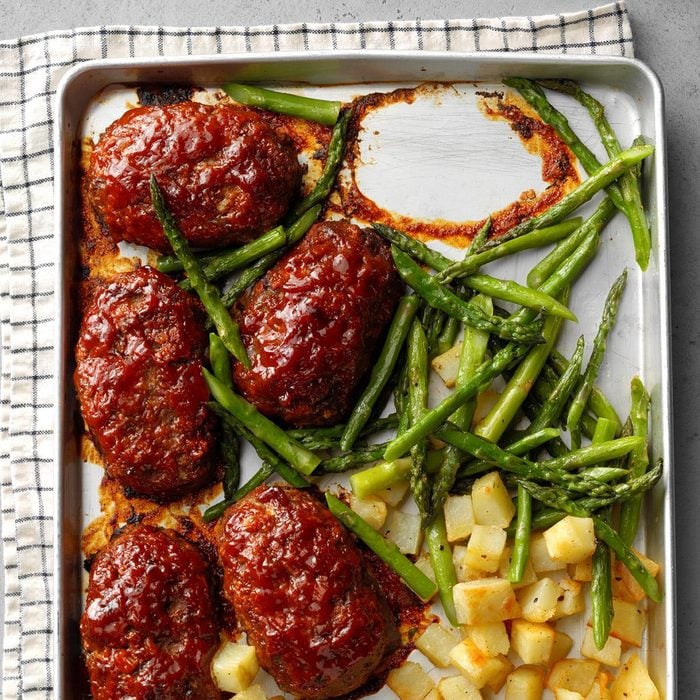
- Simple Sheet Pan Dinners: Roast chicken and vegetables, sausage and peppers, or fish with asparagus for an easy, healthy meal with minimal cleanup.
- Perfectly Roasted Vegetables: Achieve beautifully caramelized edges and tender interiors without sticking.
- Flawless Cookies and Pastries: From delicate lace cookies to sticky cinnamon buns, a non-stick surface ensures easy release and perfect presentation.
- Crispy Bacon: Bake bacon on a non-stick sheet lined with parchment paper for less mess and even crispness.
With a quality non-stick baking sheet in hand, the possibilities are endless.
Frequently Asked Questions (FAQ)
Are non-stick baking sheets safe?
Modern non-stick baking sheets are generally considered safe when used according to manufacturer instructions, especially regarding temperature limits. Most major brands no longer use PFOA in their manufacturing processes. For ultimate peace of mind, ceramic, glass, or silicone mats are excellent alternatives.
How do I clean a burnt non-stick baking sheet?
Avoid harsh abrasives. Soak the pan in warm, soapy water for at least 30 minutes. For tougher stains, create a paste with baking soda and water, or use a baking soda and vinegar solution, letting it sit before gently scrubbing with a soft sponge.
Can I use metal utensils on a non-stick baking sheet?
No, metal utensils can scratch and damage the non-stick coating. Always use silicone, wooden, or heat-resistant plastic utensils to preserve your pan’s surface.
What’s the difference between PTFE and ceramic coatings?
PTFE (e.g., Teflon) is a synthetic polymer known for its extremely slick, low-friction surface. Ceramic coatings are typically made from sand-derived silica, offering a naturally non-stick, often PFOA-free surface that can sometimes withstand higher temperatures.
How long do non-stick baking sheets last?
With proper care, a good quality non-stick baking sheet can last for several years. Factors like material quality, frequency of use, and adherence to care instructions significantly impact its lifespan.
Why does my baking sheet warp in the oven?
Warping is typically caused by sudden temperature changes, such as placing a cold pan directly into a very hot oven or washing a hot pan with cold water. Thicker, heavier gauge pans are less prone to warping.
Is it okay to use cooking spray on non-stick pans?
It’s generally recommended to avoid aerosol cooking sprays on non-stick surfaces. They can leave a sticky residue that builds up over time, hindering the non-stick properties and becoming very difficult to remove. A light brush of oil or butter, or using parchment paper/silicone mats, is preferred.
The Perfect Finish
Non-stick baking sheets are truly a kitchen revelation, simplifying baking and roasting while consistently delivering excellent results. By understanding the different materials and coatings, making informed choices about your purchases, and committing to proper care, you can unlock a world of culinary convenience. So go ahead, embrace the ease of a non-stick baking sheet, experiment with new recipes, and let your passion for baking flourish with less mess and more magic. Happy baking!