Stepping into the kitchen, whether you’re a seasoned baker or just starting your culinary journey, you quickly learn that the right tools make all the difference. Among the myriad of gadgets and gizmos, the humble baking sheet stands as a steadfast companion. But for those truly seeking perfection, merely having a baking sheet isn’t enough; it’s the Parchment Lined Baking Sheet that elevates your creations, ensuring every bake is a masterpiece. Here at Perfect Bake Essentials, we believe in empowering your passion, helping you unlock the full potential of your baking. This guide will illuminate the core value and transformative power of this kitchen essential, making your baking smarter, cleaner, and more delightful.
What is a Baking Sheet? Your Kitchen’s Unsung Hero
At its heart, a baking sheet is a flat, rectangular metal pan designed for oven use. Often referred to interchangeably as cookie sheets or sheet pans, these versatile tools are indispensable for everything from roasting vegetables to baking batches of your favorite cookies. Their lineage traces back centuries, evolving from simple flat stones or metal plates to the sophisticated designs we use today, crafted for optimal heat transfer and durability.
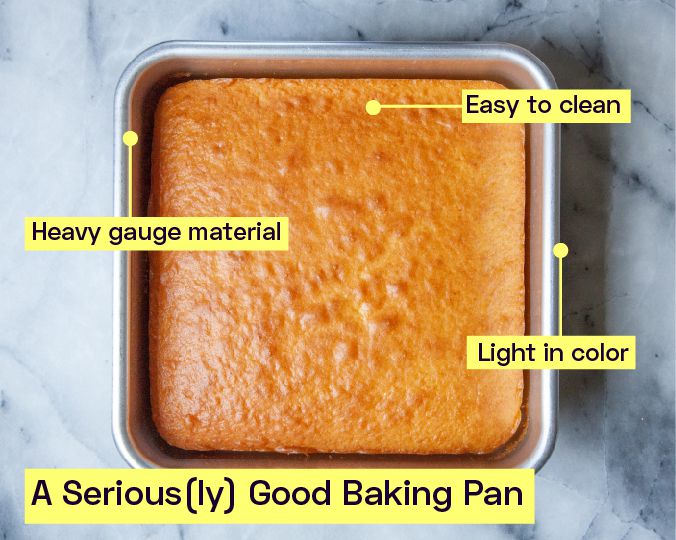
Baking sheets come in various materials, primarily aluminum and aluminized steel. Aluminum heats up quickly and cools down efficiently, offering excellent conductivity. Aluminized steel, a popular choice, provides the best of both worlds: the heat conduction of aluminum with the rust-resistance and durability of steel. You’ll also find nonstick coated options, which promise easy food release but require more delicate care. Sizes are typically standardized, with the “half-sheet” (approximately 18×13 inches) being the most common and practical for home ovens, perfectly balancing capacity and fit. You’ll also encounter “quarter-sheets” (13×9 inches) for smaller tasks and “jelly roll pans,” which are slightly smaller than half-sheets and ideal for thin cakes or bar cookies. When it comes to design, most bakers prefer rimmed baking sheets, featuring a shallow lip around all four edges to contain liquids and prevent food from sliding off, making them far more versatile than their rimless counterparts, which are primarily designed for easy cookie transfer.
The Magic of Parchment: Why Line Your Baking Sheet?
Now, let’s talk about the game-changer: parchment paper. Lining your baking sheet with parchment paper is a simple yet revolutionary step that transforms your baking experience. This specially treated paper, typically coated with silicone, creates a multitude of benefits that directly impact the quality of your food and the ease of your cleanup.
Firstly, its inherent non-stick properties are unparalleled. Say goodbye to stubbornly stuck cookies or roasted vegetables welded to the pan. Food slides right off, intact and beautiful, without the need for excessive greasing. This not only makes for easier food release but also contributes to healthier cooking by reducing added fats.
Moreover, parchment paper promotes remarkably even baking. It acts as a subtle barrier, creating a thin, airy layer between your food and the hot metal surface of the baking sheet. This air pocket helps to regulate temperature, diffusing direct heat and preventing hot spots that can lead to unevenly browned or burnt bottoms. “Parchment paper isn’t just about preventing sticking; it’s about control,” explains Chef Isabella Rossi, a renowned pastry expert. “It moderates heat, ensuring a more consistent bake, especially for delicate items like meringues or macarons.”
And the cleanup? Oh, the glorious cleanup! With parchment paper, baked-on messes become a distant memory. Simply lift the paper, discard it, and your baking sheet is often left pristine, requiring little more than a quick wipe. This significantly preserves the life of your baking sheets, preventing the accumulation of stubborn residue and protecting their finish from abrasive scrubbing.
Beyond baking, the versatility of parchment paper extends throughout the kitchen. It’s fantastic for “en papillote” cooking, where food like fish or chicken is steamed within sealed parchment pouches, locking in moisture and flavor. It’s also perfect for rolling out dough without sticking, separating foods for freezing, or even crafting makeshift piping bags for decorating.
Parchment Paper vs. Other Liners: A Quick Comparison
While parchment paper is a star, it’s worth understanding how it stacks up against other common kitchen liners:
- Parchment Paper vs. Wax Paper: This is a crucial distinction! Wax paper is coated with wax, which melts and smokes at oven temperatures, making it unsuitable for baking. Parchment paper, treated with silicone, is heat-resistant and oven-safe, typically up to 425-450°F (218-232°C). Never substitute wax paper for parchment in the oven.
- Parchment Paper vs. Silicone Baking Mats: Silicone baking mats (like Silpat) are reusable, durable alternatives. They offer excellent non-stick properties and even heat distribution. While a great eco-friendly investment for frequent bakers, parchment paper offers disposable convenience, especially for messy tasks, and can be more predictable across different brands. For specialized items like macarons, some bakers find parchment paper to offer superior results depending on the specific recipe.
Choosing Your Perfect Duo: Selecting Baking Sheets and Parchment Paper
Making informed choices about your baking sheets and parchment paper can significantly impact your results.
For Baking Sheets:
When selecting a baking sheet, consider these key factors:
- Material: For optimal performance, opt for bare aluminum or aluminized steel. Bare aluminum is an excellent conductor, preventing over-browning due to its light color, though it’s prone to corrosion from harsh chemicals, making hand-washing essential. Aluminized steel combines the benefits of both, offering durability and even heat. Avoid very dark or thin pans, as these can lead to uneven baking and burnt bottoms.
- Size: A half-sheet pan (18×13 inches) is the workhorse for most home bakers, fitting comfortably in standard ovens while offering ample surface area. Quarter-sheets are handy for smaller batches or toaster ovens.
- Rimmed vs. Rimless: For maximum versatility, choose rimmed baking sheets. The raised edges are invaluable for containing roasted vegetables, meats, and even shallow cakes, preventing spills and making them suitable for a wider range of culinary tasks.
For Parchment Paper:
Choosing the right parchment paper involves a few considerations:
- Heat Resistance: Always check the temperature rating on the box. Most parchment papers are safe up to 425-450°F (218-232°C). Using it beyond its rated temperature can cause it to burn, char, and produce smoke, affecting both your food and your kitchen’s air quality.
- Coating: Silicone-coated parchment paper is generally preferred. It’s non-toxic, offers superior non-stick properties, and higher heat resistance compared to quilon-coated options, which may contain heavy metals.
- Bleached vs. Unbleached: Bleached parchment is white, achieved through a chemical process, and often chosen for aesthetic reasons, especially with delicate pastries. Unbleached parchment retains its natural brown hue and is favored for its eco-friendliness, as it undergoes less processing. Both perform equally well.
- Pre-cut Sheets vs. Rolls: Pre-cut sheets offer convenience and lie flat immediately. Rolls are more economical, but the paper can curl.
Baking Smarter: Tips for Using Parchment Lined Baking Sheets
Getting the most out of your parchment lined baking sheet is all about technique. These simple tips can prevent common frustrations and enhance your baking results:
- Taming the Curl: Parchment paper from a roll often curls. To make it lie flat, simply crumple it into a ball, then flatten it out. The slight crinkles will make it much more pliable and cooperative. For round pans, you can also dampen the pan slightly with water before pressing the parchment down, or use a tiny dab of dough in the corners to hold it in place.
- Grease for Grip: A common mistake is not greasing the pan before placing the parchment. A light spray of cooking oil or a smear of butter on the baking sheet helps the parchment adhere, preventing it from shifting around while you arrange your food.
- Shiny Side Up? While many modern parchment papers are silicone-coated on both sides, if yours has a noticeably shinier side, that’s typically the non-stick surface that should face your food.
- Know Your Limits: As mentioned, be mindful of parchment paper’s maximum temperature rating. Avoid direct contact with broiler elements or open flames, as this can cause it to ignite.
- Reuse, Reduce: For lighter baking tasks that don’t heavily soil the paper, you can often reuse a sheet of parchment paper multiple times. Cookies or light pastries usually leave minimal residue, making a quick wipe and reuse perfectly safe and economical. Discard it if it becomes brittle, heavily greased, or significantly discolored.
Common Mistakes to Avoid for a Flawless Bake
Even with the best intentions, a few missteps can derail your parchment lined baking sheet experience:
- Overheating: Pushing parchment paper beyond its recommended temperature threshold (usually 425-450°F or 218-232°C) is a recipe for disaster. It can char, smoke, or even catch fire, ruining your food and posing a safety hazard.
- Confusing it with Wax Paper: As highlighted, wax paper and parchment paper are not interchangeable in the oven. The wax coating on wax paper will melt and burn.
- Not Securing the Paper: Allowing the parchment to wrinkle or shift can lead to uneven baking or oddly shaped goods. Take the extra moment to flatten and secure it.
- Using on Pizza Stones: For a truly crispy pizza crust, direct contact between the dough and a hot pizza stone or steel is essential. Parchment paper creates a barrier, preventing that desired crispness. While useful for warming frozen pizzas at lower temperatures, avoid it for traditional pizza baking.
- Ignoring Pan Material: Even with parchment, the material of your baking sheet matters. Darker pans will still conduct heat more aggressively, and thin pans can still warp, impacting the overall bake.
Beyond the Oven: Creative Uses and Recipes
The utility of a parchment lined baking sheet extends well past traditional cookie baking:
- En Papillote: This classic French technique involves cooking food in a sealed parchment packet. Fill it with fish, vegetables, herbs, and a splash of liquid, then fold to seal. The food steams gently within its own juices, resulting in incredibly moist and flavorful dishes with minimal cleanup.
- Freezing Separately: Lay parchment on a baking sheet, then arrange items like burger patties, cookie dough balls, or fruit pieces. Freeze until solid, then transfer to freezer bags. The parchment prevents sticking, allowing you to easily grab individual portions later.
- Dough Work: Rolling out pie crusts, cookie dough, or even sticky bread dough becomes a breeze when done between two sheets of parchment paper. It eliminates the need for excess flour, preventing a tough dough and messy countertop.
- Decorating: Roll a piece of parchment into a cone to create a disposable piping bag for icing, melted chocolate, or even savory sauces. You can also cut out stencils to dust powdered sugar or cocoa onto cakes and cookies.
- Roasting Vegetables: Achieve perfectly tender-crisp roasted vegetables like broccoli, Brussels sprouts, or potatoes. The parchment ensures even cooking and prevents sticking, making for easy flipping and cleanup. “The silicone coating on quality parchment paper creates a micro-layer of air, acting as an insulator,” shares Culinary Scientist Dr. Alex Chen. “This subtle barrier is key to achieving that perfect golden brown without over-browning the bottom.”
Keeping It Clean: Care and Maintenance for Your Baking Gear
Even with the marvel of parchment lined baking sheets, your underlying baking sheets still need love and care. Regular cleaning ensures longevity and hygiene:
- Immediate Action: The golden rule for cleaning baking sheets is to wash them as soon as they cool. The longer food residue sits, the harder it is to remove.
- Gentle for Nonstick: If your baking sheets have a nonstick coating, avoid abrasive scrubbers like steel wool, as these can damage the surface. Use a soft sponge or cloth with mild dish soap and warm water.
- Baking Soda Power: For stubborn, baked-on grease or stains on aluminum or aluminized steel pans, a paste of baking soda and water is a miracle worker. Apply the paste, let it sit for 30 minutes to a few hours, then gently scrub with a non-abrasive pad.
- Vinegar Boost: For extra tough stains, combine baking soda with white vinegar. The fizzing reaction helps lift grime. Sprinkle baking soda, then pour vinegar, let it sit, and scrub.
- Hydrogen Peroxide: Another effective method for tough stains on aluminized steel pans involves baking soda and hydrogen peroxide. Sprinkle baking soda, pour hydrogen peroxide to form a paste, then add more baking soda on top. Let it sit for a few hours before scrubbing and rinsing thoroughly. Remember to test on an inconspicuous area first and rinse very well.
- Line to Prevent: The best cleaning tip? Prevent serious messes by consistently using parchment paper! This simple step drastically reduces the amount of scrubbing needed, keeping your baking sheets in pristine condition.
Expert Insights: Elevating Your Baking Game
In the world of baking, small details often yield the greatest results. The continuous innovation in kitchen tools, like the widespread availability of high-quality parchment paper, truly empowers home bakers. “At Perfect Bake Essentials, we see the parchment lined baking sheet as more than just a convenience; it’s a foundational element for consistent, professional-level results in any home kitchen,” states our lead product specialist, Eleanor Vance. “It’s about giving you the confidence to tackle any recipe, knowing you’ve set yourself up for success.”
FAQ
Q: Can I reuse parchment paper?
A: Yes, for lighter tasks like baking cookies or pastries that don’t heavily soil the paper, you can often reuse parchment paper multiple times. Simply wipe off any crumbs and ensure it’s not brittle or heavily greased.
Q: What’s the maximum temperature for parchment paper?
A: Most parchment paper is safe for oven use up to 425-450°F (218-232°C). Always check the manufacturer’s recommendations on the packaging, as exceeding this limit can cause it to burn or smoke.
Q: Is parchment paper necessary for all baking?
A: While not strictly “necessary” for every single recipe, using parchment paper significantly enhances the baking experience by preventing sticking, promoting even baking, and simplifying cleanup. For delicate items or sticky doughs, it’s highly recommended.
Q: Can I use aluminum foil instead of parchment paper?
A: Aluminum foil can be used for some applications, especially for roasting or covering dishes. However, it’s not non-stick in the same way parchment paper is, and food can still stick to it. It also doesn’t provide the same heat moderation, and acidic foods can react with aluminum foil.
Q: How do I keep parchment paper from curling on a baking sheet?
A: The easiest trick is to crumple the parchment paper into a tight ball, then flatten it out. This makes it more malleable and helps it lie flat. You can also lightly grease the baking sheet before placing the parchment down to help it adhere.
Q: Is bleached or unbleached parchment paper better?
A: Both bleached and unbleached parchment paper perform identically in terms of non-stick properties and heat resistance. The choice often comes down to aesthetic preference (white vs. natural brown) and environmental considerations, as unbleached paper undergoes less chemical processing.
Conclusion
The parchment lined baking sheet is far more than just a convenience; it’s a fundamental element for achieving consistent, professional-quality results in your home kitchen. From ensuring your delicate cookies bake evenly and slide off effortlessly, to transforming messy roasting into a simple task, the benefits are clear. By understanding the nuances of baking sheets and the magic of parchment, you’re not just baking; you’re mastering an art. We encourage you to experiment with new recipes, explore diverse culinary techniques, and truly savor the journey. With Perfect Bake Essentials, you’re equipped to make every baking moment a joy, letting your passion shine through every perfectly baked creation.