The world of baking is a delightful place, filled with enticing aromas and delicious creations. But amidst the joy of whisking and kneading, a common question often surfaces: what about “Plastic Baking Sheets”? For many home bakers, the term might evoke images of convenience and non-stick ease, leading to a natural curiosity about their use. However, when it comes to high-temperature baking, the idea of a conventional “plastic baking sheet” is actually a critical misconception that every passionate baker needs to understand.
Here at Bếp Nướng Hoàn Hảo, we’re dedicated to empowering your culinary journey with accurate information and expert insights. Let’s delve into the truth about what can safely go into your hot oven and explore the fantastic, safe alternatives that will truly elevate your baking game.
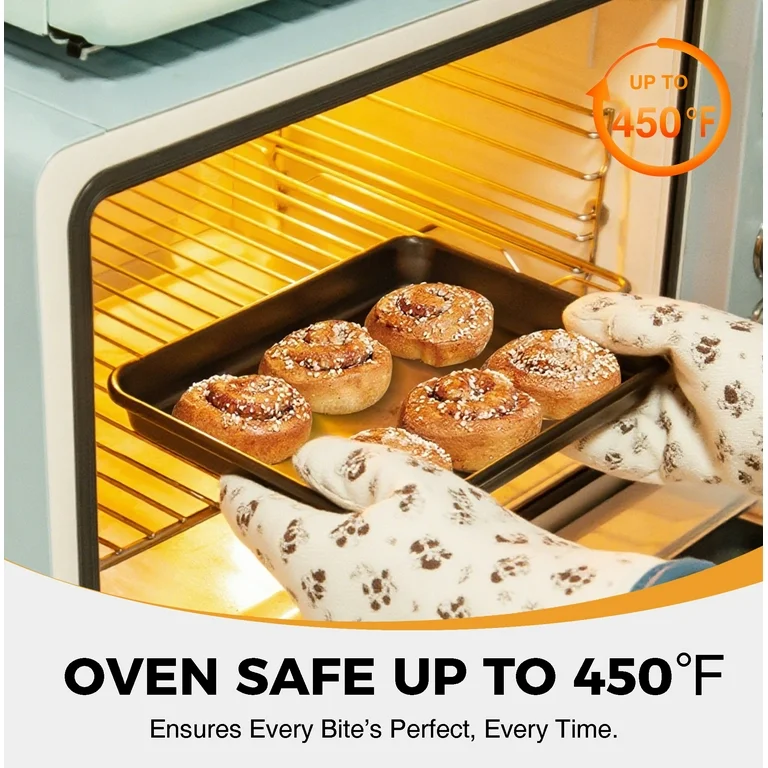
What Exactly is a Baking Sheet?
Before we tackle the “plastic” dilemma, let’s establish what a baking sheet truly is. At its core, a baking sheet (also often called a cookie sheet or jelly roll pan) is a flat, rectangular metal pan designed for oven use. These sturdy workhorses are indispensable for everything from baking cookies and roasting vegetables to preparing sheet pan dinners. They typically come in various materials, including aluminum, stainless steel, and carbon steel, each offering different heat conductivity and durability.