For generations of home bakers and seasoned chefs alike, the name Pyrex has been synonymous with reliable, high-quality bakeware. When it comes to everyday kitchen heroes, the humble Pyrex Baking Sheet stands out as a true workhorse, ready to tackle everything from savory roasted vegetables to comforting casseroles. But what makes this glass marvel so special, and how can you truly harness its potential to elevate your culinary creations? Join us as we dive deep into the world of Pyrex baking sheets, helping you make smarter choices and fully embrace your passion for baking.
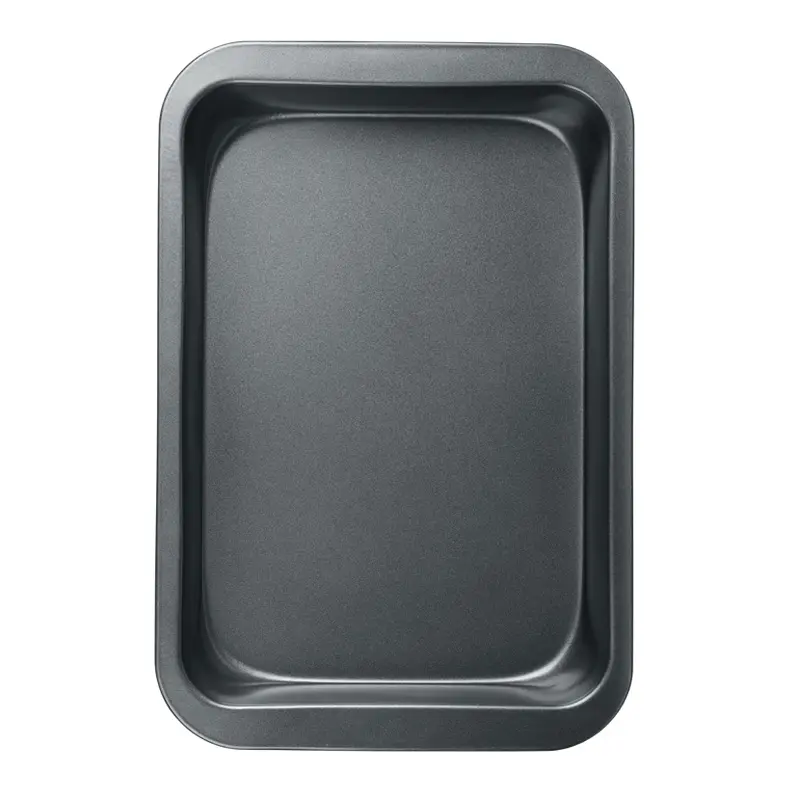
The Enduring Appeal of Pyrex Baking Sheets
Imagine a baking companion that not only endures countless oven cycles but also lets you peek at your culinary masterpieces as they transform, golden and bubbling. That’s the magic of the pyrex baking sheet. Crafted from specially tempered glass, these sheets offer a unique baking experience that sets them apart from their metallic counterparts. They’re celebrated for their robust durability, their ability to withstand temperature shifts (within reasonable limits, of course!), and their non-reactive surface, ensuring your food tastes exactly as it should.
The legacy of Pyrex dates back over a century, built on a foundation of innovation in glass manufacturing. This long-standing reputation for quality and performance is why so many kitchens worldwide still rely on Pyrex. It’s more than just a piece of bakeware; it’s a testament to timeless design and dependable functionality.
Pyrex vs. The Competition: Glass, Metal, and Beyond
Choosing the right baking sheet can feel like a culinary conundrum. While metal pans often dominate the market, a pyrex baking sheet brings its own distinct advantages to the table, and understanding these differences is key to becoming a baking maestro.
Pyrex Glass Baking Sheets: Your Transparent Ally
Pyrex glass baking sheets are champions of consistency and heat retention. Unlike metal, which heats up and cools down quickly, glass takes its time to warm up. But once it’s hot, it holds onto that heat with impressive tenacity, ensuring your dishes cook evenly and stay warm longer after they leave the oven. This slow, steady heat distribution is fantastic for achieving a beautiful, even bake on dishes that benefit from sustained warmth, such as casseroles, gratins, and roasted meats and vegetables.
Another significant benefit is Pyrex’s non-reactive nature. Acidic ingredients like tomatoes, citrus, and certain fruits can sometimes react with aluminum bakeware, potentially imparting a metallic taste or discoloring your food. With a pyrex baking sheet, you never have to worry about this. Plus, its transparent surface is a game-changer – no more guessing if the bottom of your lasagna is perfectly browned!
Metal Baking Sheets: The Swift Operator
Metal baking sheets, typically made from aluminum or steel, are excellent heat conductors. They heat up rapidly and transfer that heat efficiently to your food, making them ideal for achieving quick, crisp browning. Think perfect cookies with slightly chewy centers and crispy edges, or beautifully roasted vegetables with caramelized exteriors. They’re also lighter and less prone to shattering if dropped. However, metal can sometimes react with acidic foods, and dark-colored metal can lead to faster browning, sometimes unevenly, requiring careful monitoring.
Silicone Baking Mats: The Non-Stick Ninja
While not a “sheet” in the traditional sense, silicone baking mats are often used on top of metal baking sheets to provide a non-stick surface. They’re fantastic for delicate items like macarons or for preventing cookies from spreading too thin. They offer excellent non-stick properties and even heat distribution, but they don’t provide the structural rigidity or heat retention of a pyrex baking sheet.
Choosing Your Weapon: When to Use Which
So, when should you reach for your trusty pyrex baking sheet?
- Pyrex shines for: Casseroles, lasagna, baked ziti, mac and cheese, gratins, fruit cobblers, crisps, puddings, roasting root vegetables, or any dish you want to cook thoroughly and keep warm for serving. If a recipe calls for a “baking dish,” glass is often the implied choice.
- Metal is typically preferred for: Cookies, sheet cakes, biscuits, pizzas, or anything that benefits from direct, crisp browning and quick cooling. If a recipe calls for a “baking pan” or “sheet pan,” metal is usually best.
As culinary expert Chef Antoine Dubois once advised, “Understanding your materials is as crucial as mastering your ingredients. A pyrex baking sheet isn’t just a container; it’s a tool that dictates how your food experiences heat, transforming simple ingredients into memorable meals through its consistent, gentle embrace of warmth.”
Selecting the Perfect Pyrex Baking Sheet for Your Culinary Adventures
With various options available, choosing the ideal pyrex baking sheet ensures you’re set for success.
Size Matters
Standard sizes, such as 9×13 inch (or roughly 3-quart capacity) are incredibly versatile for family-sized meals. However, smaller or larger options exist for different needs. Consider your oven’s dimensions and the typical quantities you bake.
Shape and Depth
Pyrex baking sheets often come with slightly deeper sides than flat cookie sheets, making them perfect for dishes with liquids or sauces, like casseroles, roasted meats, or baked pasta. Some Pyrex “sheets” might be more accurately described as shallow baking dishes, but they still fulfill the role of an oven-safe, flat-bottomed vessel.
Handles and Lids
Many Pyrex dishes now feature integrated handles for easy gripping, especially when wearing oven mitts. Some also come with BPA-free plastic lids, which are invaluable for storing leftovers in the refrigerator or transporting dishes to potlucks.
Understanding Pyrex Types
Historically, Pyrex was made from borosilicate glass, known for its superior resistance to thermal shock. Modern Pyrex sold in the U.S. is primarily made from tempered soda-lime glass, which is very durable and more shatter-resistant than regular glass, though it has less thermal shock resistance than borosilicate. Always adhere to the manufacturer’s guidelines regarding temperature changes to ensure longevity.
Unlocking Optimal Results: Tips for Using Your Pyrex Baking Sheet
To truly master your pyrex baking sheet, a few key practices will ensure your dishes come out perfectly every time.
Preheating Protocol
Always preheat your oven and allow your pyrex baking sheet to warm up with the oven. This gradual heating prevents thermal shock, which can cause glass to shatter. Avoid placing a cold Pyrex dish directly into a screaming hot oven.
Temperature Adjustments
Because glass retains heat so well, it can sometimes cause the edges and bottom of your food to brown faster than the center, especially in baked goods. If a recipe calls for a metal pan and you’re using a pyrex baking sheet instead, it’s often wise to reduce the oven temperature by about 25 degrees Fahrenheit and increase the baking time slightly to achieve an even bake.
Avoiding Thermal Shock
This is perhaps the most crucial safety tip for glass bakeware. Thermal shock occurs when there’s a rapid and extreme change in temperature, which can lead to shattering.
- Never place a hot pyrex baking sheet on a cold or wet surface. Always use a trivet or a dry kitchen towel.
- Avoid pouring cold liquids directly into a hot Pyrex dish.
- Do not take a Pyrex dish from the freezer and put it straight into a preheated oven. Allow it to come closer to room temperature first.
Even Cooking
The excellent heat retention of a pyrex baking sheet promotes thorough and even cooking, especially for dense dishes. You’ll often find your casseroles and roasted items cooked beautifully from edge to center, with a lovely golden-brown finish.
Oven-to-Table Convenience
One of the best features of a pyrex baking sheet is its aesthetic appeal. Many designs are elegant enough to go straight from the oven to your dining table, making serving a breeze and keeping your food warm throughout the meal.
Spotless and Sparkling: Proper Cleaning and Maintenance for Pyrex
Keeping your pyrex baking sheet pristine is surprisingly simple, ensuring it remains a staple in your kitchen for years to come.
Everyday Cleaning
For most spills and light residue, a quick wash with warm water and dish soap is all you need. Pyrex is famously dishwasher safe, making cleanup even easier. Its smooth, non-porous surface resists staining and won’t absorb food odors or flavors.
Tackling Stubborn Stains
Sometimes, baked-on messes need a little extra coaxing. Here are a few tried-and-true methods:
- Baking Soda Paste: Sprinkle a generous layer of baking soda onto the affected area, add a drizzle of dish soap, and then pour hot water over it to create a paste. Let it sit for 15 minutes to an hour, then scrub with a non-abrasive sponge. The baking soda’s gentle abrasive quality helps lift grime.
- Magic Eraser Power: After soaking your Pyrex dish in hot water for a few minutes, a damp Magic Eraser can work wonders on stubborn burnt-on spots.
- Bar Keepers Friend: For the toughest stains, this acidic powder cleaner is a powerhouse. Wet your Pyrex dish, sprinkle on Bar Keepers Friend, and scrub gently. Always follow the product instructions and wear gloves.
- Soaking: Often, simply filling the dish with hot, soapy water and letting it soak overnight will loosen even the most tenacious baked-on food, making it easy to wipe away the next morning.
What to Avoid
While Pyrex is incredibly durable, certain things can harm it:
- Harsh Abrasives (unless specified): Steel wool or overly aggressive scrubbers can scratch the surface. Stick to sponges, nylon scrubbers, or specific cleansers like Bar Keepers Friend designed for glass.
- Lye: While effective for cleaning, extended or repeated exposure to lye-based cleaners can etch glass over time.
- Sudden Temperature Changes: As mentioned, thermal shock is the biggest enemy of glass bakeware.
Long-Term Care
Inspect your pyrex baking sheet regularly for any chips or cracks. Even a small chip can compromise the integrity of the glass. Store your Pyrex carefully to prevent chips, especially around the rim. With proper care, your Pyrex can truly last a lifetime.
Common Baking Blunders with Pyrex and How to Fix Them
Even with the best tools, we all encounter kitchen mishaps. Here’s how to troubleshoot common issues when using a pyrex baking sheet:
Food Sticking
While glass is generally less sticky than unseasoned metal, some foods can still adhere. Always grease your Pyrex thoroughly, or use parchment paper, especially for delicate items or dishes prone to sticking.
Uneven Browning or Overbrowning
If the bottom and sides are browning too quickly, remember that glass retains heat efficiently. Reduce your oven temperature by 25°F and increase baking time slightly. You can also cover the dish with foil for part of the baking process to prevent over-browning.
Shattering or Breaking
This is almost always due to thermal shock. Revisit the “Avoiding Thermal Shock” section. Never expose your pyrex baking sheet to rapid temperature extremes.
Dishes Not Cooking Through
If your food isn’t cooked in the center, ensure your oven is properly preheated and that you’re baking at the correct temperature for the recipe. If you adjusted the temperature down, ensure you compensated with enough extra baking time.
Beyond the Basics: Creative Recipes and Hacks for Your Pyrex Baking Sheet
The versatility of the pyrex baking sheet makes it indispensable for a wide array of dishes. Let it inspire your next culinary creation!
- Sheet Pan Dinners: Roast chicken and root vegetables, sausage and peppers, or fish with asparagus. The even heat of Pyrex ensures everything cooks beautifully together.
- Hearty Casseroles: From classic tuna noodle bakes to elaborate breakfast casseroles, Pyrex is the perfect vessel for these comforting dishes that benefit from sustained, even heat.
- Luscious Baked Desserts: Think apple crisps, peach cobblers, or bread puddings. The glass allows you to see the bubbling fruit and golden topping, and it keeps the dessert warm for serving.
- Savory Gratins: Potato gratin or vegetable gratins achieve a wonderful tender interior and crispy topping.
Embrace the joy of experimentation. A pyrex baking sheet is not just for baking; it’s a foundation for countless delicious possibilities.
Frequently Asked Questions (FAQ)
1. Can I use a pyrex baking sheet for cookies?
While you can, metal baking sheets are generally preferred for cookies. Metal heats quickly and promotes better browning and crispness, which is often desired for cookies. A pyrex baking sheet might result in cookies with softer, rounder edges and potentially slower, less even browning.
2. Is it safe to put a cold pyrex baking sheet into a hot oven?
No, it is generally not safe. Placing a cold Pyrex dish directly into a very hot oven can cause thermal shock, which can lead to the glass shattering. Always allow your Pyrex to come closer to room temperature before placing it into a preheated oven, or better yet, let it preheat with the oven.
3. Why does food stick to my pyrex baking sheet?
While Pyrex has a relatively smooth, non-porous surface, some foods can still stick. This is often due to insufficient greasing, or foods with high sugar content caramelizing and adhering. Always grease your pyrex baking sheet thoroughly with butter, oil, or non-stick spray, or line it with parchment paper for guaranteed release.
4. How do I remove burnt-on food from my pyrex baking sheet?
For stubborn burnt-on food, soaking is often the easiest first step. Fill the dish with hot, soapy water and let it sit for several hours or overnight. For tougher stains, a paste made from baking soda and dish soap or a product like Bar Keepers Friend can be effective. Always use non-abrasive scrubbers.
5. What’s the best temperature to bake with pyrex?
When using a pyrex baking sheet, it’s generally best to bake at moderate temperatures. If a recipe calls for a metal pan, you might want to reduce the oven temperature by 25°F when using glass, as glass retains heat more effectively and can cause food to cook faster and potentially over-brown.
6. Can Pyrex go under the broiler?
No, Pyrex baking sheets are typically not recommended for broiler use. The intense, direct heat from a broiler can cause rapid and uneven temperature changes across the glass, leading to thermal shock and potential shattering.
7. How long do pyrex baking sheets last?
With proper care and avoidance of thermal shock, a pyrex baking sheet can last for many, many years, even decades. Many home cooks proudly use Pyrex bakeware that has been passed down through generations, a testament to its exceptional durability.
Embrace the Pyrex Advantage in Your Kitchen
The pyrex baking sheet is more than just a piece of glass in your cupboard; it’s a versatile, reliable, and enduring tool that empowers your culinary journey. Its ability to retain heat, its non-reactive surface, and its sheer durability make it an invaluable asset for a wide range of dishes, especially those that benefit from a gentle, even bake.
So, whether you’re a novice baker exploring new recipes or a seasoned cook perfecting family favorites, integrating the Pyrex baking sheet into your routine will undoubtedly enhance your kitchen experience. Don’t just bake; create with confidence, knowing you have a trusted companion by your side. Go ahead, experiment with new recipes, rediscover old ones, and share the joy of perfectly baked creations with those you love.