Picture this: the aroma of freshly baked cookies wafting through your kitchen, or perfectly roasted vegetables crisping to perfection. The joy of baking and cooking is undeniable, but often, the lingering thoughts of endless parchment paper waste or the struggle with sticky pans can dampen the enthusiasm. What if there was a simple, yet revolutionary, kitchen tool that could elevate your culinary endeavors while simultaneously championing sustainability and saving you money? Enter the Reusable Baking Sheet, a true game-changer that promises to transform your kitchen experience.
Understanding the Foundation: What is a Baking Sheet?
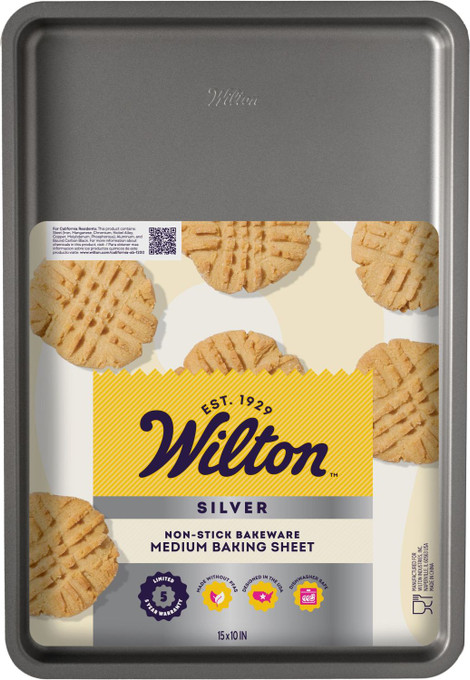
Before we dive into the wonders of reusable options, let’s briefly touch on the unsung hero of countless recipes: the baking sheet. Typically a flat, rectangular metal pan, baking sheets are fundamental for everything from a batch of golden-brown cookies to savory sheet pan dinners. They provide the stable surface needed for even heat distribution, ensuring your creations cook thoroughly. Historically, many bakers relied on disposable parchment paper or aluminum foil to prevent sticking and simplify cleanup. While effective for single use, these options contribute significantly to kitchen waste and ongoing expenses. This is precisely where the reusable baking sheet steps in, offering a modern, eco-conscious upgrade to this essential kitchen workhorse.
Why Go Reusable? The Unbeatable Benefits of Reusable Baking Sheets
Embracing reusable baking sheets, particularly silicone mats, is more than just a trend; it’s a smart, sustainable choice with a host of advantages.
Eco-Warrior in Your Kitchen: Reducing Waste and Your Carbon Footprint
One of the most compelling reasons to switch is their incredible environmental impact. Traditional parchment paper, once greasy or food-soiled, typically cannot be recycled and ends up in landfills. Imagine replacing thousands of single-use sheets of parchment paper or aluminum foil with just one durable reusable baking sheet over its lifetime. This drastically reduces kitchen waste, conserves trees, and lessens the energy consumption associated with manufacturing and disposing of disposable liners. It’s a small change that contributes to a much greener planet.
Smart Savings: How They Pay for Themselves
While the initial investment in a high-quality reusable baking sheet might be slightly higher than a roll of parchment, the long-term savings are substantial. You eliminate the continuous cost of buying disposable liners, which quickly adds up. After just a few months of regular baking, your reusable mat will have more than paid for itself, proving to be a wise financial decision for any passionate baker.
Effortless Release: The Magic of Non-Stick Surfaces
The non-stick property of silicone baking mats is truly a revelation. Say goodbye to the frustrating experience of cookies stubbornly stuck to the pan or delicate pastries crumbling when you try to lift them. These mats create a superior non-stick barrier, allowing your baked goods to release effortlessly without the need for additional greasing, oils, or cooking sprays. This not only simplifies cleanup but also promotes healthier baking by reducing the need for extra fats.
Bake It Evenly: Achieving Consistent Results Every Time
Achieving uniform baking results can be a challenge, with some spots overcooked and others underdone. Reusable baking sheets, especially those made from food-grade silicone, are designed to provide excellent heat distribution. This ensures that your cookies, pastries, and roasted items cook evenly, leading to perfectly golden-brown edges and consistently cooked centers with every batch.
Beyond the Oven: Versatile Uses
While their name suggests baking, these versatile mats are capable of so much more! They can be used for roasting vegetables, crafting delicate macarons, preparing sheet pan dinners, freezing dough, or even as a clean surface for kneading and rolling pastry. Their adaptability makes them an indispensable multi-purpose tool in any kitchen.
Choosing Your Perfect Match: Types and Materials of Reusable Baking Sheets
When considering a reusable baking sheet, you’ll primarily encounter silicone mats, though other options exist.
Silicone Baking Mats: The Most Popular Choice
Silicone baking mats are by far the most popular and widely recommended type. They are typically made from food-grade silicone, often reinforced with a fiberglass mesh for enhanced durability, stability, and superior heat conduction. [cite: 3 (types of reusable baking sheets materials)] This combination allows them to withstand a wide range of temperatures, commonly from -40°F (-40°C) up to 480°F (250°C), with some even tolerating up to 500°F (260°C). [cite: 4 (types of reusable baking sheets materials)] Their flexibility makes them easy to store, yet they provide a firm surface when placed on a baking tray.
Understanding Safety: FDA vs. LFGB Certification
When selecting silicone mats, you might see references to FDA (U.S. Food and Drug Administration) and LFGB (Lebensmittel-, Bedarfsgegenstände- und Futtermittelgesetzbuch, a German food safety standard) certifications. Both indicate food-grade quality, but LFGB is generally considered more comprehensive and stricter. LFGB-certified silicone undergoes rigorous testing for heavy metals and chemical migration under various conditions, ensuring a premium quality product that is odor-free and highly durable. Choosing LFGB-certified mats provides an extra layer of confidence that no harmful chemicals will leach into your food.
Reusable Parchment Paper: A Lesser-Known Alternative
While less common than silicone, some reusable parchment paper options exist. These are often made from heavy-duty, silicone-coated parchment designed to be used multiple times before disposal. They offer similar non-stick benefits and are a good stepping stone for those hesitant about silicone. However, they typically don’t last as long as silicone mats.
Key Considerations: Size, Thickness, and Specialized Features
- Size: Most reusable baking sheets come in standard sizes like half-sheet (approx. 16.5″ x 11.6″), which fit most common baking trays. You can often find smaller or larger sizes to match your specific bakeware. [cite: 3 (types of reusable baking sheets materials)]
- Thickness: Thicker mats tend to be more durable and provide better insulation, contributing to more even baking.
- Specialized Features: Many mats come with printed measurements, circles, or grids, which are incredibly helpful for consistent cookie sizing, macaron piping, or evenly spaced baked goods.
“Investing in a high-quality reusable baking sheet is a game-changer for any home baker, offering consistent results and reducing waste,” advises Chef Isabella Rossi, a seasoned culinary instructor with over 20 years of experience. “It’s one of those kitchen upgrades you’ll wonder how you ever lived without.”
Mastering the Art: Tips for Using Your Reusable Baking Sheet
To truly unlock the potential of your reusable baking sheet and ensure its longevity, here are some essential usage tips:
- Preparation is Key: Always place your silicone mat on a sturdy baking tray before loading it with ingredients. This provides the necessary support and makes transferring items in and out of the oven much easier.
- Preheat Properly: Allow your oven to fully preheat to the desired temperature before placing the mat inside. This helps ensure even cooking and prevents potential sticking issues.
- Gentle Touch: While durable, silicone mats are not invincible. Avoid using sharp utensils like knives or metal spatulas directly on the mat, as they can scratch or cut the surface. Opt for wooden, silicone, or plastic tools instead.
- Temperature Smart: Know your mat’s heat resistance limits. Most are safe up to 480°F (250°C), but never expose them to direct flames or use them under the broiler, as extreme heat can cause damage. [cite: 3 (how to clean reusable baking sheets), 4 (how to clean reusable baking sheets)]
- Creative Applications: Don’t limit yourself to just baking cookies. Experiment with roasting vegetables, making delicate tuiles, or even crafting homemade fruit leathers. The non-stick surface is your friend!
The Secret to Longevity: Cleaning and Storing Your Reusable Baking Sheet
Proper cleaning and storage are paramount to maintaining your reusable baking sheet in top condition for years to come.
Routine Care: Simple Daily Cleanup Steps
For everyday use, cleaning your silicone mat is remarkably straightforward:
- Let it Cool: Always allow the mat to cool completely after baking before attempting to clean it. This prevents warping and makes handling easier. [cite: 3 (how to clean reusable baking sheets)]
- Wipe Off Residue: Use a soft cloth or sponge to wipe away any excess food crumbs or grease.
- Wash with Warm Soapy Water: Wash the mat with warm water and a mild dish soap. Use a non-abrasive sponge or cloth to gently scrub both sides. Avoid harsh detergents or abrasive scrubbers, which can degrade the silicone. [cite: 3 (how to clean reusable baking sheets)]
- Rinse Thoroughly: Rinse the mat under warm running water to remove all soap residues.
- Dry Completely: Dry the mat thoroughly with a soft towel or air-dry it on a rack. Ensuring it’s completely dry before storage prevents moisture accumulation and potential mold or mildew. [cite: 3 (how to clean reusable baking sheets)]
Deep Clean Strategies: Tackling Stubborn Stains and Odors
Sometimes, stubborn stains or lingering odors can develop. Here are a few deep-cleaning tricks:
- Baking Soda Paste: For tough stains or odors, create a paste using baking soda and a little water. Apply it to the affected areas, let it sit for 15-30 minutes, then gently scrub with a soft brush or sponge before rinsing thoroughly. [cite: 3 (how to clean reusable baking sheets), 4 (how to clean reusable baking sheets)]
- Vinegar Soak: Another option is to soak the mat in a solution of equal parts white vinegar and warm water for about 15 minutes, then scrub and rinse. [cite: 3 (how to clean reusable baking sheets), 4 (how to clean reusable baking sheets)]
- Dishwasher Use: While some mats are labeled dishwasher-safe, hand washing is often recommended for extending their lifespan, as high temperatures and harsh detergents in dishwashers can cause wear over time. [cite: 3 (how to clean reusable baking sheets)] If you do use a dishwasher, ensure the mat isn’t creased.
Storage Savvy: Keeping Them Flat or Rolled
Proper storage helps maintain the mat’s shape and functionality. Store your silicone baking mats flat or loosely rolled to prevent creases or deformation. Avoid folding them, as this can lead to permanent wrinkles or damage. Keep them away from sharp objects and direct heat sources. [cite: 3 (how to clean reusable baking sheets)]
Troubleshooting Common Baking Sheet Hurdles
Even with the best care, you might encounter a few minor issues with your reusable baking sheet. Don’t worry, they’re usually easy to fix!
“My Food Still Sticks!” Addressing Sticky Residue
If you notice food sticking, it’s often due to residual oils or improper cleaning. First, ensure you’ve given the mat a thorough deep clean with baking soda or a strong degreasing dish soap. Sometimes, heating the mat in the oven for 10 minutes, then immediately applying baking soda paste and scrubbing, can loosen stubborn residue. Always ensure the mat is completely clean and dry before each use. [cite: 5 (how to clean reusable baking sheets)]
“What’s That Smell?” Dealing with Odors
Silicone can sometimes absorb odors, especially from strongly flavored foods. Deep cleaning with baking soda paste or a vinegar soak can often neutralize these smells. Some users find that a soak in hot water with lemon juice works wonders. You might also consider dedicating separate mats for sweet and savory dishes to prevent flavor transfer. [cite: 4 (how to clean reusable baking sheets)]
“My Mat Got Damaged!” Preventing Cuts and Burns
The most common damage comes from sharp objects. Always use silicone, wooden, or plastic utensils. If a mat gets cut or severely burned, it’s best to replace it to ensure food safety and prevent further degradation. Prevention is key to extending the life of your reusable baking sheet.
Elevate Your Baking Game: Recipes and Ideas for Your Reusable Baking Sheet
A reusable baking sheet opens up a world of culinary possibilities. Here are just a few ideas to get you started:
- Classic Cookies: Achieve perfectly baked, evenly golden cookies that slide right off the mat.
- Perfect Roasted Vegetables: Roast broccoli, sweet potatoes, or asparagus without them sticking to the pan, resulting in beautiful caramelization.
- Delicate Pastries (Macarons): The non-stick surface and even heat distribution are ideal for creating delicate macarons with their signature “feet.”
- Sheet Pan Dinners: Consolidate your meal prep! Roast chicken and vegetables on a single mat for an easy, delicious, and quick-cleanup dinner.
- Homemade Pizza: Roll out your dough directly on the mat, add toppings, and slide it onto your baking sheet for a perfect crust every time.
Frequently Asked Questions (FAQ)
Are reusable baking sheets really worth it?
Absolutely! They are a fantastic investment for any home cook or baker. They save money, reduce waste, make cleanup easier, and help achieve more consistent baking results.
How often can I reuse a silicone baking mat?
With proper care, a high-quality silicone baking mat can be reused thousands of times, often lasting 5-10 years or even longer.
Can I cut my silicone baking mat?
Many silicone baking mats can be cut to fit your specific dishes without affecting their quality or performance, making them highly customizable. [cite: 3 (types of reusable baking sheets materials)]
Are all silicone baking mats food-safe?
Look for mats made from “food-grade silicone” that are also BPA-free. For the highest safety standards, opt for LFGB-certified mats. [cite: 3 (types of reusable baking sheets materials)]
Can I use a reusable baking sheet under the broiler?
No, it’s generally not recommended to use silicone baking mats under the broiler, as the intense direct heat can damage the silicone. Always check the manufacturer’s temperature guidelines. [cite: 3 (how to clean reusable baking sheets)]
Conclusion
The reusable baking sheet is more than just a kitchen accessory; it’s a testament to how small changes can lead to significant improvements in our daily lives and for the planet. By embracing this versatile, eco-friendly tool, you’re not only simplifying your baking and cooking process with effortless non-stick performance and consistent results, but you’re also making a conscious choice towards a more sustainable lifestyle. So go ahead, experiment with new recipes, rediscover old favorites, and bake with confidence, knowing that your kitchen is equipped for both culinary excellence and environmental responsibility. Share your baking adventures and join the community of savvy cooks who have unlocked the magic of the reusable baking sheet!