Every home cook and aspiring baker eventually discovers the indispensable nature of a good Rimmed Baking Sheet. Far more than just a flat surface for cookies, this versatile kitchen essential, often known as a half-sheet pan in professional circles, is a true game-changer, simplifying countless cooking and baking tasks and elevating your culinary results. If you’ve ever wondered what makes the rimmed baking sheet such a staple, how to choose the right one, or how to get the most out of it, you’ve come to the right place. Let’s delve deep into the world of this fundamental piece of bakeware.
What Exactly is a Rimmed Baking Sheet?
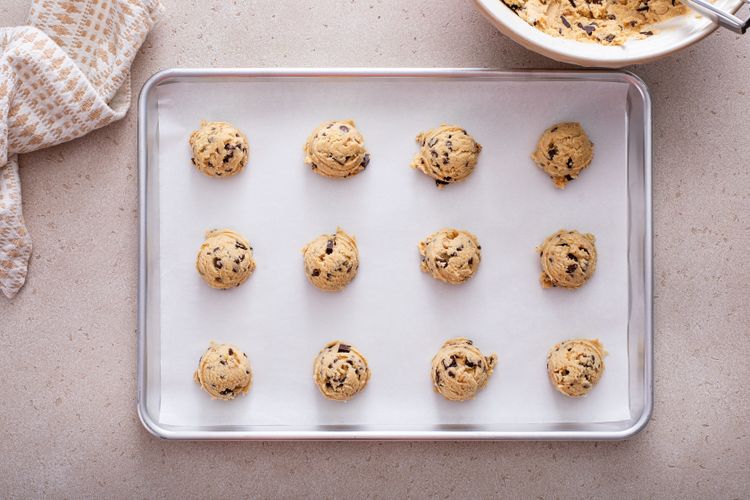
At its core, a rimmed baking sheet is a rectangular, flat metal pan with raised edges on all four sides, typically about one inch high. These rims are what truly set it apart, acting as a crucial barrier that contains liquids, prevents food from sliding off, and offers a secure grip. Unlike its rimless counterpart, the cookie sheet, the rimmed baking sheet’s design makes it incredibly adaptable for a wide range of cooking methods, from high-heat roasting to delicate baking. This simple yet effective design element transforms a basic pan into a multifaceted tool indispensable for any kitchen.
The distinction between a rimmed baking sheet and a traditional cookie sheet is important. While both are used in baking, a cookie sheet often has only one or no raised edges, allowing for easier sliding of cookies after baking and promoting specific air circulation for crispier results. A rimmed baking sheet, with its four protective walls, is built for containment and versatility, making it suitable for a broader spectrum of culinary adventures.
The Versatile Uses of a Rimmed Baking Sheet
When we talk about a rimmed baking sheet, we’re discussing a kitchen item with an almost endless list of applications. It’s truly an unsung hero, capable of handling everything from sweet treats to savory feasts.
For the Baker: Beyond Just Cookies
Naturally, a rimmed baking sheet is perfect for baking. Whether you’re whipping up batches of chocolate chip cookies, delicate macarons, or chewy brownies, the even heat distribution provided by quality sheets ensures consistent results. They are also ideal for preparing sheet cakes, jelly rolls, and various pastries, providing a stable surface and preventing spills.
For the Cook: Roasting, Broiling, and Sheet Pan Dinners
This is where the rimmed baking sheet truly shines as a “workhorse.” Its raised edges are invaluable for roasting vegetables, preventing them from tumbling into the oven and allowing for easy tossing. When roasting meats, such as chicken pieces, fish, or even a smaller roast, the rims contain all the delicious drippings, which can be used for gravies or pan sauces. This also keeps your oven cleaner! The combination of a rimmed baking sheet and a wire cooling rack placed inside it creates an excellent setup for broiling, allowing fat to drip away while promoting air circulation for even cooking. Imagine perfectly crisp chicken wings or beautifully charred vegetables—all made possible with this simple setup.
“I always tell my students that if they buy only one piece of bakeware, it should be a sturdy half-sheet pan,” says Chef Eleanor Vance, a culinary instructor with over two decades of experience. “It’s the foundation for so many techniques, from a weeknight sheet pan dinner to complex pastry work.”
Essential for Prep Work and Organization
Beyond cooking, rimmed baking sheets are fantastic for food preparation. They can hold your “mise en place”—all the prepped ingredients for a recipe—keeping your counter organized and clean. They’re also excellent for cooling large batches of roasted vegetables or cooked grains, preventing sogginess. You can even use them for flash-freezing delicate items like berries or cookie dough balls before transferring them to freezer bags, ensuring they don’t stick together.
Choosing Your Perfect Rimmed Baking Sheet: A Deep Dive into Materials
Selecting the right rimmed baking sheet is crucial for performance and longevity. The material and construction play significant roles in how your pan conducts heat, resists warping, and stands up to frequent use.
Aluminum: The Classic Choice
Aluminum is the most popular material for rimmed baking sheets, and for good reason. It’s an excellent heat conductor, meaning it heats up quickly and cools down efficiently, which helps prevent overcooking. Its light color also helps to prevent excessive browning. However, bare aluminum can be prone to corrosion from harsh chemicals, making hand-washing highly recommended. Flawless aluminum pans, especially lighter gauge ones, might also warp under high heat or with abrupt temperature changes, leading to uneven cooking. Look for heavy-gauge aluminum (10-12 gauge) for superior durability and warp resistance.
Aluminized Steel: The Durable Alternative
Aluminized steel pans are made from steel coated with an aluminum-silicon alloy. This combination offers the strength and durability of steel with some of the heat conductivity benefits of aluminum. They are often more resistant to corrosion and warping than bare aluminum pans. While they might heat up a bit slower than pure aluminum, their robustness makes them a reliable choice for consistent performance.
Nonstick: For Easy Release and Cleanup
Nonstick rimmed baking sheets feature a special coating that ensures food releases easily and makes cleanup a breeze. While appealing for convenience, they come with certain limitations. Nonstick coatings can degrade at very high temperatures (typically above 450°F / 232°C) and should not be used under a broiler. They also require non-metal utensils to prevent scratching the surface, which can lead to the coating flaking off over time. For these reasons, while great for delicate items, they might not be the best all-around workhorse for every task.
Key Factors to Consider
- Gauge (Thickness): A heavier gauge pan is less likely to warp and provides more even heat distribution. Professional-grade pans are often 10-12 gauge.
- Rolled Rims: Pans with rolled rims are typically more comfortable to handle, especially with oven mitts, and add structural integrity, further preventing warping.
- Size: The standard “half-sheet pan” (approximately 18×13 inches) fits most home ovens perfectly, allowing enough space for air circulation. Quarter-sheet pans (about 9×13 inches) are excellent for smaller portions, reheating, or when you need to cook multiple items separately on the same oven rack.
Maximizing Your Baking Sheet’s Potential: Expert Tips and Tricks
Getting the most out of your rimmed baking sheet involves a few simple practices that can significantly improve your cooking and extend the life of your pan.
Line It Up for Success
Always line your rimmed baking sheet with parchment paper or a silicone baking mat. This isn’t just for easy cleanup; it also creates a nonstick surface, prevents food from burning onto the pan, and can even help mitigate any concerns about aluminum leaching when cooking acidic, salty, or fatty foods. Plus, cookies and roasted vegetables release effortlessly!
Prevent Warping Woes
Warping can be a common frustration, especially with thinner pans. To minimize this:
- Even Distribution: Try to cover the pan’s surface as uniformly as possible with food. Empty spaces can cause uneven heating and lead to warping.
- Gradual Heating: Avoid plunging a cold pan into a very hot oven or vice versa. Allow the pan to preheat with the oven when possible, or let it cool down gradually after use.
- Quality Matters: Investing in a heavy-gauge, well-constructed rimmed baking sheet is the best defense against warping.
Temperature Tactics
The color of your baking sheet can influence cooking times. Lighter-colored aluminum pans reflect heat, leading to more gradual and even browning. Darker pans, especially nonstick ones, absorb more heat, which can cook food faster and potentially lead to darker bottoms on baked goods. Adjust your oven temperature or cooking time accordingly.
Care and Maintenance for Longevity: Keeping Your Rimmed Baking Sheet in Top Shape
Proper care ensures your rimmed baking sheet remains a reliable kitchen companion for years to come.
Cooling is Key
Always allow your rimmed baking sheet to cool completely after use before attempting to clean it. Thermal shock—placing a hot pan directly into cold water—can cause warping and damage, especially to aluminum or nonstick coatings.
Hand-Washing is Your Best Friend
For most rimmed baking sheets, especially those made of aluminum or with nonstick coatings, hand-washing is strongly recommended. Use warm, soapy water and a soft sponge or cloth. Dishwashers can cause aluminum to oxidize, leading to etching, dullness, and a chalky finish. For nonstick pans, harsh dishwasher detergents and high heat can degrade the coating.
Tackling Stubborn Stains
Even with the best care, baked-on grime can sometimes occur. For aluminum or aluminized steel pans, several natural methods work wonders:
- Baking Soda and Vinegar: Create a paste with baking soda and a little water, spread it over the stained areas, then spray with white vinegar. Let it fizz and sit for 30-60 minutes before scrubbing gently with a non-abrasive scrubber.
- Baking Soda and Hydrogen Peroxide: Mix baking soda with hydrogen peroxide to form a paste, spread it on the stains, and let it sit for 1-2 hours before wiping clean.
- Bar Keepers Friend: This cleanser is excellent for removing stubborn brown spots and restoring shine to aluminum pans.
For nonstick pans, stick to gentle methods like soaking in warm, soapy water to loosen residue. Avoid abrasive cleaners or scouring pads, as they will scratch and damage the coating.
The Drying and Storage Protocol
Always dry your rimmed baking sheet completely before storing it. Any residual moisture can lead to water spots or, in the case of steel rims, even rust. Store them flat or in a vertical rack to prevent bending.
Common Rimmed Baking Sheet Blunders and How to Fix Them
Even experienced cooks can make mistakes. Here’s how to troubleshoot common issues:
- Warping During Baking: If your pan warps, it’s often due to rapid temperature changes or uneven heat distribution. As mentioned, covering the surface with food and using a heavy-gauge pan can help. A warped pan will usually return to its original shape as it cools, but persistent warping indicates a need for a sturdier pan.
- Uneven Browning: This can be due to a flimsy pan that heats unevenly, too much overcrowding of food, or a dark pan that heats too aggressively. Try using parchment paper, distributing food more sparsely, or adjusting oven temperature.
- Food Sticking: This is usually a sign that you need to use more parchment paper, a silicone mat, or increase the amount of fat in your cooking. Ensure your nonstick pan’s coating isn’t damaged.
- Scratched Nonstick Coating: This occurs from using metal utensils. Always opt for silicone, wooden, or nylon tools with nonstick surfaces.
Beyond the Basics: Creative Rimmed Baking Sheet Ideas
Once you master the fundamentals, your rimmed baking sheet unlocks a world of culinary creativity.
- One-Pan Wonders: Think sheet pan fajitas, roasted sausage and peppers, or lemon-herb chicken with potatoes. The ease of cleanup makes these weeknight heroes.
- Breakfast Bakes: From roasted breakfast potatoes to perfectly crisp bacon, the rimmed baking sheet can handle your morning meal prep.
- Sweet Treats: Beyond cookies, use it for large batches of granola, toasted nuts, or even fruit crisps.
Frequently Asked Questions about Rimmed Baking Sheets
Q: What’s the difference between a rimmed baking sheet and a cookie sheet?
A: A rimmed baking sheet has raised edges on all four sides, making it versatile for roasting, baking, and containing liquids. A cookie sheet typically has no rims or only one, designed specifically for optimal airflow around cookies to achieve even baking and crispness.
Q: Why does my rimmed baking sheet warp in the oven?
A: Warping usually occurs due to rapid changes in temperature or uneven heat distribution. Thinner, lower-quality pans are more susceptible. To minimize this, use a heavy-gauge pan, line it with parchment, and try to distribute food evenly across its surface.
Q: Is aluminum safe for baking?
A: Yes, aluminum is generally considered safe for baking and is the most common material for professional bakeware due to its excellent heat conductivity. If you have concerns about aluminum leaching, especially with acidic, salty, or fatty foods, lining your rimmed baking sheet with parchment paper or a silicone mat is an effective solution.
Q: How do I remove baked-on stains from my rimmed baking sheet?
A: For aluminum or aluminized steel pans, a paste made from baking soda and vinegar or baking soda and hydrogen peroxide can effectively lift stubborn stains. Let the paste sit for 30-60 minutes before scrubbing gently. For nonstick pans, soak in warm, soapy water and use a soft sponge to avoid damaging the coating.
Q: Can I put my rimmed baking sheet in the dishwasher?
A: It’s generally recommended to hand-wash most rimmed baking sheets, especially those made of bare aluminum or with nonstick coatings. Dishwashers can cause aluminum to oxidize, leading to dullness and etching, and can degrade nonstick coatings over time.
Q: What size rimmed baking sheet is best for home use?
A: The “half-sheet pan,” typically measuring 18×13 inches, is the most versatile and common size for home ovens, offering ample space for most cooking and baking tasks while allowing proper air circulation. Quarter-sheet pans are also useful for smaller portions.
Elevate Your Culinary Game with the Rimmed Baking Sheet
The rimmed baking sheet is more than just a piece of equipment; it’s a foundation for countless culinary possibilities, from a simple batch of cookies to an elaborate sheet pan dinner. By understanding its construction, appreciating its versatility, and applying proper care techniques, you unlock its full potential. So, embrace this kitchen essential, experiment with new recipes, and watch as your cooking and baking reach new heights with the reliable support of your trusted rimmed baking sheet. Happy cooking, and may your culinary adventures be perfectly contained and delicious!