Step into almost any modern kitchen, and you’re likely to spot a colorful, flexible mat tucked away in a drawer or lying flat on a baking sheet. We’re talking about the Silicone Baking Sheet, a humble yet revolutionary tool that has transformed how many of us approach baking and roasting. If you’ve been curious about these versatile kitchen companions, wondering if they’re truly worth the hype, you’re in the right place. Let’s dive deep into the world of silicone baking sheets, unraveling their magic, understanding their nuances, and helping you bake smarter, not harder.
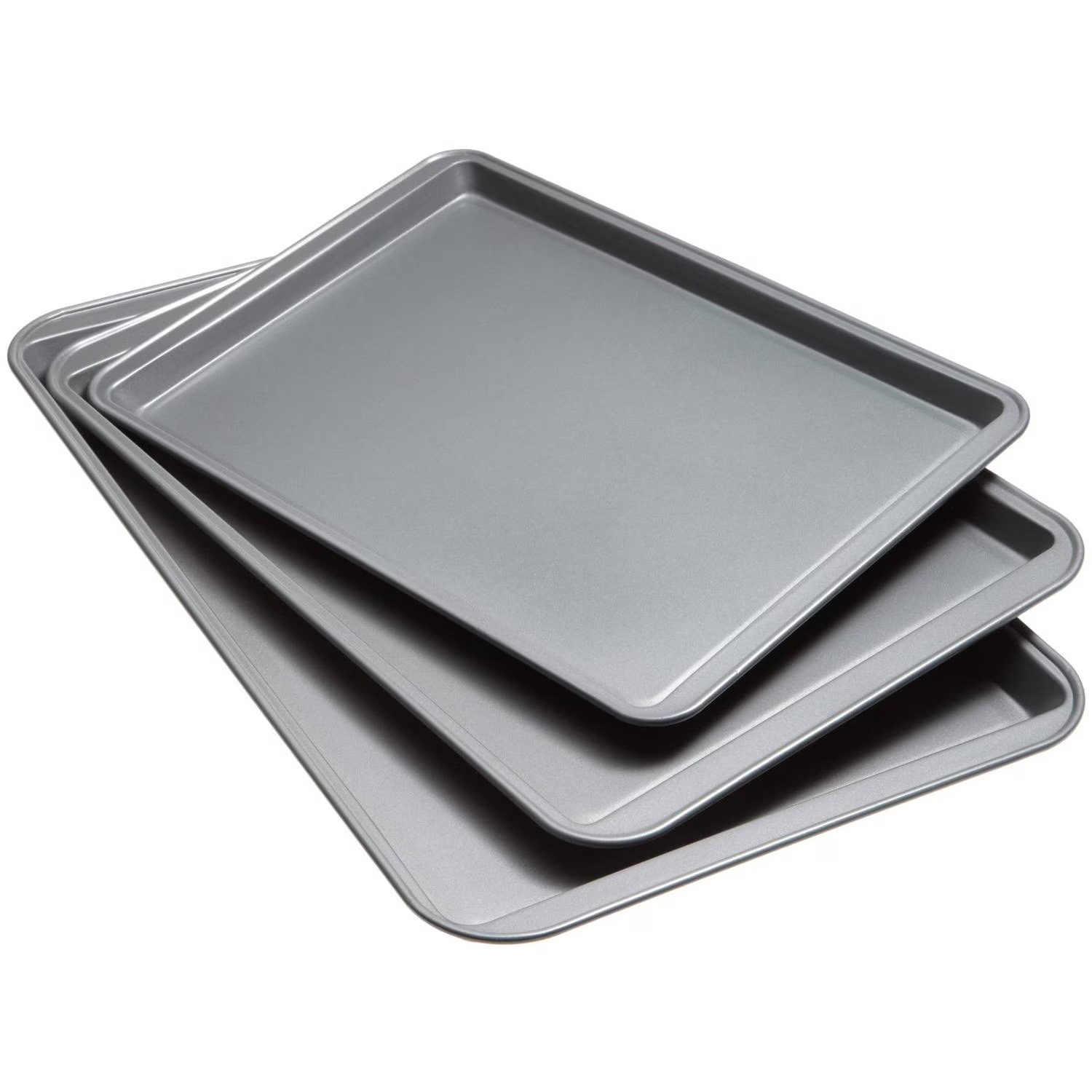
What Exactly is a Silicone Baking Sheet?
At its core, a silicone baking sheet is a flexible, non-stick mat typically made from food-grade silicone, often reinforced with a fiberglass mesh for added stability and durability. Think of it as a reusable, high-performance alternative to parchment paper or aluminum foil. These mats are designed to withstand extreme temperatures, making them safe for use in your oven, microwave, and even freezer. They create a consistent, even cooking surface, ensuring your culinary creations emerge perfectly baked and easily released.
The Unbeatable Benefits: Why Bakers Love Silicone Baking Sheets
The popularity of silicone baking sheets isn’t just a trend; it’s a testament to their practical advantages in the kitchen.
Effortless Non-Stick Performance
One of the most celebrated features of a silicone baking sheet is its naturally non-stick surface. This means you can often skip greasing or flouring your pans, leading to easier food release and less mess to clean up. Cookies slide off, roasted vegetables lift with minimal effort, and sticky caramels detach without a fuss. It’s a game-changer for delicate items that usually cling to traditional baking surfaces.
Durability and Longevity
Unlike single-use parchment paper or aluminum foil, a high-quality silicone baking sheet is built to last. It resists warping, cracking, and breaking, even under high heat, making it a sustainable choice that reduces kitchen waste and saves you money in the long run. Many bakers consider them a worthwhile long-term investment.
Versatility Beyond Baking
While “baking sheet” is in the name, these mats are incredibly versatile. They’re excellent for:
- Baking: Cookies, pastries, bread, macarons – the list goes on.
- Roasting: Vegetables, chicken pieces, fish.
- Candy Making: Perfect for sticky candies and confections.
- Dough Work: Lay it flat on your countertop for a non-stick surface when kneading dough or rolling out pastry.
- Freezing: Ideal for flash-freezing fruit or individual portions.
Exceptional Heat Resistance and Even Cooking
Silicone baking sheets can typically withstand temperatures from well below freezing up to 450°F (232°C) or even 500°F (260°C), making them incredibly safe for most oven applications. While they don’t conduct heat as directly as metal, their consistent surface can promote even baking, which is crucial for uniform results.
Simplified Cleanup
Thanks to their non-stick nature, cleaning a silicone baking sheet is often a breeze. Most messes wipe away with warm, soapy water, eliminating the need for soaking or harsh scrubbing.
Protecting Your Bakeware
Using a silicone mat creates a barrier between your food and your metal baking sheets, protecting your pans from baked-on grime, scratches, and extending their lifespan.
Weighing the Options: Understanding the Downsides
While silicone baking sheets offer a plethora of benefits, they aren’t without their considerations. Understanding these can help you decide when and how to best use them.
Impact on Browning and Crispness
One of the most common observations is that silicone acts as an insulator, which can result in less browning or crisping on the bottom of baked goods compared to direct contact with a metal pan. If you’re chasing that deeply golden, crispy cookie bottom or a robust crust on your bread, you might find a silicone mat slightly hinders that process.
Flexibility and Stability Concerns
Their flexible nature, while great for storage, can be a minor drawback when handling. A silicone mat filled with liquid batter needs to be placed on a sturdy baking sheet before moving it to the oven to prevent spills and maintain its shape.
Potential for Spreading
Some bakers report that cookies baked on silicone mats tend to spread a bit more due to the lack of friction, potentially leading to thinner, denser results.
Cleaning Challenges: Tackiness and Odors
While generally easy to clean, silicone mats can sometimes develop a sticky or tacky residue over time, especially if not thoroughly degreased. They can also absorb strong odors or colors from highly pigmented foods.
Initial Cost
High-quality silicone baking sheets can have a higher upfront cost than a roll of parchment paper. However, their reusability typically makes them more cost-effective over their lifespan.
Environmental Footprint
Despite being reusable, silicone itself is a synthetic rubber that is neither biodegradable nor widely recyclable, posing some environmental concerns at the end of its very long life.
Silicone vs. The Classics: Parchment Paper and Aluminum Foil
Choosing the right liner depends on your baking goals. Here’s a quick comparison:
| Feature | Silicone Baking Sheet | Parchment Paper | Aluminum Foil |
|---|---|---|---|
| Non-Stick | Excellent (naturally non-stick) | Very good (silicone-coated) | Poor (unless non-stick foil) |
| Reusability | Excellent (hundreds of uses) | Limited (1-3 uses, then discard) | Single-use (recyclable if clean) |
| Browning/Crisp | Less browning, more even color | Better browning, crisper edges | Can yield crispy bottoms, conducts heat well |
| Clean-up | Easy hand wash, sometimes dishwasher safe | None (disposable) | None (disposable) |
| Cost | Higher initial, lower long-term | Low | Very low |
| Heat Range | Up to 450-500°F (232-260°C) | Up to 420-450°F (215-232°C) | High, suitable for broiling/grilling |
| Flexibility | Very flexible | Flexible | Malleable |
| Eco-Friendliness | Reusable, but not biodegradable/recyclable | Single-use, some compostable options | Single-use, recyclable (if clean) |
For super sticky treats like caramel brittle or sourdough cinnamon rolls, the ultra-non-stick quality of silicone mats shines. However, for that classic chocolate chip cookie texture with crispy edges, parchment paper often takes the win.
Mastering Your Mat: Tips for Optimal Use
To get the best out of your silicone baking sheets, keep these tips in mind:
- Always Use a Sturdy Baking Sheet: Due to their flexibility, silicone mats should always be placed on a rigid metal baking sheet before being loaded with food and transferred to the oven. This prevents spills and ensures even baking.
- No Need for Grease (Usually): The non-stick surface is generally effective on its own. While some brands suggest a light spray for very sticky items, for most baking, it’s unnecessary and can sometimes lead to sticky residue build-up.
- Respect Temperature Limits: Always check the manufacturer’s maximum temperature rating. While generally heat-resistant, exceeding this can damage the mat.
- Keep Sharp Objects Away: Never cut directly on your silicone mat with knives or sharp utensils, as this can slice or tear the surface, compromising its integrity.
Keeping Them Pristine: Cleaning and Care for Longevity
Proper care is key to ensuring your silicone baking sheets remain effective for years.
Routine Cleaning
After each use, wash your silicone mat with warm water and dish soap, preferably one with a degreaser. Use a non-abrasive sponge or cloth to wipe down both sides thoroughly. Rinse well and allow it to air dry completely, ideally by laying it flat or hanging it.
Deep Cleaning for Stubborn Residue
If your mat starts to feel sticky or tacky, it’s time for a deep clean:
- Baking Soda Paste: Lay the mat flat, sprinkle with baking soda, and add a few drops of dish soap (or lemon juice for odors). Mix to form a paste and rub it over the entire surface. Let it sit for 10-15 minutes, then scrub with a non-abrasive sponge, rinse with warm water, and dry thoroughly.
- Oven Softening Method: Heat your oven to 350°F (177°C). Place the mat directly on an oven rack for 10 minutes to soften any baked-on residue. Carefully remove, dampen with hot water, and proceed with the baking soda paste method.
Proper Storage
To prevent creases and potential damage, roll your silicone mats for storage rather than folding them.
Avoiding Common Pitfalls with Silicone Baking Sheets
Even experienced bakers can make mistakes. Here are some common errors to sidestep:
- Not Using a Baking Sheet Underneath: As mentioned, their flexibility requires a sturdy metal pan for support during transport to and from the oven.
- Over-Greasing: This is often unnecessary and can contribute to a tacky residue over time.
- Cutting on the Mat: This can irreparably damage the surface and potentially release tiny silicone particles into your food.
- Improper Cleaning and Storage: Neglecting thorough cleaning can lead to sticky build-up, and folding can create permanent creases that affect performance.
“Silicone mats are excellent tools, but like any specialized equipment, they perform best when used and cared for correctly,” advises Chef Alistair Finch, a seasoned pastry chef with decades of experience in commercial kitchens. “Paying attention to how you clean and store them will ensure they remain a reliable asset in your kitchen for years.”
Expand Your Culinary Horizons: Baking Ideas with Silicone
Once you’re comfortable with your silicone baking sheets, a world of culinary possibilities opens up:
- Perfectly Uniform Cookies: Achieve consistent size and even baking every time.
- Delicate Macarons: The non-stick surface is ideal for the finicky macaron shell.
- Crispy Roasted Vegetables: Spread them out for even caramelization.
- Artisan Bread: Use them to line your proofing baskets or bake directly on them for a non-stick bottom.
- Pastry Work: Roll out pie crusts or cookie dough without sticking to your countertop.
Frequently Asked Questions (FAQ)
Q1: Are silicone baking sheets safe to use for cooking?
A1: Yes, food-grade silicone baking sheets are widely considered safe for cooking and baking. They are inert, meaning they don’t leach chemicals into your food, and can withstand typical oven temperatures without degrading.
Q2: Can I cut food directly on my silicone baking mat?
A2: No, you should never cut directly on a silicone baking mat. Sharp knives can easily cut or tear the silicone, which can damage the mat and potentially introduce small pieces of silicone into your food.
Q3: How do I get rid of the sticky or tacky feeling on my silicone mat?
A3: A sticky feeling usually indicates a build-up of oil residue. Deep clean the mat using a paste made from baking soda and dish soap (or lemon juice). Rub it in, let it sit, then scrub and rinse thoroughly. An occasional bake in the oven before cleaning can also help soften residue.
Q4: Do silicone mats make cookies spread more?
A4: Some bakers report that cookies tend to spread slightly more on silicone mats compared to parchment paper, due to the slicker surface and insulating properties. This can sometimes result in thinner cookies.
Q5: Can I put my silicone baking mat in the dishwasher?
A5: While some manufacturers state their mats are dishwasher safe, hand-washing with warm, soapy water and a degreaser is generally recommended to prolong the mat’s life and prevent residue build-up. If using a dishwasher, place it loosely on the top rack and avoid harsh detergents with chlorine bleach.
Conclusion: A Smart Addition to Any Kitchen
Silicone baking sheets are more than just a passing kitchen fad; they are a highly functional, durable, and eco-friendlier alternative to traditional liners. While they come with a few quirks, understanding their benefits and limitations—from their unbeatable non-stick properties to their impact on browning—empowers you to make informed choices. By embracing proper usage and diligent care, your silicone baking sheet will become an invaluable asset, ready to assist you in countless baking and roasting adventures. So go ahead, unroll that mat, and enjoy the ease and efficiency it brings to your culinary passion.