In the bustling world of modern kitchens, where space is often a luxury and efficiency is key, the humble Small Baking Sheet emerges as an indispensable culinary hero. Forget sprawling half-sheet pans; these compact workhorses are tailor-made for today’s dynamic cooking styles, from single-serving meals to gourmet appetizers and delicate desserts. They represent a smart solution for anyone looking to maximize utility without sacrificing precious countertop or oven real estate. Whether you’re a seasoned home baker or just starting your culinary journey, understanding the core value and potential of a small baking sheet can truly elevate your cooking game.
What Exactly is a Small Baking Sheet?
At its heart, a baking sheet is a flat, rectangular metal pan with a raised rim, designed for oven use. When we talk about a small baking sheet, we’re typically referring to sizes like the “quarter sheet pan” (approximately 9×13 inches) or the even more compact “eighth sheet pan” (around 6×10 inches). These smaller dimensions differentiate them from the more common “half-sheet” (18×13 inches) found in many homes, offering a practical scale for individual portions, small batches, or for kitchens with limited space and smaller appliances, such as toaster ovens. These diminutive dimensions are precisely what make them so essential, allowing for flexibility that larger pans simply can’t offer.
Diving Deep: Popular Types of Small Baking Sheets, Materials & Features
The material and features of your small baking sheet play a crucial role in its performance and longevity. Different materials offer distinct advantages for various cooking needs.
Aluminum and Aluminized Steel: The Workhorses of the Kitchen
Uncoated aluminum and aluminized steel are often lauded by culinary experts for their superior heat conductivity. These materials heat up quickly and cool down efficiently, ensuring even baking and preventing overcooking. A good quality aluminum or aluminized steel sheet, typically in the 10-12 gauge range, is known for its durability and resistance to warping, a common woe for bakers. Brands like Nordic Ware are frequently cited for their reliable aluminum options.
Non-Stick Coatings: Convenience with a Consideration
Many small baking sheets come with non-stick coatings, promising effortless food release and easier cleanup. However, traditional non-stick surfaces, often made with PTFE, PFOA, or PFAS, can degrade over time, limiting the pan’s lifespan and raising concerns about chemical leaching, especially at high temperatures. As a healthier alternative, ceramic-coated options have gained popularity. These non-toxic coatings, free from “forever chemicals,” provide a slick surface for baking and roasting while offering peace of mind. While convenient, darker non-stick coatings can sometimes lead to faster browning, requiring slight adjustments to baking times.
Other Materials to Consider
While aluminum and aluminized steel dominate, you might also find small baking sheets in:
- Carbon Steel: Offers good heat distribution and durability, often found in non-stick variations.
- Stainless Steel: Known for its durability and rust resistance, but can be more expensive and might not conduct heat as evenly as aluminum.
- Silicone: Flexible and naturally non-stick, often used as baking mats or standalone small baking pans. However, some evidence suggests silicone might release chemicals at very high temperatures.
- Copper: An excellent heat conductor for quick cooking, but less durable and typically harder to clean.
Key Features that Matter
Beyond material, look for small baking sheets with rolled rims. These reinforced edges not only make the pan easier and more comfortable to grip, even with bulky oven mitts, but also significantly contribute to warp resistance. A smooth, flat surface is also preferable over textured designs, as textured pans can trap oil and food particles, making cleanup more challenging.
Choosing the Perfect Small Baking Sheet for Your Culinary Adventures
Selecting the right small baking sheet is like picking the perfect tool for a specific craft. It boils down to understanding your primary needs and kitchen setup.
Consider Your Intended Use: Are you mostly baking a few cookies, roasting a single serving of vegetables, or using it for meal prep? If it’s for delicate baked goods, an uncoated aluminum pan might be ideal for even browning. For easy cleanup with savory dishes, a quality non-stick or ceramic-coated pan could be your best friend.
Oven Compatibility: For those with compact kitchens or who frequently use toaster ovens, a quarter-sheet (9×13 inches) or eighth-sheet (6×10 inches) is a must-have. These sizes fit perfectly without overcrowding, allowing for proper air circulation.
Material Preference: Do you prioritize traditional performance, durability, or health-conscious materials? Uncoated aluminum is a classic for its even heating, while ceramic-coated offers a non-toxic, easy-release surface.
As Chef Alex Chen, a renowned pastry chef and baking expert, often advises, “A truly great small baking sheet isn’t just about the material; it’s about how it fits seamlessly into your cooking rhythm. Don’t underestimate the power of a pan that’s just the right size for the job.”
Maximizing Your Small Baking Sheet’s Potential: Smart Usage Tips
A small baking sheet is incredibly versatile, but a few tips can help you get the most out of it:
- Prep for Success: Always line your small baking sheet with parchment paper or a silicone baking mat, especially for sticky foods or delicate baked goods. This ensures easy release and simplifies cleanup.
- Don’t Overcrowd: While small, resist the urge to pile too much food onto your pan. Overcrowding can lead to steaming rather than browning, resulting in soggy results. Give your food space to breathe for optimal cooking.
- The Power of the Rack: Pair your small baking sheet with a matching wire cooling rack. This combination is invaluable for dry-brining meats, allowing air to circulate around all sides for even seasoning. It’s also perfect for draining fried foods, keeping them crispy, and for resting cooked meats, letting juices redistribute without creating a soggy bottom.
- Beyond Baking: Don’t limit your small baking sheet to just sweets! It’s fantastic for roasting a single chicken breast, a handful of vegetables, reheating pizza, or even making a personal-sized sheet pan dinner. They are also excellent for organizing ingredients during meal prep, keeping your workspace tidy.
Caring for Your Small Baking Sheet: Cleaning & Storage Essentials
Proper care will significantly extend the life of your small baking sheet.
- Hand-Washing is Best: Even if a manufacturer claims “dishwasher-safe,” hand-washing is almost always the superior choice. Harsh detergents and high temperatures in dishwashers can dull the finish, damage non-stick coatings, and potentially lead to warping over time. Use warm, soapy water and a soft sponge.
- Tackling Stubborn Stains: For burnt-on bits or polymerized oil (the dark spots often called “patina”), a baking soda paste or Bar Keeper’s Friend can work wonders. However, remember that a dark patina on uncoated pans often enhances browning and doesn’t affect performance – it’s a badge of honor for well-used bakeware!
- Smart Storage: Store your small baking sheets flat or stack them carefully with a sheet of parchment paper or a soft cloth between them to prevent scratches, especially if they are non-stick. Their compact size makes them easy to tuck into smaller cabinets or drawers.
Common Small Baking Sheet Blunders and How to Fix Them
Even the most experienced home cooks can sometimes make mistakes. Here are a few common issues with small baking sheets and how to overcome them:
- Warping: Hearing a loud “pop” from your oven is a classic sign of warping. This occurs when metal rapidly expands and contracts under extreme temperature changes. While minimal warping often resolves itself as the pan cools, choosing heavier gauge aluminum or aluminized steel can help prevent it. Avoid placing an empty pan into a scorching hot oven, and ensure even heat distribution.
- Food Sticking: This is often a sign of a compromised non-stick coating or insufficient greasing/lining. Always use parchment paper or a silicone mat for guaranteed release, especially for delicate items. Ensure your pan is clean before use, as residual food can cause sticking.
- Uneven Cooking: Overcrowding your small baking sheet is the most frequent culprit here. If food is piled too high, it steams instead of browns, leading to unevenly cooked results. Always ensure a single layer for optimal airflow and browning. If one side of your oven runs hotter, rotate your pan halfway through cooking.
Beyond the Basics: Creative Ideas with Your Small Baking Sheet
The small baking sheet is a canvas for culinary creativity. Its size makes it perfect for experimenting without committing to large batches.
- Mini Sheet Pan Dinners: Roast a single salmon fillet with asparagus and cherry tomatoes, or chicken sausage with bell peppers and onions for a quick, healthy meal for one or two.
- Gourmet Appetizers: Perfect for baking a small batch of bruschetta, loaded potato skins, or crispy chicken wings for impromptu gatherings.
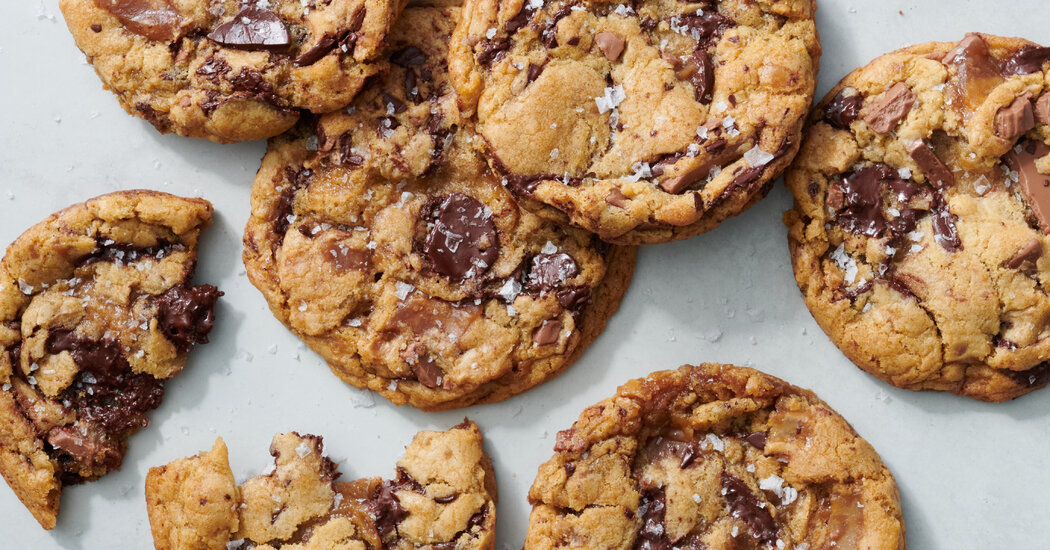
- Sweet Treats: From a personal-sized chocolate chip cookie slab to a modest batch of brownies or perfectly portioned fruit tarts, the small baking sheet handles desserts with ease.
- Breakfast Boosters: Roast a handful of granola, bake individual frittatas, or toast bagels to perfection.
- Snack Central: Make crispy kale chips, roasted chickpeas, or a small portion of seasoned nuts.
Chef Amelia Rossi, known for her innovative small-batch recipes, attests, “A small baking sheet is a liberation for the solo cook or small family. It encourages experimentation, minimizes waste, and makes cleanup a breeze. It’s an invitation to try that new recipe you’ve been eyeing, without the pressure of a full-sized commitment.”
Frequently Asked Questions About Small Baking Sheets
What’s the best material for a small baking sheet?
For all-around performance, uncoated aluminum or aluminized steel (around 10-12 gauge) is often recommended due to its excellent heat conduction and warp resistance. For a non-toxic, easy-release surface, ceramic-coated options are a great choice.
Can I use a small baking sheet in a toaster oven?
Absolutely! Quarter-sheet (9×13 inches) and eighth-sheet (6×10 inches) pans are perfectly sized for most toaster ovens, allowing you to bake and roast efficiently in smaller appliances.
How do I prevent my small baking sheet from warping?
Choose heavier gauge pans (lower gauge number indicates thicker metal). Avoid extreme temperature shocks (like plunging a hot pan into cold water). Some pans, like those with concave bottoms, are designed to resist warping by flattening out when heated.
Are non-stick small baking sheets safe?
Modern non-stick coatings, especially ceramic-based ones, are generally considered safe when used according to manufacturer instructions. However, traditional PTFE/PFOA/PFAS coatings can degrade at very high temperatures. For maximum peace of mind, opt for non-toxic ceramic-coated pans or uncoated aluminum.
How do I clean burnt-on food from my small baking sheet?
For stubborn burnt-on food, make a paste with baking soda and a little water, apply it to the affected area, let it sit for a few hours or overnight, then scrub with a non-abrasive sponge. Bar Keeper’s Friend is another effective cleaner.
What’s the difference between a quarter sheet and an eighth sheet?
A quarter sheet pan is typically 9.5 x 13 inches, while an eighth sheet pan is smaller, usually around 6.5 x 9.5 inches or 6 x 10 inches. Both are “small baking sheets” but serve slightly different portion sizes.
Can I use a small baking sheet for roasting meat?
Yes, small baking sheets are excellent for roasting individual portions of meat, like chicken breasts, fish fillets, or a small pork tenderloin. Pairing it with a wire rack allows for even cooking and prevents the meat from sitting in its own juices.
Your Culinary Journey, Amplified by the Small Baking Sheet
The small baking sheet is more than just a pan; it’s a testament to smart, efficient cooking. It empowers you to explore new recipes, perfect small-batch creations, and manage your kitchen with greater ease and precision. From quick weeknight dinners to delightful desserts, its versatility and compact nature make it an indispensable asset in any kitchen. So go ahead, embrace the small, and unlock a world of big culinary possibilities. Experiment with new ingredients, perfect your favorite cookie recipe, or simply enjoy the convenience of a perfectly roasted meal for one. Your culinary journey is about to get a whole lot smoother and more enjoyable.