Stepping into the kitchen, you might often find yourself reaching for that trusty baking sheet, the unsung hero of countless culinary adventures. From golden-brown cookies to perfectly roasted vegetables, a good baking sheet is truly the foundation of delightful homemade dishes. But with a myriad of options available, how do you choose one that elevates your baking game and stands the test of time? Enter the Stainless Steel Baking Sheet, a powerhouse of durability and performance that’s quickly becoming a favorite among home bakers and professional chefs alike.
At its core, a baking sheet is a flat metal pan, typically rectangular, used in an oven. Historically, bakers used simple metal plates, evolving over centuries into the versatile pans we know today. While aluminum sheets have long dominated the market due to their excellent heat conductivity, stainless steel has emerged as a formidable contender, offering unique advantages that cater to a more discerning and health-conscious approach to cooking.
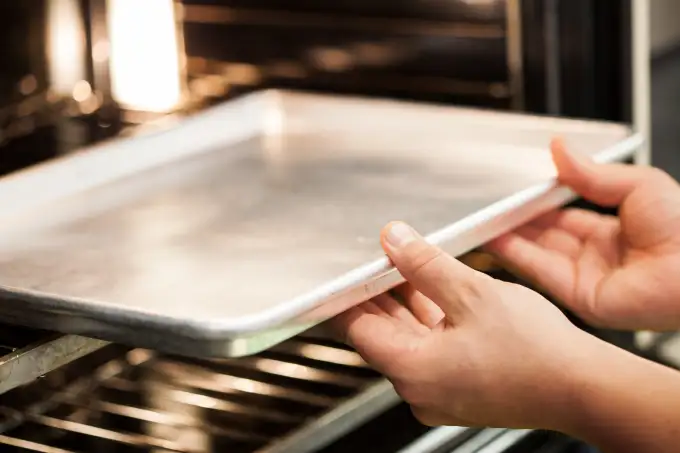
Stainless Steel Baking Sheets: Built to Last
When you invest in kitchen tools, you want items that can withstand the heat, literally and figuratively. A stainless steel baking sheet embodies this principle, offering robustness and reliability that few other materials can match.
The Unrivaled Durability of Stainless Steel
One of the most compelling reasons to choose stainless steel is its sheer durability. These sheets are exceptionally tough, designed to resist warping, denting, and scratching even after years of heavy use and exposure to high oven temperatures. Unlike thinner aluminum pans that can buckle and twist under intense heat, quality stainless steel maintains its flat surface, ensuring your food cooks evenly and your pan remains functional. It’s a “buy it for life” kind of purchase that will serve your kitchen for decades.
Non-Reactive Nature: A Healthier Choice
For many home cooks, the non-reactive nature of stainless steel is a significant draw. Unlike aluminum, which can react with acidic ingredients like tomatoes, lemons, or vinegar, stainless steel remains inert. This means you don’t have to worry about metallic tastes leaching into your food or unsightly discoloration of your pan. This non-reactive property makes a stainless steel baking sheet a safe and healthy option for a wide variety of dishes, ensuring pure flavors every time. Furthermore, most high-quality stainless steel pans are free from chemical coatings, offering a naturally non-toxic, PFAS-free alternative to traditional non-stick bakeware.
Heat Performance: Even Browning and Retention
While aluminum is known for its quick heating, stainless steel has its own distinct advantages in heat performance. It heats up more slowly but, crucially, retains heat for much longer once hot. This steady, consistent heat retention is excellent for achieving even browning and thorough cooking, making it ideal for roasting vegetables and meats. For those seeking the best of both worlds, some premium stainless steel baking sheets are crafted with a triple-bonded clad design, featuring an aluminum core sandwiched between layers of stainless steel. This innovative construction combines the superior heat distribution of aluminum with the durability and non-reactivity of stainless steel, offering a pan that heats evenly and holds that heat effectively for perfectly cooked results.
Stainless Steel vs. Aluminum Baking Sheets: The Ultimate Showdown
Choosing between stainless steel and aluminum often comes down to understanding their fundamental differences and how they align with your cooking style. Here’s a quick comparison to help you decide:
| Feature | Stainless Steel Baking Sheet | Aluminum Baking Sheet |
|---|---|---|
| Durability | Highly durable, warp-resistant, long-lasting. | Lighter, prone to warping and scratching, can dent more easily. |
| Reactivity | Non-reactive, safe for acidic foods, no metallic taste. | Reactive with acidic foods, can discolor, may impart metallic taste. |
| Heat Up/Cool Down | Heats slowly but retains heat for longer. | Heats quickly but also cools down quickly. |
| Even Heating | Good, especially with clad construction; requires preheating. | Excellent, very responsive to temperature changes. |
| Cleaning | Often dishwasher safe, easier for tough stains. | Hand-wash recommended (dishwasher can cause discoloration/pitting). |
| Cost | Generally higher initial investment, but lasts longer. | More budget-friendly. |
| Weight | Heavier, feels more substantial. | Lighter weight. |
For quick baking tasks like cookies, aluminum’s rapid heating and cooling can be an advantage. However, for those prioritizing longevity, health, and versatility, the stainless steel baking sheet often proves to be the superior choice.
Choosing the Perfect Stainless Steel Baking Sheet
Navigating the options for stainless steel bakeware can seem daunting, but a few key considerations will guide you to the ideal pan for your kitchen.
Material Grades: 18/10, 18/8, and 18/0
When buying stainless steel, you’ll often see numbers like 18/10 or 18/8. These refer to the percentages of chromium and nickel in the alloy. Chromium provides corrosion resistance, while nickel enhances durability and rust prevention.
- 18/10 Stainless Steel: Contains 18% chromium and 10% nickel. This is considered the highest quality for kitchenware, offering excellent corrosion resistance, durability, and a non-reactive surface. It’s often found in professional-grade bakeware.
- 18/8 Stainless Steel: Contains 18% chromium and 8% nickel. Very similar to 18/10, it’s also highly durable, corrosion-resistant, and non-reactive, making it a great choice for home kitchens.
- 18/0 Stainless Steel: Contains 18% chromium and 0% nickel. While more affordable, it is less corrosion-resistant than its nickel-containing counterparts and may be more prone to rusting over time, especially with acidic foods or moisture.
Opting for 18/10 or 18/8 grade stainless steel will ensure a longer-lasting, more reliable stainless steel baking sheet that can withstand the rigors of frequent use.
Construction Matters: Thickness and Cladding
A thicker gauge stainless steel pan is generally more durable and less likely to warp. Look for pans with reinforced or rolled edges, as these add rigidity and help prevent warping when exposed to extreme temperatures. As mentioned, some high-end stainless steel baking sheets feature a tri-ply or clad construction, incorporating an aluminum core for enhanced heat distribution. This design is excellent if you want the benefits of stainless steel with the even heating characteristics often associated with aluminum.
Size and Versatility
Stainless steel baking sheets come in various sizes. The most common for home use are:
- Half-sheet (18×13 inches): The workhorse of most kitchens, perfect for roasting, baking cookies, and sheet pan dinners.
- Quarter-sheet (9×13 inches): Ideal for smaller batches, toaster ovens, or as a prep tray.
Consider your oven size and typical cooking needs when selecting the appropriate dimensions. A stainless steel baking sheet is incredibly versatile, suitable for everything from delicate pastries and cookies to robust roasted vegetables, meats, and even broiling thanks to its ability to handle intense heat.
Mastering Your Stainless Steel Baking Sheet: Tips for Success
Getting the most out of your stainless steel baking sheet means understanding its unique properties and adjusting your approach slightly.
Preheating for Optimal Results
Because stainless steel heats more slowly than aluminum, preheating your baking sheet with your oven is a game-changer. This allows the pan to reach the desired temperature gradually, ensuring more even cooking and better browning from the moment your food hits the surface. “Always preheat your stainless steel sheet pan along with your oven,” advises Chef Anya Sharma, a culinary expert and founder of ‘Bếp Nướng Hoàn Hảo’ bakery. “It ensures a consistent cooking surface, which is vital for achieving that perfect sear on roasted vegetables or a beautifully crisp crust on baked goods.”
Preventing Stickiness: Oil and Parchment Power
While stainless steel is non-reactive, it’s not inherently non-stick. To prevent food from sticking, especially with delicate items like cookies or roasted vegetables with sugary glazes, follow these tips:
- Use Enough Oil/Fat: For savory dishes, ensure a good coating of oil or cooking spray.
- Parchment Paper or Silicone Mats: These are your best friends for baking, providing an effortless non-stick surface and making cleanup a breeze.
- “Fat First, Then Food”: Heat the pan with oil before adding food for savory applications to create a natural non-stick barrier.
The Art of Even Baking
Due to its excellent heat retention, stainless steel can sometimes lead to more intense browning. Keep an eye on your food, especially if you’re transitioning from aluminum pans, and you might find yourself pulling items out a minute or two earlier. For certain recipes, like delicate cookies, the slightly slower heat transfer can be an advantage, preventing burnt bottoms.
Cleaning and Maintaining Your Stainless Steel Baking Sheet
One of the great joys of a stainless steel baking sheet is how relatively easy it is to clean and maintain, contributing to its longevity.
Daily Care: Simple Soap and Water
For everyday cleaning, a quick wash with warm, soapy water and a soft sponge is usually all it takes. Stainless steel is often dishwasher safe, which is a huge convenience, unlike aluminum pans that can suffer discoloration and damage from harsh dishwasher detergents.
Tackling Stubborn Stains: The Baking Soda & Vinegar/Peroxide Power Duo
Even the most careful bakers can end up with baked-on grime. Here are some effective methods for deeper cleaning:
- Baking Soda & Hydrogen Peroxide Paste:
- Rinse the sheet to remove loose particles.
- Sprinkle baking soda liberally over stained areas.
- Spritz hydrogen peroxide over the baking soda until it’s covered and forms a paste.
- Let it sit for 15-20 minutes, or up to a few hours for tough stains.
- Scrub with a non-abrasive sponge or nylon scrubber.
- Rinse thoroughly with warm water and dry immediately.
- Baking Soda & Vinegar Soak:
- Rinse the sheet.
- Sprinkle baking soda evenly.
- Pour white vinegar over the baking soda (it will fizz!).
- Submerge the sheet in hot water in a sink for 30-60 minutes, or even overnight for stubborn grime.
- Scrub with a non-abrasive sponge.
- Rinse and dry.
For very stubborn, burnt-on spots, a fine steel wool pad can be used gently along the grain of the stainless steel, but always with caution to avoid excessive scratching.
Dishwasher Safety and Rust Prevention
Most quality stainless steel baking sheets are dishwasher safe, making cleanup effortless. However, if you have an 18/0 grade pan, handwashing might be preferable to prevent potential rusting over time. Always ensure your pan is completely dry before storing to prevent water spots or rust, especially in humid environments.
Common Mistakes and How to Avoid Them
Even with the best tools, a few common missteps can hinder your baking results or pan’s longevity.
- Not Preheating: As discussed, skipping preheating can lead to uneven cooking and less desirable browning, particularly for savory items.
- Forgetting Oil/Lining for Sticky Foods: Stainless steel isn’t naturally non-stick. Always use parchment paper, a silicone mat, or a generous layer of oil for foods prone to sticking.
- Using Overly Abrasive Tools: While fine steel wool can tackle tough stains, regular use of harsh scrubbers can scratch the surface, affecting the pan’s aesthetics over time. Opt for gentler scrubbers for daily cleaning.
- Expecting Instant Non-Stick: Don’t confuse stainless steel with chemically coated non-stick pans. Its benefits lie in durability, non-reactivity, and heat retention, requiring proper prep for stick-free cooking.
Baking with Confidence: Recipe Ideas and Expert Tips
A stainless steel baking sheet opens up a world of culinary possibilities. Its robust nature makes it ideal for high-heat tasks where other pans might falter.
Versatile Uses
- Roasting: Perfect for root vegetables like potatoes, carrots, and Brussels sprouts, achieving a beautiful caramelization. Also excellent for roasting chicken pieces, fish, or sausages, with the raised edges containing juices.
- Baking: While great for cookies with parchment, it shines for more robust baked goods like focaccia, sheet pan pizzas, or even free-form artisanal breads.
- Broiling: Its ability to withstand high temperatures without warping makes it safe for broiling meats or vegetables for a quick char.
- Sheet Pan Dinners: The ultimate weeknight meal solution, cooking a protein and vegetables together on a single pan.
The versatility of a stainless steel baking sheet makes it an indispensable tool for any aspiring or seasoned home cook, enabling you to explore a wider range of recipes with confidence and precision.
Frequently Asked Questions (FAQ)
Q1: Is a stainless steel baking sheet truly non-toxic?
A1: Yes, high-quality stainless steel (like 18/10 or 18/8 grade) is considered a non-toxic material for bakeware because it is non-reactive and does not leach chemicals into food, even with acidic ingredients. It also typically lacks chemical non-stick coatings.
Q2: Can I use metal utensils on my stainless steel baking sheet?
A2: While stainless steel is very durable, metal utensils can still cause scratches. For best preservation of your pan’s appearance, it’s generally recommended to use silicone, wood, or plastic utensils.
Q3: Why does food sometimes stick to my stainless steel baking sheet?
A3: Stainless steel is not naturally non-stick. Food can stick if the pan isn’t properly preheated, if insufficient oil or fat is used, or if you don’t use a liner like parchment paper or a silicone baking mat for certain recipes.
Q4: Do stainless steel baking sheets warp?
A4: High-quality, thicker gauge stainless steel baking sheets with reinforced or rolled edges are highly resistant to warping, even at high temperatures. Thinner, lower-quality pans may be more prone to warping.
Q5: Can I put my stainless steel baking sheet in the dishwasher?
A5: Most quality stainless steel baking sheets are dishwasher safe. However, handwashing with mild soap and water is often recommended for longevity and to maintain its pristine appearance. Always dry immediately to prevent water spots.
Q6: What’s the best way to remove burnt-on food from my stainless steel baking sheet?
A6: Soaking the pan in hot water with a few drops of dish soap, or using a paste of baking soda and hydrogen peroxide or baking soda and vinegar, are highly effective methods for loosening and removing burnt-on food.
Conclusion
Choosing the right bakeware is more than just a purchase; it’s an investment in your culinary journey. A stainless steel baking sheet offers a compelling blend of durability, health-conscious design, and versatile performance that sets it apart. It’s a reliable workhorse that will withstand the test of time, empower you to experiment with diverse recipes, and consistently deliver delicious results. So go ahead, embrace the strength and precision of stainless steel, and elevate your baking game to truly perfect new culinary creations.