Stepping into the kitchen, a baking sheet is often your trusty sidekick, ready to transform raw ingredients into delicious creations. Among the myriad options available, the Teflon Baking Sheet stands out for its undeniable convenience. It promises a world where cookies slide off with ease, roasted vegetables never cling, and cleanup is a breeze. But what truly makes a Teflon baking sheet shine, and what should every home baker know to leverage its full potential while ensuring safety and longevity? Let’s dive deep into the fascinating world of Teflon bakeware.
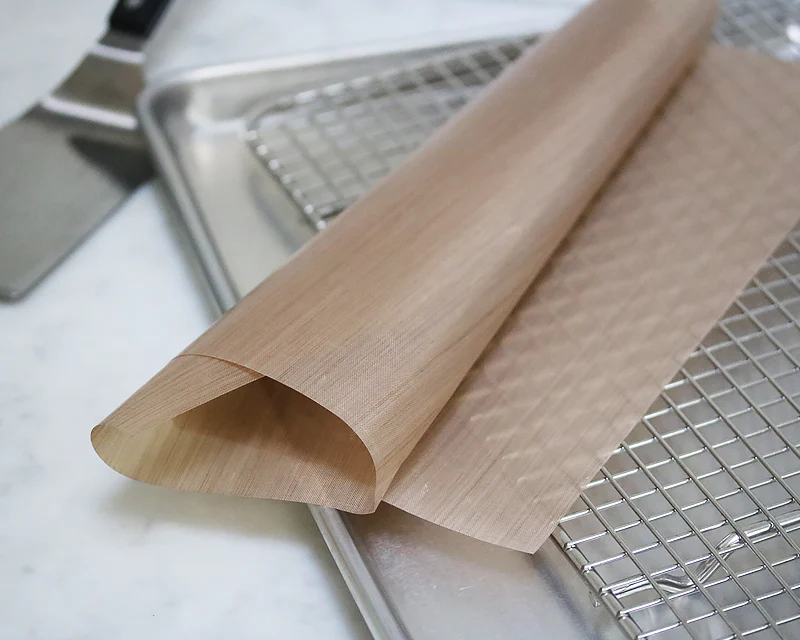
What Exactly is a Baking Sheet?
Before we talk specifics, let’s clarify what we mean by a baking sheet. Generally, a baking sheet is a flat, rectangular metal pan, typically with raised edges on all four sides, used for baking in an oven. Sometimes referred to as a “cookie sheet” (though cookie sheets often have only one or no raised edges for easy sliding), these versatile kitchen essentials are foundational for everything from savory sheet pan dinners to your favorite sweet treats.
Unpacking the Magic of Teflon Baking Sheets
At its core, Teflon is a brand name for polytetrafluoroethylene (PTFE), a synthetic polymer that provides an incredibly slick, non-stick surface. When this coating is applied to a baking sheet, usually made from durable materials like carbon steel or aluminum, it creates a formidable tool for the modern baker.
The main allure of a Teflon baking sheet lies in its exceptional non-stick properties. Imagine baking a batch of delicate financiers or a tray of gooey brownies; with Teflon, you can expect them to release effortlessly from the pan, often without the need for excessive greasing or parchment paper. This translates directly to less food waste, perfectly intact baked goods, and a significantly simpler cleanup routine.
The Sweet and Sour: Advantages and Disadvantages of Teflon Baking Sheets
Like any kitchen tool, Teflon baking sheets come with their own set of perks and pitfalls. Understanding these can help you make an informed decision for your baking adventures.
The Bright Side: Advantages
- Superior Non-Stick Performance: This is the undeniable champion feature. Food simply doesn’t stick, making them ideal for delicate items and sticky recipes.
- Effortless Food Release: Say goodbye to wrestling with stubborn cookies or tearing apart a beautifully roasted chicken because it’s fused to the pan.
- Quick and Easy Cleanup: Most messes wipe away with minimal scrubbing, saving you precious time and effort after a baking session.
- Often More Affordable: Compared to some premium alternatives, Teflon-coated baking sheets can be a more budget-friendly option, making non-stick baking accessible to everyone.
The Flip Side: Disadvantages and Important Considerations
While the convenience is tempting, it’s crucial to be aware of the potential drawbacks, primarily concerning safety and durability.
- Safety Concerns: “Teflon Flu” and Fumes
When Teflon is heated to very high temperatures (typically above 500°F or 260°C), it can release fumes that may cause a temporary, flu-like condition known as “polymer fume fever” or “Teflon flu.” Symptoms often include fever, chills, muscle tension, and headaches, usually appearing within 12-24 hours of exposure. These fumes are particularly dangerous for pet birds. - The PFOA/PFAS Discussion: Historically, a chemical called PFOA (perfluorooctanoic acid) was used in the manufacturing of some Teflon products and has been linked to health issues. However, the Teflon brand states that their non-stick coatings have been PFOA-free since 2015. While this eliminates a significant concern, the broader category of “forever chemicals” (PFAS) remains a point of environmental discussion, though regulatory agencies like the FDA and EPA affirm the safety of non-stick coatings when used as intended.
- Durability and Scratching: The non-stick coating, while effective, can be prone to scratches if metal utensils or abrasive scrubbers are used. Once scratched, the coating can degrade, reducing its non-stick properties and potentially flaking. While incidental ingestion of small flakes is generally considered non-toxic and passes through the body, it’s always best to avoid it.
- Temperature Limitations: Teflon baking sheets are not recommended for extremely high-heat cooking, such as broiling, or for use in ovens hotter than 500°F (260°C). High temperatures can cause discoloration and lead to the coating deteriorating.
- Shorter Lifespan: Due to the potential for scratching and coating wear, Teflon baking sheets generally have a shorter lifespan (around 1-5 years) compared to uncoated metal pans.
Choosing the Right Baking Sheet for Your Culinary Journey
Beyond just Teflon, the world of baking sheets offers various materials, each with unique properties. Understanding these can help you build a versatile bakeware collection.
Different Materials, Different Strengths
- Aluminum: Often a workhorse in professional kitchens, aluminum baking sheets are excellent heat conductors, ensuring even baking. Uncoated aluminum is fantastic for high-temperature roasting.
- Aluminized Steel: This material combines the strength of steel with an aluminum-silicon alloy coating, offering durability and corrosion resistance.
- Ceramic-Coated: A popular non-stick alternative, ceramic coatings are generally free from PTFE and PFOA. They are often heavier and more expensive but offer good non-stick performance and even heating.
- Stainless Steel: While durable and resistant to corrosion, stainless steel is a poor heat conductor, making it less ideal for even baking results on its own.
- Silicone Baking Mats: Often used as a liner on top of a regular baking sheet, these offer excellent non-stick properties and are reusable.
When choosing, consider the gauge (thickness) of the metal; a heavier gauge pan is less likely to warp and will distribute heat more evenly.
Expert Advice: Nailing Optimal Use with Teflon Baking Sheets
To truly make your Teflon baking sheets perform their best and last longer, a few golden rules apply. “The secret to unlocking the full potential of your Teflon baking sheet lies in understanding its limits and treating it with care,” advises Amelia Sterling, a seasoned pastry chef and culinary educator. “It’s a fantastic tool for specific tasks, but not a universal solution for every high-heat cooking method.”
Smart Usage Tips:
- Keep it Cool (Relatively): Aim for low to medium heat settings. Avoid preheating empty non-stick pans on high heat, as they can reach critical temperatures quickly.
- Gentle Utensils Only: Always use wooden, silicone, or plastic utensils to prevent scratching the delicate non-stick coating. Metal utensils are a big no-no!
- Parchment Paper or Silicone Mats: For added protection, or if your pan’s coating is showing signs of wear, consider lining it with parchment paper or a silicone baking mat. This not only safeguards the pan but also makes cleanup even easier.
- Match Your Burner: If using a Teflon pan on the stovetop (though baking sheets are oven-focused), ensure the burner size matches the pan bottom to prevent overheating edges.
- Ventilation is Key: Always use your stove’s exhaust fan when cooking, especially when using non-stick bakeware, to help dissipate any potential fumes.
The Art of Cleaning and Preservation for Longevity
Proper care is paramount for extending the life of your Teflon baking sheets and maintaining their non-stick prowess.
Your Cleaning Toolkit:
- Hand Wash is Best: While some Teflon bakeware might be labeled “dishwasher safe,” harsh dishwasher detergents can degrade the non-stick coating over time. For optimal results and longevity, hand washing with warm, soapy water and a soft sponge is always recommended.
- Cool Down First: Always allow your baking sheet to cool completely before washing. Submerging a hot pan in cold water can cause it to warp permanently.
- Avoid the Abrasives: Steer clear of steel wool, abrasive scrubbers, or harsh cleaning chemicals like oven cleaner, as these will scratch and damage the non-stick surface.
- Tackling Stubborn Stains (Gently):
- Baking Soda & Vinegar: For baked-on grime, sprinkle baking soda generously, then pour white vinegar over it. Let the mixture fizz and sit for 15-30 minutes (or even overnight for tough stains), then gently scrub with a soft sponge.
- Baking Soda & Hydrogen Peroxide: For more persistent stains, a paste of baking soda and hydrogen peroxide can be effective. Apply the paste, let it sit for 2-4 hours, then gently scrub and rinse thoroughly, ensuring no residue remains.
When to Bid Farewell
It’s time to replace your Teflon baking sheet if the coating is deeply scratched, peeling, flaking, or if the pan has warped. A compromised surface not only reduces non-stick effectiveness but also raises concerns about ingesting coating particles.
Common Baking Sheet Blunders and Their Easy Fixes
Even experienced bakers can sometimes make mistakes. Here’s how to avoid them with your Teflon sheets:
- Overheating the Pan:
- Mistake: Using Teflon at temperatures above 500°F (260°C) or preheating it empty on high heat.
- Fix: Reserve high-heat roasting or broiling for uncoated pans. Keep your Teflon sheets to medium-low oven temperatures.
- Using the Wrong Utensils:
- Mistake: Scraping food with metal spatulas or knives.
- Fix: Opt for silicone, wood, or plastic tools to protect the coating.
- Employing Cooking Sprays:
- Mistake: Some aerosol cooking sprays can leave a sticky residue that builds up and degrades the non-stick surface.
- Fix: Lightly grease with butter or oil if needed, or use parchment paper.
- Aggressive Cleaning:
- Mistake: Scrubbing vigorously with abrasive sponges or harsh chemicals.
- Fix: Gentle hand washing with a soft sponge and mild soap is your best friend.
Culinary Creativity with Your Teflon Baking Sheet
Teflon baking sheets truly shine for specific types of cooking and baking:
- Delicate Baked Goods: Think perfectly formed cookies, flaky pastries, light meringues, and delicate tuiles that release without a crumb.
- Sticky Situations: For recipes prone to sticking, like roasted vegetables tossed in sugary sauces or gooey bars, Teflon provides an unparalleled release.
- Everyday Convenience: From baking frozen appetizers to warming up slices of pizza, the easy cleanup makes daily cooking less of a chore.
- Eggs and Pancakes: While more common for stovetop pans, a flat Teflon sheet can be fantastic for making large batches of perfectly cooked, easily flipped items.
Frequently Asked Questions About Teflon Baking Sheets
Are Teflon baking sheets safe to use?
Yes, current Teflon™ non-stick coatings are generally considered safe when used as intended, meaning at temperatures below 500°F (260°C). They are PFOA-free, and regulatory agencies affirm their safety for consumer use. However, overheating can release temporary, flu-like fumes, especially dangerous for birds.
How long do Teflon baking sheets typically last?
With proper care, a Teflon baking sheet can last between 1 to 5 years. Their lifespan is largely dependent on how well the non-stick coating is maintained and protected from scratches or excessive heat.
Can I use metal utensils on my Teflon baking sheet?
No, it is strongly advised against using metal utensils on Teflon baking sheets. Metal can scratch and damage the non-stick coating, reducing its effectiveness and lifespan. Stick to silicone, wooden, or plastic tools.
What’s the best way to clean a Teflon baking sheet?
The best method is gentle hand washing with warm, soapy water and a soft sponge after the pan has cooled completely. Avoid abrasive scrubbers and harsh detergents to preserve the non-stick coating.
Are there good alternatives to Teflon baking sheets?
Absolutely! Excellent alternatives include silicone baking mats (often placed on aluminum sheets), ceramic-coated baking sheets, and uncoated aluminum sheets. Each has its own advantages for different baking needs.
Can Teflon baking sheets go in the dishwasher?
While some Teflon-coated bakeware may be labeled dishwasher-safe, hand washing is generally recommended to prolong the life of the non-stick coating. Dishwasher detergents can be harsh and may degrade the surface over time.
The Last Word: Embrace Informed Baking with Teflon
Teflon baking sheets, when understood and used correctly, are an invaluable asset in any kitchen. They simplify the baking process, minimize sticking, and make cleanup significantly easier. By being mindful of temperature limits, using appropriate utensils, and adopting gentle cleaning practices, you can enjoy the many benefits these convenient sheets offer. So, go forth, explore new recipes, and let your “Bếp Nướng Hoàn Hảo” (Perfect Baking Kitchen) thrive with smart, informed choices. Happy baking!