The humble toaster oven has become an indispensable workhorse in modern kitchens, far exceeding its basic toasting duties. From reheating last night’s pizza to whipping up a batch of cookies, its compact convenience is undeniable. However, to truly unlock its full potential and enjoy perfectly cooked results every time, the unsung hero you need is the right Toaster Oven Baking Sheet. This isn’t just about shrinking a regular baking sheet; it’s about finding bakeware engineered for the unique dynamics of a smaller oven. Choosing wisely can elevate your culinary game, ensuring even baking, effortless cleanup, and a delightful experience that empowers your passion for cooking.
What Exactly is a Toaster Oven Baking Sheet?
At its core, a baking sheet is a flat or rimmed metal pan used for baking and roasting. For full-sized ovens, these come in various standard sizes, from half-sheets to jelly roll pans. But here’s the catch: these traditional sizes are often far too large for your toaster oven, leading to cramped spaces, obstructed heating elements, and ultimately, unevenly cooked food. A toaster oven baking sheet is specifically designed to fit these smaller appliances, allowing for proper air circulation and heat distribution, which are crucial for achieving that golden-brown crust or perfectly roasted vegetable. Many brands offer dedicated toaster oven bakeware sets, which frequently include a baking sheet, a crisper tray for air frying, and even mini muffin tins, transforming your compact appliance into a versatile baking powerhouse.
The Perfect Fit: Sizing Your Toaster Oven Baking Sheet
Finding the right size is paramount. Imagine trying to wear shoes two sizes too big – it just doesn’t work! The same goes for your toaster oven baking sheet. Using a pan that’s too large can block air vents, hinder convection fans, and even touch heating elements, posing a safety risk and leading to burnt edges or undercooked centers.
So, how do you measure for the perfect fit? It’s simpler than you might think. Grab a tape measure and carefully record these interior dimensions of your toaster oven:
- Sidewall to Sidewall: Measure the width, making sure to account for any rack guides or attachments that protrude from the walls.
- Back Wall to Glass Door: Measure the depth, ignoring any rounded bump-outs at the back, as these are usually for specific food items like pizza, not flat sheets.
- Upper Heating Elements to Lowest Rack Placement: This vertical measurement ensures your pan isn’t too tall for your intended use, especially if you plan to use a baking rack or bake taller items.
Keep these measurements handy when shopping. While “toaster oven” sizes aren’t perfectly standardized across brands, common ideal dimensions you’ll encounter are similar to “quarter sheet” (roughly 11.35 inches by 8 inches) and “eighth sheet” (around 9.3 inches by 6.25 inches). These sizes offer a good balance of cooking surface and adequate space for air circulation.
Decoding the Materials: What’s Your Toaster Oven Baking Sheet Made Of?
The material of your toaster oven baking sheet significantly impacts its performance, durability, and even how easily it cleans up. Understanding these differences will guide you to a smart choice.
- Aluminum: A popular choice for good reason, aluminum is an excellent conductor of heat. It heats up quickly and distributes warmth evenly, which is fantastic for achieving uniform browning on cookies and roasted foods. Natural (uncoated) aluminum sheets are durable and won’t rust. However, bare aluminum can react with acidic foods, potentially imparting a metallic taste.
- Carbon Steel: Known for its durability and excellent heat retention, carbon steel is a workhorse in many kitchens. If uncoated, it requires seasoning to prevent rust and create a natural non-stick surface, similar to cast iron. Carbon steel is robust and stands up well to high temperatures.
- Stainless Steel: Offering a non-reactive and chemical-free surface, stainless steel is a durable option. It’s a solid choice for those prioritizing inert materials. However, stainless steel often lacks natural non-stick properties, meaning you might need to use more oil or a baking mat to prevent sticking.
- Non-Stick Coatings (Traditional): These coatings, often containing PTFE (Teflon), are beloved for their easy food release and straightforward cleanup. While convenient, some consumers have concerns about PFOA and PFAS chemicals associated with older non-stick technologies and their potential health implications, especially when scratched or overheated. Always check the product specifications for details on these compounds.
- Ceramic Coatings (Non-Toxic): A fantastic alternative for those seeking a PFAS-free, non-toxic non-stick surface. These coatings are typically applied over an aluminum or aluminized steel base. They offer good non-stick performance and are safe at higher temperatures. The main drawback is that ceramic coatings can be more brittle than traditional non-stick, prone to chipping or cracking if handled roughly. Gentle cleaning is a must to preserve their integrity.
- Silicone Baking Mats: While not a baking sheet itself, a silicone baking mat is a reusable pan liner made from food-grade silicone, often reinforced with a fiberglass mesh for even heat distribution.
- Pros: Magically non-stick, reusable for hundreds if not thousands of uses, and incredibly easy to clean, as messes stay on the mat, not the pan. They are excellent for baking cookies, roasting vegetables, and preventing sticky situations.
- Cons: Silicone mats have temperature limitations, typically safe up to 425°F or 450°F, and should never be used for broiling. They can discolor over time, which doesn’t affect performance but isn’t pretty, and can sometimes retain odors from savory dishes. Most cannot be cut to size due to the fiberglass mesh, though some newer, fiberglass-free options offer customization.
Choosing the Right Toaster Oven Baking Sheet for Your Baking Needs
Selecting the perfect toaster oven baking sheet boils down to understanding your primary uses and preferences.
- What do you bake most often? If you’re a cookie connoisseur, a lighter-colored aluminum sheet or a non-stick option is ideal for even browning and easy release. For crispy roasted vegetables or fries, a darker pan or one paired with a crisper rack will enhance browning and air circulation.
- Prioritizing Non-Stick vs. Uncoated: For effortless cleanup, a non-stick or ceramic-coated pan, or a silicone baking mat, is a clear winner. If you’re concerned about coatings, natural aluminum or stainless steel are excellent uncoated choices, though they might require a bit more oil or careful parchment paper usage (though some manufacturers advise against parchment in toaster ovens due to close heating elements).
- Durability and Warp Resistance: Flimsy, thin metal pans are notorious for warping at high temperatures, leading to uneven cooking. Look for pans made from heavier gauge metal, like those from reputable brands such as Nordic Ware, known for their sturdy “natural aluminum” sheets that resist warping.
- Budget vs. Quality: While budget-friendly options exist, investing a little more in a quality toaster oven baking sheet can save you frustration in the long run. A well-made pan will distribute heat better, last longer, and stand up to repeated use without warping or degrading.
“A common misconception is that a toaster oven sheet pan is just a smaller version of a standard one. But the best toaster oven bakeware is designed with precise heat management in mind, ensuring your miniature culinary creations achieve the same perfection as their full-oven counterparts,” advises Sarah Jenkins, a seasoned baker and kitchenware expert with over two decades of experience.
Tips for Using Your Toaster Oven Baking Sheet for Best Results
Even with the perfect pan, a few simple techniques can make all the difference in your toaster oven baking.
- Preheat Properly: Just like a full-sized oven, your toaster oven needs time to reach and stabilize its temperature. Don’t rush it; a properly preheated oven ensures your food starts cooking evenly from the moment it goes in.
- Avoid Overcrowding: It’s tempting to cram as much as possible onto a small sheet, but resist the urge. Overcrowding blocks air circulation, leading to steamed instead of roasted vegetables, or pale, soft cookies. Give your food space to breathe.
- Using Appropriate Liners: Silicone baking mats are fantastic for non-stick baking and roasting, eliminating the need for oil or parchment paper. However, remember their temperature limitations and avoid using them for broiling. As for parchment paper, many toaster oven manufacturers advise against it due to the close proximity of heating elements, which can cause it to ignite. If you must use it, ensure it’s trimmed to size and doesn’t touch the heating elements.
- Temperature Considerations: Darker pans absorb more heat, leading to quicker browning, which is great for crisping but might require a slight temperature adjustment downwards or shorter baking times for delicate items to prevent overbrowning. Lighter aluminum pans reflect heat, resulting in more even, gentle baking.
- My own experience: I once tried to bake a small batch of macarons on a dark non-stick toaster oven pan. While they looked great from above, the bottoms browned far too quickly, resulting in slightly burnt “feet.” Switching to a lighter aluminum pan and a silicone mat made a world of difference for delicate pastries.
Cleaning and Maintaining Your Toaster Oven Baking Sheet
A well-cared-for baking sheet lasts longer and performs better.
- Handwashing is King: Even if a manufacturer claims a pan is “dishwasher-safe,” harsh detergents and high heat in dishwashers can often discolor, corrode, or damage non-stick coatings over time. For best results, handwash your pans with warm, soapy water after each use.
- Dealing with Baked-On Residue: For stubborn baked-on messes, a good soak can work wonders. However, avoid submerging pans with folded edges for extended periods, as water can get trapped and lead to rust. A paste of baking soda and a little water, left to sit for a while, can also help lift grime. For greasy silicone mats, a deep clean with warm water and lemon juice can help break down oil buildup.
- Proper Storage: Store your baking sheets flat to prevent warping. If stacking, place a sheet of parchment paper or a silicone mat between them to protect non-stick surfaces from scratches.
- Caring for Non-Stick and Silicone Surfaces: Always use wooden, silicone, or plastic utensils to avoid scratching delicate non-stick coatings. Be mindful with cooking oil sprays; some can leave a sticky residue that’s difficult to remove. If using spray oil, aim it directly at your food, not the pan.
Common Toaster Oven Baking Sheet Mistakes to Avoid
Even seasoned home cooks can slip up. Here are some common pitfalls to steer clear of:
- Using Oversized Pans: As discussed, this is the cardinal sin of toaster oven baking, leading to uneven cooking, poor airflow, and potential safety hazards. Always measure first!
- Ignoring Temperature Limits: Not all bakeware is created equal. Silicone mats, for example, have a maximum temperature and should never be used under the broiler. Always consult your pan’s and toaster oven’s manuals.
- Metal Utensils on Non-Stick: A quick scrape with a metal spatula can ruin a non-stick surface, leading to flaking and reduced performance. Stick to soft-headed tools.
- Not Reading Manufacturer’s Instructions: Every toaster oven and every piece of bakeware has specific guidelines. A quick read can prevent damage, ensure safety, and improve your cooking results.
- Warping: This common issue with lower-quality, thin metal pans is caused by rapid, uneven heating and cooling. Invest in heavier-gauge pans to minimize warping. If your pan does warp, it can cause food to cook unevenly, with liquids pooling in certain areas.
Beyond the Basics: Creative Uses and Baking Ideas
A versatile toaster oven baking sheet opens up a world of culinary possibilities beyond just reheating toast.
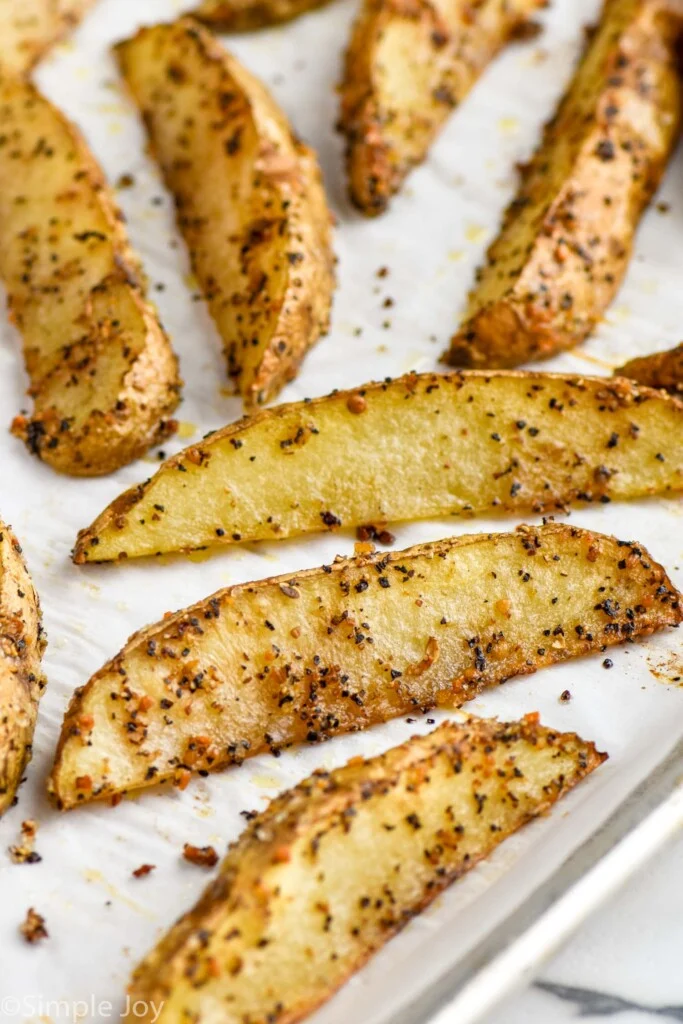
- Roasted Vegetables: Toss your favorite veggies with a little oil and seasoning for perfectly tender-crisp results. Think broccoli, Brussels sprouts, sweet potatoes, or bell peppers.
- Single-Serve Meals: Cook a chicken breast, a piece of fish, or even a small steak alongside some veggies for a quick and easy weeknight dinner for one or two.
- Crispy Snacks: Use a perforated crisper tray (often found in toaster oven sets) for making crispy fries, onion rings, or even homemade chicken nuggets with excellent air circulation.
- Small Batch Baking: Beyond cookies, your toaster oven and its small baking sheet are perfect for mini pizzas, cheese crisps, baked potatoes, or even small loaves of bread or muffins if you have the appropriate bakeware.
- Reheating Leftovers: Forget the microwave! Reheat pizza, pastries, or roasted meats on a toaster oven baking sheet to restore their original texture and crispness.
Frequently Asked Questions about Toaster Oven Baking Sheets
Q: Can I cut silicone baking mats to size?
A: Most silicone baking mats, especially those reinforced with fiberglass mesh, should not be cut, as it can compromise the integrity of the mat and potentially allow fiberglass threads into your food. However, some newer, fiberglass-free silicone mats are specifically advertised as customizable and safe to cut. Always check the manufacturer’s instructions.
Q: Are all non-stick coatings safe?
A: Modern non-stick coatings from reputable brands are generally considered safe for everyday use. However, if you have concerns about traditional PTFE/PFOA/PFAS chemicals, opt for pans with ceramic coatings or choose uncoated materials like natural aluminum, stainless steel, or cast iron.
Q: Why does my toaster oven baking sheet warp?
A: Warping typically occurs when thin, flimsy metal pans are subjected to rapid and uneven temperature changes. The metal expands and contracts at different rates, causing it to bend or buckle. Investing in heavier-gauge pans or those made of materials less prone to warping (like some aluminized steel or cast iron) can help prevent this.
Q: Can I use aluminum foil in my toaster oven?
A: While aluminum foil is generally oven-safe, caution is advised in toaster ovens. It should never touch the heating elements, as it can cause a fire or damage the oven. If you use it, ensure it’s trimmed precisely to size and doesn’t overhang the pan edges. Many experts recommend avoiding it entirely in favor of silicone mats or appropriate bakeware.
Q: How often should I replace my toaster oven baking sheet?
A: The lifespan varies greatly depending on the material, frequency of use, and care. Non-stick pans should be replaced if the coating is heavily scratched or flaking. Warped metal pans that significantly affect cooking performance should also be replaced. High-quality, uncoated metal pans can last for many years, even decades, with proper care. Silicone mats can last anywhere from 1,000 to 3,000 uses or more.
Conclusion
The toaster oven baking sheet, though small, plays a monumental role in the success of your compact kitchen endeavors. By understanding the nuances of sizing, materials, and proper usage, you’re not just buying a piece of metal; you’re investing in consistently delicious results, easier cleanup, and a more enjoyable baking journey. So go ahead, measure your oven, pick your perfect pan, and embrace the joy of perfectly baked and roasted creations right from your countertop. Your passion deserves the best tools, even in miniature!